
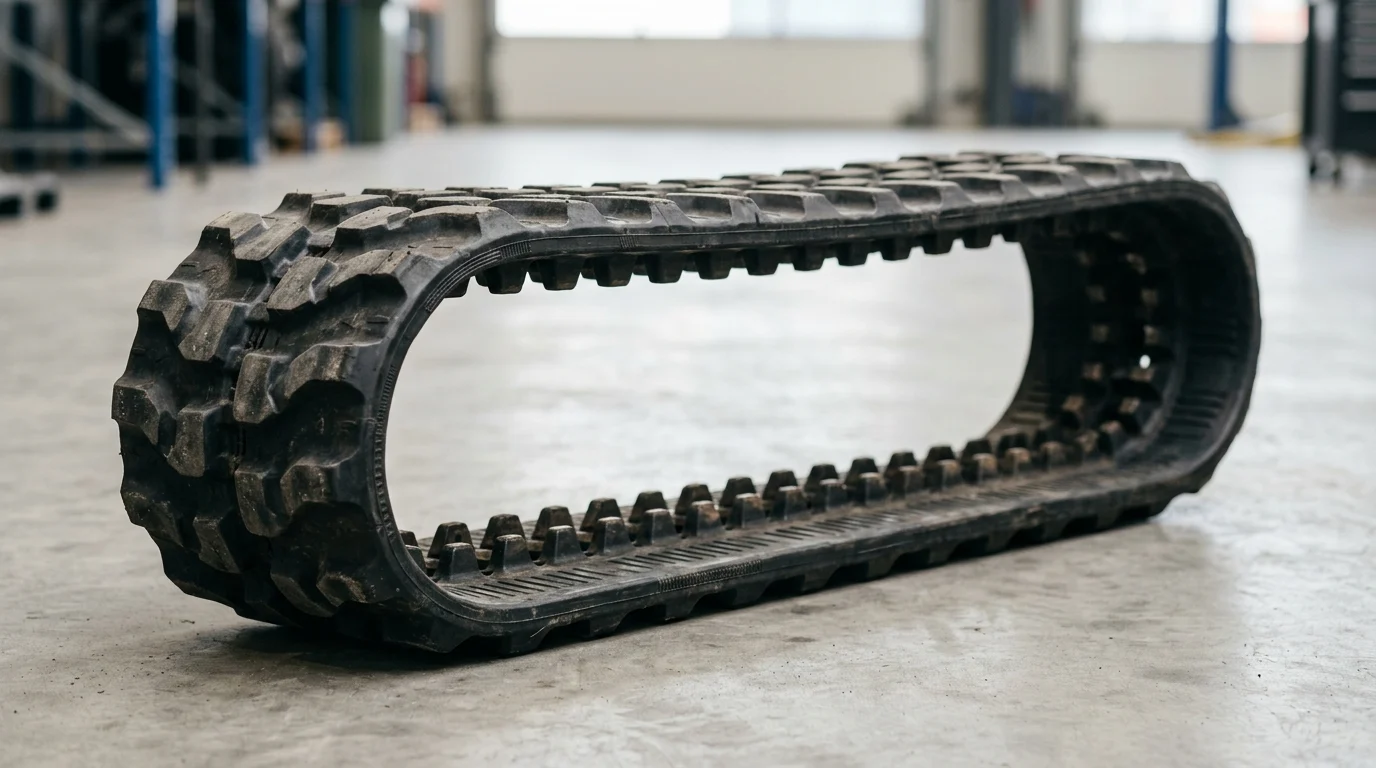
2026 Dumper Rubber Tracks Market Outlook
As we evaluate the heavy equipment procurement landscape heading into 2026, the B2B market for undercarriage components is undergoing a significant recalibration. Driven by sustained infrastructure investments across North America and Europe, our analysis indicates that procurement teams must adapt to evolving raw material constraints and shifting manufacturing footprints to maintain competitive profit margins.
Demand, pricing, and regional sourcing shifts
Global demand for construction and agricultural dumpers is driving a projected 5.2% compound annual growth rate in the rubber track sector through 2026. However, wholesale pricing remains highly sensitive to natural rubber indices, which have recently fluctuated between $1.60 and $1.85 per kilogram. To mitigate these material cost variances, we are tracking a pronounced regional sourcing shift.
While established industrial hubs in China continue to dominate high-volume production due to mature supply chains, buyers are increasingly diversifying. We are seeing procurement directors onboard secondary suppliers in Southeast Asia, particularly Vietnam and Thailand, to hedge against geopolitical tariffs and regional freight bottlenecks. Securing 12-month fixed-price contracts is becoming a standard practice to insulate against these raw material price swings.
Buyer segments and machine classes
Effective procurement strategies must be tailored to distinct buyer segments and machine classes. Rental fleet operators prioritize total cost of ownership (TCO) and typically source high-durability tracks for mid-sized dumpers in the 3- to 10-ton payload class, requiring track widths ranging from 320mm to 800mm. These buyers demand robust warranties to minimize fleet downtime.
Conversely, landscape and agricultural distributors often purchase high volumes of tracks for compact mini dumpers (1- to 3-ton capacity) utilizing narrower 180mm to 230mm profiles. Understanding the specific utilization rates and wear patterns of these segments allows us to negotiate better volume discounts and align inventory shipments with seasonal spring and summer demand spikes.
Specifications and Supplier Benchmarks
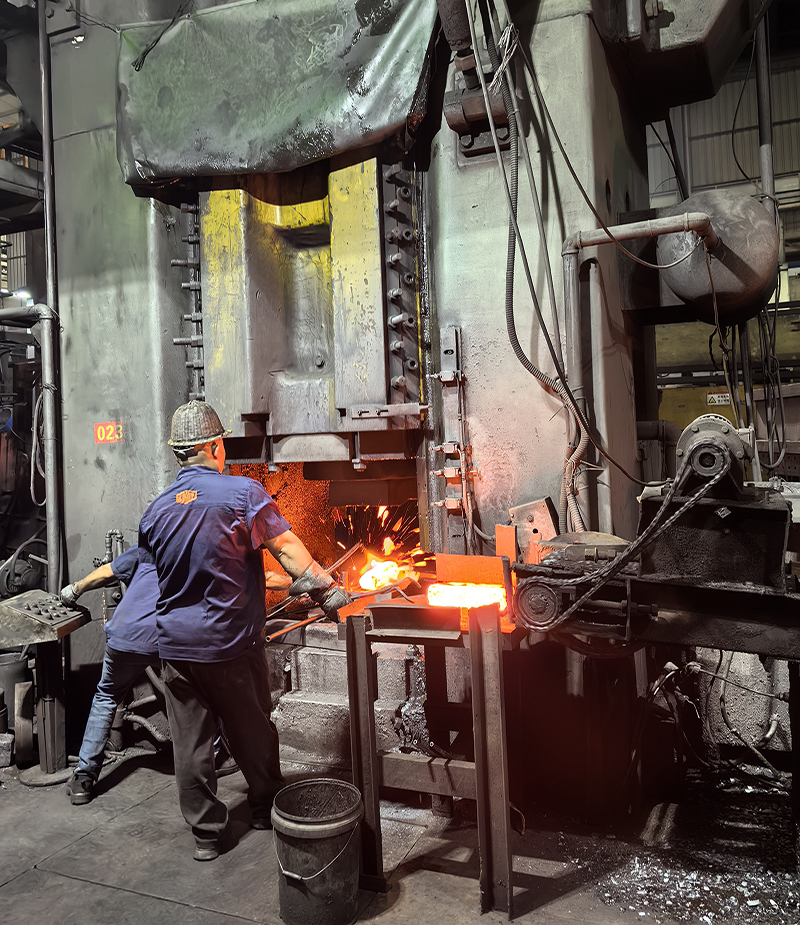
To secure reliable Dumper Rubber Tracks, wholesale buyers must rigorously evaluate the underlying engineering specifications. Visual inspections are insufficient; the true operational value and lifecycle of a track are dictated by its internal architecture, chemical composition, and strict adherence to dimensional tolerances.
Size, tread, cable construction, and rubber compound
Modern track longevity relies heavily on continuous steel cord (CSC) construction, an innovation that eliminates the overlapping joints that historically caused up to 80% of premature track failures. We specify internal steel cables with a minimum tensile strength of 400 MPa to prevent snapping under heavy, uneven payloads. Furthermore, the rubber compound itself should feature a 45% to 50% natural rubber blend to perfectly balance cut resistance with necessary flexibility.
Tread patterns also dictate operational performance; staggered block patterns offer superior traction in deep mud, while C-lug designs reduce operator vibration on hard surfaces. Accurate pitch measurements and link counts are non-negotiable to prevent sprocket slippage.
| Tread Pattern | Primary Application | Vibration Level | Avg. Lifespan (Hours) |
|---|---|---|---|
| Staggered Block | Mud / Soft Soil | High | 1,200 – 1,500 |
| C-Lug | Mixed / Gravel | Medium | 1,500 – 1,800 |
| Zig-Zag | Hardscape / Asphalt | Low | 1,800 – 2,200 |
OEM vs aftermarket comparison criteria
When benchmarking OEM against Tier 1 aftermarket tracks, the financial comparison centers on upfront capital savings versus long-term warranty coverage. High-quality aftermarket tracks currently price 25% to 40% below OEM equivalents, presenting a massive margin opportunity for distributors.
While OEM tracks typically carry an 18- to 24-month (or 1,500-hour) warranty, reputable aftermarket suppliers have closed the gap, now offering robust 12- to 18-month (1,000-hour) guarantees backed by serial number tracking. For our procurement models, transitioning to an aftermarket supplier is only viable if their verifiable manufacturing defect rate remains strictly below a 1.5% threshold over a trailing 12-month period.
Sourcing, Logistics, and Approval
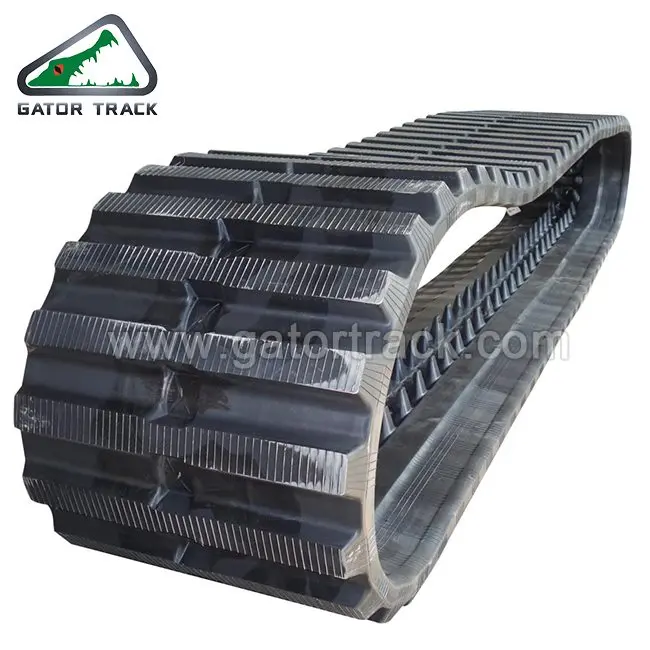
Executing a successful global procurement strategy requires stringent supplier qualification and highly optimized logistics. As global freight costs and transit times stabilize heading into 2026, our focus must shift toward rigorous quality control protocols and maximizing container payload efficiency to protect landed margins.
Supplier qualification and sourcing steps
Our supplier qualification process begins with a comprehensive factory audit, demanding ISO 9001:2015 certification as an absolute baseline. We scrutinize the manufacturer’s vulcanization press capacity and internal testing laboratories, specifically looking for dynamic fatigue testing capabilities that exceed 500 continuous hours.
Minimum Order Quantities (MOQs) for custom or heavily reinforced dumper tracks typically sit at 10 to 20 pieces per specific size. However, consolidating orders to meet a 1x20ft container threshold is critical for achieving optimal unit pricing and amortizing factory setup costs across a broader inventory base. We frequently deploy third-party inspection agencies to verify these factory capabilities before issuing a purchase order.
Incoterms, container loading, lead times, and QC
Navigating Incoterms is vital for margin protection; we predominantly utilize FOB (Free On Board) Shanghai or Qingdao for maximum control over our designated freight forwarders. Container loading efficiency directly impacts landed costs. A standard 20ft container (TEU) can accommodate approximately 200 to 220 tracks of a standard 320x90x58 dimension, effectively maxing out near the 22-ton legal maritime weight limit.
Production lead times currently average 25 to 35 days from purchase order confirmation to vessel departure. Before final payment release, we mandate a strict QC protocol: 100% visual and dimensional inspection coupled with a 5% destructive batch test to verify steel cord adhesion and confirm the rubber meets a 60-65 Shore A durometer rating.
Key Takeaways
- Wholesale sourcing and supply-chain implications for Dumper Rubber Tracks
- Specifications, compliance, and commercial terms buyers should validate
- Actionable recommendations for distributors and procurement teams
Frequently Asked Questions
What should buyers watch most closely in the 2026 dumper rubber tracks market?
Monitor natural rubber prices, freight stability, and supplier geography. Fixed-price 12-month contracts can reduce cost swings and protect margins.
How do I choose the right dumper rubber track size?
Match width, pitch, and link count exactly to the dumper model. Common widths range from 180mm to 800mm, depending on payload class.
Are aftermarket dumper rubber tracks worth buying in 2026?
Yes, if defect rates stay below 1.5% and warranty support is solid. Good aftermarket options often cost 25% to 40% less than OEM.
Which tread pattern is best for my dumper application?
Use staggered block for mud, C-lug for mixed gravel, and zig-zag for hard surfaces. Correct tread choice improves traction, ride quality, and service life.
What supplier checks matter before placing a bulk order?
Require ISO 9001:2015, verify continuous steel cord construction, confirm tensile strength specs, and review warranty terms with serial-number traceability.
Post time: Apr-15-2026