
As the first half of 2026 draws to a close, the global construction machinery industry is showing strong signs of recovery. As a core component of undercarriage systems, the rubber tracks market has experienced significant fluctuations and growth during this period. This article provides an in-depth review of the rubber tracks industry in H1 2026, combining international trends, industry developments, and market data.
International Landscape and Trade Dynamics
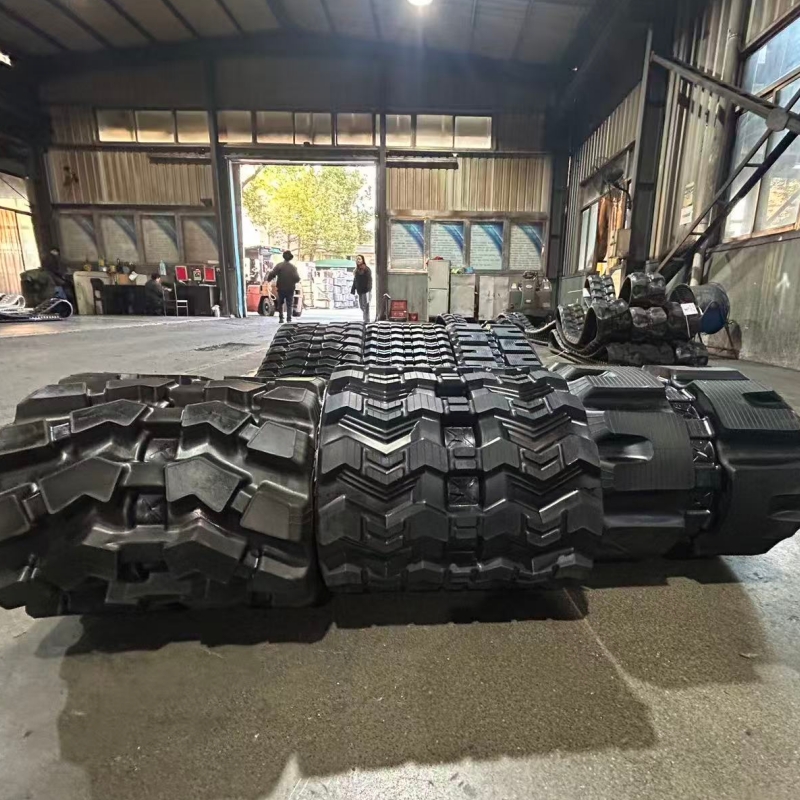
In H1 2026, the global trade landscape continued to evolve. Demand for high-quality, durable construction machinery parts remained strong in North America and Europe, particularly for mini excavators and skid steer loaders used in urban development. Concurrently, infrastructure projects in Southeast Asia and South America accelerated their restart, providing vast opportunities for rubber tracks exports.
Notably, China, as the world’s largest producer of construction machinery parts, saw its export value grow by over 30% year-on-year in the first two months of 2026. This growth stems not only from production capacity advantages but also from the digital upgrade of supply chains and precise alignment with international standards. For B2B buyers, finding stable rubber tracks suppliers with international certifications (e.g., ISO 9001) has become crucial for mitigating procurement risks.
Market Trends and Technological Evolution
On the technological front, the market focus in H1 2026 centered on “longevity” and “all-terrain adaptability.” As heavy machinery operating environments become increasingly complex, traditional tracks are struggling to meet the demands of high-intensity, multi-condition applications.
1.Application of High-Performance Materials: Leading manufacturers have begun adopting new tear-resistant rubber compounds, significantly enhancing the durability of rubber tracks in harsh terrains such as rocks and gravel.
2.Intelligent Manufacturing Processes: The widespread adoption of jointless technology has further strengthened the tensile strength of rubber tracks, reducing the risk of breakage during operation and thus minimizing customer downtime.
3.Surge in Customized Demand: There has been a noticeable increase in demand for specialized specifications tailored for specific brands like ASV Tracks or Dumper Tracks. This requires suppliers to possess stronger R&D and mold development capabilities.
Industry Outlook and Procurement Recommendations
Looking ahead to H2 2026, the global rubber tracks market is projected to maintain a compound annual growth rate of approximately 6%. With the deepening of the “smart construction” concept, rubber tracks offering lower ground pressure and higher traction will capture a larger market share.
For international B2B buyers, the following points are recommended for H2 2026:
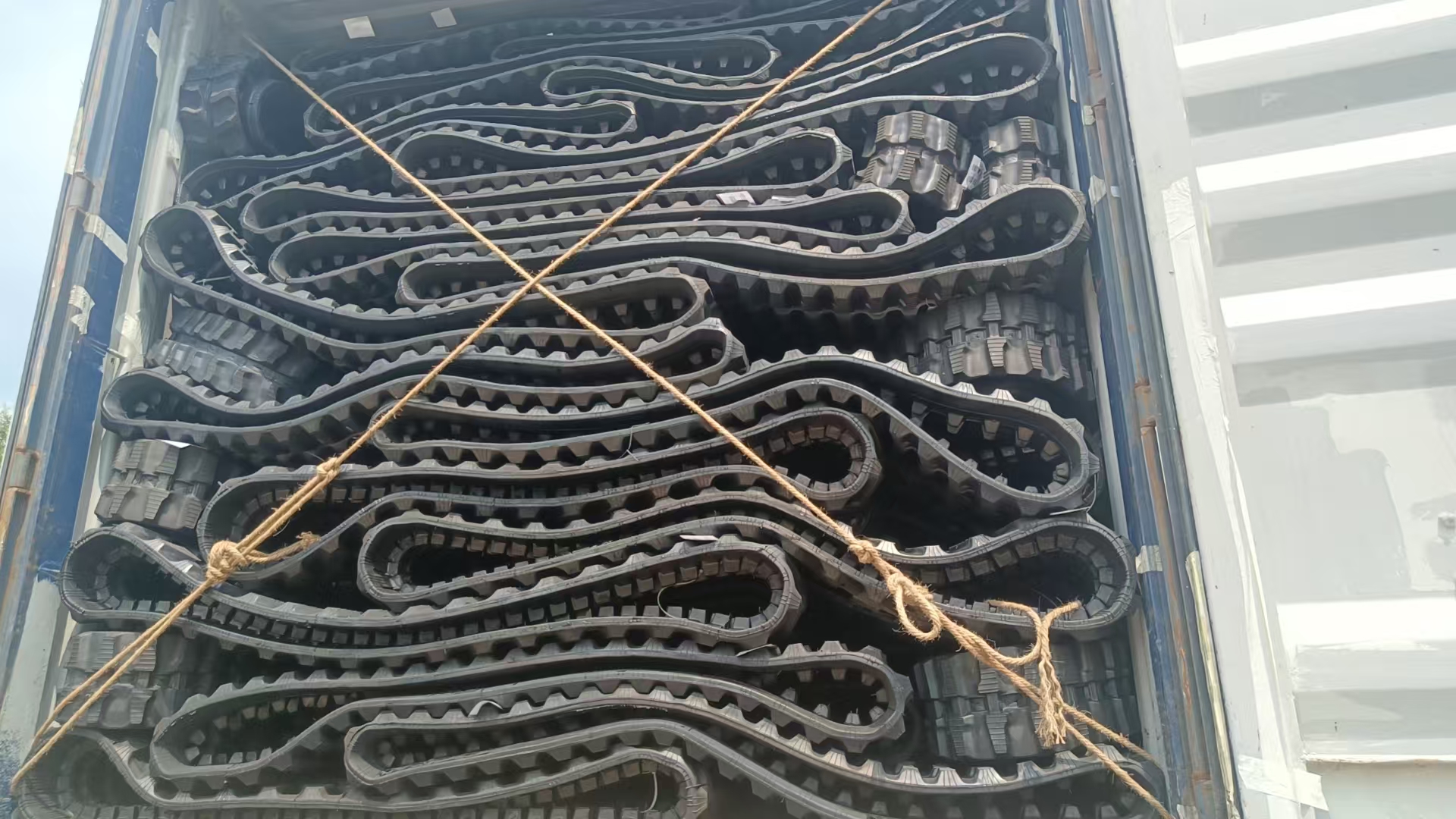
•Inventory Alert: Due to fluctuations in international logistics, it is advisable to secure bulk purchase orders for the second half of the year in advance.
•Quality Traceability: Prioritize rubber tracks manufacturers who can provide detailed technical parameters and past case studies to ensure performance in various climatic conditions.
In summary, the rubber tracks industry in H1 2026 presented opportunities amidst challenges. Through technological innovation and market penetration, quality suppliers are continuously enhancing the voice of “Made in China” on the international stage.

Post time: Jul-01-2026