Introduction
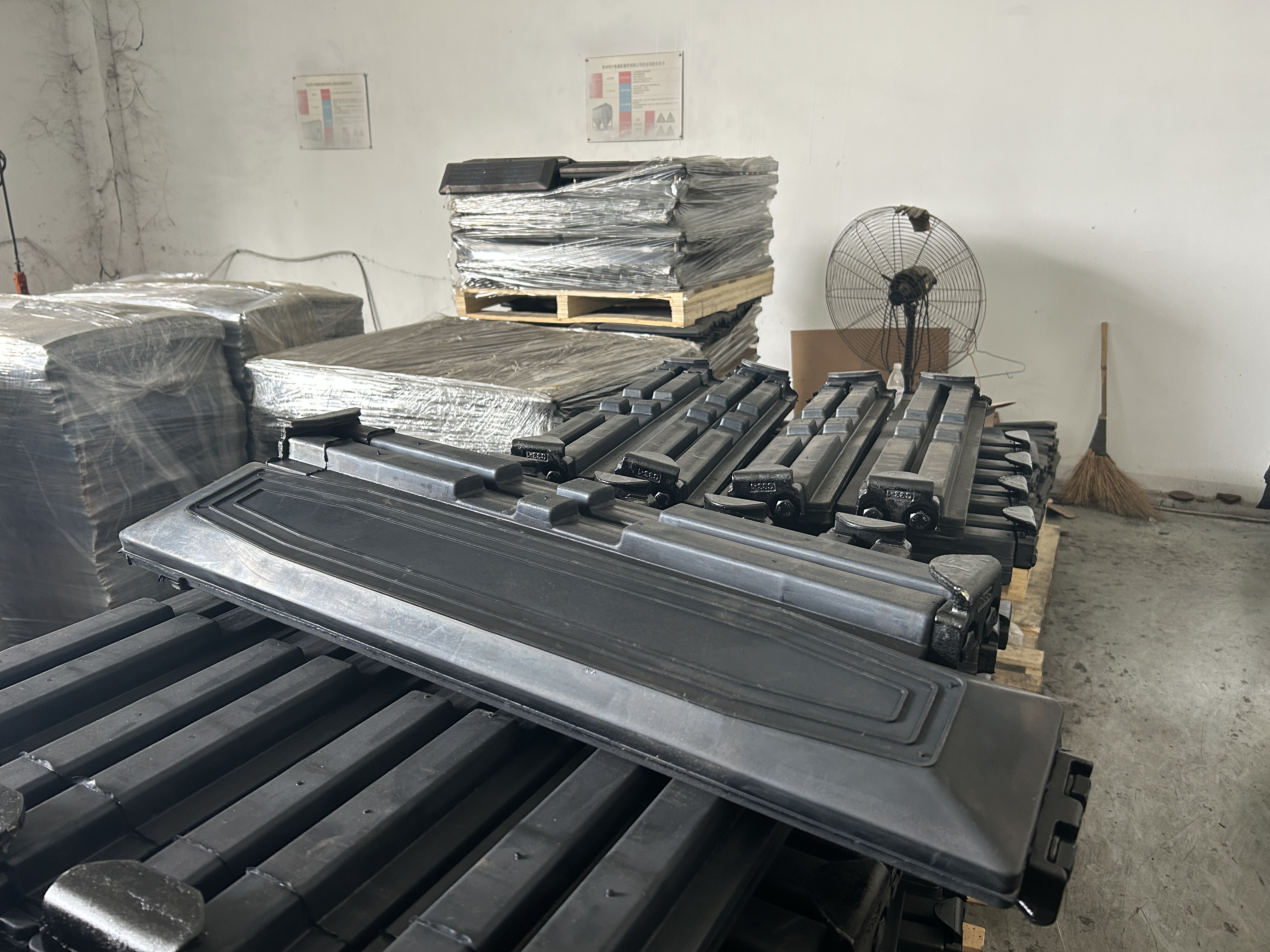
Demand for 700mm rubber track pads in North America is expected to tighten in 2026 as more 20- to 25-ton excavators work on paved urban job sites where surface protection is essential. The market is being shaped by a mix of fleet replacement timing, infrastructure project activity, and regional differences across the United States, Canada, and Mexico. This article explains the key forces behind that demand, including machine utilization, wear-life expectations, and procurement planning, so readers can better understand where consumption is rising and what it means for contractors, dealers, and parts suppliers.
2026 North America Demand for 700mm Rubber Track
The North American heavy equipment sector is experiencing a sustained shift toward urban infrastructure modernization, directly accelerating demand for 700mm rubber track pads. As contractors increasingly operate 20-ton to 25-ton excavators on finished asphalt and concrete surfaces, the requirement for surface-protecting track solutions is projected to peak in 2026.
Fleet replacement cycles, project pipelines, and machine populations
Fleet managers are navigating compressed replacement cycles driven by high machine utilization rates across the continent. For standard excavators in the 20-ton to 25-ton weight class—such as the Caterpillar 320 or Komatsu PC210—700mm rubber track pads typically exhibit a wear life ranging from 1,500 to 2,000 operating hours. This lifespan fluctuates heavily based on terrain abrasion, travel distances, and operator behavior. The anticipated 2026 demand spike is supported by the maturation of large-scale projects funded under the U.S. Infrastructure Investment and Jobs Act (IIJA), which has significantly expanded the active pipeline of roadworks, bridge rehabilitations, and municipal utility upgrades. Consequently, the active machine population requiring 700mm pads is expanding rapidly, forcing fleet operators to forecast consumable replacements 12 to 18 months in advance to avoid equipment grounding during peak summer construction seasons.
United States, Canada, and Mexico demand patterns
Regional demand across North America remains highly segmented based on economic drivers and climate. The United States accounts for an estimated 65% of the total market volume, driven by dense urban redevelopment and stringent municipal regulations prohibiting the use of bare steel tracks on public roadways. Canada represents approximately 20% of regional demand. In this market, narrow seasonal construction windows require contractors to rapidly deploy equipment across mixed terrains, frequently transitioning from frozen ground to paved urban centers. Mexico holds the remaining 15% of the market share and demonstrates the fastest year-over-year growth rate. Rapid utility expansion and commercial real estate development in Mexican metropolitan areas are driving new equipment acquisitions, subsequently elevating the demand for aftermarket consumable parts.
Purchasing Factors for 700mm Rubber Track
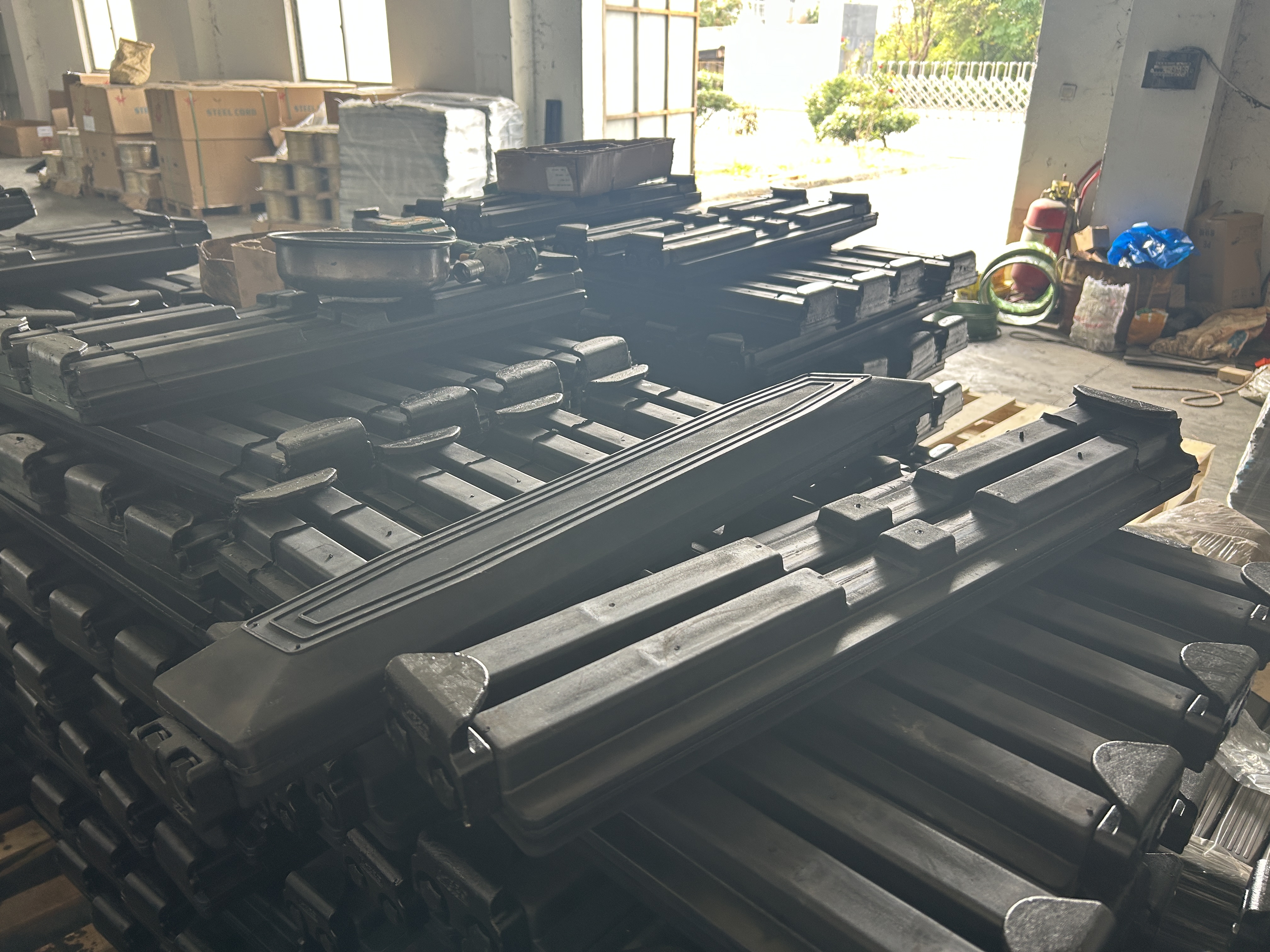
Selecting the optimal 700mm rubber track pads requires balancing upfront capital expenditure with long-term operational durability. Procurement teams must evaluate stringent technical specifications to ensure maximum uptime and precise undercarriage integration.
Specifications, wear life, and undercarriage compatibility
Technical specifications directly dictate operational efficiency, installation labor, and overall wear life. For 700mm profiles, buyers must verify pitch measurements—commonly standardized at 190mm or 216mm—to guarantee seamless engagement with the existing sprocket and idler assemblies of the undercarriage. High-performance pads utilize advanced blended compounds of natural and synthetic rubber, featuring a tensile strength exceeding 15 MPa and a Shore A hardness rating between 75 and 80. This specific material engineering provides optimal resistance to chunking, edge tearing, and UV degradation. Furthermore, installation configurations play a critical role in operational compatibility. Fleet managers must choose between bolt-on, clip-on, or chain-on mechanisms based on the base machine’s steel grouser shoe design. While clip-on pads offer rapid installation to minimize labor hours, bolt-on configurations provide superior stability for high-torque applications.
OEM versus aftermarket cost and compliance comparison
The procurement decision frequently centers on the cost-to-performance ratio between Original Equipment Manufacturer (OEM) components and Tier-1 aftermarket alternatives. While OEM pads guarantee strict compliance with proprietary machine specifications, high-quality aftermarket manufacturers now consistently meet ISO 9001 and ISO 14001 standards, offering comparable durability profiles at a lower price point.
| Feature / Metric | OEM 700mm Track Pads | Tier-1 Aftermarket 700mm Pads |
|---|---|---|
| Average Cost per Pad | $120 – $160 | $80 – $110 |
| Standard Warranty Period | 12 months / 1,500 hours | 12 months / 1,000 hours |
| ISO Manufacturing Certification | Standardized | Required for Tier-1 status |
| Domestic Lead Time | 2 – 4 weeks | 6 – 8 weeks (Import dependent) |
Fleet operators must systematically weigh these variables, calculating the total cost of ownership across the machine’s entire lifecycle. Utilizing Tier-1 aftermarket pads can yield up to a 30% reduction in fleet consumable costs, provided the selected supplier maintains rigorous quality control and dimensional accuracy.
Sourcing and Inventory Strategy for 700mm Rubber Track
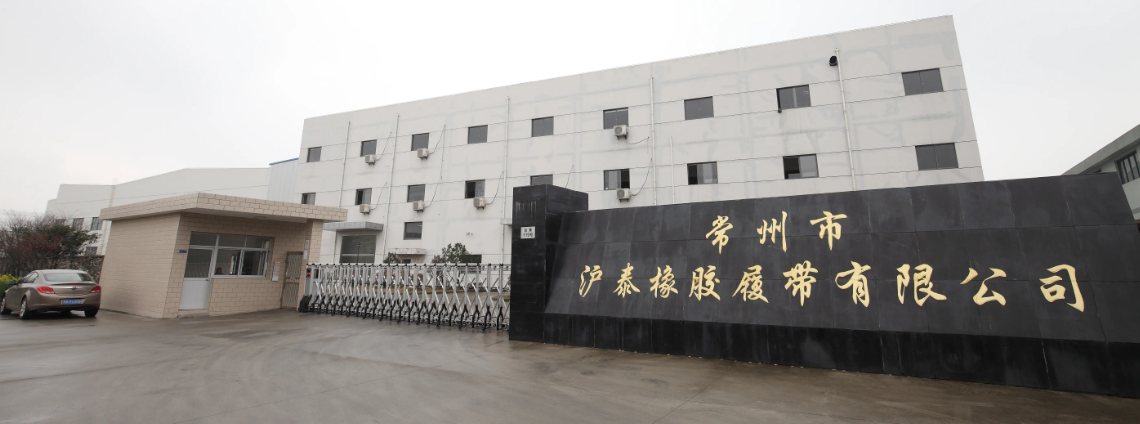
Navigating the global supply chain for heavy equipment consumables requires a robust framework for procurement and inventory management. As 2026 approaches, mitigating logistical delays is paramount to maintaining continuous fleet operations and protecting project margins.
Sourcing, inventory, and logistics to reduce lead times
Global supply chain dynamics dictate that distributors and large fleet operators optimize their freight, shipping, and warehousing strategies. Trans-Pacific shipping times for heavy rubber components currently average 45 to 60 days from port to port, necessitating a highly proactive inventory posture. To minimize landed costs per unit, procurement teams typically execute bulk orders via 20-foot TEU containers, which can accommodate approximately 800 to 1,000 individual 700mm excavator pads depending on the specific mounting hardware and palletization methods utilized. Establishing centralized distribution hubs in the American Midwest allows distributors to maintain a localized safety stock equivalent to three to six months of projected consumption. This inventory acts as a critical buffer against unexpected customs delays, raw material price volatility, or sudden spikes in regional construction activity.
Decision framework for forecasting and supplier qualification
Establishing a resilient supply chain requires a stringent decision framework for supplier qualification and demand forecasting. Procurement officers must evaluate potential manufacturing partners against strict performance metrics, demanding a documented historical defect rate of less than 0.5% across heavy-duty rubber products. Furthermore, buyers must negotiate Minimum Order Quantities (MOQs), which generally range from 100 to 200 units for custom or specialized 700mm pad profiles. A comprehensive forecasting model should integrate historical fleet utilization data, projected project pipelines, and seasonal wear patterns to accurately predict purchasing volumes. By systematically auditing supplier manufacturing facilities for advanced vulcanization technology and mandating comprehensive warranty coverage—typically 12 months or 1,000 operating hours—organizations can secure a reliable, cost-effective pipeline of track pads for the demanding 2026 construction cycle.
Key Takeaways
- The most important conclusions and rationale for 700mm Rubber Track Pads
- Specs, compliance, and risk checks worth validating before you commit
- Practical next steps and caveats readers can apply immediately
Frequently Asked Questions
Why is North America demand for 700mm rubber track pads expected to peak in 2026?
Urban infrastructure projects, IIJA-funded work, and higher use of 20–25 ton excavators on asphalt and concrete are accelerating replacement demand across the region.
Which machines commonly use 700mm rubber track pads?
They are often fitted on 20–25 ton excavators, including models like CAT 320 and Komatsu PC210, but fitment must be confirmed by shoe type and undercarriage specs.
How do I verify the right 700mm pads for my excavator?
Check pad width, pitch such as 190mm or 216mm, bolt pattern, and whether your machine needs bolt-on, clip-on, or chain-on pads before ordering.
What 700mm rubber pad options does Gator Track offer?
Gator Track supplies excavator rubber track pads in bolt-on, clip-on, and chain-on styles, including RP, HXP, and DRP variants for broad machine compatibility.
When should fleets order 700mm rubber track pads for 2026 projects?
Plan purchases 12–18 months ahead if possible, especially before peak summer construction, to reduce downtime and avoid lead-time risks on replacement pads.
Post time: Apr-27-2026