As 2026 unfolds, the global construction industry has reached new heights in terms of construction refinement and environmental protection. As the“guardian” for steel-tracked machinery entering urban areas, rubber track pads have shown particularly strong performance in H1 2026. This article will explore the international dynamics and application trends within this specialized segment.
Urbanization Drives Market Demand
In H1 2026, urban renewal projects globally experienced a boom. In Europe and North America, increasingly stringent regulations on road surface protection for municipal engineering projects directly fueled the demand for rubber track pads.
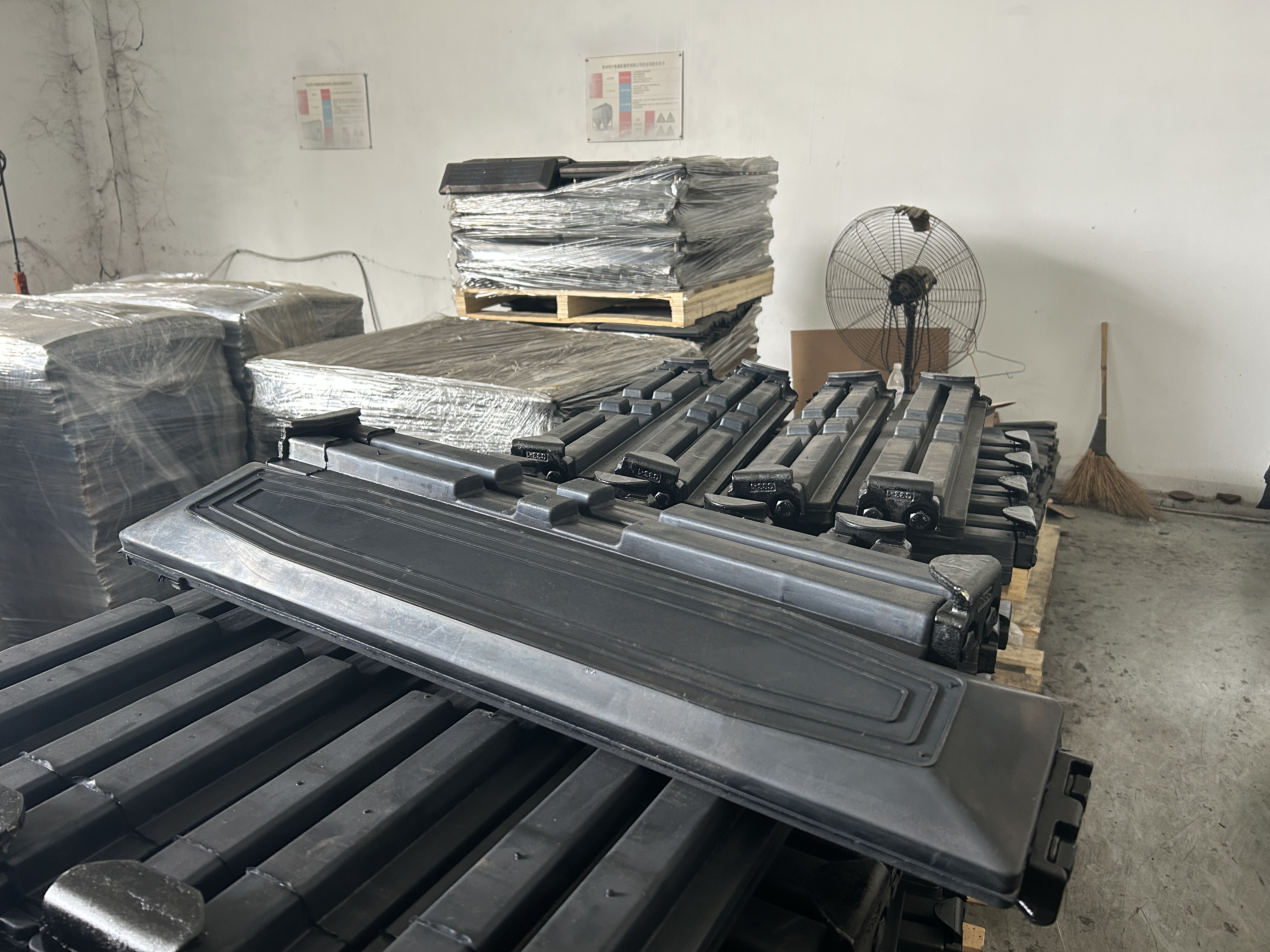
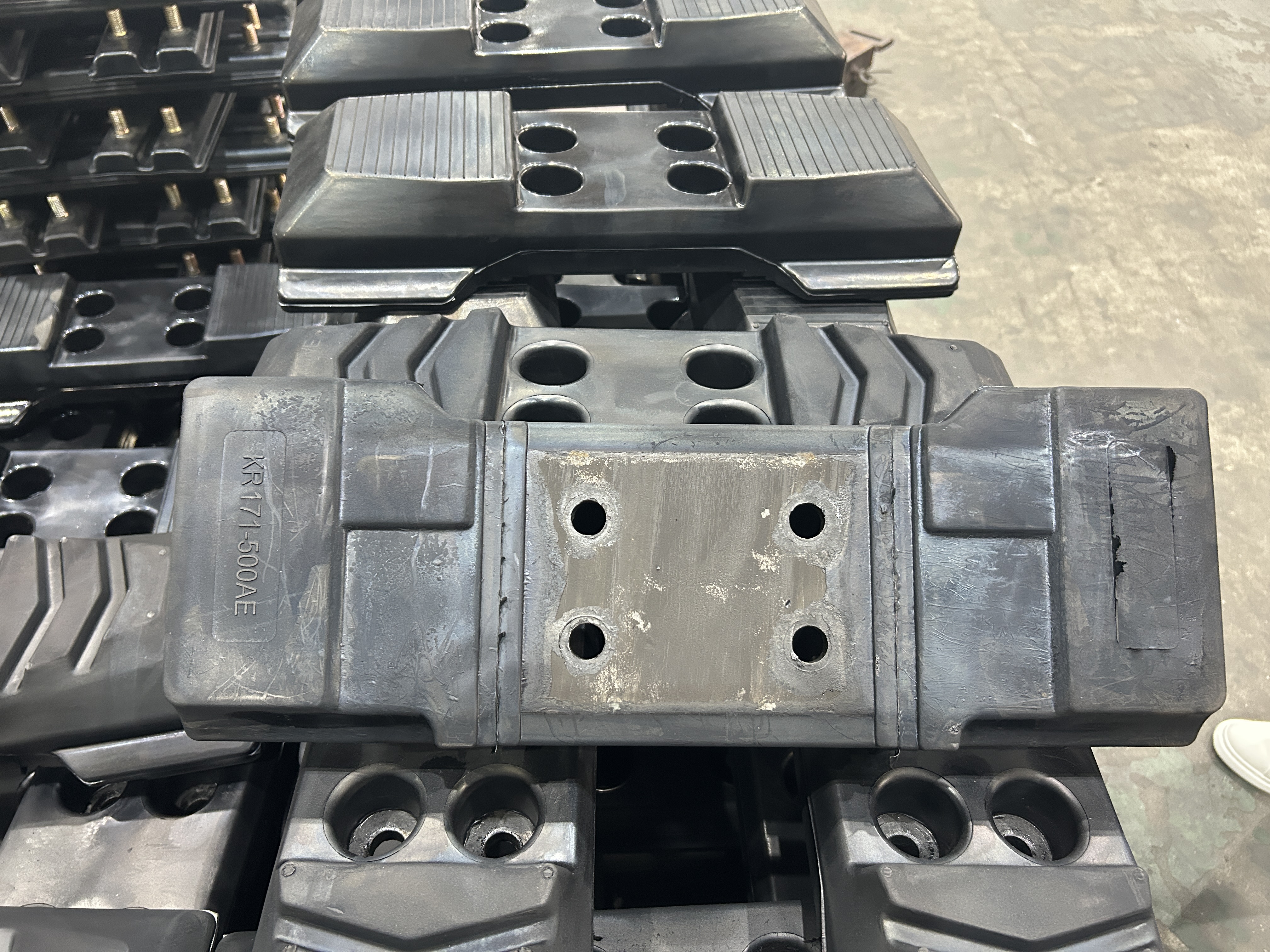
Both Bolt On Rubber Track Pads and Clip On Excavator Track Pads saw steady sales growth in the first half of the year. B2B buyers are increasingly opting for accessories that can be quickly installed and do not damage asphalt or concrete surfaces, thereby avoiding costly road repair penalties.
Technological Innovation: Balancing Durability and Convenience
At industry exhibitions in H1 2026, the technological evolution of rubber track pads primarily manifested in three dimensions:
1. Revolutionary Material Upgrades
The introduction of new polyurethane composite rubber has increased the wear resistance of rubber track pads by over 40% compared to traditional rubber. This material can not only withstand the immense pressure of heavy excavators but also maintain stable physical properties in extreme cold or hot weather.
2. Diversified Installation Methods
For different machine models, Chain On Rubber Track Pads and Excavator Track Pads designs have become more user-friendly. Data from H1 2026 shows that track pads with “quick installation and removal” features are favored by rental companies, as this significantly reduces equipment turnaround time between different job sites.
3. Precise Adaptation for Niche Markets
Customized track pads for specialized undercarriage systems like ASV Tracks have emerged strongly in the first half of the year. This precise adaptation not only protects road surfaces but also optimizes equipment traction performance, enhancing overall operational efficiency.
H2 2026 International Outlook
Influenced by global inflationary pressures and raw material price fluctuations, the market price for rubber track pads may see a slight increase in H2 2026. Concurrently, with the widespread adoption of ESG (Environmental, Social, and Governance) standards, suppliers with lower-carbon production processes and more environmentally friendly materials will gain favor with large multinational construction enterprises.
Conclusion
In H1 2026, the rubber track pads industry has transitioned from simple “accessory supply” to “road protection solutions.” For B2B buyers seeking long-term development, choosing manufacturers who continuously invest in technologies like Bolt On, Clip On, and Chain On will be the optimal strategy to ensure project success and reduce operating costs.

Post time: Jul-02-2026