
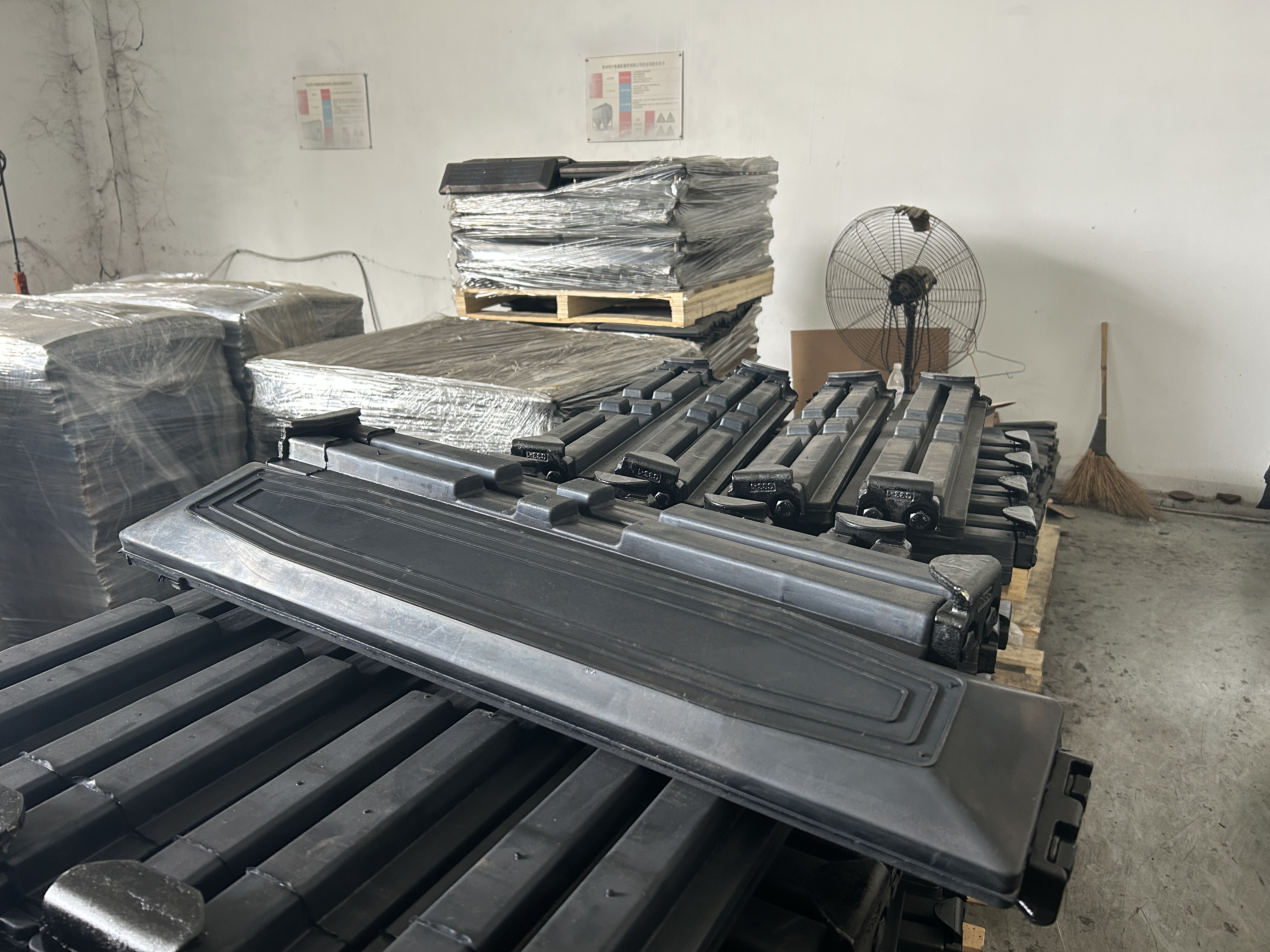
Why 700mm Excavator Rubber Pads Matter
When evaluating undercarriage solutions for mid-sized to heavy machinery—typically in the 20 to 35-tonne weight class—transitioning from bare steel tracks to specialized rubber pads represents a critical operational upgrade. To clarify, 700mm excavator rubber pads are add-on covers designed to fit securely over 700mm-wide base steel track shoes, rather than serving as full replacement tracks. For machines operating in mixed environments, these pads provide an optimal balance of traction, stability, and machine protection. It is important to note that adding these rubber pads increases the total track width and overall ground contact area.
Upgrading to these robust attachments changes how equipment interacts with paved or landscaped grounds. Integrating them into a fleet management strategy allows contractors to bid on specialized urban contracts that strictly prohibit bare steel tracks. However, rubber pads have practical limitations. They offer reduced traction in deep mud or steep rock environments and are unsuitable for demolition work. Furthermore, they add overall weight that can affect undercarriage tension, requiring track tension recalibration after installation. The increased overall track width may also impact transport restrictions, and improper use can carry potential warranty implications. Finally, rubber compounds naturally degrade when exposed to prolonged UV light, excessive heat, oil, or hydraulic fluid.
Key Benefits for Surface Protection
Operating heavy excavators on finished surfaces like asphalt or concrete often results in severe damage if bare steel tracks are utilized. By distributing the machine’s weight across a wider 700mm footprint, rubber pads significantly lower the ground bearing pressure.
Depending on the machine’s specific operating weight, pad compound, and manufacturer specifications, adding high-quality rubber pads can substantially reduce effective ground pressure, commonly reaching illustrative ranges as low as 35 to 40 kPa based on OEM guidelines. This dispersion helps prevent deep rutting, spalling, and cracking, reducing the need for expensive post-project surface remediation. Additionally, the specialized rubber compound offers superior grip on paved inclines, helping operators maintain control without slipping or gouging the underlying substrate.
How Rubber Pads Improve Durability
Beyond protecting the ground, mechanical protection of the machine and operator comfort are top priorities. Bare steel tracks generate severe high-frequency vibrations that travel directly into the undercarriage and up into the cabin. Rubber pads act as a critical dampening layer, absorbing a significant portion of this kinetic energy before it reaches sensitive structural components. This vibration reduction drastically improves cabin ergonomics, minimizing operator fatigue and physical strain during extended shifts.
Maintenance logs often indicate that utilizing heavy-duty 700mm pads can extend the lifespan of expensive undercarriage components—such as rollers, idlers, and drive sprockets—by up to 25%, depending on machine weight, pad compound, and manufacturer. Additionally, the acoustic dampening properties of the thick rubber can drop operational noise levels, commonly by an estimated 10 to 15 decibels based on the specific environment and equipment. This measurable reduction helps fleets comply with strict urban noise ordinances while further enhancing operator comfort.
How to Compare 700mm Excavator Rubber Pads
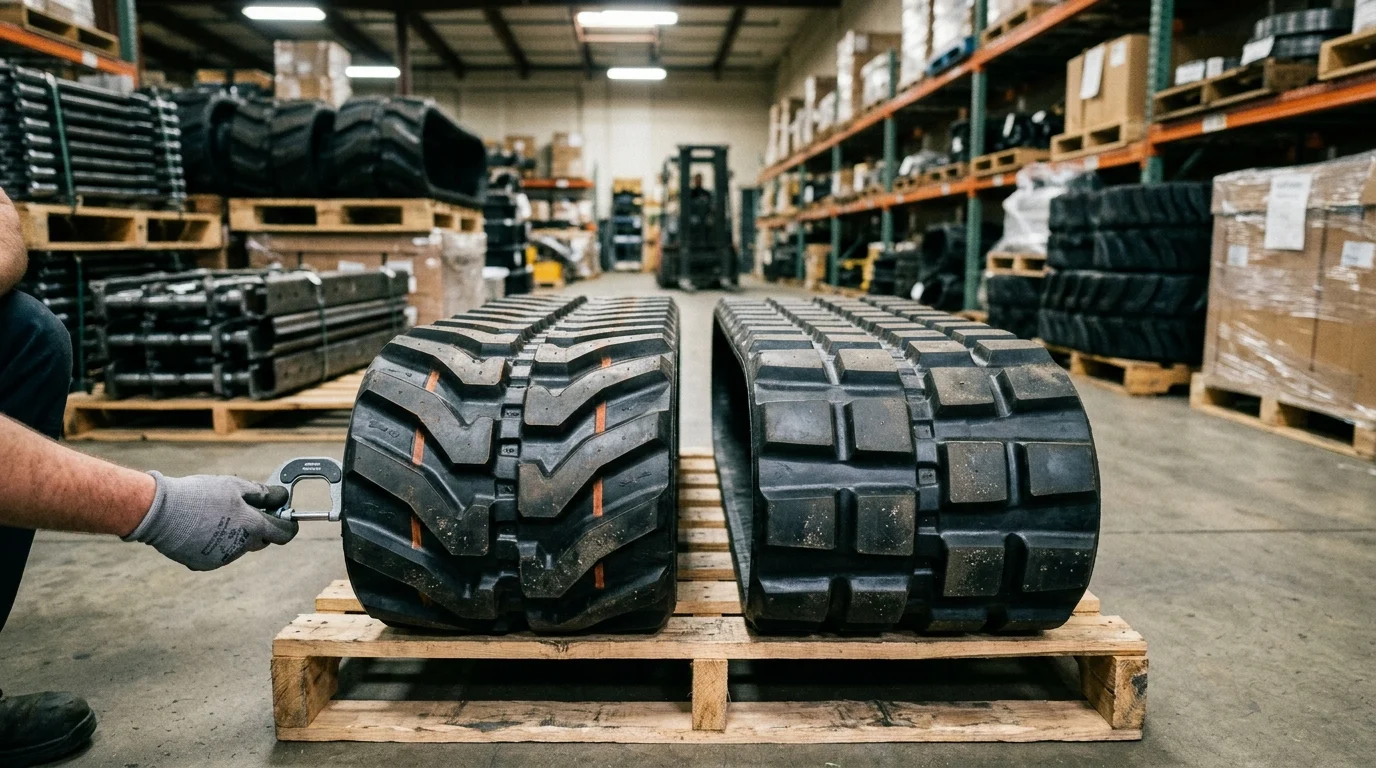
Selecting the correct equipment—whether consulting OEM catalogs or evaluating aftermarket rubber pad options—requires a careful evaluation of specific operational needs. Not all aftermarket pads are manufactured to the same rigorous standards, and choosing an improper attachment style or sub-par rubber compound can lead to premature failure and costly machine downtime.
To make an informed comparison across various suppliers, buyers should analyze internal material specifications and physical mounting mechanisms. It is highly recommended to vet suppliers by requesting CAD drawings, cross-checking interchange tables with the machine’s undercarriage manual, and reviewing material test reports or sample-test programs before committing a procurement budget.
Specifications to Check Before Buying
The longevity of a rubber pad is heavily dependent on the quality of its rubber compound and the integrity of its internal steel core. When reviewing manufacturer specifications, a Shore A hardness rating between 75 and 85 (often measured via ASTM D2240 standards) is generally ideal as a baseline guide. This specific range provides a strong compromise between flexibility for shock absorption and rigid durability for wear resistance.
Additionally, a minimum tensile strength of 18 MPa (commonly tested under ASTM D412) helps ensure the pads will not tear, chunk, or shred when navigating over sharp debris like crushed concrete or exposed rebar. These ranges serve as general guidance rather than absolute requirements for every application. The internal steel plate must also be treated with advanced chemical bonding agents to prevent delamination. Delamination is a common defect in budget-tier pads that often appears prematurely—sometimes after just a few hundred hours of heavy use—rendering the pad useless.
Bolt-On vs Clip-On Rubber Pads
The choice of attachment method directly dictates installation efficiency and long-term track stability. Two distinct styles are primarily evaluated for fleets: bolt-on and clip-on pads. Bolt-on pads attach directly through pre-drilled holes in the steel grouser shoe, offering a highly secure fit ideal for permanent applications, though they are less suited to frequent removal. Conversely, clip-on pads attach to the sides of the steel shoe using a specialized bracket system, making them practical for machines that frequently alternate between dirt trenches and paved environments. However, clip-on pads can shift in high-torque or rocky conditions, and both styles require compatible grouser profiles to ensure a secure fit.
| Attachment Type | Estimated Install Time (Per Pad)* | Best Application | Estimated Cost Premium* |
|---|---|---|---|
| Bolt-On | 5-8 minutes | Permanent / Heavy-duty | Baseline (0%) |
| Clip-On | 2-4 minutes | Temporary / Mixed-use | +15% to 20% |
*Note: Install times and cost premiums are rough estimates that vary significantly by supplier, machine model, and technician experience.
Bolt-on configurations are generally recommended for dedicated urban fleets where stability is paramount, while clip-on variants offer the necessary versatility for mixed-contractors who need to transition rapidly between different job site terrains.
How to Source, Install, and Choose the Right Pads
Successfully integrating rubber pads into an equipment fleet goes far beyond simply selecting a product from a catalog.
Key Takeaways
- Use 700mm rubber pads on compatible steel track shoes when working on asphalt, concrete, landscaped areas, or urban sites that restrict bare steel tracks.
- Expect rubber pads to increase overall track width and ground contact area, so confirm transport limits before moving the machine.
- Recheck and recalibrate track tension after installation because the added pad weight can affect undercarriage performance.
- High-quality pads can help lower effective ground pressure to illustrative ranges around 35 to 40 kPa, depending on machine weight, compound, and OEM guidance.
- Rubber pads can reduce operating noise by an estimated 10 to 15 decibels and may extend undercarriage component life by up to 25% in suitable applications.
- Avoid prolonged exposure to oil, hydraulic fluid, excessive heat, and UV light to slow rubber degradation and protect service life.
Frequently Asked Questions
What are 700mm excavator rubber pads used for?
They are add-on pads fitted over 700mm steel track shoes to protect paved, landscaped, and finished surfaces while improving comfort, grip, and noise control.
Do rubber pads replace steel excavator tracks?
No. These pads are covers mounted to existing 700mm steel track shoes, not full replacement rubber tracks.
Which machines commonly use 700mm excavator pads?
They are typically used on mid-sized to heavy excavators, often in the 20 to 35-tonne class, depending on the machine and track shoe specification.
Can rubber pads reduce damage to asphalt and concrete?
Yes. By spreading machine weight over a wider contact area, rubber pads help reduce rutting, cracking, spalling, and costly surface repairs.
How do rubber pads improve operator comfort?
The rubber layer absorbs vibration from steel tracks, reducing cabin harshness, operator fatigue, and noise during long shifts.
Post time: Jul-14-2026