Introduction
Selecting 700mm rubber tracks affects far more than simple fitment: it changes how an excavator handles load distribution, traction, flotation, and surface protection across demanding job sites. This article explains where 700mm tracks are typically used, which machine classes and working conditions they suit, and how width, tread pattern, pitch, and durability features influence performance. You’ll also learn the key specification checks that help avoid compatibility issues and premature wear, so you can compare options with a clearer understanding of what matters before moving into the detailed selection criteria.
Why 700mm Rubber Tracks Matter
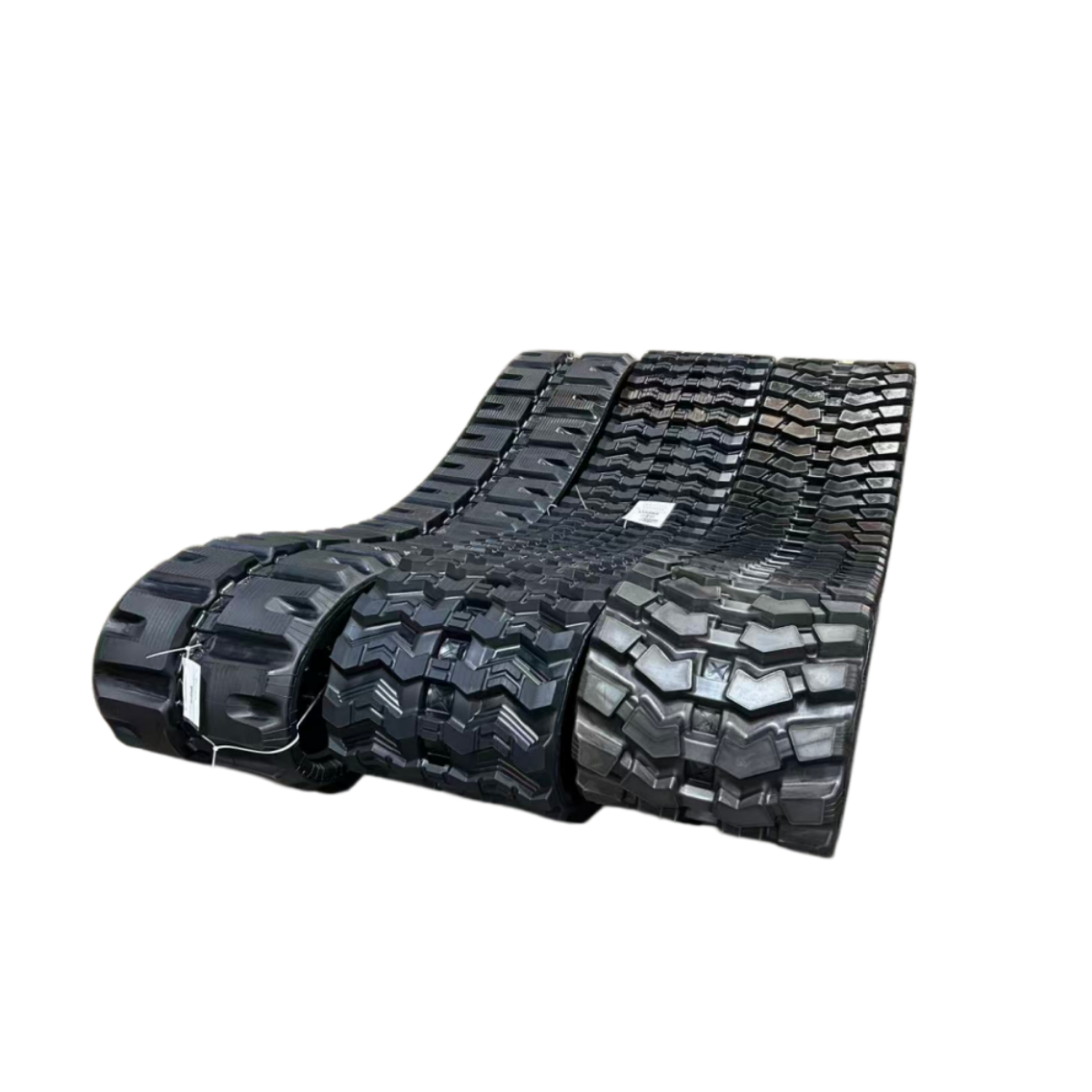
The deployment of 700mm rubber tracks represents a critical engineering choice for heavy equipment operators seeking to balance high-capacity traction with minimal surface disruption. Primarily utilized on mid-sized to large excavators and specialized tracked carriers, this specific width provides a massive footprint that dramatically alters the machine’s operational capabilities. By distributing the equipment’s substantial weight over a broader surface area, these tracks mitigate the localized ground pressure that typically causes substrate failure.
Industries such as utility infrastructure, pipeline construction, and urban development heavily rely on this specification to navigate challenging terrains. The transition from standard widths to a 700mm profile is not merely an aesthetic or minor upgrade; it is a fundamental shift in how the machinery interacts with the earth, directly impacting project efficiency and environmental compliance.
Definition and Fit
Measuring exactly 700 millimeters in width, these tracks are generally engineered for machinery falling within the 7- to 12-metric-ton operating class. The sizing nomenclature typically follows a Width x Pitch x Links format, such as 700x100x80, where the 100mm pitch and 80 internal links dictate the exact geometric fit over the undercarriage sprockets. Equipping an 8-ton excavator with 700mm tracks can reduce ground bearing pressure to as low as 0.35 kg/cm², a critical metric when operating on soft soils, wet mud, or engineered substrates.
Proper fitment extends beyond the nominal external dimensions. The internal core metals must align precisely with the machine’s roller flange width and sprocket tooth profile. Incompatibilities in the guide lug dimensions can lead to immediate detracking or accelerated wear of the undercarriage components, rendering the wide footprint ineffective and risking severe mechanical downtime.
Best Operating Conditions
The primary advantage of the 700mm width emerges in environments where surface preservation and flotation are non-negotiable. Urban construction sites, finished asphalt roadways, and sensitive turf applications demand the shock-absorbing and non-marring characteristics of rubber. Unlike their steel counterparts, which easily fracture concrete and tear root systems, rubber tracks allow heavy equipment to maneuver through established infrastructure without necessitating costly post-project surface remediation.
Furthermore, the operational temperature envelope for premium natural and synthetic rubber blends spans from -25°C to +55°C. Operating within these thermal parameters ensures the rubber compound maintains its elasticity and resists chunking. In highly abrasive environments like blasted rock or demolition debris, however, the large surface area of a 700mm track becomes a liability, increasing the probability of deep lacerations and premature core exposure.
How to Compare 700mm Rubber Tracks
Evaluating 700mm rubber tracks requires procurement specialists and fleet managers to look beyond the external dimensions and scrutinize the internal architecture. Because these massive tracks support significant dynamic loads and transfer immense torque to the ground, the variance in manufacturing quality directly impacts the total cost of ownership and overall machine uptime.
A rigorous comparison methodology ensures that the selected track aligns with the specific durability requirements of the fleet, preventing premature failures that disrupt project timelines.
Key Specifications
The structural integrity of a 700mm track relies heavily on its internal steel cabling. Modern premium tracks utilize Continuous Steel Cord (CSC) technology, which eliminates overlapping joints—historically the most common point of catastrophic track failure. High-tensile steel cables are vulcanized within the rubber, providing the necessary longitudinal strength to handle the extreme torque generated by 10-ton excavators.
| Specification Feature | Standard 700mm Track | Premium 700mm Track |
|---|---|---|
| Cable Construction | Overlapped Steel Cords | Continuous Steel Cords (CSC) |
| Rubber Hardness | 55-60 Shore A | 60-65 Shore A |
| Average Weight | 420-450 kg | 480-520 kg |
| Expected Lifecycle | 1,000 – 1,500 hours | 2,000 – 2,500+ hours |
Additionally, the rubber compound’s durometer rating is a vital specification. A hardness of 60 to 65 Shore A is typically targeted for the tread area to resist abrasion while maintaining enough flexibility to prevent cracking around the drive sprockets. Formulations lacking adequate carbon black or anti-ozone additives will degrade rapidly under intense ultraviolet exposure.
Comparison Criteria
When comparing different models, the tread pattern—or lug design—serves as a primary differentiator. Staggered block patterns offer a smoother ride on hard surfaces, significantly reducing whole-body vibration for the operator and protecting sensitive machine electronics, whereas C-lug or aggressive V-patterns provide superior self-cleaning capabilities and traction in deep mud. The choice of pattern must align strictly with the fleet’s primary operational environment.
Another critical comparison criterion is the warranty and expected lifecycle. While budget tracks may offer lower upfront costs, they often feature thinner rubber profiles covering the internal steel core. A premium 700mm track, weighing upwards of 500 kg due to denser rubber and thicker steel links, can easily exceed 2,000 operating hours if properly maintained. Procurement teams must calculate the hourly operating cost rather than focusing solely on the initial unit price.
Sourcing and Implementing 700mm Rubber Tracks
Successfully integrating 700mm rubber tracks into an equipment fleet demands a rigorous approach to sourcing, quality verification, and installation. Establishing a reliable supply chain prevents costly downtime and ensures that the heavy-duty tracks perform to their engineered specifications throughout their intended lifecycle.
Navigating the global market for undercarriage components requires a strategic balance between capital expenditure constraints and the technical demands of the machinery.
Procurement and Verification Steps
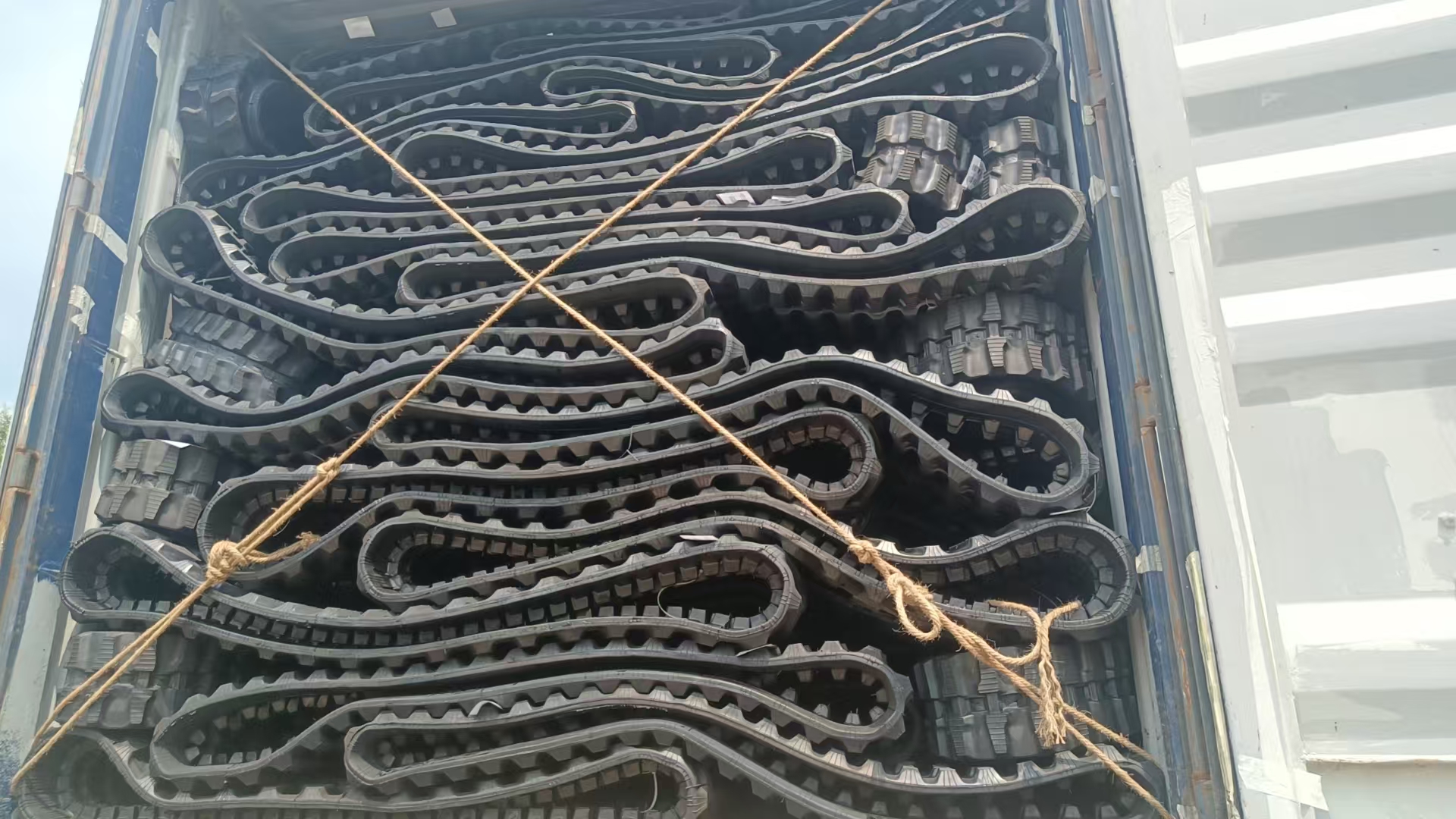
Strategic procurement of heavy-duty rubber tracks involves auditing suppliers for manufacturing consistency, ISO 9001 certification, and logistical reliability. For fleet managers ordering in bulk, typical lead times for Full Container Load (FCL) shipments range from 30 to 45 days, depending on the origin port and customs clearance protocols. Establishing Minimum Order Quantities (MOQs) with direct manufacturers can significantly reduce per-unit costs, but it requires rigorous pre-shipment quality control.
Verification steps should include requesting documentation on factory defect rates, which should strictly remain below the industry benchmark.
Key Takeaways
- The most important conclusions and rationale for 700mm rubber tracks
- Specs, compliance, and risk checks worth validating before you commit
- Practical next steps and caveats readers can apply immediately
Frequently Asked Questions
What does a 700mm rubber track size mean?
It means the track is 700mm wide. Confirm the full size code too, such as width x pitch x links, because all three must match your excavator undercarriage.
Which machines usually use 700mm rubber tracks?
They are commonly fitted to mid-sized excavators in the 7- to 12-ton class. Always verify your machine model, pitch, links, and guide-lug fit before ordering.
When are 700mm rubber tracks the best choice?
They work best on soft ground, wet soil, asphalt, concrete, and turf where low ground pressure and surface protection matter. Avoid sharp demolition debris and blasted rock when possible.
How can I compare 700mm rubber tracks before buying?
Check size accuracy, cable construction, rubber hardness, tread pattern, and expected service life. For Gator Track orders, provide your machine model and full track code to confirm fitment.
Can Gator Track supply more than just 700mm excavator tracks?
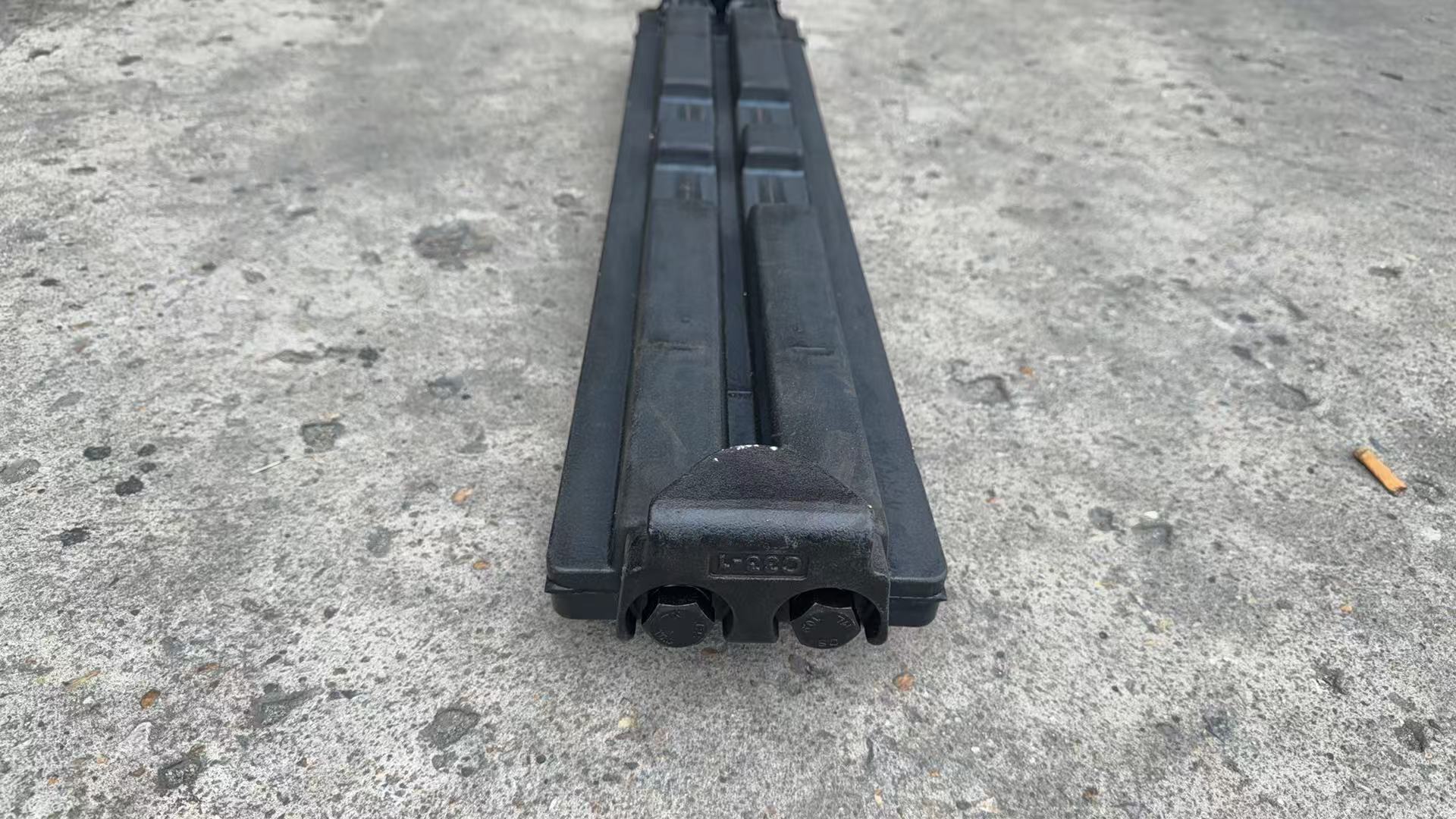
Yes. Gator Track also manufactures excavator pads, skid steer tracks, dumper tracks, agricultural tracks, ASV tracks, and bolt-on, clip-on, or chain-on rubber pad options.
Post time: Apr-24-2026