Why 500x90x82 Rubber Track Fit Matters for Yanmar
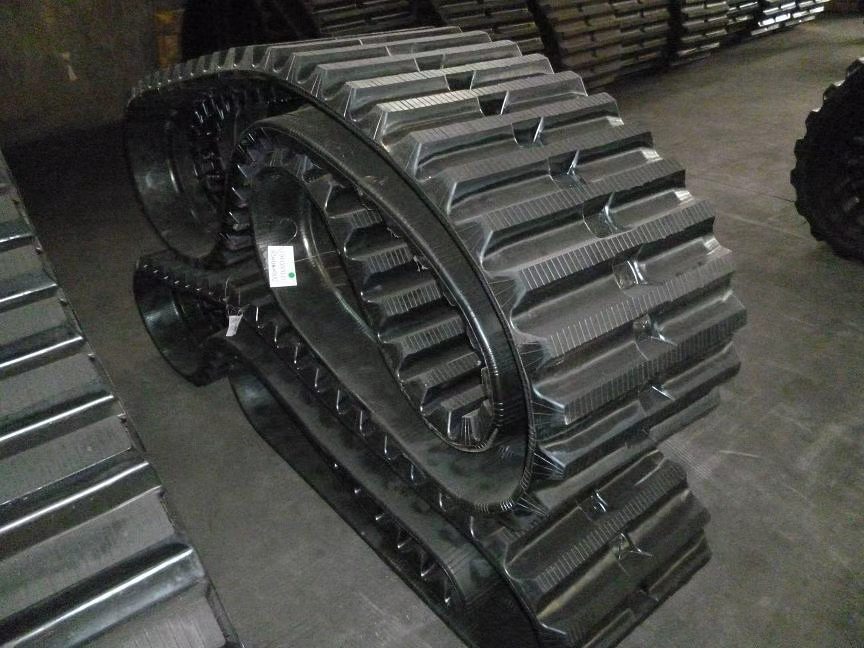
When operating heavy machinery like the Yanmar C50R, C50R-2, or YFW-45-R, achieving optimal traction is non-negotiable. These robust dumpers frequently transport payloads exceeding 4,000 kilograms across muddy or abrasive terrains. The longevity of a carrier dumper relies heavily on selecting precise undercarriage components, as fitment can vary based on specific serial numbers and model years. While the 500X90X82 track is engineered to handle the intense payload requirements and torque output of these Yanmar models, buyers must always cross-reference their machine’s serial number with OEM part numbers to confirm compatibility before purchasing. When properly matched, these tracks ensure maximum stability without compromising the drive system’s integrity.
How to Read the 500x90x82 Track Size
Decoding the specification is the first critical step to ensuring flawless compatibility. Size markings are typically stamped into the inside rubber of the track, though they can fade over time on worn components. The measurement 500x90x82 dictates the exact physical dimensions required to mate with the dumper’s sprockets and rollers. The first number, 500, represents the track width in millimeters. This expansive 500mm profile distributes the gross vehicle weight over a larger area, significantly reducing ground pressure to prevent a fully loaded dumper from sinking in soft soils. The second number, 90, indicates the pitch—the precise distance in millimeters between the centers of each embedded metal core. Finally, 82 denotes the total number of drive lugs inside the continuous rubber loop.
Risks of Choosing the Wrong Track Specification
Deviating from these exact measurements introduces severe operational hazards. Installing a Yanmar carrier dumper track with a mismatched pitch, even by a small margin of 1 to 2 millimeters, accelerates sprocket wear and degrades undercarriage health. Furthermore, incorrect link counts prevent the tensioning cylinder from achieving the correct pressure. If the track is too loose, operators risk catastrophic de-tracking during side-hill maneuvers. Conversely, if the fit is too tight, excessive tension places severe hydrostatic load on the drive motors, potentially leading to premature mechanical failure and thousands of dollars in unplanned downtime.
How to Compare 500x90x82 Rubber Track Construction
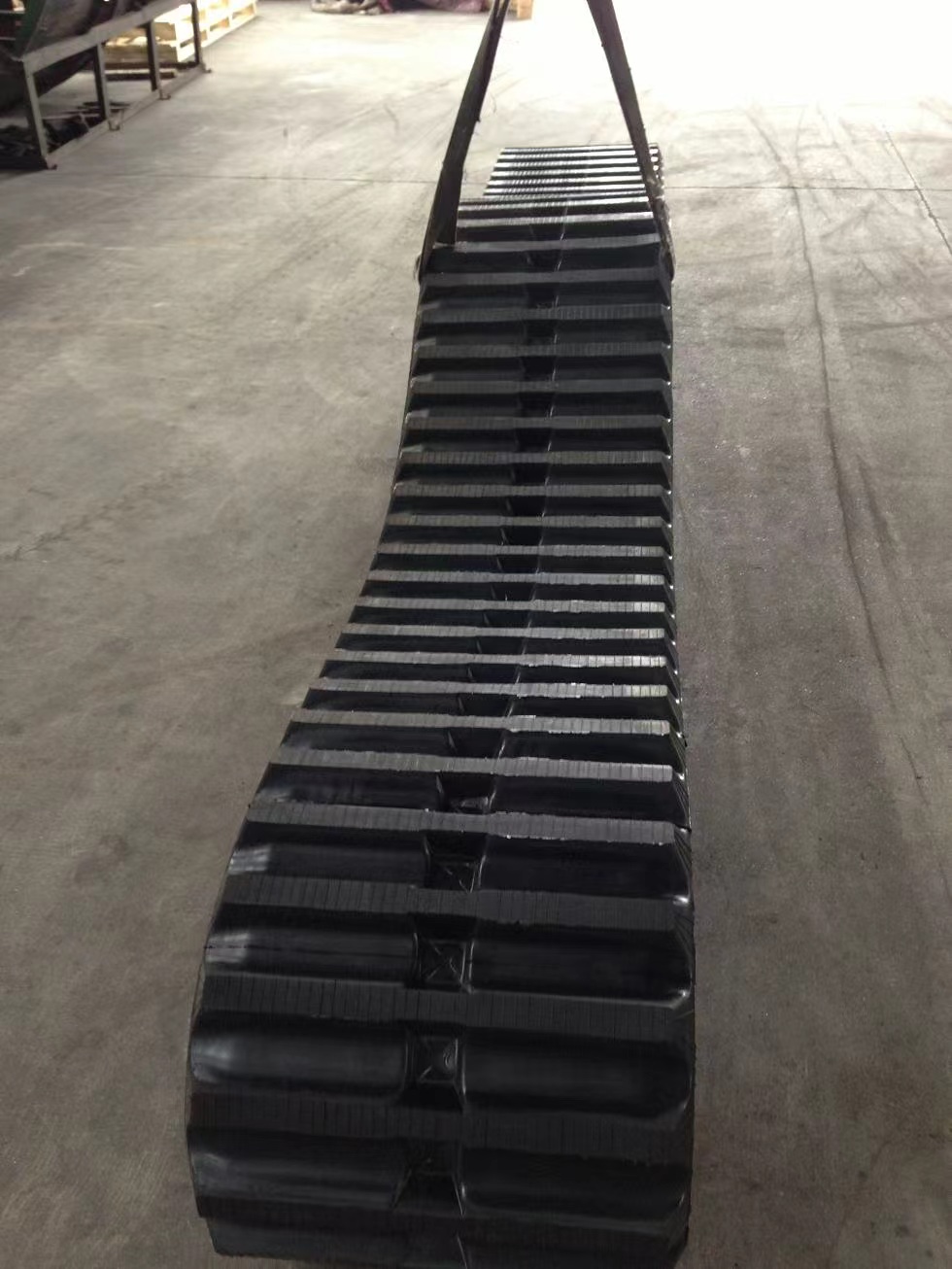
Beyond the external dimensional fit, internal architecture and chemical composition dictate the track’s true operational lifespan. Premium aftermarket options prioritize advanced vulcanization techniques and continuous steel cord technology. These internal components form the unseen backbone, preventing snap-offs and ensuring heavy equipment operates smoothly under maximum payload stress.
Tread Pattern and Material Comparison
The tread pattern and specific rubber compound blend are the primary defenses against worksite hazards like jagged rocks and abrasive gravel. For Yanmar carrier dumpers operating in mixed debris, industry experts often recommend a staggered block tread pattern to maximize self-cleaning capabilities while minimizing track-induced machine vibration and undercarriage stress. Below is a comparison of standard material specifications often evaluated when sourcing high-end undercarriage components:
| Feature | Standard Aftermarket | Premium 500x90x82 | Impact on Performance |
|---|---|---|---|
| Rubber Blend | Standard Ratio | Optimized High-Natural Rubber Ratio | Higher natural rubber ratio severely reduces chunking. |
| Steel Cord | Standard diameter | Enhanced continuous diameter | Increases overall tensile strength. |
| Core Treatment | Standard bonding agents | Advanced vulcanized coating | Prevents moisture intrusion and internal rusting. |
| Tooling | Standard molds | Precision/Updated Tooling | Ensures precise lug dimensions and eliminates flashing. |
By utilizing premium blends, tracks remain pliable in cold weather while resisting the tearing forces common on demolition sites.
How to Assess Manufacturer Quality
Assessing a manufacturer’s internal production standards is just as crucial as verifying physical specifications. Strict adherence to an ISO 9001 quality control system serves as a strong voluntary benchmark for reliable performance. Throughout the procurement, processing, and vulcanization stages, rigorous oversight ensures that every C50R track meets exact engineering tolerances. Utilizing state-of-the-art, updated tooling helps eliminate the micro-fissures and dimensional warping that can occur during production. When evaluating a supplier, look for red flags such as vague warranty terms or an inability to provide OEM cross-reference data. Always verify their curing temperatures, ask detailed questions about their raw material inspection protocols, and compare the warranty coverage of aftermarket options against OEM standards.
Buying, Installation, and Lifecycle Checklist
Procurement strategies, logistical planning, and proper installation procedures form the final pillars of maximizing an undercarriage investment. Utilizing a comprehensive rubber track buyer guide ensures buyers account for all variables, including freight lead times, minimum order quantities (MOQs), and total lifecycle maintenance costs. Considering a single 500x90x82 track can weigh approximately 300 to 400 kilograms depending on the specific internal build, coordinating heavy LTL freight delivery is a critical logistical step.
Sourcing and Fitment Checklist
Before mounting newly acquired tracks, a thorough inspection of the existing undercarriage is required. Installing pristine rubber over worn sprockets or seized rollers will degrade the new material rapidly. It is advisable to check the sprocket teeth for sharp, “hooked” edges; if significant wear is present, they should be replaced simultaneously. Upon installation, achieving the correct tension is vital. For a heavy-duty 500x90x82 specification, operators should consult the specific Yanmar service manual for their exact model year to determine the correct sag measurement at the center roller when the machine is elevated off the ground. While a practical rule of thumb for many mid-sized carrier dumpers is maintaining 15mm to 25mm of sag, operators must always defer to the OEM manual. Adhering to the manufacturer’s specified tension bandwidth prevents drive motor strain and derailment.
How to Make the Final Track Decision
Making the final purchasing decision requires balancing upfront invoice costs with long-term durability. While economy tracks might offer a lower initial price, their average lifespan often caps prematurely due to inferior rubber blends. In stark contrast, investing in a premium C50R track manufactured with virgin natural rubber and continuous steel cords typically yields significantly longer, highly reliable service. Buyers are encouraged to calculate the total cost per operating hour and evaluate comprehensive warranty terms.
Key Takeaways
- Confirm the 500 mm width, 90 mm pitch, and 82-link count before ordering a replacement track for a Yanmar carrier dumper.
- Cross-reference your machine serial number and OEM part information because Yanmar fitment can vary by model year and production range.
- Avoid even small pitch mismatches, as a 1–2 mm error can accelerate sprocket wear and damage the undercarriage.
- Choose premium construction features such as continuous steel cords and quality vulcanization when the dumper regularly carries heavy payloads.
- Select a tread pattern based on terrain, with staggered block designs offering a strong balance of traction, self-cleaning, and vibration control.
- Inspect track tension and wear regularly to reduce de-tracking risk, drive motor strain, and unplanned downtime.
Frequently Asked Questions
What does 500x90x82 mean on a rubber track?
The size means the track is 500 mm wide, has a 90 mm pitch between drive lugs, and contains 82 internal drive links. All three numbers must match your machine requirements.
Which Yanmar carrier dumper models commonly use 500x90x82 tracks?
This size is commonly associated with Yanmar carrier dumpers such as the C50R, C50R-2, and YFW-45-R, but compatibility can vary by serial number and model year.
Why should I verify the serial number before buying?
Serial number verification helps confirm OEM fitment because undercarriage specifications can change between production years. It reduces the risk of ordering a track with the wrong pitch, width, or link count.
What happens if the pitch is slightly wrong?
Even a 1–2 mm pitch mismatch can accelerate sprocket wear, create poor engagement, and stress the undercarriage. Over time, it may lead to costly downtime or drive system damage.
Is a wider 500 mm track better for soft ground?
Yes. A 500 mm track spreads machine weight over a larger surface area, helping reduce ground pressure and improve flotation when hauling heavy loads across mud or loose soil.
Post time: Oct-21-2026