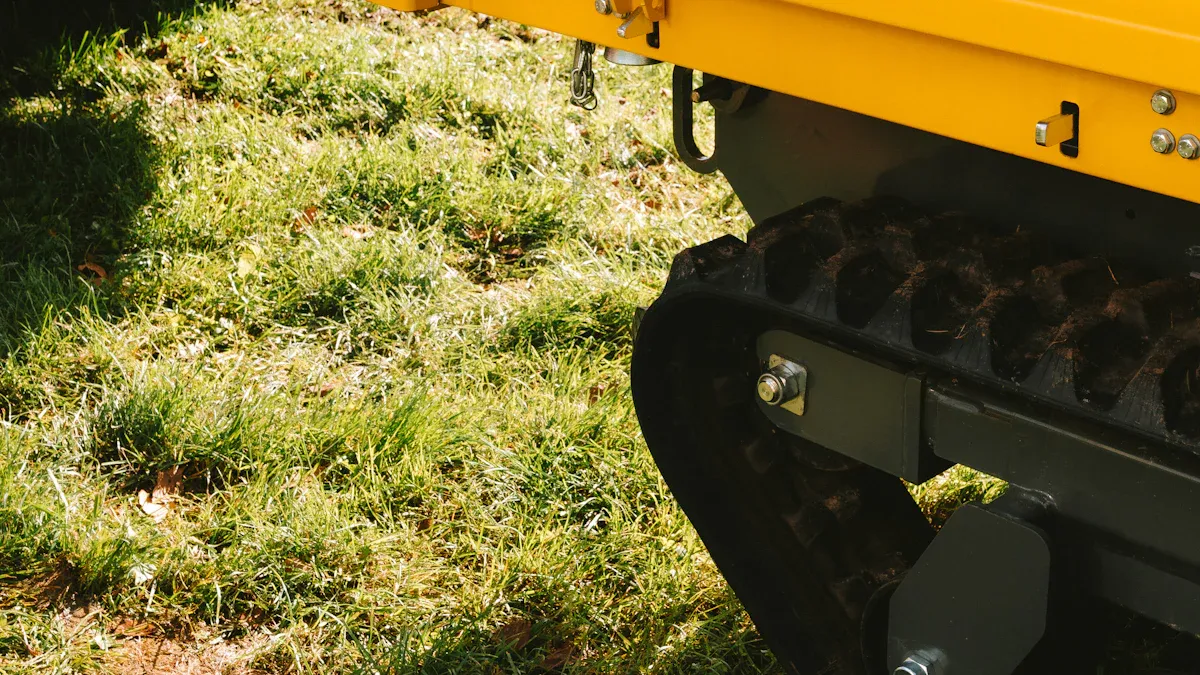
Advancements in skid steer loader tracks significantly boost productivity in various industries. With recent innovations, these tracks now feature advanced rubber compositions and smart monitoring systems. Such technologies enhance performance and durability. Additionally, they lead to reduced operational costs, making them a cost-effective solution for businesses.
Key Takeaways
- Upgrading to advanced skid steer loader tracks boosts productivity and reduces operational costs.
- Choosing the right track material based on terrain can enhance performance and extend track lifespan.
- Regular inspections and maintenance of tracks prevent costly repairs and ensure efficient operation.
Latest Features of Skid Steer Loader Tracks
Advanced Tread Patterns
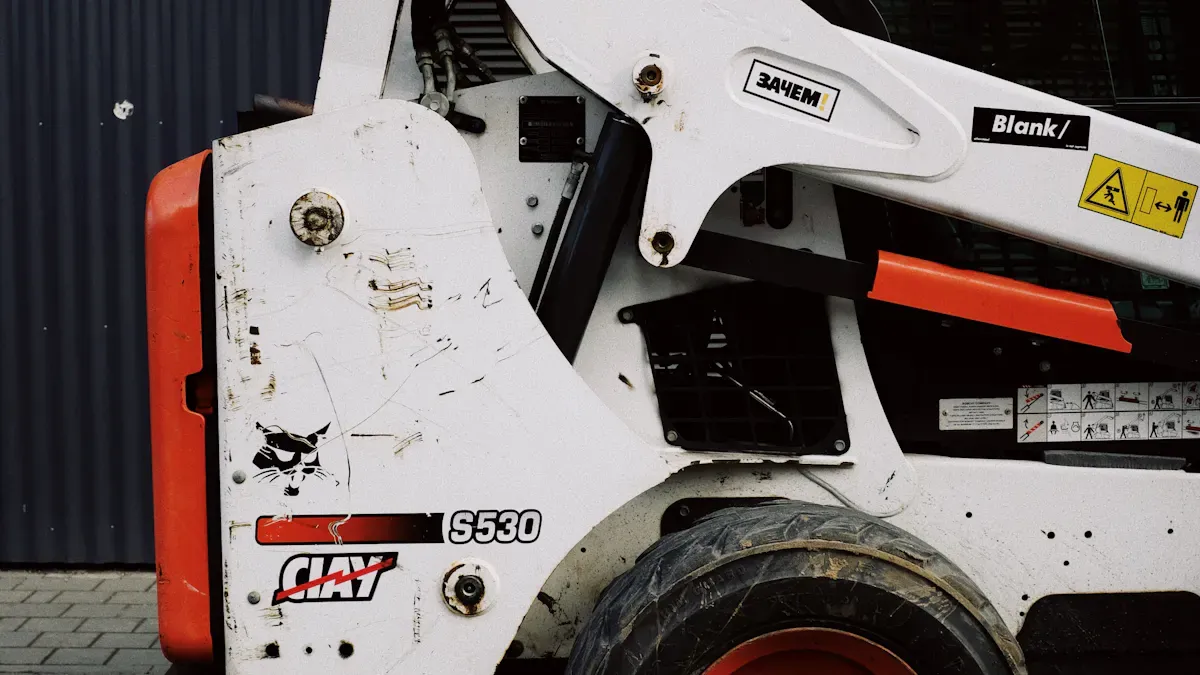
The tread patterns on skid steer loader tracks have evolved significantly. I have found that modern designs enhance traction and efficiency across various terrains. For instance, the Terrapin Pattern offers versatility and reduces vibration, making it ideal for uneven surfaces. The Technology Design Formulation (TDF) Pattern excels under heavy workloads, outperforming traditional OEM tracks and extending their lifespan. Additionally, the Zigzag Pattern is perfect for wet conditions, providing superior traction in mud and snow, although it may increase vibration on hard surfaces.
Here’s a quick overview of some tread pattern benefits:
- E3/L3+ lug patterns: Excellent resistance to cuts and penetrations; minimizes vibration.
- Self-cleaning treads: Ejects mud, rocks, and debris; maintains consistent traction.
- Deep tread designs: Extended wear life; additional protection against punctures.
- Specialized siping: Enhances grip on wet surfaces; maintains durability.
These advancements not only improve traction but also contribute to better fuel efficiency. Studies show that optimized lateral tread designs can decrease fuel consumption by 3-7% compared to aggressive lug patterns on hard surfaces.
High-Durability Materials
The materials used in skid steer tracks have also seen significant advancements. Manufacturers now utilize high-durability materials that enhance the lifespan and performance of the tracks. For example, rubber tracks typically last between 1,200 to 1,600 hours, while steel tracks can exceed 2,500 hours. This difference in durability makes steel tracks more suitable for rocky or harsh terrains, while rubber tracks perform better in softer soils.
Here’s a comparison of track types:
| Track Type | Lifespan (Hours) | Durability | Terrain Suitability |
|---|---|---|---|
| Rubber | 1,200-1,600 | Less durable | Softer Soils |
| Steel | 2,500+ | More durable | Rocky/Harsh |
Choosing the right material based on the job site conditions can significantly impact productivity and reduce operational costs.
Innovative Design Elements
Recent innovations in design have also improved operator comfort and safety. Features like the IdealTrax system automatically adjust track tension, prolonging track life by up to 15%. This system simplifies maintenance by relieving tension when the machine is turned off, making it easier to clean and inspect the tracks.
Other notable design improvements include:
- Larger cab design with 22% more overall volume.
- 26% additional foot space for improved comfort.
- Increased interior width by 2.75 inches, enhancing operator space.
These enhancements not only make the operator’s experience more comfortable but also contribute to better focus and efficiency on the job.
Performance Across Various Terrains
Traction in Mud and Snow
I have often found that skid steer rubber tracks excel in muddy and snowy conditions, thanks to their advanced tread patterns. These patterns enhance traction and stability, which are crucial for effective operation in challenging environments. For instance, tracks designed with optimized tread patterns significantly improve grip on slippery surfaces. This design increases the contact area, enhancing flotation and maneuverability, especially during agricultural tasks in muddy conditions.
In my experience, tracks with zigzag tread patterns provide superior traction in snow. They maintain grip and control, which is essential for snow clearing operations. The self-cleaning capabilities of these tracks prevent mud buildup, ensuring consistent performance. Advanced designs, like those featuring strategically placed lugs and channels, effectively expel mud, allowing operators to maintain momentum without getting stuck.
Research supports my observations, indicating that tracked skid steer loaders outperform wheeled models in snow. The tread patterns optimized for snow provide better traction, while wheeled machines are more cost-effective on paved surfaces. This distinction highlights the importance of selecting the right track design based on the specific job site conditions.
Efficiency on Hard Ground
When it comes to hard ground, the choice of track material plays a significant role in performance. I have noticed that rubber tracks provide high traction and cushioning, making them suitable for various hard surfaces. They offer superior comfort and consistent performance, which is vital for long hours of operation. In contrast, steel tracks, while more durable, can lead to a harsher ride and increased maintenance needs.
Here’s a quick comparison of track materials and their performance on hard surfaces:
| Track Material | Key Properties | Performance Impact |
|---|---|---|
| Asphalt | Durable, affordable, moderate traction | Can reduce comfort and increase injury risk due to hardness; prone to cracking and requires maintenance. |
| Rubber | High traction, cushioning, weather-resistant | Provides superior comfort and performance consistency; easy to maintain and repair. |
| Steel | Extremely durable, heavy-duty | Excellent for rocky terrains but can be harsh on softer surfaces. |
From my observations, excavator tracks are particularly effective on hard ground, as they minimize wear and tear while maximizing efficiency. Their ability to absorb shocks enhances operator comfort, allowing for longer work periods without fatigue.
Versatility in Mixed Environments
Skid steer loader tracks demonstrate remarkable versatility across mixed environments, such as construction sites and agricultural fields. I have seen firsthand how different tread patterns cater to various terrains. For example, the C-Lug Pattern provides a strong grip that minimizes slips, making it ideal for construction tasks. Meanwhile, the Block Pattern excels in soft terrains like mud and snow, preventing the vehicle from sinking during agricultural tasks.
The Multi-Bar Pattern stands out for its enhanced grip in agricultural fields, ensuring safety and performance in challenging conditions. This adaptability allows operators to switch between tasks without needing to change equipment, ultimately improving productivity.
Maintenance and Longevity of Skid Steer Loader Tracks
Importance of Proper Sizing and Fitment
I have learned that proper sizing and fitment of skid steer loader tracks are crucial for optimal performance and longevity. Incorrectly sized tracks can lead to excessive wear and poor traction. The right track size ensures proper engagement and reduces the risk of damage to the undercarriage. Choosing between wide and narrow tracks affects flotation and traction based on the work environment. Here’s a quick reference table for recommended sizing:
| Brand | Track Type | Recommended Use | Width Options | Tread Patterns |
|---|---|---|---|---|
| CAT | General Duty | Fewer operating hours | Narrow or Wide | Bar or Block |
| Heavy Duty | More demanding work | Narrow or Wide | Bar or Block | |
| Case | Various | Match tread pattern to work environment | N/A | Aggressive or Smooth |
| New Holland | Various | Different ground conditions | N/A | N/A |
| Kubota | N/A | Seamless with undercarriage systems | N/A | N/A |
Signs for Track Replacement
Recognizing when to replace skid steer loader tracks can save time and money. I keep an eye out for several key indicators:
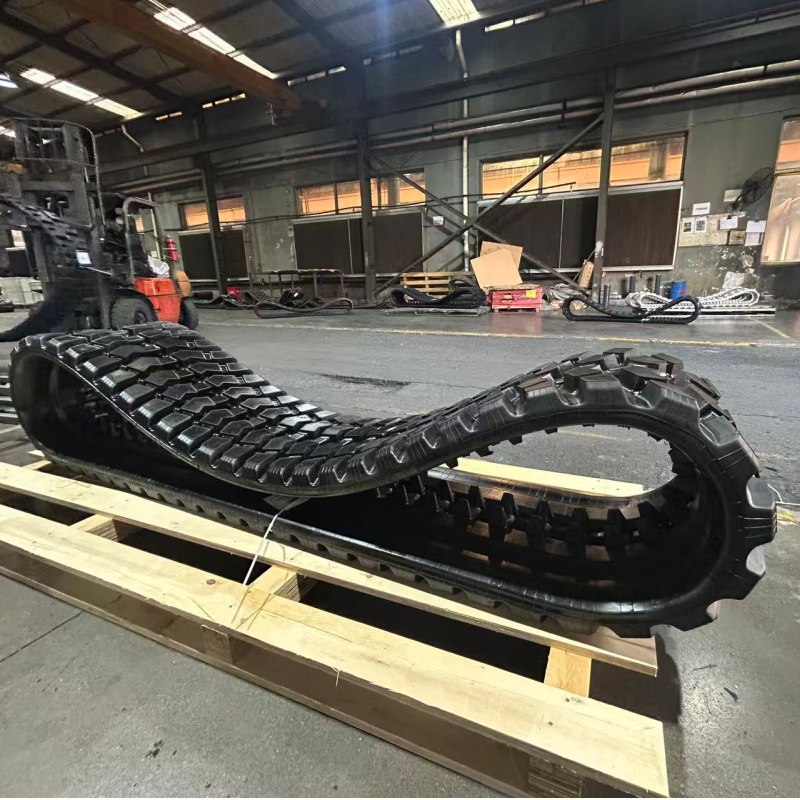
- Damage: Look for cracks, missing lugs, or visible steel cording.
- Tread depth: Ensure tracks maintain a tread depth of around 1 inch.
- Sprockets: Check for wear that can lead to broken teeth and derailments.
- Tension: Monitor for loose or overly tight tracks.
Addressing these signs promptly can prevent further damage and maintain operational efficiency.
Regular Inspection Benefits
Regular inspections of skid steer loader tracks yield numerous benefits. I have found that they significantly reduce repair needs by catching minor issues early. This proactive approach prevents them from escalating into costly major repairs. Here’s a summary of the benefits:
| Benefit | Explanation |
|---|---|
| Reduced repair needs | Catching minor issues early prevents them from escalating into costly major repairs. |
| Improved efficiency | Well-maintained equipment operates more efficiently, leading to cost savings and better performance. |
| Less downtime | Preventing major breakdowns minimizes equipment downtime, ensuring projects stay on schedule. |
In my experience, regular maintenance reduces wear and tear, minimizes the risk of costly repairs, and extends the operational life of the equipment.
Upgrading to advanced skid steer loader tracks offers numerous benefits. These tracks enhance durability, reduce downtime, and improve overall efficiency. For instance, innovations like self-healing compounds and smart track systems minimize maintenance needs and optimize performance. I encourage you to explore these advancements to boost your operational efficiency and productivity.
FAQ
What are the benefits of using advanced skid steer loader tracks?
Advanced tracks enhance durability, improve traction, and reduce operational costs, leading to increased productivity on various job sites.
How often should I inspect my skid loader tracks?
I recommend inspecting tracks every 50 hours of operation to catch potential issues early and maintain optimal performance.
Can I use rubber tracks on all terrains?
While rubber tracks excel in softer soils, they may not perform as well on rocky terrains compared to steel tracks. Choose based on your specific job site conditions.
Post time: Apr-03-2026