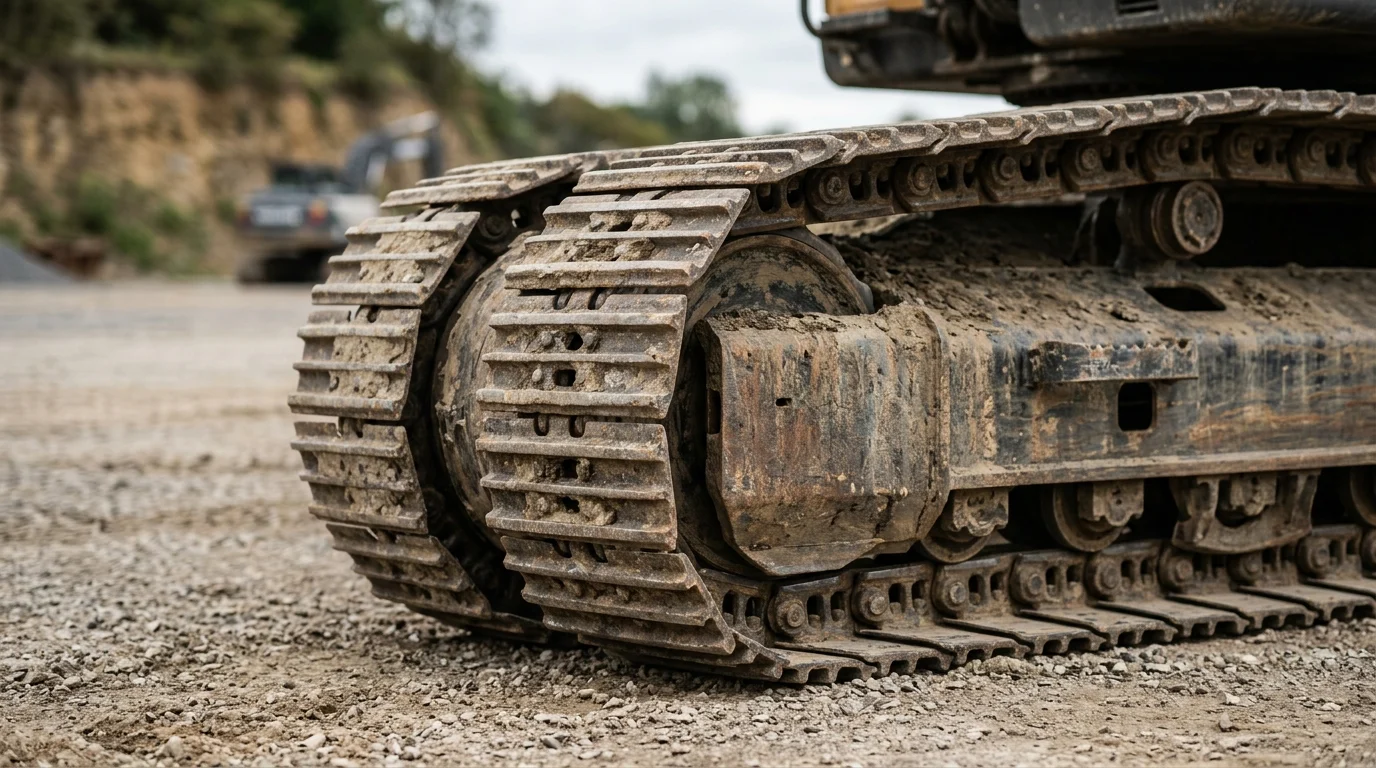
Introduction
For contractors, fleet managers, and parts distributors, excavator tracks are a major undercarriage expense that directly affects uptime and operating margins. Buying replacement tracks in bulk can change that equation by lowering unit pricing, reducing freight and procurement costs, and helping teams avoid costly emergency orders when machines are down. This article explains where the savings come from, how volume purchasing supports better inventory planning, and what to consider when comparing track types, materials, and supplier terms. With that context, the discussion can move from simple price comparison to total ownership cost and smarter replacement planning.
Why Bulk-Buy Excavator Tracks Reduce Cost
Undercarriage components historically account for up to 50% of the total lifetime maintenance costs for tracked heavy machinery. When fleet managers and heavy equipment distributors transition from reactive, single-unit replacements to proactive bulk purchasing of excavator tracks, the financial dynamics shift significantly in favor of the buyer.
Procuring these heavy-duty components at scale leverages manufacturing efficiencies and optimizes complex global logistics networks, fundamentally lowering the total cost of ownership across large equipment fleets.
Impact on undercarriage cost
Consolidating orders directly impacts the baseline cost of undercarriage systems. Manufacturers typically offer tiered pricing structures based on specific Minimum Order Quantities (MOQs). For instance, securing a bulk order of 20 to 50 track sets can yield unit cost reductions ranging from 15% to 25% compared to ad-hoc retail pricing. Furthermore, ocean freight and inland transportation costs are heavily optimized when shipping full container loads (FCL), diluting the per-kilogram shipping cost of these exceptionally heavy components.
Administrative overhead is simultaneously minimized. Processing a single consolidated purchase order reduces procurement cycles, customs clearance fees, and inventory management redundancies. This strategy allows fleet operators to maintain localized safety stock, effectively eliminating the need to incur premium expedited shipping rates during unexpected machine downtime or catastrophic track failure.
Track types and material options
Selecting the correct track type is critical for maximizing the economic benefits of a bulk purchase. Steel tracks dominate in abrasive, high-impact environments like quarrying, mining, and heavy demolition. Premium steel variants often feature forged links that are induction heat-treated to a Rockwell Hardness (HRC) of 48 to 52, ensuring deep-hardened wear surfaces that resist extreme impact.
Conversely, rubber tracks are essential for urban construction and landscaping to minimize surface damage and reduce operational noise. Modern bulk manufacturing of premium rubber tracks utilizes continuous steel cord technology, which eliminates overlapping internal joints and dramatically reduces the risk of track snapping under high tension. Buyers must evaluate the specific material composition, such as the exact ratio of natural to synthetic rubber, which dictates tear resistance, elasticity, and UV degradation rates over the product’s lifespan.
How to Compare Excavator Tracks
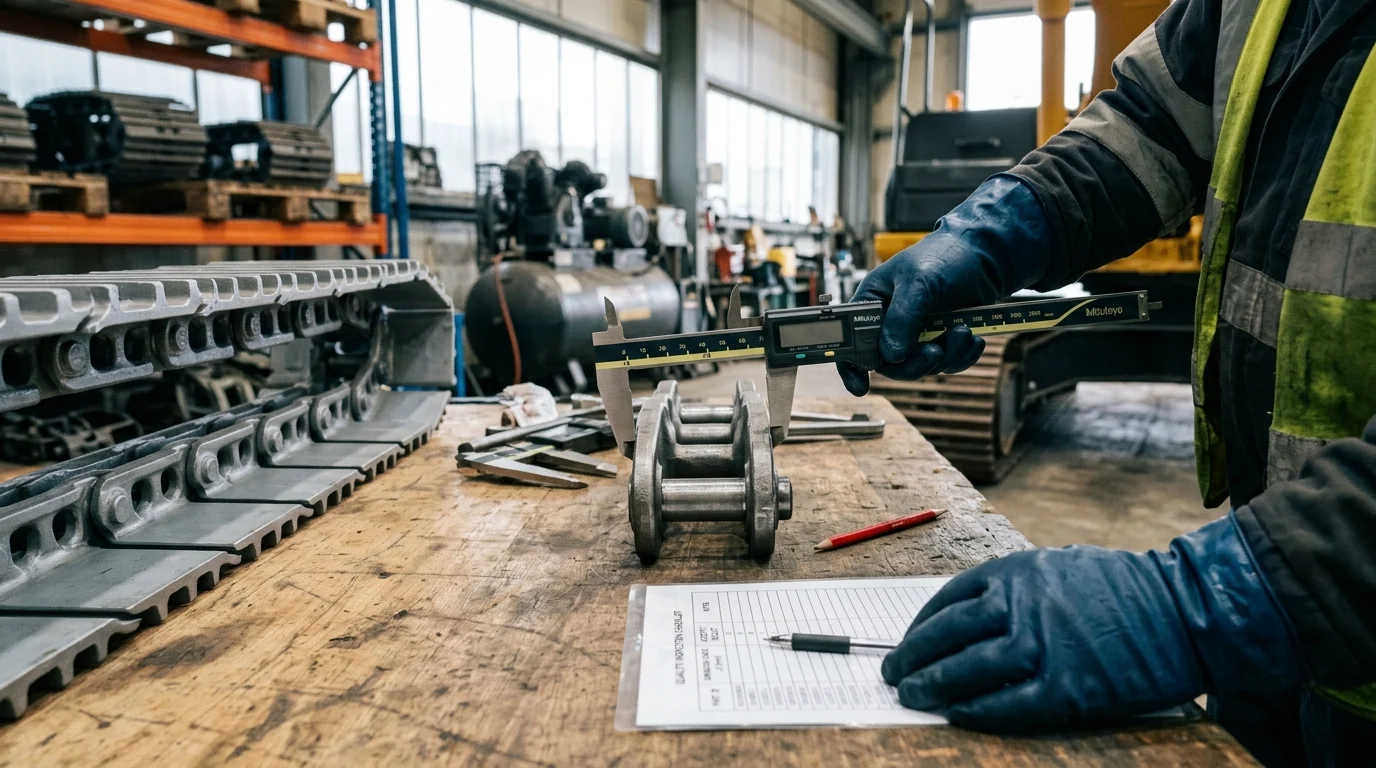
A rigorous comparative analysis is essential when evaluating bulk excavator rubber tracks from competing global manufacturers. Procurement specialists must look far beyond the initial sticker price to assess metallurgical integrity, dimensional accuracy, and long-term durability metrics that dictate equipment uptime.
Quality and specification fit
Technical specifications must align perfectly with original equipment manufacturer (OEM) standards to prevent premature undercarriage wear. Critical dimensions include the track pitch, the number of links, and the overall shoe width, which typically ranges from 300mm for compact excavators to over 800mm for massive earthmovers. Dimensional variances exceeding 0.1mm in the track pitch can cause accelerated sprocket wear, excessive vibration, and eventual track derailment.
| Track Type | Ideal Application | Average Width Range | Typical Core Material |
|---|---|---|---|
| Standard Steel | Mining, Demolition | 500mm – 900mm | High-Carbon Alloy Steel |
| Continuous Rubber | Urban Construction | 230mm – 450mm | Natural/Synthetic Blend with Steel Cords |
| Hybrid / Pad | Paved Road Repair | 400mm – 600mm | Steel Chain with Bolt-on Rubber Pads |
Engineers must also evaluate the sealing and lubrication mechanisms. Polyurethane seals in internally lubricated track chains prevent abrasive particulate matter from entering the pin and bushing joints, significantly extending the operational life in highly abrasive soils and sandy environments.
Price, wear life, and warranty
The true value of excavator tracks is measured by their cost per hour of operation. While aftermarket rubber tracks may present a lower initial capital outlay, their wear life typically spans 1,500 to 2,500 operating hours depending on operator skill, machine weight, and terrain severity. In contrast, premium heavy-duty steel tracks can easily exceed 4,000 hours in standard excavation environments before requiring replacement.
Warranty parameters provide a quantifiable indicator of manufacturer confidence and product reliability. Leading suppliers of bulk undercarriage parts typically offer warranties ranging from 12 to 18 months, or 1,000 to 1,500 prorated hours for rubber tracks. Buyers must meticulously scrutinize the warranty documentation for exclusion clauses related to specific harsh terrains or improper tensioning practices, ensuring the coverage aligns seamlessly with their intended operational profiles.
How to Reduce Procurement Risk
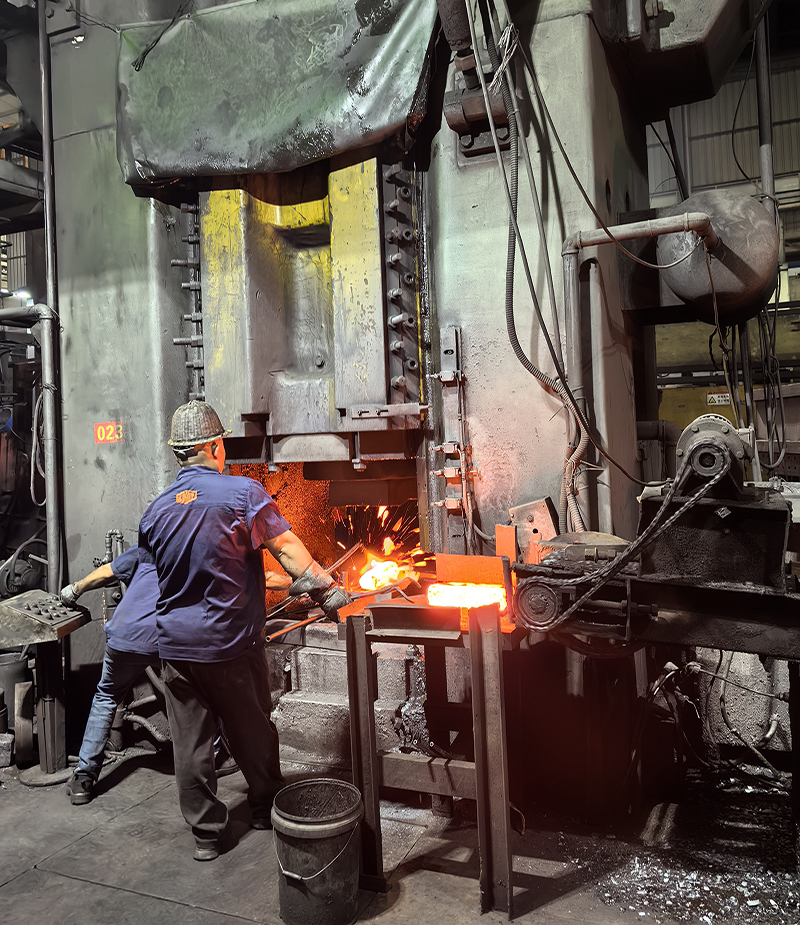
Executing high-volume international orders for heavy machinery components introduces distinct supply chain vulnerabilities. Mitigating these inherent risks requires a highly structured approach to supplier validation, rigorous quality control, and strategic logistics planning well before significant capital is deployed.
Sourcing, compliance, and delivery checks
Thorough due diligence begins with verifying the manufacturer’s compliance with international quality management standards, specifically ISO 9001:2015. Enterprise buyers should request third-party metallurgical test reports, including spectrometry and ultrasonic flaw detection results, alongside factory audit documentation. This ensures the supplier maintains strict quality control, ideally keeping critical manufacturing defect rates well below the industry benchmark of 1%.
Delivery logistics present another significant risk vector due to the sheer mass and volume of bulk excavator tracks. Ocean freight lead times from major Asian manufacturing hubs to North American or European destination ports generally range from 35 to 55 days under normal maritime conditions. Procurement teams must account for port congestion, customs inspections, and inland freight capacity, actively building a buffer of at least 15 to 20 days into their inventory replenishment schedules to prevent catastrophic stockouts.
Decision framework for buyers
To systematize and de-risk bulk purchasing, enterprise buyers should implement a phased, cross-functional decision framework. The procurement process should ideally initiate with a pilot order of one or two track sets. This preliminary phase allows the internal maintenance engineering team to conduct destructive testing, verify fitment tolerances against the fleet, and monitor initial wear patterns under actual field conditions.
Once the pilot tracks successfully pass the 500-hour operational mark without exhibiting irregular degradation, premature stretching, or seal failures, buyers can confidently proceed with executing the full bulk order.
Key Takeaways
- The most important conclusions and rationale for Rubber Tracks for Excavator
- Specs, compliance, and risk checks worth validating before you commit
- Practical next steps and caveats readers can apply immediately
Frequently Asked Questions
Why is bulk buying excavator tracks more cost-effective?
Bulk orders usually lower unit pricing, reduce freight cost per set, and help fleets avoid rush shipping during breakdowns.
How do I choose between rubber tracks and steel tracks?
Use rubber tracks for urban jobs, lower noise, and surface protection. Choose steel tracks for quarry, mining, demolition, and high-impact conditions.
What specs should I confirm before ordering excavator tracks?
Check pitch, link count, width, machine model, and application. Exact fit helps prevent vibration, sprocket wear, and derailment.
Does Gator Track supply more than standard excavator tracks?
Yes. Gator Track also manufactures excavator track pads, skid steer tracks, dumper, agricultural, and ASV tracks, plus bolt-on, clip-on, and chain-on pad options.
Which excavator pad styles does Gator Track offer for mixed surfaces?
Gator Track offers RP, HXP, DRP, and chain-on rubber pad styles, giving excavators traction while helping protect paved or finished surfaces.

Post time: May-11-2026