How Dumper Rubber Tracks Improve Fleet Efficiency
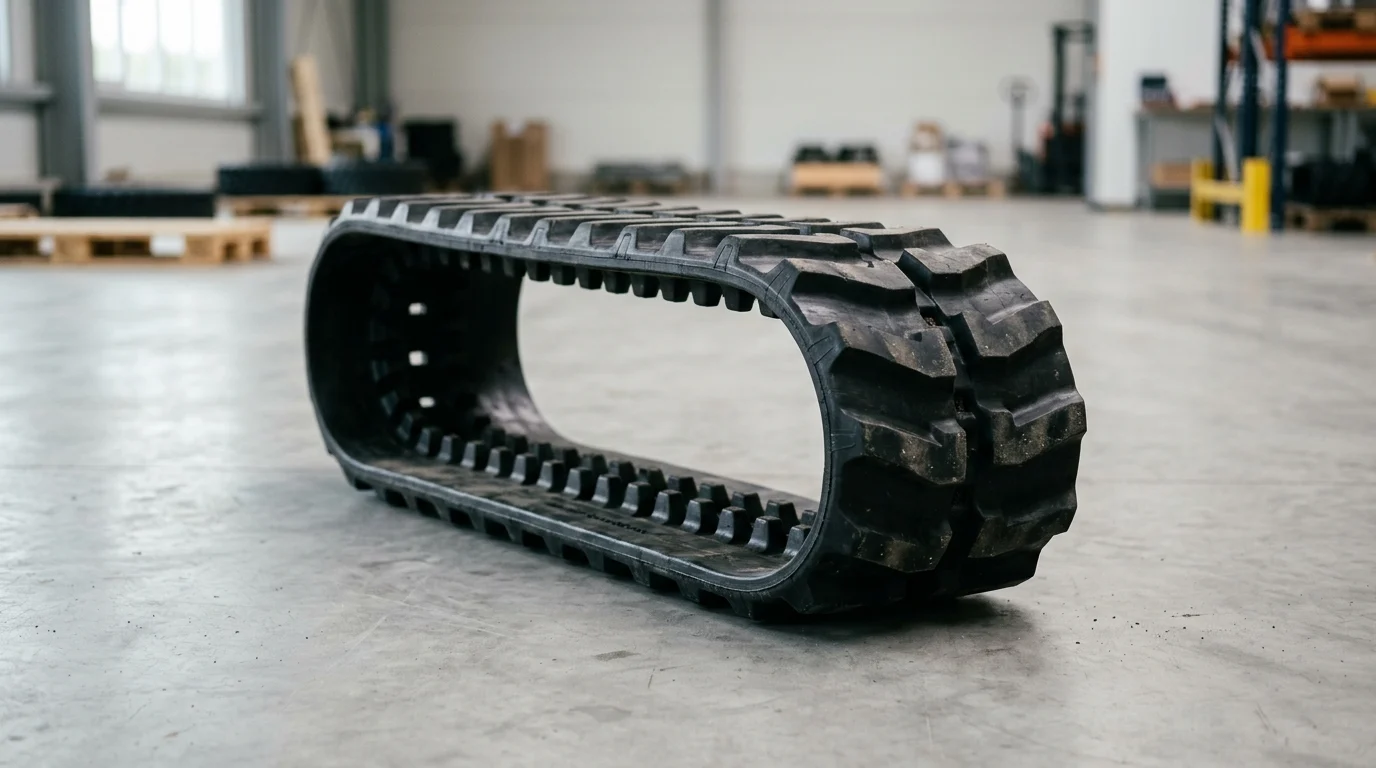
For operators and equipment strategists in the heavy machinery sector, undercarriage components dictate the operational tempo of any earthmoving fleet. Upgrading conventional steel undercarriages to continuous rubber track systems has become a standard methodology to minimize ground disturbance and maximize transit speeds across varied terrains. This transition directly lowers the total cost of ownership by reducing vibration-induced wear on dumper chassis, hydrostatic drives, and suspension components, ultimately leading to longer service intervals and maximized profitability.
Specifications That Affect Uptime
Analyzing the structural integrity of Dumper Rubber Tracks reveals how specific manufacturing parameters dictate field uptime. A critical factor is the continuous steel cord technology embedded within the vulcanized rubber matrix. Tracks utilizing jointless steel cables exhibit up to 40% higher tensile strength than traditional overlapping cord designs, virtually eliminating track snapping under heavy payload stress. Additionally, a minimum tread lug depth of 25mm ensures adequate traction in muddy or loose soil conditions, reducing slippage and fuel consumption. Specifying tracks molded from premium natural and synthetic rubber blends consistently extends the track’s functional lifespan beyond the industry benchmark of 1,500 working hours, ensuring equipment remains deployed rather than sidelined in the maintenance bay.
Rubber Tracks vs. Steel Tracks
To quantify the efficiency gains, performance metrics of rubber formulations must be evaluated against traditional steel configurations. Rubber tracks excel in applications requiring frequent transitions between unpaved sites and finished asphalt, preventing costly surface remediation and eliminating the need for transport trailers during short-distance relocations.
| Performance Metric | Premium Rubber Tracks | Traditional Steel Tracks |
|---|---|---|
| Average Ground Pressure | 4.5 – 6.0 PSI | 8.0 – 12.0 PSI |
| Maximum Transit Speed | 12 – 15 km/h | 5 – 8 km/h |
| Vibration Transmissibility | Low (Absorbs shock) | High (Transfers shock) |
| Typical Lifespan | 1,500 – 2,000 hours | 2,500 – 3,500 hours |
| Surface Damage Potential | Minimal | Severe |
While steel variants offer superior longevity in highly abrasive environments like quarries, the 50% increase in transit speed and drastically reduced ground pressure provided by rubber alternatives yield a higher daily material movement rate for most municipal and general construction fleets.
What Procurement Teams Should Check When Sourcing Dumper Rubber Tracks
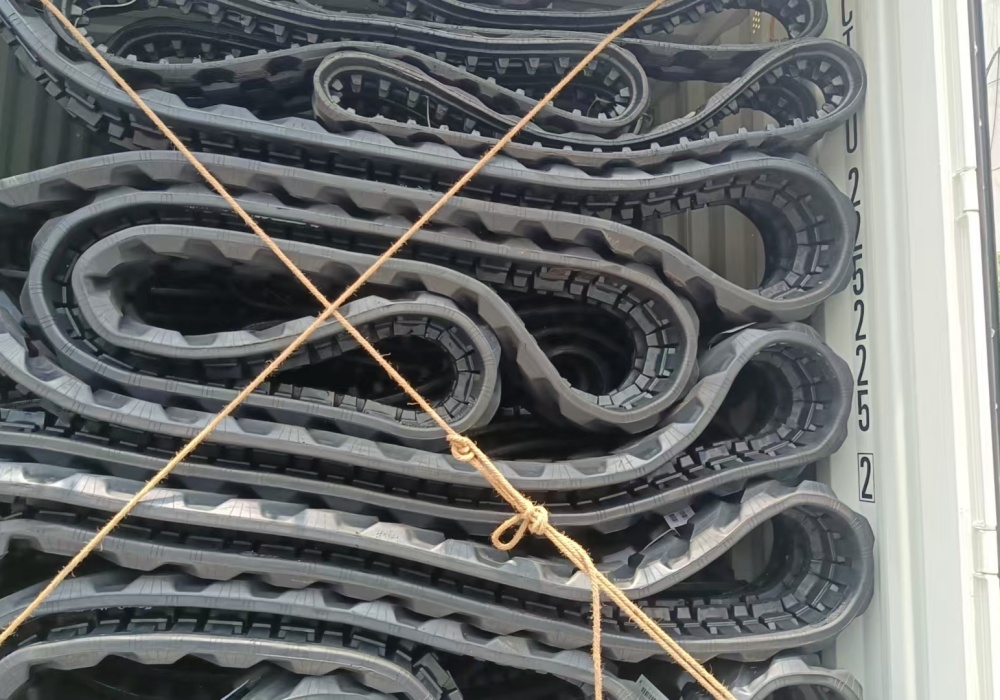
Strategic sourcing requires procurement teams to look past initial unit costs and evaluate the holistic capabilities of a manufacturing partner. When procuring undercarriage components for large-scale distribution or direct fleet integration, validating production tolerances, material specifications, and commercial terms ensures operational margins and equipment reliability in the field.
MOQ, Custom Sizes, and OEM Compatibility
Establishing a resilient supply chain starts with negotiating Minimum Order Quantities (MOQs) that align with inventory turnover rates. Most tier-one manufacturers require an MOQ of 10 to 20 pieces per size for custom production runs. However, standard OEM replacement sizes (such as the common 320x90x58 or 400×72.5×74 configurations) can often be sourced in smaller batches through mixed-container orders. Buyers must verify exact OEM compatibility by confirming the track width, pitch distance, and the total number of embedded metal links. A deviation of even 2mm in pitch distance can cause accelerated sprocket wear, leading to premature track derailment, excessive vibration, and costly equipment downtime that disrupts project schedules.
Quality Control, Compliance, and Warranty
Strict procurement protocols demand rigorous quality control documentation before onboarding any new track supplier. Manufacturing facilities should operate under strict ISO 9001:2015 standards and provide comprehensive batch testing reports for rubber abrasion resistance and steel cord tensile strength. An acceptable supplier must prove a historical field defect rate of less than 0.5% across their continuous track product lines. Furthermore, securing comprehensive warranty terms—typically guaranteeing 12 to 18 months or 1,000 to 1,500 working hours—is essential. The warranty claim process must be clearly defined, requiring only photographic evidence of serial numbers and structural failures, like lug delamination or cord snapping, to trigger immediate replacement credits.
How Distributors Build a Profitable Dumper Rubber Tracks Supply
For distribution networks, building a profitable catalog of undercarriage parts relies heavily on optimizing freight economics, minimizing warehousing overhead, and mitigating stockouts. Rubber tracks are high-weight, high-volume items that require meticulous supply chain planning and robust vendor relationships to protect gross margins from volatile logistics costs.
Packaging, Inventory, and Logistics
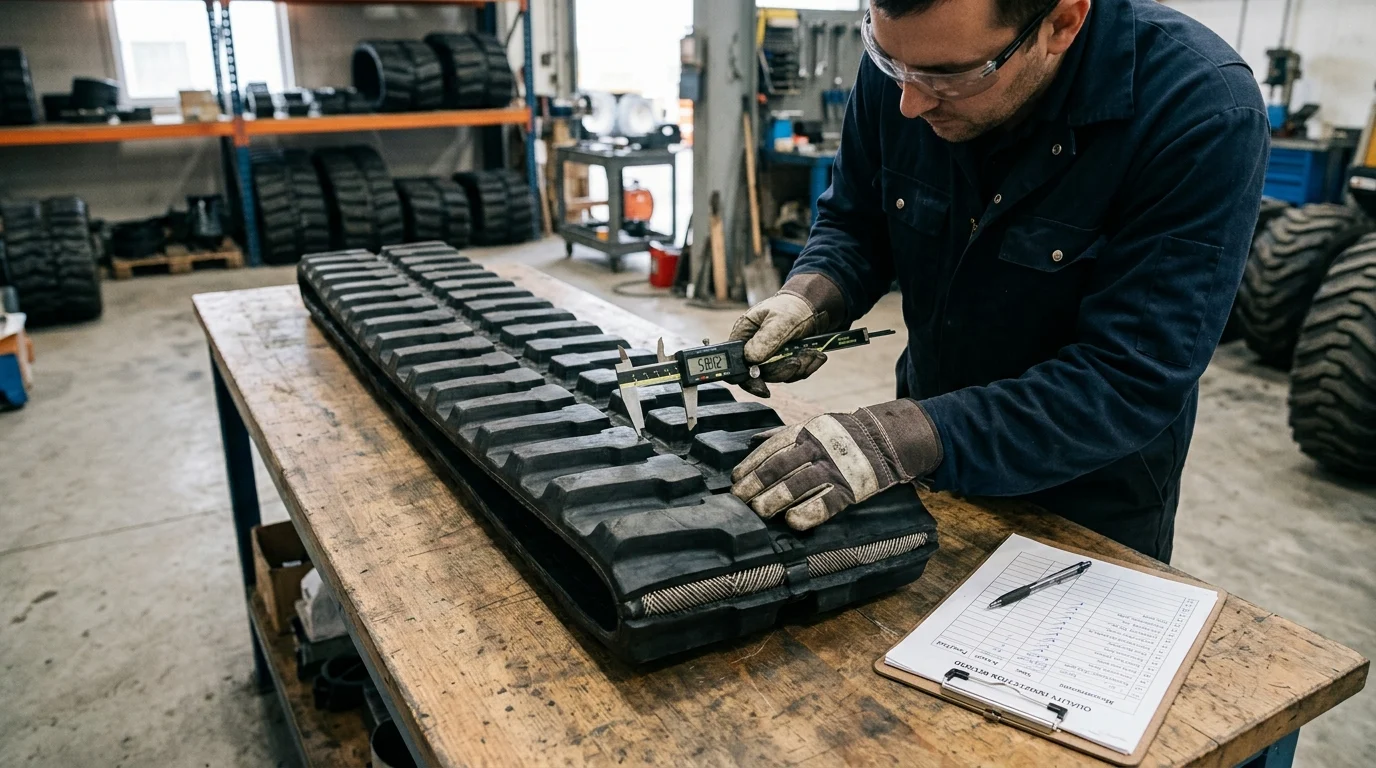
The logistics of importing heavy rubber components demand specialized packaging to maximize container payloads. A standard dumper track can weigh anywhere between 150 kg and 350 kg, making secure palletization critical for safe unloading and efficient warehouse storage. Suppliers should be required to pack tracks on reinforced steel or fumigated wooden pallets, tightly bound with heavy-duty steel strapping and wrapped in UV-resistant film to prevent rubber degradation during extended storage. By optimizing the stacking configuration, distributors can reliably fit approximately 22 to 24 metric tons of tracks into a standard 40-foot High Cube container. This density optimization significantly dilutes the per-unit ocean freight cost, directly enhancing bottom-line profitability when pricing items for regional B2B buyers.
Approval Criteria for New Suppliers
Before integrating a new manufacturing partner into the supply matrix, strict approval criteria focused on financial stability, production scalability, and compliance must be applied. Analyzing historical lead times is critical, with a standard production window of 30 to 45 days from purchase order issuance to port delivery being the industry ideal. Third-party inspection services, such as SGS or TÜV, are often utilized to verify pre-shipment quality and load accuracy. Suppliers must also offer favorable commercial terms, such as a 30% initial deposit with the remaining 70% payable against the Bill of Lading, to maintain cash flow liquidity. By systematically auditing these operational metrics, distributors ensure their supply chain remains resilient against macroeconomic disruptions and capable of scaling seamlessly alongside market demand.
Key Takeaways
- Wholesale sourcing and supply-chain implications for Dumper Rubber Tracks
- Specifications, compliance, and commercial terms buyers should validate
- Actionable recommendations for distributors and procurement teams
Frequently Asked Questions
Why choose dumper rubber tracks over steel tracks?
They lower ground pressure, reduce vibration, and allow faster travel on mixed surfaces, helping fleets move more material daily with less machine wear.
What track specifications matter most for dumper uptime?
Check jointless steel cords, at least 25mm lug depth, premium rubber compounds, and exact width, pitch, and link count to prevent slippage and derailment.
How do I confirm OEM compatibility for dumper tracks?
Match the track width, pitch distance, and total metal links to the machine’s OEM spec. Even small pitch errors can accelerate sprocket wear.
What warranty and quality documents should buyers request?
Ask for ISO 9001:2015 certification, batch test reports for abrasion and tensile strength, and a clear 12–18 month or 1,000–1,500 hour warranty process.
What MOQ is typical when sourcing dumper rubber tracks?
Custom runs often require 10–20 pieces per size, while common OEM replacement sizes may be available in smaller mixed-container orders.
Post time: Apr-16-2026