How Eco-Friendly Rubber Excavator Tracks Support Urban Sanitation
Navigating the complex requirements of modern urban sanitation requires evaluating every heavy machinery component for its environmental impact. The transition toward greener municipal operations demands looking beyond engine emissions to scrutinize fleet undercarriages. Adopting specialized, eco-conscious machinery components reduces both the carbon footprint and the physical disturbance of municipal maintenance projects, allowing fleets to achieve operational efficiency while adhering to strict environmental mandates.
What Eco-Friendly Rubber Excavator Tracks Mean
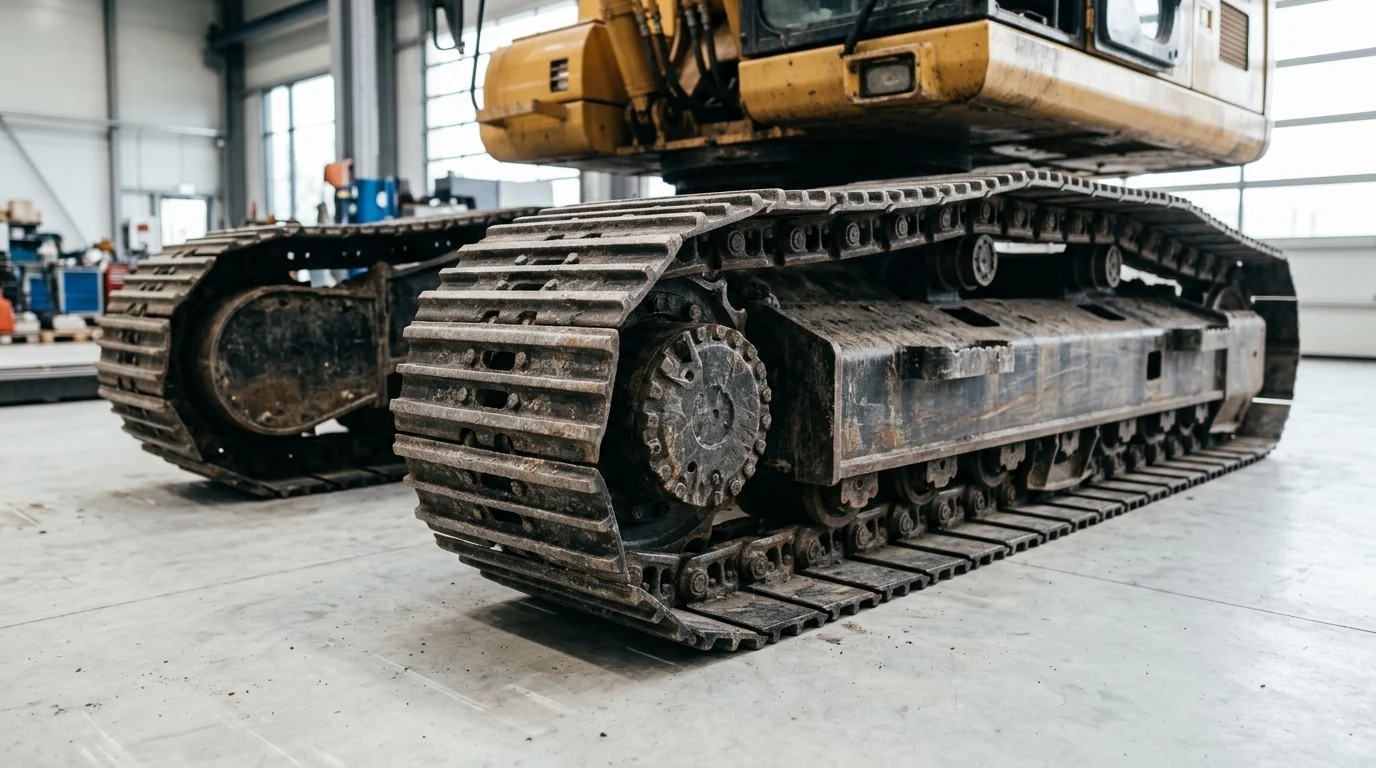
Specifying eco-friendly excavator tracks means selecting components manufactured using sustainable practices and advanced material science. For example, some manufacturers report that modern eco-tracks utilize up to 30% verified recycled natural and synthetic rubber blends, reducing reliance on virgin petroleum products. Furthermore, these tracks often undergo a low-VOC (Volatile Organic Compound) vulcanization process to minimize toxic emissions at the factory level. True sustainability also encompasses the total lifecycle. While dedicated rubber track recycling infrastructure is still limited globally, emerging end-of-life programs focus on retreading or crumb rubber reuse to help reduce overall environmental impact.
Functionally, these tracks are engineered to distribute machine weight efficiently. Depending on the machine size and operating weight, they can achieve ground pressures as low as 4.5 psi (pounds per square inch), which helps minimize soil compaction and preserve the biological integrity of delicate urban green spaces.
Where Rubber Tracks Fit Urban Sanitation Projects
In urban sanitation initiatives—such as maintaining municipal wastewater pipelines, upgrading solid waste transfer stations, or managing organic composting facilities—surface preservation is paramount. Rubber tracks excel in these high-density environments by preventing the deep gouging and structural fracturing typically caused by steel alternatives.
Deploying mid-sized excavators equipped with specialized rubber tracks on asphalt streets, historic cobblestone, and concrete sidewalks can prevent significant collateral pavement repair costs per project block. Additionally, the vibration-dampening qualities of rubber compounds protect fragile underground utilities like shallow water mains and fiber optic cables.
However, operators must carefully weigh these benefits against inherent limitations. Rubber tracks are highly sensitive to high heat and carry a substantial risk of cuts and tears in rocky conditions or demolition-debris environments. In highly abrasive sites, steel or hybrid tracks are often preferable due to their significantly longer lifespan. Furthermore, the disposal and recycling challenges of rubber tracks at the end of their service life require proactive waste management planning.
Key Performance Factors for Choosing Excavator Tracks
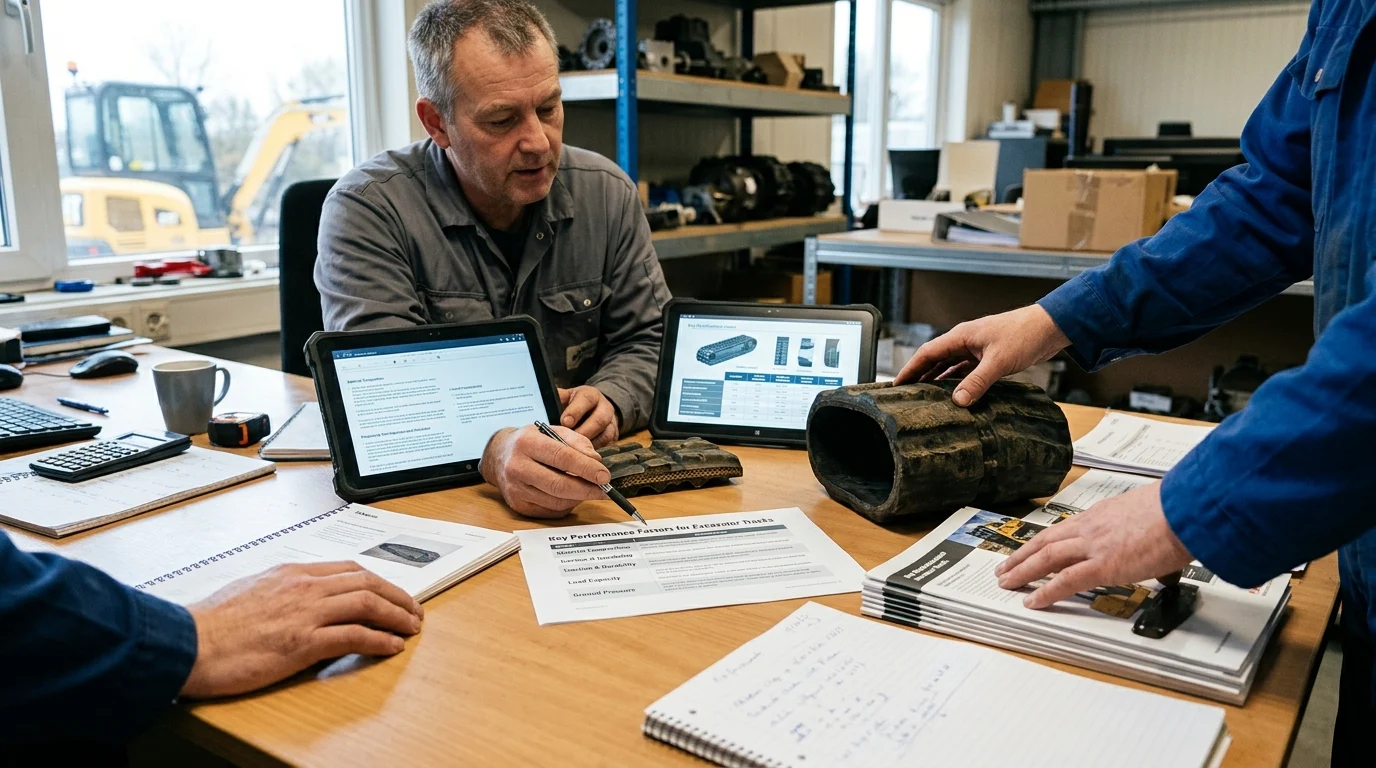
Selecting the optimal undercarriage configuration requires a rigorous assessment of daily operational demands and environmental constraints. For urban sanitation fleets, managers must carefully balance municipal compliance with the mechanical durability necessary to handle heavy, unpredictable loads of waste, sludge, and debris. Making the correct specification choices directly impacts project timelines, equipment longevity, and overall community relations.
Rubber Tracks vs Steel Tracks
The debate between rubber and steel undercarriages centers heavily on the primary operating environment. Urban sanitation often favors rubber due to stringent municipal noise ordinances and surface preservation mandates. Early morning waste management and sewer repairs require equipment that will not disturb residential neighborhoods.
Below is a general comparison table used to evaluate these two options for municipal deployments, based on typical 8–14 ton class machines. Note that specific figures will vary based on brand and duty cycle, and noise compliance limits vary significantly by jurisdiction:
| Feature | Rubber Tracks | Steel Tracks |
|---|---|---|
| Ground Pressure | 4.0 – 6.5 psi (varies by machine) | 8.0 – 12.0+ psi |
| Noise Levels | Low (Often complies with 75 dB urban limits) | High (Frequently exceeds 85 dB) |
| Surface Damage | Minimal (Safe for asphalt/concrete) | Severe (Requires protective mats) |
| Average Lifespan | 1,200 – 1,500 hours (duty-cycle dependent) | 2,000 – 2,500 hours (better for abrasive sites) |
| Vibration Transfer | Dampened (Improves operator comfort) | High (Increases operator fatigue) |
Technical Specifications to Verify
When procuring replacement parts, verifying the exact technical dimensions against the machine’s serial plate or OEM manual is non-negotiable to prevent catastrophic on-site failures and compatibility issues. Procurement teams must closely monitor three primary metrics: track width, pitch, and the number of links.
While a mid-sized sanitation excavator might require a track width of 400mm, a pitch of 72.5mm, and a link count of 74, these are not universal standards; every replacement must match the specific OEM requirements to ensure seamless engagement with the drive sprocket. It is also highly recommended to specify continuous steel cord technology inside the rubber casing. When verified, some manufacturers report this construction can increase tensile strength by up to 40% and drastically reduce the risk of track snapping during lateral movements on uneven landfill slopes. Buyers should also be wary of counterfeit or low-quality aftermarket alternatives that lack these structural reinforcements.
How to Source, Install, and Manage Excavator Rubber Tracks
Proper procurement and lifecycle management are just as critical as the initial specification process. To maximize return on investment and maintain strict adherence to project timelines, fleets should implement a standardized protocol for sourcing, installing, and maintaining equipment undercarriages.
A proactive approach to track management minimizes unexpected downtime. This includes proper indoor storage away from direct UV light and a strict weekly maintenance schedule. Consistently performing tension calibration, undercarriage inspections, and debris removal can extend track life by hundreds of hours. This reliability is crucial when dealing with time-sensitive urban sanitation emergencies like water main breaks or storm debris clearing.
Supplier Evaluation Steps
Rigorously vetting potential manufacturing partners is essential before integrating their products into sanitation fleets. Primary criteria should include a verifiable, low manufacturing defect rate and strict adherence to ISO 9001 quality management standards. Furthermore, buyers should seek suppliers offering a minimum warranty period of 12 months or 1,000 operating hours, alongside a clear, documented process for handling warranty claims.
Logistically, evaluating a supplier’s supply chain resilience is vital.
Key Takeaways
- Choose rubber excavator tracks for paved and utility-dense sanitation sites where surface protection, lower vibration, and noise control are operational priorities.
- Specify eco-conscious tracks with recycled rubber content and low-VOC production processes when municipal sustainability targets extend beyond engine emissions.
- Use rubber tracks in parks and landscaped urban areas because ground pressures can be as low as 4.5 psi, helping reduce soil compaction.
- Avoid standard rubber tracks in rocky, high-heat, demolition-debris, or highly abrasive environments where cuts, tears, and shortened service life are more likely.
- Plan end-of-life management before procurement by asking about retreading, recycling, or crumb rubber reuse options.
Frequently Asked Questions
Why are rubber excavator tracks useful for urban sanitation work?
Rubber tracks help protect asphalt, sidewalks, cobblestone, and landscaped areas during sewer, waste transfer, and composting projects. They also reduce vibration near shallow utilities and can support quieter operation in residential neighborhoods.
What makes an excavator track eco-friendly?
Eco-friendly tracks may use recycled natural and synthetic rubber blends, low-VOC manufacturing processes, and designs that reduce ground disturbance. Lifecycle planning, such as retreading or crumb rubber reuse, also improves sustainability.
Can rubber tracks reduce soil compaction?
Yes. Properly specified rubber tracks distribute machine weight more evenly and may achieve ground pressures as low as 4.5 psi, helping protect urban green spaces, park soils, and biologically sensitive areas.
Are rubber tracks better than steel tracks for all sanitation projects?
No. Rubber tracks are ideal for paved, noise-sensitive, and utility-dense areas, but steel or hybrid tracks may last longer in demolition debris, rocky ground, high-heat areas, or highly abrasive job sites.
How do rubber tracks help reduce project costs?
They can lower collateral repair costs by reducing pavement gouging, sidewalk damage, and vibration-related utility risks. This is especially valuable when sanitation work occurs on streets, historic surfaces, or dense municipal corridors.

Post time: Sep-16-2026