Evaluating 700mm Excavator Pads for Cost Savings
When evaluating heavy machinery operational expenses, undercarriage maintenance consistently ranks among the highest recurring costs in equipment budgets. Upgrading or replacing track components offers a significant opportunity for fleet optimization, particularly when dealing with mid-sized to large equipment.
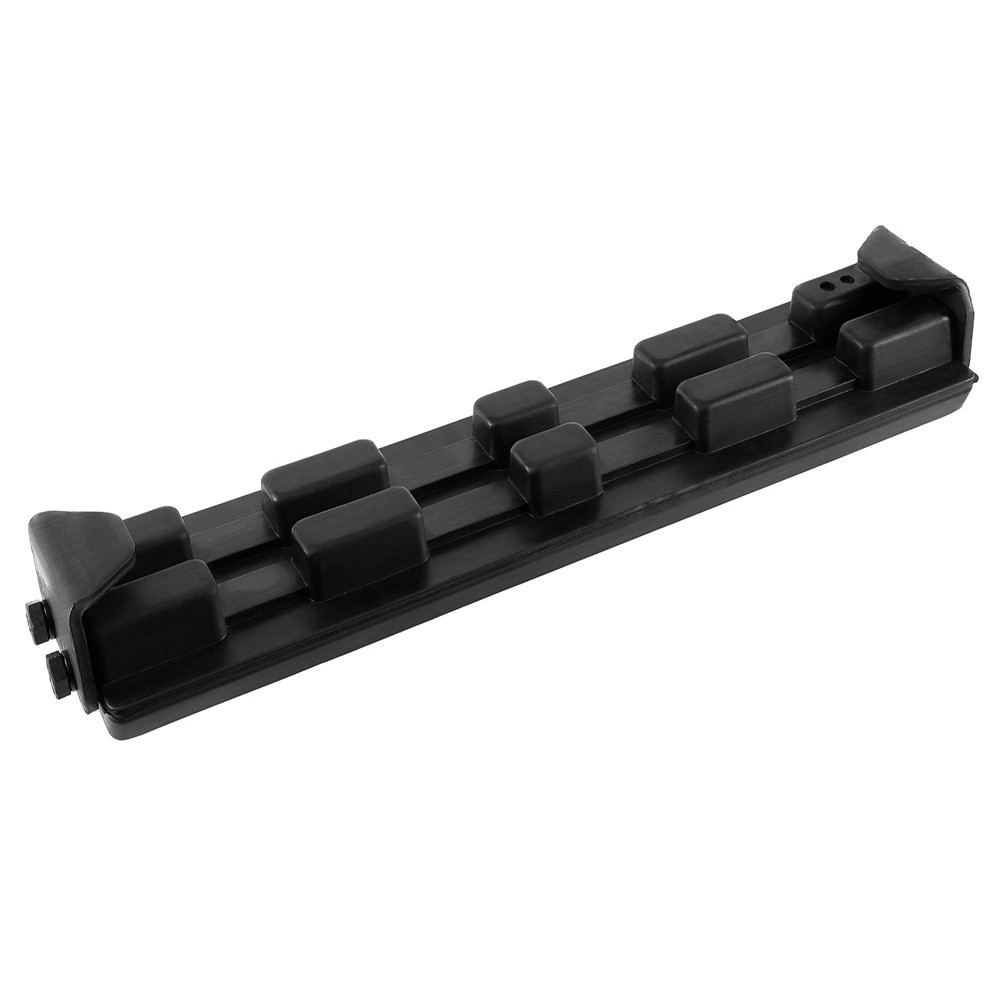
For excavators in the 15-ton to 25-ton weight class, utilizing 700mm excavator pads—referring specifically to individual 700mm-wide bolt-on, clip-on, or steel shoes rather than continuous rubber tracks—provides an effective balance between machine stability and ground pressure. A rigorous, data-driven evaluation of these specific components can yield substantial cost savings over the equipment’s lifecycle, reducing both parts expenditure and unexpected downtime.
Commercial Terms and Pad Types
Procuring undercarriage parts requires understanding commercial terms and the specific pad configurations available in the market. Suppliers typically impose Minimum Order Quantities (MOQs)—for example, an illustrative 50 to 100 units for custom polyurethane or specialized rubber blends—whereas standard steel pads might be available in smaller, flexible batches. Warranty terms also vary significantly depending on the vendor; a reputable manufacturer will generally offer an estimated 1,000 to 1,500-hour warranty (which is highly manufacturer-dependent) on premium 700mm excavator pads against critical manufacturing defects like rubber delamination, assuming standard operating conditions.
From a product standpoint, buyers must choose among triple grouser steel pads, bolt-on rubber pads, and clip-on variations. Each type caters to specific commercial objectives. For instance, investing in bolt-on pads requires a higher upfront capital expenditure but lowers the labor costs associated with pad replacement, as individual damaged pads can be swapped without breaking the entire track chain.
Machine Fitment and Ground Conditions
Machine compatibility extends far beyond simply selecting a 700mm shoe width. For the 15-ton to 25-ton class, a 700mm pad offers an excellent footprint, but fleet managers must consult OEM specifications to avoid over- or under-sizing. Oversizing tracks on a lighter machine can cause excessive undercarriage wear and stress the final drives, while under-sizing on a 25-ton excavator compromises stability and safety.
Ground conditions dictate the operational viability of the chosen pad. A 700mm width significantly increases the machine’s footprint, effectively reducing ground pressure to an illustrative baseline of 0.45 kg/cm² for a standard 20-ton excavator (varying by specific machine model and operating weight). This low ground pressure is crucial for operating safely on soft soil, peat, or marshlands without sinking. However, rubber pads have distinct limitations: they can chunk or delaminate in abrasive conditions, are not ideal for high-impact demolition, and may void warranties if used outside specified terrain. If the machine frequently transitions between soft dirt and abrasive aggregate, a hybrid approach—such as steel tracks equipped with durable rubber inserts—often provides the safest compromise between maximum traction and essential surface protection.
Comparing Total Cost Across Pad Options
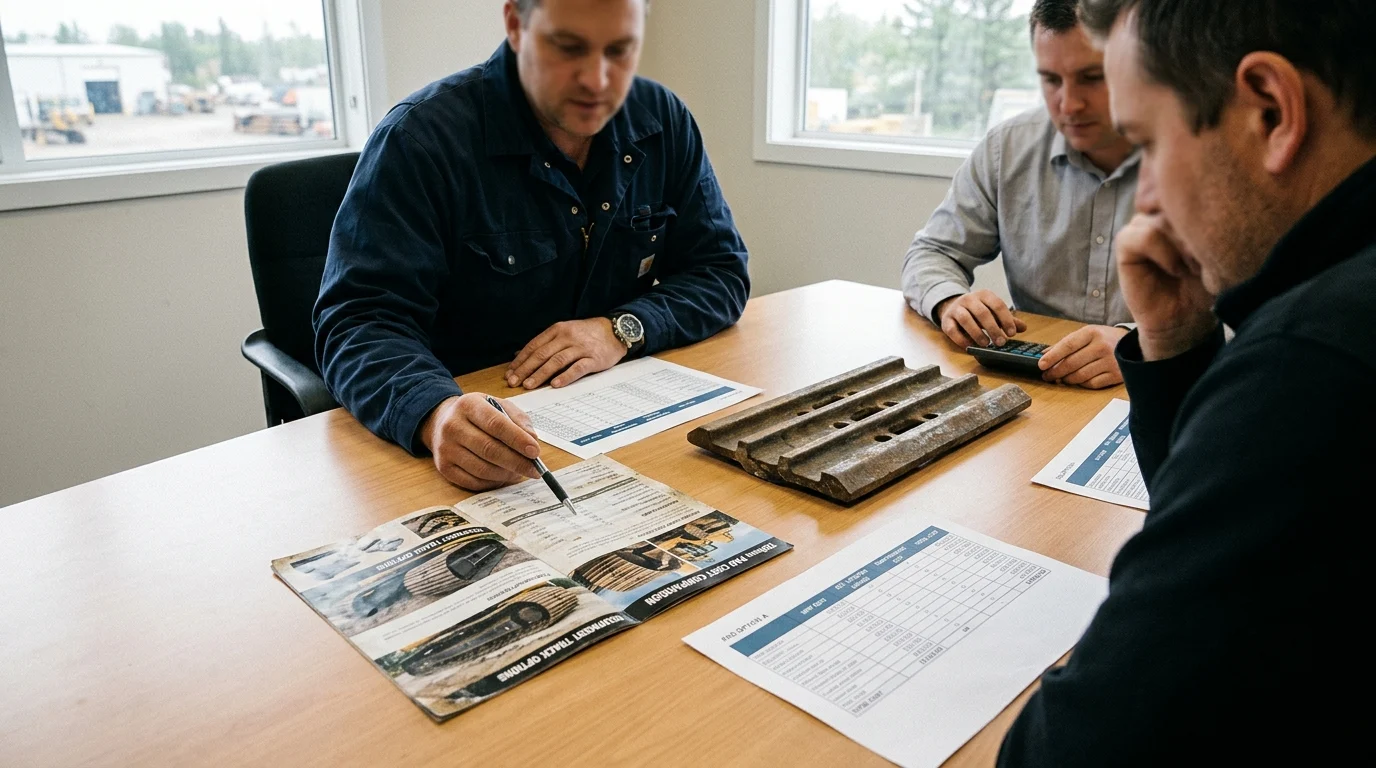
To accurately assess cost savings, buyers should transition from viewing track pads as a simple line-item purchase to analyzing their Total Cost of Ownership (TCO). This holistic approach incorporates initial procurement, operational efficiencies, and eventual replacement costs.
Rubber, Steel, and Bolt-On Pads
The primary material choices—steel, clip-on rubber, and bolt-on rubber pads—present distinct financial profiles. Steel pads are the traditional standard, offering maximum durability for harsh, rocky environments, but they cause severe damage to finished surfaces like asphalt. Clip-on and bolt-on rubber pads bridge this gap by attaching directly to existing steel grousers, offering surface protection without requiring a full track conversion. However, while rubber options excel in surface protection, they have distinct limitations, including susceptibility to chunking, reduced traction in muddy or steep terrains, and a higher replacement frequency compared to steel.
Note: Lifespan ranges are highly application-dependent and will vary based on operator behavior, terrain, and maintenance routines.
| Pad Type | Average Lifespan (Hours) | Surface Protection | Terrain Suitability | Traction (Mud/Steep) | Initial Cost Index | Maintenance Labor |
|---|---|---|---|---|---|---|
| Steel (Triple Grouser) | 3,000 – 4,000 | Poor | Abrasive, Rocky | High | Base (1.0x) | High (Chain Break) |
| Clip-On Rubber Pads | 1,200 – 1,800 | Excellent | Urban, Finished | Low | 1.3x | Low (Individual) |
| Bolt-On Rubber Pads | 1,200 – 1,800 | Excellent | Urban, Finished | Low | 1.5x | Low (Individual) |
Wear, Traction, Fuel, and Downtime Costs
Wear rates directly impact the replacement frequency, but traction, fuel consumption, and downtime are equally critical cost drivers. Because a complete 700mm steel track assembly (including chains and pads) for a 20-ton excavator can weigh upwards of 3,500 kg, the sheer mass requires substantial engine power to propel. By transitioning to lighter rubber or composite alternatives where appropriate, fleets might see an estimated 3% to 5% reduction in fuel consumption during high-tramming operations, assuming favorable site conditions and efficient operator habits.
Furthermore, downtime costs can easily exceed an estimated $150 per hour in lost productivity on a busy commercial site, varying by region and project scale. If a traditional track chain fails, the machine is completely immobilized until a specialized crew arrives. Conversely, if a bolt-on rubber pad is shredded by rebar, maintenance personnel can unbolt and replace the single 700mm segment in under 15 minutes using standard hand tools, keeping the project on schedule and minimizing financial losses.
Selecting and Sourcing the Right 700mm Pads
Sourcing the optimal track components requires a disciplined approach to vendor selection and quality assurance. Purchasers should look beyond the sticker price to evaluate the engineering standards and material properties of the pads being quoted.
Fitment and Material Quality Checks
When evaluating potential suppliers, prioritize an ordered checklist of hardware and material quality checks. For rubber pads, the compound’s durometer rating is a primary indicator of longevity. Industry standards often recommend a shore hardness rating between 65 and 70 Shore A as a general manufacturer baseline for an ideal blend of chunking resistance and surface flexibility. Inferior compounds below 60 Shore A will degrade rapidly under the weight of a heavy machine.
Next, fitment verification
Key Takeaways
- Evaluate 700mm excavator pads using total cost of ownership, including purchase price, labor, downtime, service life, and replacement flexibility.
- Confirm OEM fitment before upgrading because oversizing pads can accelerate undercarriage wear and place added stress on final drives.
- Use 700mm pads strategically on 15-ton to 25-ton excavators where stability and reduced ground pressure are operational priorities.
- Match pad material to jobsite conditions, using rubber for surface protection and steel for abrasive, rocky, or high-impact environments.
- Review MOQ, warranty coverage, and terrain exclusions before purchasing, especially for custom rubber or polyurethane pad configurations.
Frequently Asked Questions
What machines are 700mm excavator pads best suited for?
They are commonly evaluated for excavators in the 15-ton to 25-ton class, but final fitment should always be checked against OEM specifications, operating weight, and undercarriage design.
Do wider 700mm pads always reduce operating costs?
Not always. They can improve stability and lower ground pressure, but oversizing can increase undercarriage wear, stress final drives, and raise long-term maintenance costs.
When are rubber pads a better choice than steel pads?
Rubber pads are useful when surface protection, lower vibration, and reduced noise matter, such as paved areas or sensitive sites. Steel pads are generally better for abrasive, rocky, or high-impact work.
How should buyers compare pad options fairly?
Use total cost of ownership rather than unit price alone. Include purchase cost, labor, downtime, expected service life, warranty coverage, terrain suitability, and replacement flexibility.
What ground conditions favor 700mm excavator rubber pads?
Soft soil, peat, marshland, and low-bearing ground often benefit from the wider footprint because it helps reduce ground pressure and improve flotation.
Post time: Jul-16-2026