Why Excavator Tracks Are a Strategic Procurement Category for 2026
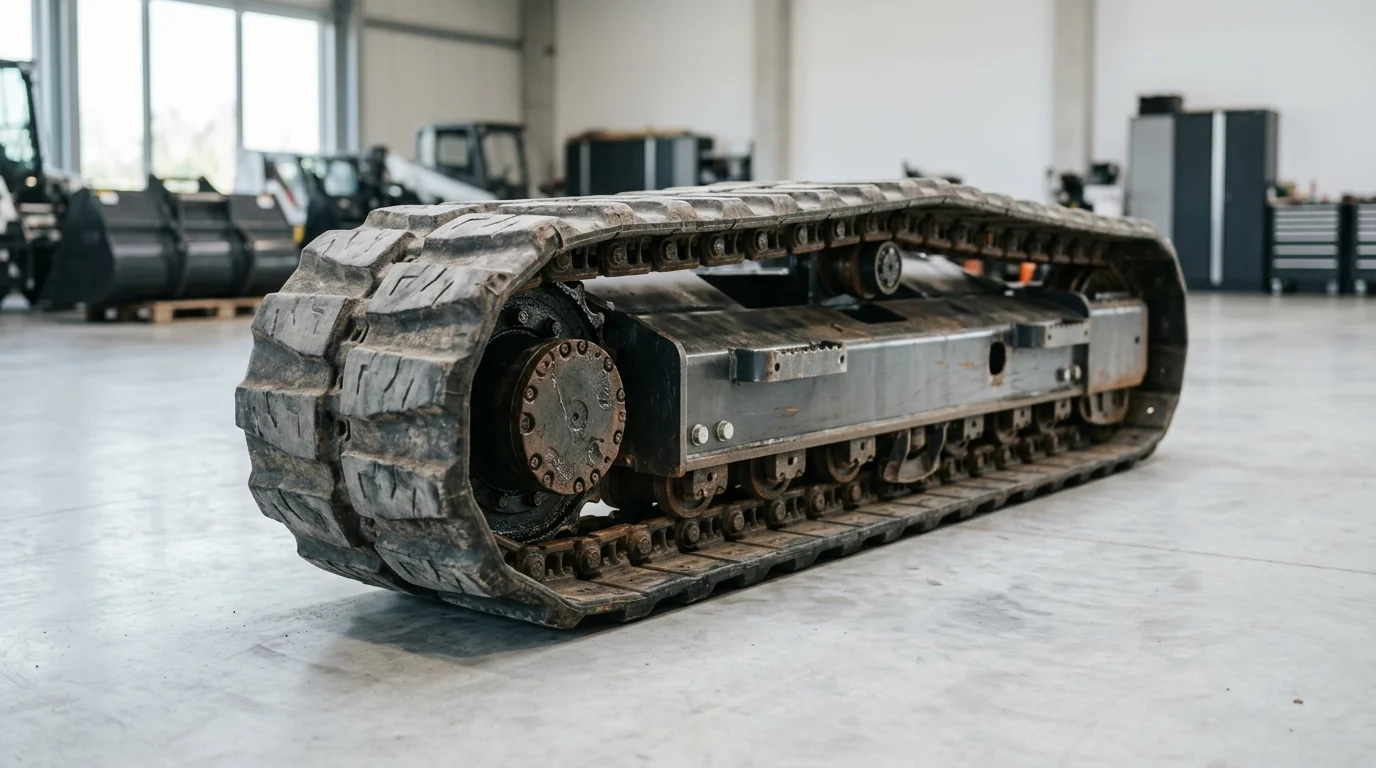
As the global construction equipment market prepares for the 2026 infrastructure pipeline, undercarriage components have emerged as a highly strategic focal point for B2B procurement. Excavator tracks, specifically continuous rubber variants for compact and mid-sized machinery, represent a high-value, recurring revenue stream. Distributors, importers, and heavy-equipment fleet managers must navigate volatile raw material costs and shifting end-user expectations to maintain profitable margins. Sourcing reliable tracks is no longer just about filling inventory; it requires partnering with specialized manufacturers who prioritize making every track count rather than merely chasing high-volume, low-quality output.
Demand Drivers for Distributors and Importers
The primary demand driver for 2026 is the accelerated adoption of compact track loaders (CTLs), mini-excavators, and ASVs in urban construction, landscaping, and agriculture. With the compact equipment sector projected to maintain a steady 5.2% annual growth rate globally, the secondary market for replacement rubber tracks is expanding proportionately. Importers are fielding increased requests for specialized fitments, including bolt-on, clip-on, and chain-on rubber pads. These specific pad variants allow heavy steel-tracked excavators to operate on finished concrete or asphalt without causing surface damage. Offering a comprehensive catalog of both continuous tracks and modular digger pads drives higher inventory turnover and cements a distributor’s reputation as a comprehensive undercarriage supplier.
Key Commercial Considerations
Commercial viability in the wholesale excavator track market hinges heavily on freight logistics, container optimization, and raw material pricing. Rubber tracks are exceptionally dense commodities; a single replacement track for a standard 3-ton mini-excavator can weigh between 120 kg and 180 kg, while tracks for larger skid steers easily exceed 300 kg. Procurement teams must calculate landed costs meticulously, as a standard 20-foot shipping container typically accommodates only 100 to 150 pieces, depending on the dimensional mix. Furthermore, buyers must account for the 15% to 25% historical fluctuation in natural rubber prices. Navigating these constraints requires strategic bulk purchasing during pricing dips to preserve 20% to 30% gross distributor margins, while ensuring warehousing footprints are optimized for heavy-duty racking.
Heavy-Duty vs Standard Excavator Tracks
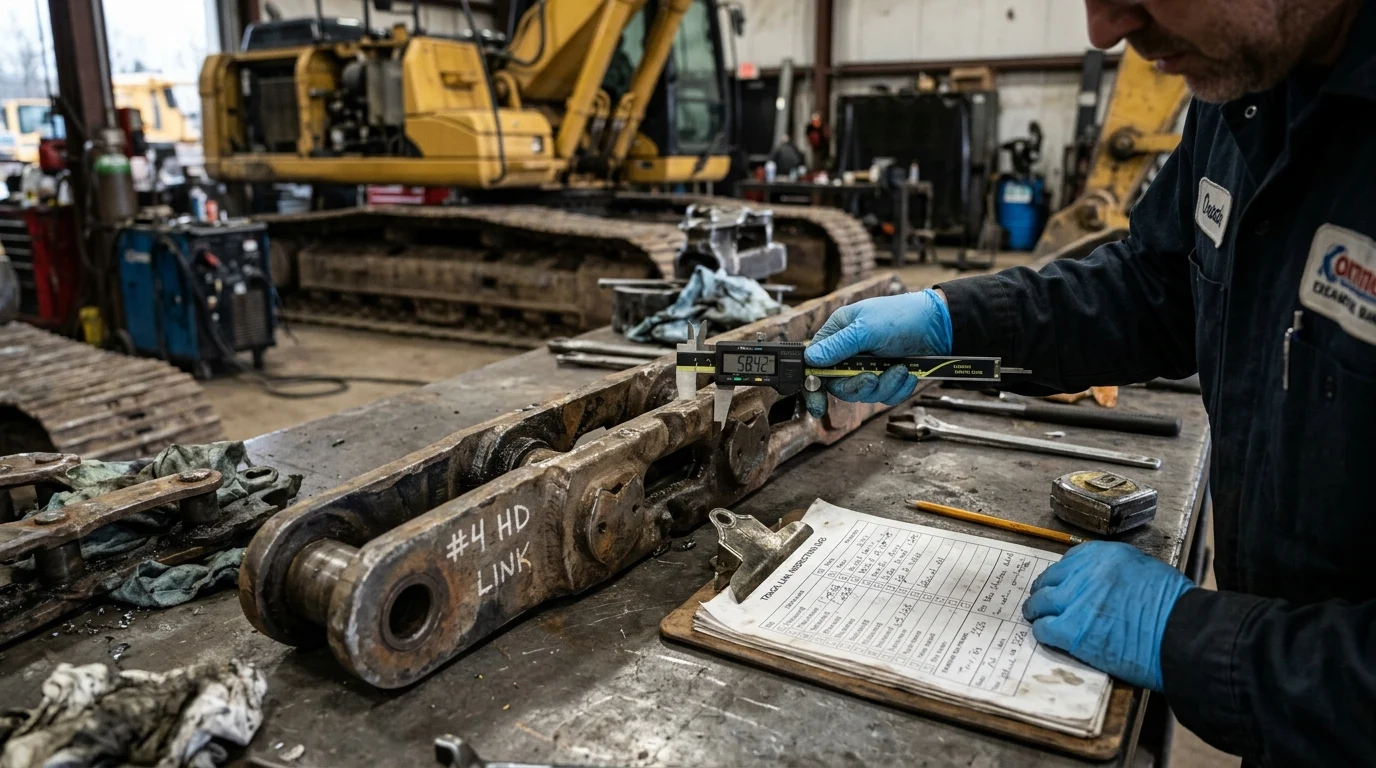
Selecting the correct tier of excavator rubber tracks is paramount for wholesale buyers aiming to balance competitive retail pricing with robust brand reputation. The replacement market is broadly segmented into standard-duty tracks engineered for general landscaping, and heavy-duty alternatives designed for aggressive demolition, quarrying, and mining environments. Understanding the precise structural and chemical differences between these tiers prevents premature equipment failure, minimizes costly warranty claims, and ensures end-users receive the appropriate return on investment.
Core Specification Differences
The architectural differences between standard and heavy-duty rubber tracks dictate their performance limits and wholesale price points. Standard tracks typically utilize a conventional continuous steel cord design wrapped in a standard natural and synthetic rubber blend. They offer an average operational lifespan of 1,000 to 1,500 hours under moderate conditions like dirt and turf. In stark contrast, heavy-duty tracks are built with forged steel metal core links, a 15% to 20% thicker rubber carcass, and specialized cut-and-tear-resistant synthetic compounds. These enhancements push the tensile strength significantly higher. Heavy-duty variants are engineered to endure 2,000 to 2,500+ hours of relentless operation on highly abrasive surfaces, such as blasted rock, scrap yards, or recycled concrete, without suffering from catastrophic lug delamination.
Comparison Table Criteria
When evaluating wholesale catalogs, buyers should utilize a standardized matrix to compare standard and heavy-duty options objectively. Procurement teams must analyze tread depths, lug patterns (such as C-lug, block, or zig-zag), and warranty backing before committing to high-volume bulk orders. The following matrix outlines the critical specifications distinguishing the two categories.
| Specification Matrix | Standard Excavator Tracks | Heavy-Duty Excavator Tracks |
|---|---|---|
| Tread Depth | 20mm – 25mm | 28mm – 35mm |
| Rubber Compound | General purpose natural blend | Cut/tear-resistant synthetic mix |
| Expected Lifespan | 1,000 – 1,500 operating hours | 2,000 – 2,500+ operating hours |
| Typical Weight | Baseline weight (e.g., 150 kg) | +15% to +20% heavier (e.g., 175 kg) |
| Wholesale Price Premium | Baseline index | +20% to +35% premium |
| Primary Application | Dirt, turf, light gravel | Demolition, quarry, scrap yards |
How Procurement Teams Should Source Excavator Tracks
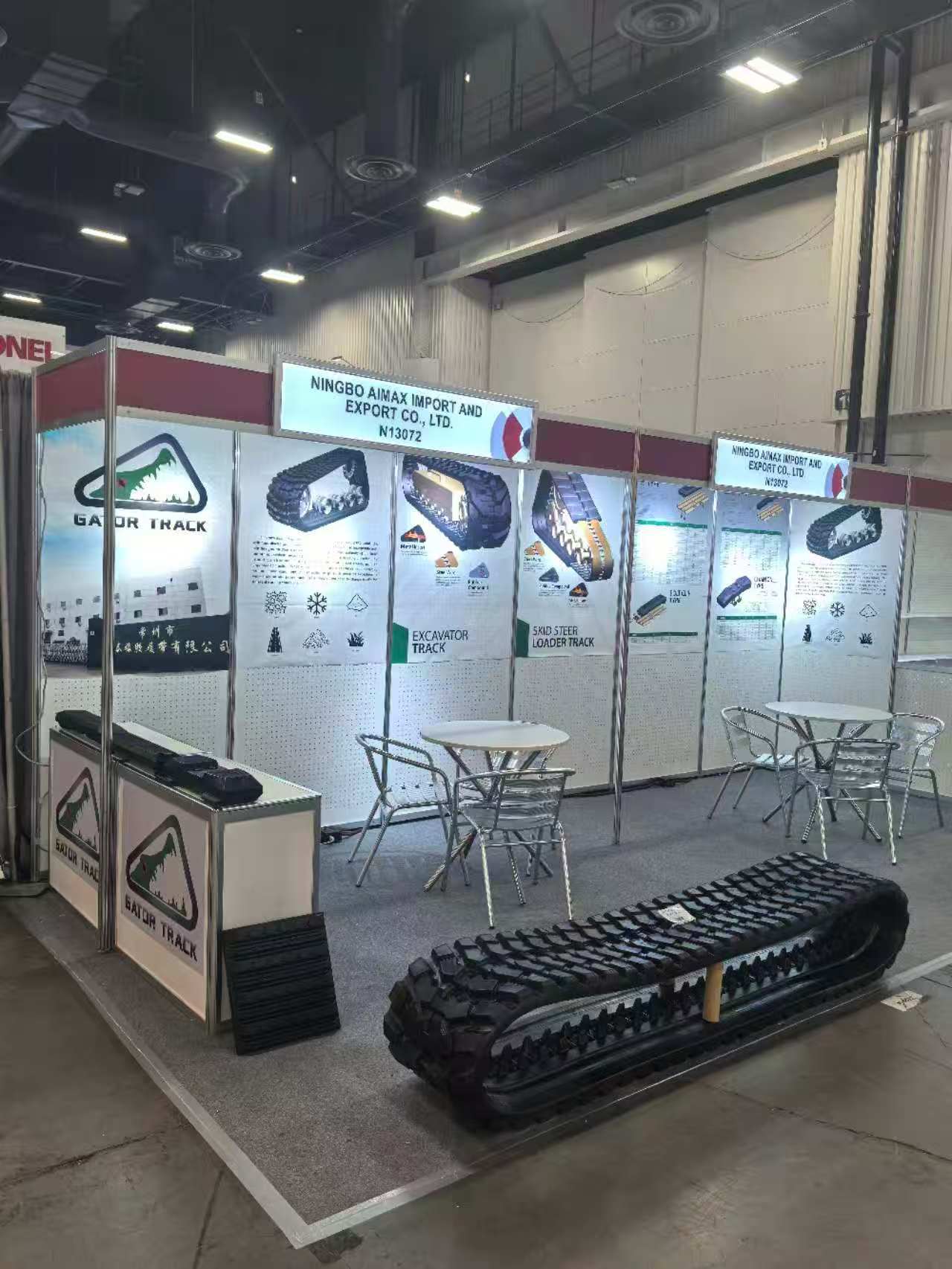
Transitioning from transactional spot-buying to strategic, long-term OEM or ODM partnerships is essential for sourcing excavator tracks effectively in 2026. B2B buyers must prioritize manufacturers that demonstrate complete vertical integration—from raw rubber compounding and steel core preparation to final vulcanization. Relying on dedicated production facilities, rather than pure trading intermediaries, ensures consistent quality control, stable supply chain logistics, and access to the latest continuous steel cord technologies.
MOQ and Compliance Checkpoints
Establishing clear Minimum Order Quantities (MOQs) and strict compliance standards is the first hurdle in international procurement. Premium undercarriage manufacturers typically enforce an MOQ of 10 to 20 pieces per specific fitment size, or require buyers to consolidate a mixed 20-foot container to optimize factory production runs. On the compliance front, buyers must verify ISO 9001 certification for factory quality management and REACH compliance to ensure the rubber compounds are free from restricted hazardous chemicals. Additionally, a strict defect rate threshold must be negotiated into the purchasing contract. Top-tier suppliers should consistently maintain a warranty claim rate of less than 0.5% across annual production volumes, ensuring distributors do not lose margins to aftermarket replacements.
Final Supplier Selection Steps
The final phase of supplier selection involves rigorous technical auditing and logistical planning to ensure these quality benchmarks and delivery schedules are consistently met before finalizing the procurement contract.
Key Takeaways
- Wholesale sourcing and supply-chain implications for Excavator Tracks
- Specifications, compliance, and commercial terms buyers should validate
- Actionable recommendations for distributors and procurement teams
Frequently Asked Questions
What is the main difference between heavy-duty and standard excavator tracks?
Heavy-duty tracks use thicker rubber, stronger internal steel construction, and cut-resistant compounds. Standard tracks suit general dirt and landscaping work at a lower cost.
When should I choose heavy-duty excavator tracks for 2026 purchases?
Choose heavy-duty tracks for demolition, quarry, scrap, or recycled concrete jobs. They cost more upfront but usually last longer in abrasive conditions and reduce replacement frequency.
How long do standard and heavy-duty excavator tracks typically last?
Standard tracks often run about 1,000 to 1,500 hours in moderate use. Heavy-duty options can reach roughly 2,000 to 2,500+ hours in tougher applications.
Does Gator Track supply only continuous rubber tracks?
No. Gator Track also manufactures excavator track pads and rubber pad options, including bolt-on, clip-on, and chain-on styles for broader machine compatibility.
How can I match the right excavator track or pad to my machine?
Confirm the machine model code, track size, and application. On Gator Track, providing fitment details helps narrow compatible rubber tracks or pad types quickly.

Post time: Apr-20-2026