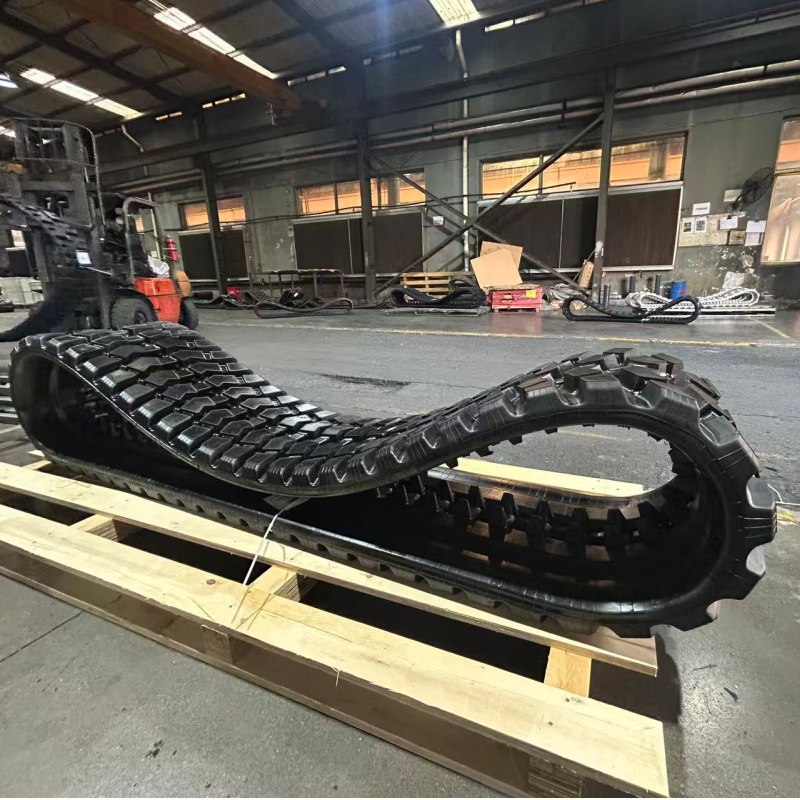
Why Global B2B Buyers Need Reliable Skid Steer Tracks
The global heavy machinery market relies heavily on compact loaders as the backbone of countless industrial operations. It is crucial to distinguish between traditional wheeled Skid Steer Loaders (SSLs) and Compact Track Loaders (CTLs). While wheeled SSLs rely on tires and do not experience undercarriage wear in the same manner, CTLs feature dedicated track undercarriages designed for punishing environments, ranging from abrasive demolition sites to muddy agricultural fields. This intense deployment leads to accelerated undercarriage wear on CTLs, which typically accounts for 15% to 20% of total machine maintenance costs. Consequently, a sustained surge in replacement demand—growing at an estimated 5% to 7% CAGR globally—is prompting organizations to re-evaluate their purchasing strategies.
Acquiring durable tracks is no longer just a maintenance routine; it is a direct defense against financial loss. Analyzing total cost of ownership (TCO) reveals that inferior tracks lead to frequent derailments. In severe risk scenarios, hourly downtime costs can range from $150 to $500+ per machine, potentially triggering penalty clauses for missed project deadlines. Securing high-quality tracks for skid loaders ensures that machinery remains operational, preventing these costly disruptions and maintaining overall productivity. Prioritizing undercarriage components that can withstand high-torque applications without premature failure is essential for long-term profitability.
Furthermore, supply chain disruptions highlight that reactive purchasing is highly inefficient. By understanding the underlying drivers of track degradation and anticipating 1,000- to 1,500-hour replacement cycles, B2B buyers can transition from emergency spot-buying (which often incurs 20% to 30% premium markups) to proactive inventory management, ensuring that replacement rubber tracks are available exactly when and where they are needed.
Demand Drivers in Construction, Agriculture, and Rental Fleets
Three primary market catalysts drive this escalating demand across key sectors, though specific requirements often vary by region, season, and market tier. First, aging fleets in the construction industry require extended equipment utilization, pushing existing undercarriages past their original lifespans and accelerating the need for robust replacements. Second, agricultural operations are maximizing machine uptime to combat tighter, weather-dependent planting and harvesting windows, making durable tracks indispensable for maintaining low ground pressure (typically 4.0 to 5.5 PSI). Finally, rapid rental fleet expansion represents a unique challenge; because operators frequently change and utilization rates often exceed 65%, investing in premium tracks helps extend the rental lifecycle and maximize return on investment.
Market Signals That Indicate Track Replacement Needs
Recognizing early physical indicators of track failure before they cause operational halts is critical. Key metrics include significant tread depth reduction (often falling below 10mm to 15mm), the appearance of deep exterior cracks (exceeding 5mm in depth), or the exposure of internal steel cords. Furthermore, when operators report excessive machine vibration, loss of traction on standard terrain, or a noticeable drop in fuel efficiency (often 5% to 10%) due to slippage, it is time to initiate the purchasing process.
However, excessive vibration or slippage may also indicate worn sprockets, degraded idlers, or improper track tension—not solely track degradation. Implementing proactive maintenance practices, such as regular track tension adjustments (typically maintaining 1 to 2 inches of sag depending on OEM specs), daily undercarriage cleaning, and alignment checks, can significantly extend track lifespan and lower TCO. Once a failure is diagnosed or deemed imminent, the focus naturally shifts to selecting the right replacement criteria to ensure long-term reliability.
What Specifications and Quality Factors Matter Most
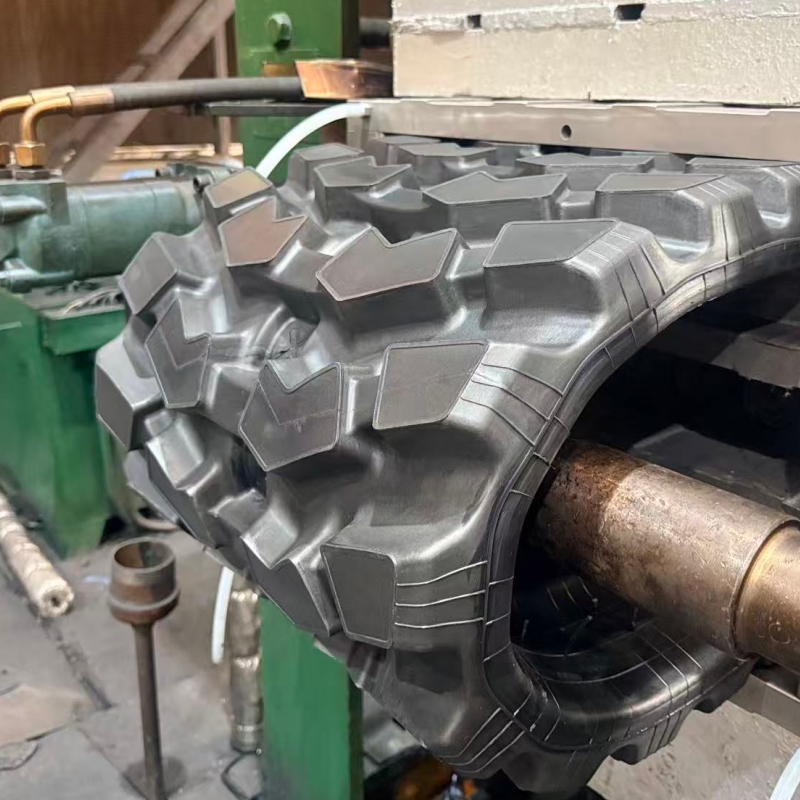 During the evaluation phase, understanding the technical specifications of skid steer tracks is non-negotiable. The market offers a vast array of options, but selecting the correct configuration dictates the machine’s efficiency and the track’s longevity. Evaluating the engineering standards applied during manufacturing ensures the product meets operational demands far better than relying on initial purchase price alone.
The foundational metric is the track size formula, typically expressed as Width (mm) x Pitch (mm) x Number of Links (e.g., 320 x 86 x 52). A mismatch of even 1 to 2mm in pitch dimensions will result in fitment errors and derailment—major TCO risk factors that directly cause unexpected downtime and severe damage to undercarriage sprockets and idlers. Therefore, purchasing criteria need to mandate strict dimensional tolerances (e.g., ±2mm) and robust material composition to handle the dynamic, high-impact loads of daily operations. It is also critical to note that optimal specifications, track performance, and lifespan depend heavily on OEM guidelines, regional standards, and specific operating conditions, meaning there is no one-size-fits-all solution.
Track Size, Rubber Compounds, Cords, and Tread Patterns
Tracks manufactured from a balanced blend of natural and synthetic virgin rubber (often utilizing a 70/30 or 60/40 ratio) are highly effective at preventing premature dry rot and chunking under heavy friction. Beneath the rubber, continuous steel cord technology is widely preferred to reduce the risk of snapping under heavy loads, increasing tensile strength by up to 40% compared to overlapping cords. Because manufacturing quality and OEM design standards vary significantly across brands, verifying specific engineering tolerances is safer than relying on universal rules. Additionally, matching the tread pattern to the application is essential. For instance, C-lug patterns offer excellent traction and a smooth ride on hard surfaces, while zig-zag or block patterns provide the necessary grip for muddy, snowy, or uneven terrains.
Rubber vs. Steel Tracks: Performance and Cost Trade-Offs
Weighing the benefits of rubber versus steel tracks depends heavily on the specific deployment environment. As noted earlier, replacement rubber tracks are designed specifically for the dedicated undercarriages of CTLs, whereas over-the-tire steel tracks are aftermarket attachments fitted over the tires of traditional wheeled SSLs to enhance traction. Rubber tracks are the standard for versatility, offering lower noise levels, reduced vibration, and minimal damage to paved surfaces. Conversely, over-the-tire steel tracks are reserved for the most aggressive environments, such as forestry or scrap yards, where puncture resistance is paramount.
How to Lower Sourcing, Compliance, Logistics, and Lifecycle Risk
As global B2B buyers turn to reliable tracks for skid steer machines as replacement demand continues to rise, I consistently advise procurement teams to implement stringent risk mitigation strategies. Sourcing heavy machinery components across borders introduces significant compliance, logistical, and lifecycle vulnerabilities that require proactive management.
Supplier Verification, Certifications, and Quality Control Checks
To minimize sourcing risks, I recommend establishing a strict verification protocol before finalizing any international contracts. Reliable manufacturers must provide transparent documentation regarding their production standards and quality management systems.
- ISO Certifications: Ensure the supplier holds active ISO 9001:2015 certifications, which guarantee standardized manufacturing and defect-reduction processes.
- Material Testing Reports: Request independent, third-party lab results verifying the tensile strength of the continuous steel cords and the gouge resistance of the synthetic rubber compounds.
- Factory Audits: Conduct virtual or on-site inspections to assess production capacity and quality control (QC) checkpoints, specifically monitoring vulcanization temperature logs and final ultrasonic defect inspections.
Maintaining a documented audit trail of these certifications protects buyers from importing substandard, non-compliant construction equipment parts that could violate regional safety regulations.
Procurement Checklist for Cost, Delivery, and After-Sales Support
Managing logistics and lifecycle risks requires a comprehensive evaluation of the total procurement package. I use the following criteria to benchmark track suppliers against international trade standards:
| Procurement Factor | Key Considerations | Risk Mitigation Strategy |
|---|---|---|
| Cost & Sourcing | Unit price vs. Total Cost of Ownership (TCO) | Factor in expected operating hours and machine downtime, avoiding the trap of low initial purchase prices. |
| Logistics & Delivery | Shipping terms, tariffs, and lead times | Utilize standard Incoterms (e.g., FOB or DAP) to clearly define liability and insurance obligations during maritime transit. |
| After-Sales Support | Warranty periods and claim resolution | Secure minimum 12-to-18-month pro-rated warranties explicitly covering premature snapping or tread delamination. |
By strictly adhering to this checklist, I ensure that supply chains remain resilient against unexpected shipping delays and premature equipment failures, ultimately safeguarding long-term operational profitability.
Key Takeaways
- Plan CTL track replacement around the 1,000- to 1,500-hour range to avoid emergency purchases and reduce downtime exposure.
- Evaluate total cost of ownership because CTL undercarriages can represent 15% to 20% of total machine maintenance costs.
- Replace or inspect tracks when tread depth falls below 10mm to 15mm, cracks exceed 5mm, or steel cords become visible.
- Account for downtime costs of $150 to $500+ per machine hour when comparing low-cost tracks with higher-quality replacements.
- Inspect sprockets, idlers, and track tension before blaming vibration, slippage, or fuel-efficiency losses solely on the tracks.
- Use proactive inventory planning to avoid emergency spot-buying premiums that can add 20% to 30% to replacement costs.
Frequently Asked Questions
Why is replacement demand rising for skid steer and compact track loader tracks?
Demand is rising because CTLs operate in abrasive, muddy, and high-torque environments that accelerate undercarriage wear. Replacement cycles of about 1,000 to 1,500 hours and global demand growth of roughly 5% to 7% CAGR are pushing B2B buyers to plan purchases earlier.
How much do CTL undercarriages affect maintenance costs?
CTL undercarriages typically account for 15% to 20% of total machine maintenance costs. Because tracks are a major wear item, choosing durable replacements can reduce downtime, limit derailments, and improve total cost of ownership.
What are the main signs that tracks need replacement?
Common signs include tread depth below 10mm to 15mm, deep exterior cracks over 5mm, exposed steel cords, reduced traction, higher vibration, and a 5% to 10% drop in fuel efficiency due to slippage.
Can vibration or slippage always be blamed on worn tracks?
No. Vibration or slippage may also come from worn sprockets, damaged idlers, or improper track tension. Buyers should inspect the full undercarriage before confirming a track replacement order.
Why should B2B buyers avoid emergency track purchases?
Reactive spot-buying can add 20% to 30% premium markups and increase downtime risk. Proactive inventory planning helps ensure replacement tracks are available when machines approach expected service-hour limits.
Post time: Sep-11-2026