
Choosing the right tracks for skid steer loaders significantly affects project outcomes. I have seen how the right rubber tracks for skid loader can enhance performance and efficiency, especially in challenging terrains. In construction and landscaping, this choice directly influences productivity and overall project timelines.
Key Takeaways
- Choosing the right tracks for skid steer loaders boosts performance and efficiency, especially in tough terrains.
- Regular inspections and maintenance of tracks can prevent costly repairs and extend their lifespan.
- Investing in premium heavy-duty tracks can lead to long-term savings through increased productivity and reduced fuel costs.
Key Factors for Selection
Performance Impact
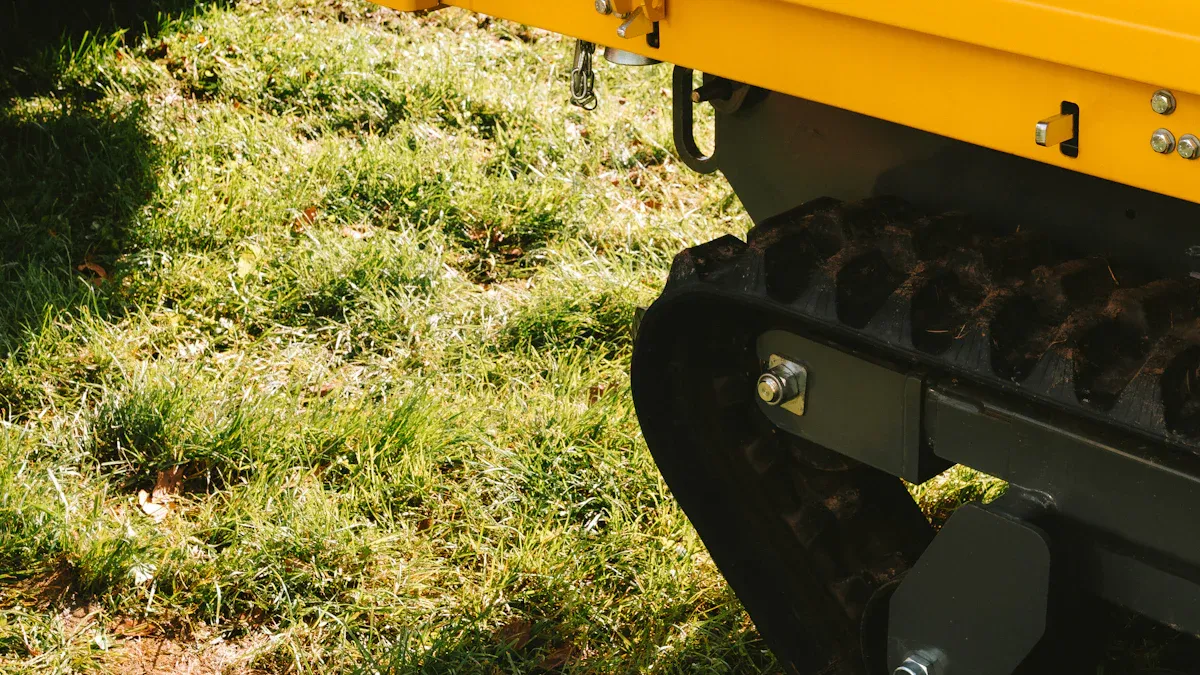
Selecting the right tracks for your skid steer loader can significantly enhance performance on the job site. I have found that the track construction plays a crucial role in this aspect. For instance, tracks with steel cords provide structural integrity, while reinforced sidewalls protect against cuts and punctures. This combination ensures that the tracks can withstand the rigors of construction and landscaping tasks.
When considering the operating environment, I always evaluate the specific conditions I will face. Tracks designed for abrasion resistance and heat resistance are essential for harsh terrains. Additionally, the track pattern can affect performance. For example, block treads offer durability in demolition, while multi-bar tracks excel in soft ground traction.
Here’s a quick overview of how different track patterns perform:
| Track Tread Pattern | Performance Characteristics | Suitable Job Site Conditions |
|---|---|---|
| Block Pattern | General-purpose, maintains OEM specs, all-around use | General applications |
| C-Pattern | Standard design, smooth ride, good traction, maintains OEM specs | General applications |
| Terrapin Pattern | Advanced, multi-purpose, reduces vibration, excellent traction on uneven/wet surfaces, turf-friendly, debris protection, long lifespan | Uneven, wet surfaces, turf-sensitive areas, hard surfaces (non-marking grey) |
| Technology Design Formulation (TDF) Pattern | Heavy-duty, designed for large workloads and powerful loaders, longer lifespan, multiple lugs per pitch profile | Heavy-duty applications |
| Zigzag Pattern | Excellent traction in slippery terrain (mud, clay, snow), more vibration on hard surfaces | Wet, slippery terrain |
| Turf Pattern | Smooth tread, low ground pressure, smooth ride, minimal terrain disturbance | Sensitive environments like golf courses, lawns, yards |
Durability Considerations
Durability is another critical factor when selecting tracks. I have learned that the lifespan of rubber tracks for skid loader typically ranges from 1,200 to 2,500 hours, depending on the application severity and terrain conditions. For example, tracks on pavement or concrete wear faster than those on soil or soft surfaces.
Environmental factors also play a significant role in track durability. In colder weather, rubber tracks can become stiffer and more brittle, increasing the risk of cracking. I recommend using high-quality winter tracks designed with special rubber compounds to maintain flexibility in freezing temperatures. Additionally, rocky or abrasive surfaces can lead to quicker deterioration, while smoother terrains can prolong track life.
Cost-Effectiveness
Investing in premium heavy-duty rubber tracks can lead to long-term cost savings. I have observed that enhanced efficiency increases productivity and reduces operational time. This improvement can save up to 5% in daily fuel costs without sacrificing performance. Furthermore, lower maintenance costs result from automatic lubrication systems that reduce wear and tear, leading to fewer repairs.
Here’s a summary of the benefits of investing in premium tracks:
| Feature | Benefit |
|---|---|
| Enhanced Efficiency | Increases productivity and reduces operational time |
| Reduced Fuel Consumption | Saves up to 5% in daily fuel costs without sacrificing performance |
| Lower Maintenance Costs | Automatic lubrication reduces wear and tear, leading to fewer repairs and lower costs |
Comparison of Top Brands
When it comes to heavy-duty skid steer loader tracks, several brands stand out in the construction and landscaping industries. Here’s a closer look at three of the top brands I often recommend based on my experiences.
Brand A Overview
I frequently recommend Bobcat for its high-quality tracks. Their tracks feature reinforced materials that ensure operational safety and efficiency. The use of durable rubber compounds like EPDM and SBR enhances wear resistance and flexibility. Customers often praise Bobcat for its superior traction and extended service life, making it a reliable choice for demanding applications. Additionally, Bobcat offers a 2-year, 2,000-hour warranty, which provides peace of mind for users.
Brand B Overview
Caterpillar (CAT) is another brand I trust. CAT tracks are known for their exceptional tensile strength and abrasion resistance. These features significantly increase longevity, especially on rough terrains. Users report improved performance in various conditions, which makes CAT a popular choice among contractors. The brand also emphasizes customer support, ensuring parts availability and dealer assistance across North America.
Brand C Overview
Lastly, I often highlight John Deere for its innovative technologies. Their tracks utilize advanced rubber compounds and proprietary metal bonding technology, which enhances durability and longevity. The SpoolRite Belting Technology™ offers exceptional strength, making John Deere tracks a formidable option for heavy-duty applications. Users appreciate the reduced operating costs associated with these tracks, as they tend to last longer than standard aftermarket alternatives.
Specific Applications
Construction Use Cases
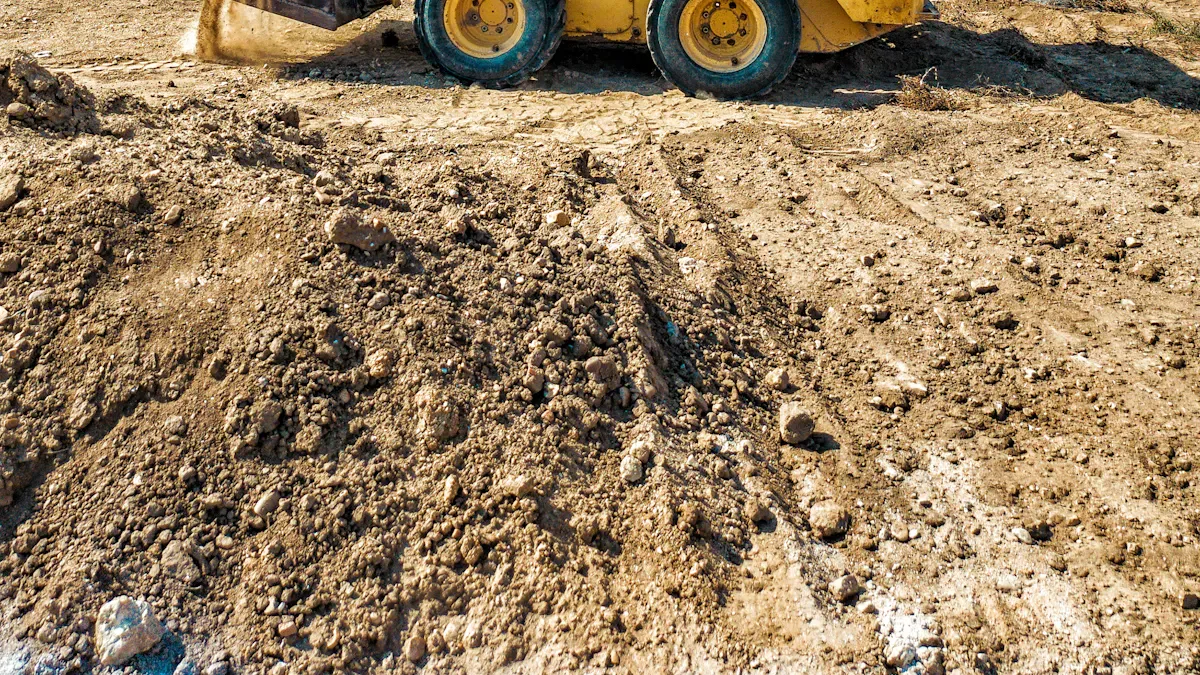
In construction, heavy-duty skid steer loader tracks play a vital role in various tasks. I often see these tracks excel in demolition, where they navigate tight spaces effectively. They also prove invaluable during roadwork, assisting in building and maintaining roads with different attachments. Other common tasks include excavation, where I rely on them for digging and trenching, as well as backfilling and grading to level ground. Lastly, they facilitate loading, making it easier to transport materials across the job site.
Landscaping Use Cases
When it comes to landscaping, I find that specialized tracks are essential. Compact track loaders equipped with heavy-duty tracks navigate slopes and tricky terrain with ease. Their design allows for optimal stability and broad weight distribution, making them effective in wet, muddy, and snowy conditions. I often use skid steers for excavation, grading, and soil preparation. They handle tasks like digging foundations and leveling surfaces efficiently, ensuring a smooth workflow.
Terrain Considerations
Different terrains significantly affect the performance of heavy-duty tracks. For instance, in muddy conditions, multi-bar tracks provide excellent traction, while zigzag tracks excel in slippery environments. In snow, I prefer tracks with high-performance rubber compounds that maintain flexibility and resist cuts. The right choice of rubber tracks for skid loader can enhance grip and durability, ensuring safety and efficiency on the job site. Proper track selection based on terrain is crucial for maximizing performance and minimizing maintenance.
Maintenance Tips
Regular Inspections
I always inspect my skid steer loader tracks after every 50 hours of operation. This routine helps me catch any early signs of wear or damage before they become costly problems. During inspections, I carefully check for cuts, cracks, or unusual wear patterns. I also adjust the track tension regularly, depending on the terrain and workload. Proper tension prevents premature wear and improves overall performance. Ignoring these checks can lead to downtime and expensive repairs.
Cleaning and Care
Keeping the tracks and undercarriage clean is essential for extending their lifespan. I make it a habit to clean off mud and debris after each workday. Using a high-pressure hose or a stiff brush helps remove caked-on dirt that can cause abrasion. In dusty environments, I clean the cooling area daily to avoid overheating. I also use compressed air to blow out debris from the engine bay, taking care to cover electronics when using pressure washers. These steps maintain the flexibility and traction of the rubber tracks for skid loader, ensuring they perform well in tough conditions.
Storage Recommendations
Proper storage during off-seasons protects tracks from damage and degradation. Before storing, I perform a full service, including fluid and filter changes. I lubricate all grease points and extend hydraulic cylinders to protect seals. Washing the machine and applying rust-preventative coatings keeps metal parts safe. I disconnect and store batteries in a cool, dry place and top off fuel and hydraulic tanks to prevent condensation. Finally, I take measures to protect the equipment from rodents, which can cause costly damage. These precautions help keep the tracks ready for the next project.
Purchasing Options
Where to Buy
Finding the right supplier for heavy-duty skid steer rubber tracks can make a big difference in your buying experience. From my experience, North America offers several reputable sources that provide quality tracks with reliable service. One of the largest online suppliers is Rubber Tracks Warehouse. They stand out for their extensive brand offerings and fast shipping options, including same-day pick-up in major cities and next-day delivery. This level of service helps me keep projects on schedule without worrying about long wait times.
Another notable supplier is McLaren Industries, known for their versatile Terrapin series skid steer tracks. Their unique tread patterns deliver excellent traction and turf-friendly options, which I find useful for landscaping jobs that require minimal ground disturbance. McLaren also offers non-marking tracks designed for smooth rides, which adds to their appeal.
Here’s a quick look at these suppliers:
| Supplier Name | Description | Key Features |
|---|---|---|
| Rubber Tracks Warehouse | Largest online supplier of rubber tracks and tires in North America | Free shipping, same-day pick-up in major cities, next-day delivery, extensive brand offerings |
| McLaren Industries | Offers versatile Terrapin series skid steer tracks | Excellent traction, turf-friendly, non-marking options, designed for smooth rides |
Online vs. Local Dealers
Choosing between online retailers and local dealers depends on your priorities. I have weighed the advantages of both and found that each has unique benefits.
Online retailers provide access to a nationwide or even global inventory. This access allows me to explore a wider range of products beyond what local dealers stock. Many e-commerce platforms offer financing options and digital documentation, which simplifies the purchasing process. I also appreciate the ability to customize orders and request specific modifications to meet my project needs. Real-time price comparison tools online help me find the best deals quickly. Additionally, customer reviews and post-purchase support available on these platforms guide me in making informed decisions.
On the other hand, local dealers offer hands-on service and immediate support. I can inspect tracks physically before buying and get expert advice tailored to my local terrain and conditions. Local dealers often provide faster warranty service and easier returns. Building a relationship with a dealer can lead to better long-term support and access to parts.
Here’s a summary of the advantages of buying online:
| Advantage | Description |
|---|---|
| Access to Nationwide and Global Inventory | Explore inventory beyond local availability, increasing options. |
| Efficient Financing and Documentation | Simplifies purchase with online financing and digital paperwork. |
| Customization and Personalization | Allows specification of unique requirements and modifications. |
| Real-time Price Comparison | Enables quick evaluation of prices across sellers for best value. |
| Post-purchase Support and Reviews | Provides customer feedback and support to aid decision-making. |
Price Comparisons
Price plays a crucial role when purchasing heavy-duty skid loader tracks. I always compare prices from multiple sources to ensure I get the best value without sacrificing quality. Online suppliers often offer competitive pricing due to lower overhead costs. They also run promotions or bulk discounts that can reduce expenses.
Local dealers might have higher prices but compensate with personalized service and faster support. Sometimes, they include installation or maintenance packages that add value. When comparing prices, I factor in shipping costs, delivery times, and warranty terms. A slightly higher price with better warranty coverage and quicker service can save money in the long run.
In my experience, balancing price with supplier reliability and service quality leads to the best purchasing decision. I recommend creating a checklist of your priorities—such as budget, delivery speed, and after-sales support—and use it to evaluate each option carefully.
Tip: Always ask suppliers about hidden fees like shipping or restocking charges. Transparent pricing helps avoid surprises and keeps your project on budget.
Choosing the right tracks for skid steer loaders is crucial for success in construction and landscaping. I encourage you to consider your specific needs, such as terrain and equipment type. Proper track selection enhances stability, minimizes downtime, and protects your machine’s value, ultimately boosting productivity and efficiency.
FAQ
What are the benefits of using heavy-duty tracks?
Heavy-duty tracks enhance traction, improve stability, and increase the lifespan of your skid steer loader. They also reduce maintenance costs and boost overall productivity.
How often should I replace my skid steer tracks?
I recommend replacing tracks every 1,200 to 2,500 hours, depending on usage and terrain. Regular inspections help identify wear and tear early.
Can I use standard tracks for all terrains?
Standard tracks may not perform well in extreme conditions. I always choose specialized tracks based on specific terrain types for optimal performance.

Post time: Mar-23-2026