Introduction
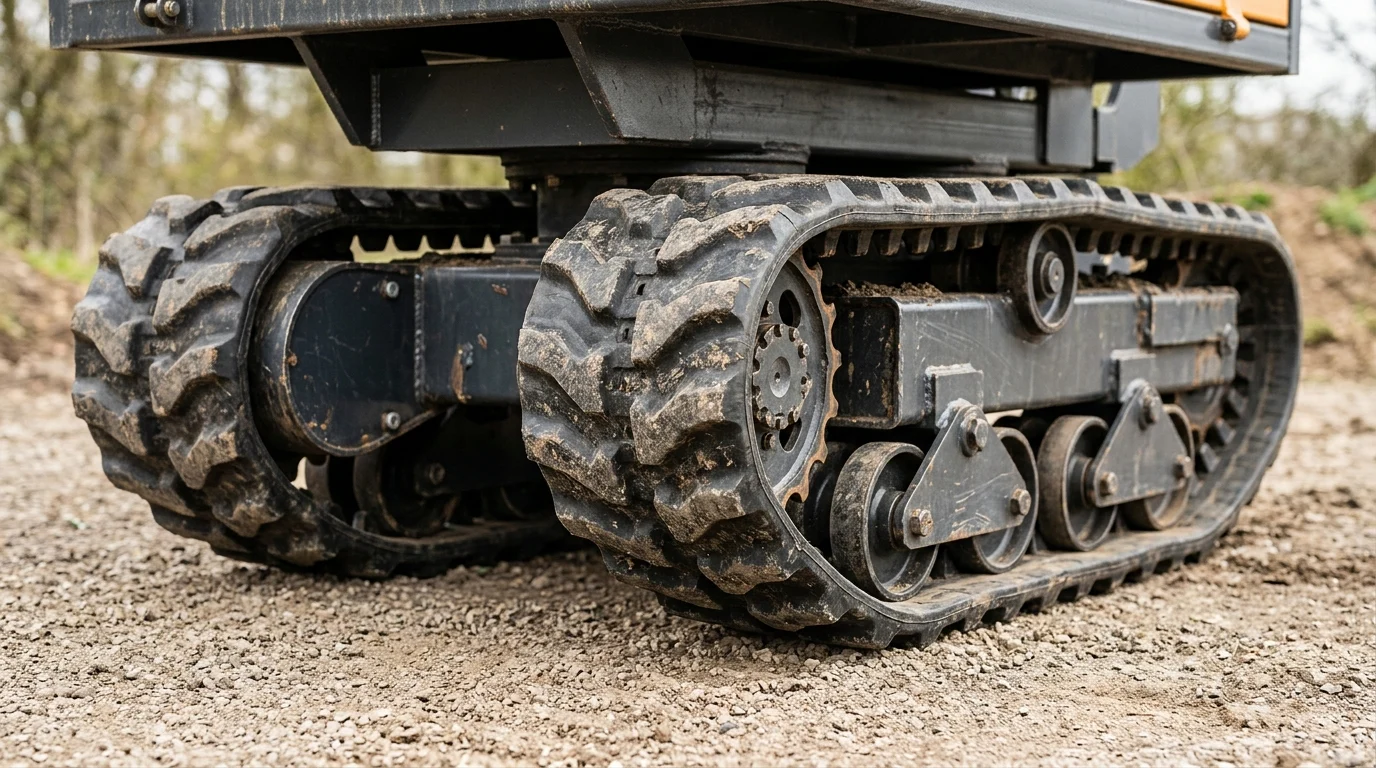
Choosing dumper rubber tracks is less about finding the lowest price and more about matching track design to payload, duty cycle, and ground conditions. The right choice affects stability, traction, undercarriage wear, and how often a machine is pulled out of service for track damage or premature replacement. This article explains how to compare load capacity, tread and compound options, and construction quality so you can judge whether a standard or premium track makes better financial sense. By the end, you’ll have a practical framework for balancing upfront cost with service life, reliability, and total operating expense.
Assess Load and Operating Conditions
Selecting the appropriate dumper rubber tracks requires a rigorous assessment of the machine’s operational demands. Track failure under heavy payloads not only halts site productivity but also accelerates undercarriage degradation. Equipment managers must establish a precise baseline of environmental conditions and load requirements before evaluating track compounds and internal architectures.
Load Rating, Duty Cycle, and Ground Conditions
The fundamental metric for track selection is the machine’s operating weight combined with its maximum payload capacity. Tracked dumpers carrying payloads between 2,500 kg and 5,000 kg exert immense ground pressure, necessitating tracks engineered with high-tensile steel cores to prevent elongation. Duty cycles also significantly impact thermal degradation; continuous 10-to-12-hour shifts generate internal friction that degrades standard rubber compounds much faster than intermittent use.
Furthermore, ground conditions dictate the required rubber hardness and tread profile. Highly abrasive environments, such as crushed concrete or demolition sites, require chunk-resistant synthetic blends. Conversely, soft, muddy terrain demands high-flotation profiles to distribute the machine’s weight, prevent sinking, and maintain traction without overworking the drive motors.
When Premium Tracks Are Worth It
Investing in premium dumper rubber tracks is a calculated financial decision driven by Total Cost of Ownership (TCO) rather than initial procurement costs. Premium tracks typically command a 20% to 35% higher upfront price. However, they frequently utilize advanced anti-vibration technologies and superior natural-to-synthetic rubber ratios designed for extreme environments.
In rigorous applications, these premium tracks can achieve lifespans of 1,500 to 2,000 operating hours, sharply contrasting with the 800 to 1,000 hours typical of budget alternatives. For fleet managers operating high-utilization equipment in unforgiving terrains, the reduction in machine downtime and replacement labor easily offsets the initial premium.
Compare Key Track Specifications
Beyond operational assessments, buyers must scrutinize the exact physical and structural specifications of the tracks. The dimensional accuracy and internal engineering of a track directly govern its compatibility, traction, and resistance to snapping under high-torque loads.
Width, Pitch, Tread Pattern, and Construction
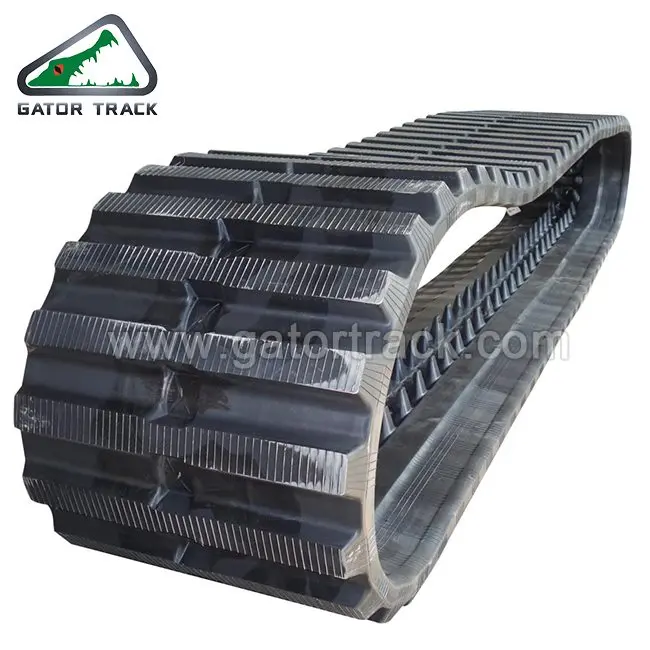
Dimensional specifications are universally denoted by width, pitch, and the number of links. Dumper tracks generally feature widths ranging from 230mm for compact models up to 800mm for heavy-duty carriers. Pitch—the exact distance between the centers of two consecutive drive lugs—must align perfectly with the machine’s sprocket to prevent derailment.
Internally, Continuous Steel Cord (CSC) construction has become the industry standard for demanding applications. This manufacturing technique eliminates the overlapping joints that historically caused premature snapping, effectively increasing the track’s tensile strength by up to 40%. Tread patterns also play a vital role in operational efficiency.
| Tread Pattern | Best Application | Key Characteristics |
|---|---|---|
| Staggered Block | Hard surfaces, asphalt | Low vibration, minimal surface damage |
| Zig-Zag / C-Lug | Mud, snow, loose dirt | High traction, excellent self-cleaning |
| Straight Bar | Aggressive off-road | Maximum forward grip, higher vibration |
OEM vs Aftermarket Options
The decision between Original Equipment Manufacturer (OEM) and aftermarket tracks hinges on balancing budget constraints with performance guarantees. Opting for aftermarket options can reduce capital expenditure by 15% to 40% per track.
However, the aftermarket sector exhibits high variance in quality. Procurement specialists must verify the specific material composition of aftermarket alternatives, ensuring a minimum of a 50% natural rubber blend for optimal tear resistance. High-tier aftermarket manufacturers now routinely replicate or even exceed OEM specifications by integrating heavier drop-forged steel links and optimized lug geometries, making them highly viable for heavy-load dumper applications.
Evaluate Suppliers and Reduce Purchase Risk
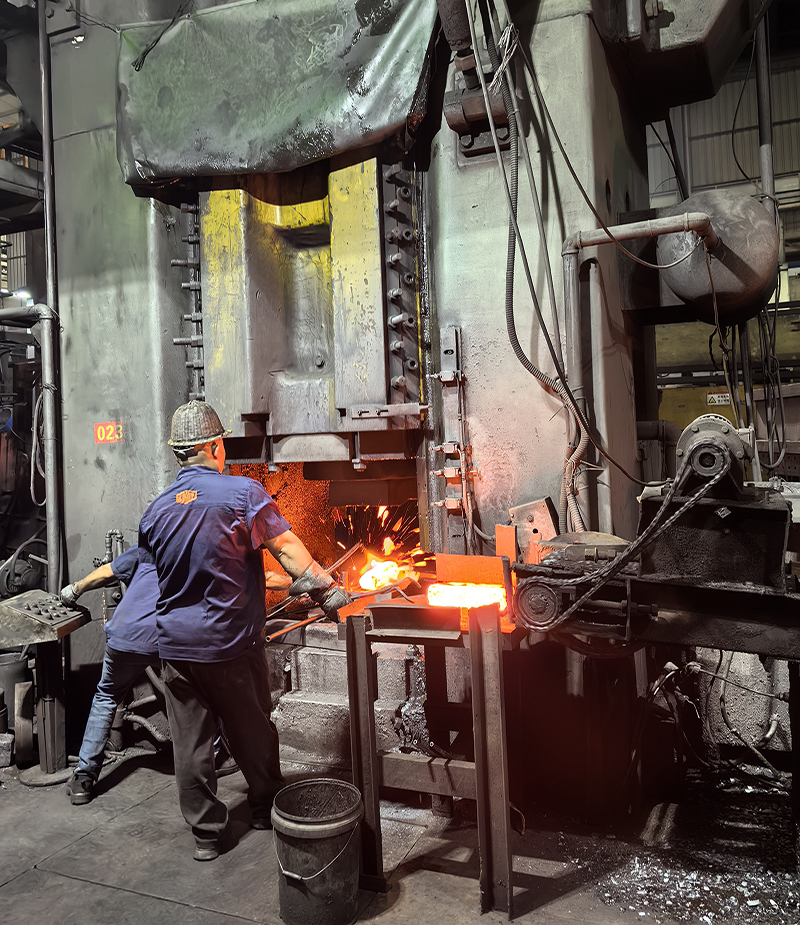
Securing high-quality dumper rubber tracks extends beyond technical specifications; it requires rigorous supplier evaluation and risk mitigation strategies. A structured procurement process ensures that the delivered tracks meet exact operational tolerances and are backed by reliable commercial protections.
How to Match Tracks to Machine Requirements
Precise matching of tracks to machine requirements is the first line of defense against procurement errors. Buyers must locate the stamped size on the inner casing of the existing track, typically formatted as Width x Pitch x Links (for example, 320x90x56). If the stamp is illegible due to wear, manual measurement using industrial calipers is mandatory to ensure correct fitment.
Additionally, installing new tracks on severely worn sprockets or idlers can reduce the new track’s lifespan by up to 20%. Evaluating undercarriage wear prior to finalizing a track purchase ensures that the new rubber components will operate within the manufacturer’s designed tension and alignment parameters, preventing premature failure.
Warranty, Lead Time, and Compliance Checks
Supplier reliability is quantified through warranty terms, production lead times, and adherence to international manufacturing standards. Reputable suppliers typically offer pro-rated warranties ranging from 12 to 18 months, or approximately 1,000 to 1,500 operating hours. Buyers should request historical quality control data, targeting a structural defect rate of less than 0.5% across production batches.
For bulk fleet orders, logistics must be heavily factored into the risk assessment; standard sea freight lead times often span 4 to 6 weeks, requiring precise inventory forecasting to avoid equipment grounding. Finally, verifying ISO 9001 compliance ensures the manufacturer maintains strict quality management systems regarding rubber curing times and steel cord alignment.
Key Takeaways
- The most important conclusions and rationale for Dumper Rubber Tracks
- Specs, compliance, and risk checks worth validating before you commit
- Practical next steps and caveats readers can apply immediately
Frequently Asked Questions
How do I choose the right load capacity for dumper rubber tracks?
Match the track to the dumper’s operating weight plus maximum payload, not empty weight alone. For heavy loads and long shifts, choose reinforced tracks with high-tensile steel cores.
When are premium dumper rubber tracks worth the extra cost?
Premium tracks make sense for high-use dumpers, abrasive sites, or 10–12 hour shifts. They cost more upfront but often last much longer and reduce downtime.
What track size information do I need before ordering?
Check the stamped size on the old track: width x pitch x links, such as 320x90x56. If unreadable, measure carefully to confirm fitment and avoid derailment issues.
Which tread pattern works best for my jobsite?
Use staggered block for hard surfaces, zig-zag or C-lug for mud and snow, and straight bar for aggressive off-road traction. Match tread to terrain to improve life and performance.
Why buy dumper rubber tracks from Gator Track?
Gator Track manufactures rubber tracks directly and offers broad fitment options. That helps buyers source quality dumper tracks with practical support from a specialized undercarriage supplier.
Post time: Apr-22-2026