
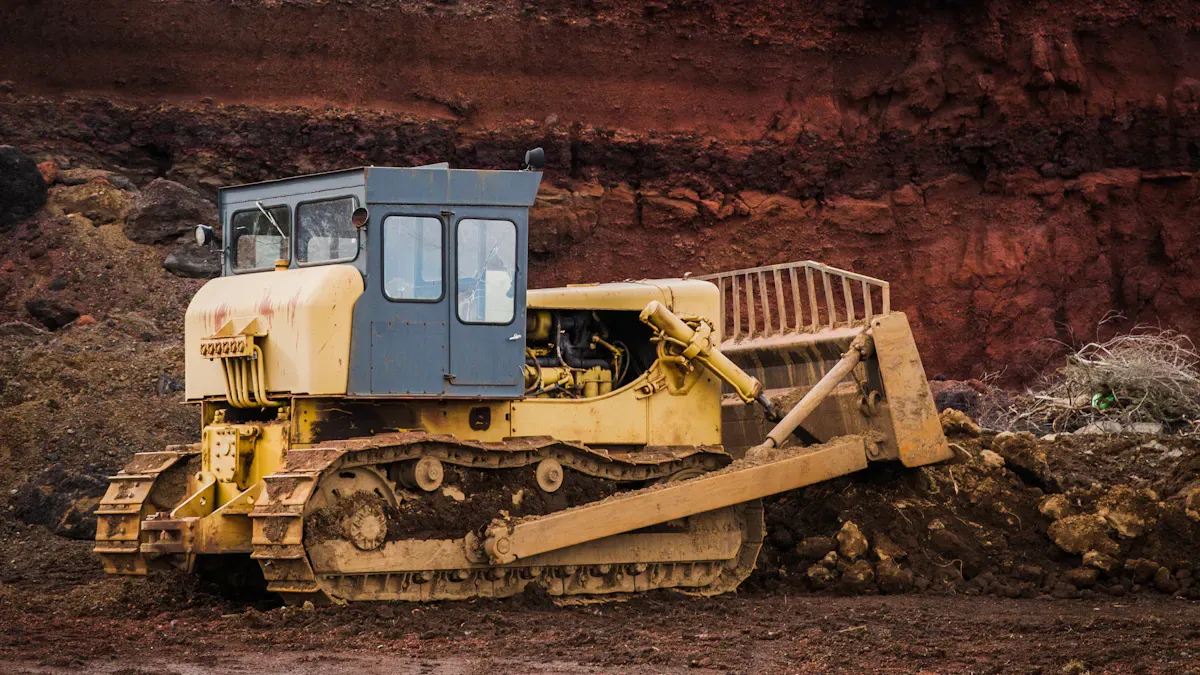
Selecting durable chain-on rubber track pads is vital for achieving optimal performance in heavy-duty excavators. I always ensure compatibility with my excavator model to prevent installation issues. A proper fit not only enhances operational efficiency but also allows me to use the same track pads across different models. Moreover, the quality of materials significantly influences the longevity of the track pads, making it essential to choose wisely.
Key Takeaways
- Always check compatibility with your excavator model before purchasing track pads. This ensures a proper fit and enhances operational efficiency.
- Evaluate the material quality of track pads. High-quality rubber and durable materials lead to longer-lasting performance and reduced operational costs.
- Consider environmental conditions when selecting track pads. Different terrains and weather can impact performance, so choose pads that suit your specific needs.
Understanding Compatibility
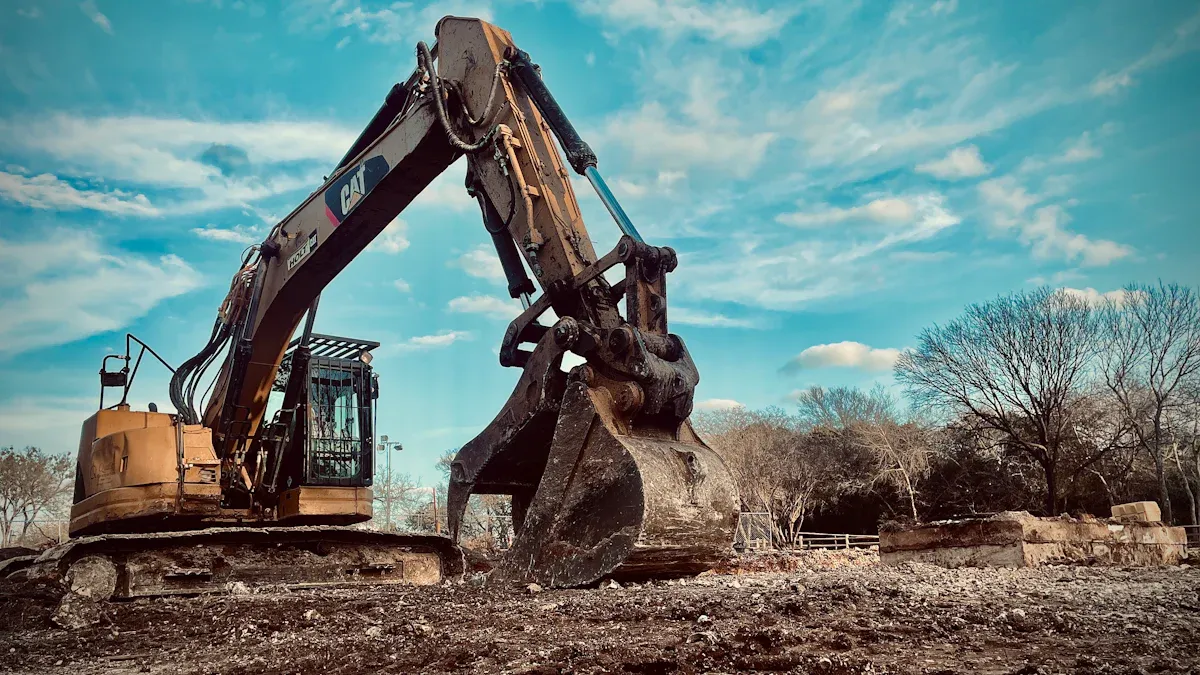
When I select chain-on rubber track pads, compatibility with my excavator model is my top priority. Understanding the specific requirements of my excavator ensures that I make the right choice.
Excavator Model Specifications
Each excavator model has unique specifications that influence the selection of chain-on rubber track pads. Here’s a quick reference table that outlines the most critical specifications:
| Specification | Details |
|---|---|
| Track Chain Pitch | Must match original steel link (e.g., 135mm) |
| Pad Width | Common sizes: 300mm, 450mm, 500mm, 600mm |
| Attachment Type | Clip-on, bolt-on, chain-on |
| Rubber Hardness | Typically 60–75 Shore A |
| Center Guide Height | Critical for alignment |
| Operating Temperature Range | -20°C to +70°C typical |
| Certifications | ISO9001, material test reports |
I always check these specifications to ensure that the track pads will fit my excavator perfectly. This attention to detail prevents installation issues and enhances overall performance.
Size and Dimensions
The size and dimensions of the excavator pads play a significant role in their compatibility. I often find that the width of the pads must align with the excavator’s track system. Common sizes include 300mm, 450mm, 500mm, and 600mm. Choosing the right width helps maintain stability and balance during operation.
Additionally, the track chain pitch must match the original steel link. This ensures that the pads attach securely and function effectively. I recommend measuring the existing track system before making a purchase to avoid any mismatches.
Tread Pattern Considerations
The tread pattern of chain-on rubber track pads significantly impacts performance. I have learned that different tread designs enhance traction on various surfaces, including loose soil, concrete, and asphalt. Here are some key points I consider when evaluating tread patterns:
- Special tread designs prevent slippage, ensuring reliable operation even on damp or slick surfaces.
- Engineers analyze specific operational requirements and challenges to create effective tread patterns.
- High-quality rubber track pads are engineered for exceptional performance and durability in heavy-duty operations.
By selecting the right tread pattern, I can improve traction, reduce ground damage, and extend the life of my excavator’s tracks.
Evaluating Material Quality
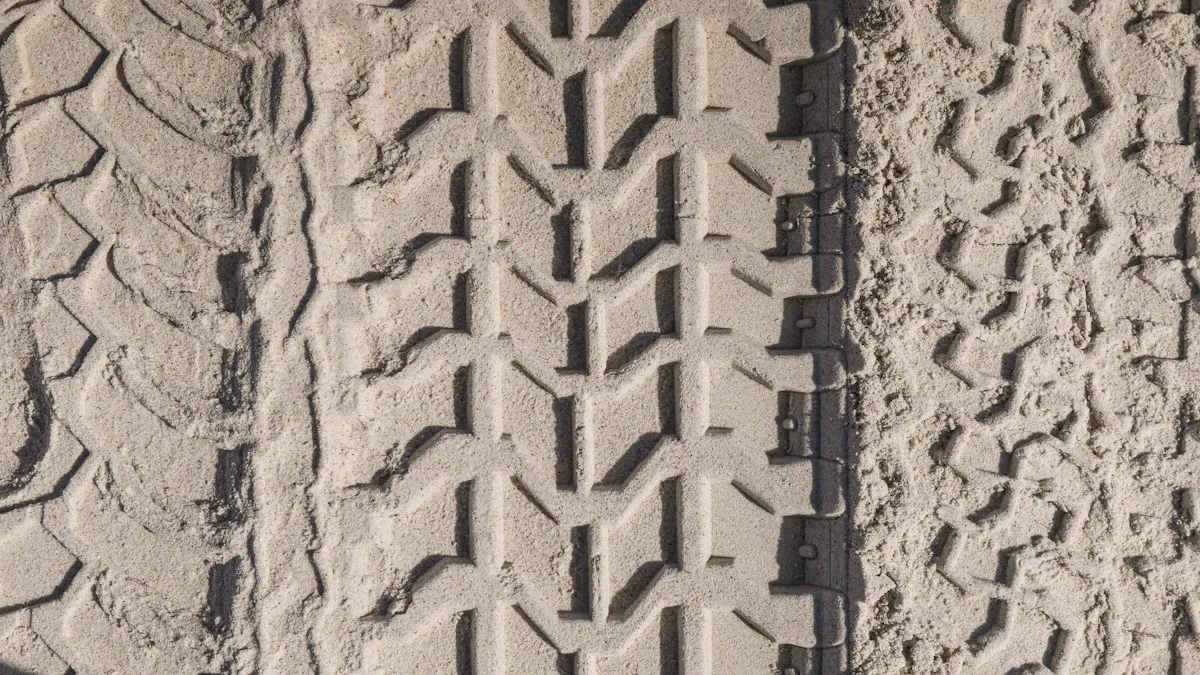
When I evaluate the material quality of excavator chain-on rubber pads, I focus on several key aspects. The materials used in their construction directly influence their performance and longevity.
Common Materials Used
I often find that the most commonly used materials in the production of chain-on rubber track pads include:
- Natural Rubber: Known for its flexibility and shock-absorbing qualities, natural rubber provides excellent traction and noise reduction.
- Synthetic Rubber: This material offers enhanced durability and resistance to wear, making it suitable for heavy-duty applications.
- Hardened Steel: Used in the pad chains, hardened steel adds strength and stability, ensuring that the pads withstand rigorous use.
- Rubber-Infused Composite: This combines the benefits of rubber and other materials, enhancing performance in various conditions.
- Alloy Steel (High-Tensile): This material is often used for its strength and resistance to deformation under heavy loads.
By understanding these materials, I can make informed decisions about which track pads will best suit my excavator’s needs.
Properties of High-Quality Rubber
High-quality rubber plays a crucial role in the performance of chain-on rubber track pads. Here are some properties I look for:
- Flexibility: High-quality rubber provides the necessary flexibility that allows track pads to adapt to various surfaces, ensuring optimal contact and traction.
- Shock Absorption: The rubber’s ability to absorb shocks helps reduce wear and tear during operation, extending the life of the pads.
- Noise Reduction: This property contributes to quieter operation, which is especially beneficial in urban and residential areas.
- Traction: Rubber track pads enhance traction on different surfaces, improving overall performance and safety.
These properties ensure that the track pads can handle the demands of heavy-duty work while maintaining their integrity over time.
Impact Resistance and Durability
Impact resistance and durability are critical factors in the selection of chain-on rubber track pads. I often refer to laboratory and field test results to assess these qualities. Here’s a summary of the tests I consider:
| Test Type | Description |
|---|---|
| Tensile Test | Evaluates the strength and elasticity of the rubber compounds. |
| Thermal Aging Test | Assesses the durability of the rubber under temperature variations over time. |
| Tear Test | Measures the resistance of the rubber to tearing forces. |
| Field Measurement | Records vertical displacement at railway transition zones to evaluate real-world performance. |
These tests provide valuable insights into how well the rubber compounds will perform under various conditions. I prioritize track pads that demonstrate high impact resistance and durability, as these features significantly reduce the risk of premature wear.
By carefully evaluating material quality, I can ensure that I choose the best chain-on rubber track pads for my heavy-duty excavator, ultimately leading to improved efficiency and reduced operational costs.
Assessing Track Pad Types
When I assess track pad types, I often compare standard and heavy-duty options. Heavy-duty chain-on rubber track pads, like Roadliner pads, excel in stability and durability. They are perfect for high-hour, high-impact jobs. I appreciate how they distribute loads evenly and provide structural strength. Their integrated design also results in quieter operation and less maintenance, as fewer moving parts mean fewer issues over time.
Standard vs. Heavy-Duty Pads
Standard pads work well for lighter applications, but I find that heavy-duty rubber pads outperform them in demanding environments. Heavy-duty pads are designed for rigorous tasks, while standard pads may wear out faster under similar conditions.
Features of Different Designs
I pay close attention to design features that enhance durability. Here’s a summary of key features I often consider:
| Design Feature | Benefit |
|---|---|
| Thicker and more durable materials | Increases longevity and resistance to wear. |
| Excellent surface protection | Prevents damage to paved roads, unlike bare steel tracks. |
| Enhanced tensile strength | Improves overall durability and performance during operation. |
| Internal supporting frames | Protects track shoes and allows for reuse, extending the life of the components. |
| Exclusive chamfers | Reduces scratches on surfaces and minimizes rubber chunking, aiding in maneuverability. |
| Easy replacement | Allows for quick changes without removing track shoes, saving time and reducing costs. |
Benefits of Each Type
Each type of chain-on rubber track pad offers unique benefits. For instance, the HXPCT-450F provides excellent performance and durability. The RP450-154-R3 stands out for its superior traction and reduced ground damage. Meanwhile, the RP400-135-R2 requires regular inspection to ensure longevity. I find that understanding these benefits helps me make informed decisions for my excavator’s needs.
Considering Environmental Conditions
When I choose chain-on rubber track pads, I always consider the environmental conditions where my excavator will operate. Different terrains and weather can significantly affect the performance and lifespan of the pads.
Terrain Types
I often encounter various terrains, such as mud, gravel, and asphalt. Each type influences my selection of track pads. For example, I find that rubber pads excel on soft ground, minimizing damage to vegetation and preventing soil compaction. Here’s a quick overview of how different terrains impact my choice:
| Environmental Factor | Impact on Rubber Track Pads |
|---|---|
| Minimal Ground Disturbance | Preserves root systems and reduces erosion. |
| No Damage to Vegetation | Protects natural habitats while moving over soft terrain. |
| Recyclability | Reduces landfill waste by allowing recycling into new products. |
| Lower Carbon Footprint | Efficient fuel use leads to lower emissions during operation. |
Weather Resistance
Weather conditions also play a crucial role in my decision-making. I look for track pads that can withstand rain, snow, and extreme heat. High-quality rubber compounds resist degradation from moisture and UV exposure. This resistance ensures that my pads maintain their integrity over time, even in harsh conditions.
Temperature Effects
Temperature variations can affect the performance of rubber track pads. I’ve learned that extreme cold can make rubber brittle, while excessive heat can lead to premature wear. The average lifespan of chain-on rubber track pads typically ranges from 2,000 to 4,000 operating hours. Factors like brand quality, operating conditions, and maintenance practices influence this lifespan. Regular inspections and timely replacements are essential for maximizing the longevity of my track pads.
By considering these environmental factors, I can select the most suitable chain-on rubber track pads for my excavator, ensuring optimal performance and durability.
Choosing the right chain-on rubber track pads requires careful evaluation of compatibility, material quality, and environmental factors. I find that proper installation and regular maintenance significantly enhance the durability and performance of my excavator. Here are some maintenance practices I follow:
- Conduct regular inspections for cuts and uneven wear.
- Clean pads thoroughly to remove debris.
- Maintain proper track tension to prevent premature wear.
Investing in high-quality track pads leads to improved efficiency and reduced operational costs. For example, these pads enhance durability, which lowers long-term repair costs and minimizes surface damage.
FAQ
What are the signs that my rubber track pads need replacement?
I look for uneven wear, cracks, or significant damage. If I notice these signs, I replace the pads promptly to maintain performance.
How can I extend the life of my track pads?
Regular inspections, cleaning debris, and maintaining proper track tension help me extend the life of my rubber track pads significantly.
Are heavy-duty track pads worth the investment?
Absolutely! Heavy-duty track pads provide better durability and performance, which ultimately saves me money on repairs and replacements in the long run.
Post time: Mar-18-2026