Selecting high-quality clip-on rubber track pads is crucial for optimal excavator performance. Several factors influence my choice, including ground conditions, equipment compatibility, and load capacity. Additionally, I must consider durability and material quality to ensure the pads meet my specific performance needs.
Key Factors to Consider:
- Ground Conditions
- Equipment Compatibility
- Load Capacity
- Durability and Material Quality
Key Takeaways
- Ensure compatibility by checking your excavator’s specifications, including track width and weight class, to avoid installation issues.
- Select rubber track pads based on your work environment; consider factors like surface type and weather conditions for optimal performance.
- Invest in high-quality materials and reputable brands to enhance durability and reduce maintenance costs over time.
Understand Your Excavator’s Requirements
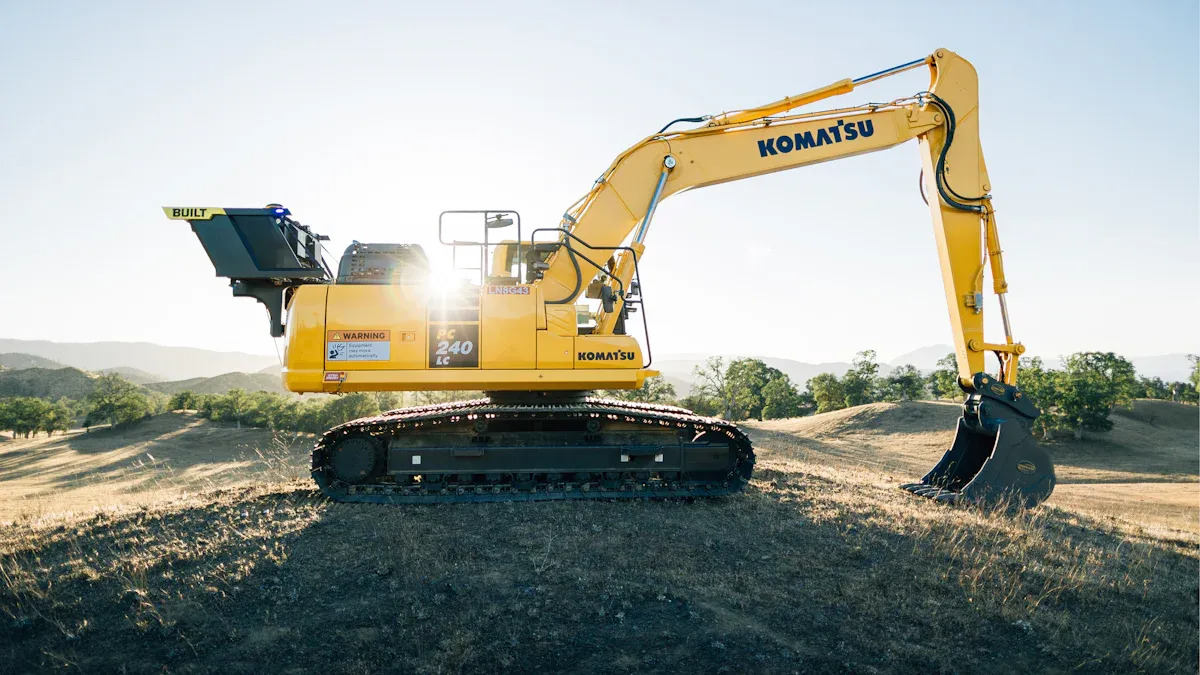
Excavator Model Compatibility
When I choose clip-on rubber track pads, compatibility with my excavator model is paramount. Each excavator has unique specifications, and the track pads must align perfectly with these requirements. I always ensure that the pads fit seamlessly onto my machine without extensive modifications. This compatibility allows me to use the same track pads across different excavators, which simplifies maintenance and reduces costs.
To guarantee a proper fit, I check the manufacturer’s specifications. Here are some key compatibility factors I consider:
- Track Width: The width of the track pad must match the excavator’s specifications.
- Pitch: The distance between clips on the track pad should align with the excavator’s system.
- Excavator Weight Class: The track pads must be suitable for the weight class of the excavator.
- Undercarriage Dimensions: Specific dimensions of the undercarriage must be considered for proper fit.
- Clip Style: The attachment mechanism (e.g., L-shaped, T-shaped) must match the excavator’s design.
Ensuring a proper fit can prevent installation issues and guarantee optimal performance. I always confirm fitment using the model’s serial number to avoid instability, damage to the undercarriage, and unsafe operating conditions.
Weight and Load Capacity
Understanding the weight and load capacity of my excavator is crucial when selecting clip-on rubber track pads. Each pad has a specific load rating, and I must ensure that it can support the weight of my machine during operation. If the pads cannot handle the load, I risk damaging both the pads and the excavator.
I consider the following factors regarding weight and load capacity:
- Maximum Load Rating: Each track pad has a maximum load it can support. I always choose pads that exceed my excavator’s weight to ensure safety and durability.
- Weight Distribution: Proper weight distribution is essential for stability. The pads should distribute the excavator’s weight evenly to minimize ground pressure and prevent sinking in soft soils.
Specific Application Needs
Different applications require different types of clip-on rubber track pads. I assess my specific needs based on the tasks I perform. For instance, if I work on delicate surfaces like asphalt, I need pads that protect the surface while providing adequate traction. Here are some common application scenarios I consider:
- Surface Protection: I choose pads that protect delicate materials from damage.
- Ground Pressure Reduction: I look for pads that distribute the excavator’s weight evenly to reduce ground pressure.
- Enhanced Traction: I select pads that improve maneuverability in various construction environments.
- Noise Reduction: I prefer pads that minimize noise and vibrations for operator comfort.
Additionally, I consider the specific requirements of my projects. For example, if I am working in a confined urban space, I might opt for narrow or standard tracks. Conversely, for landscaping projects, wide rubber tracks may be more suitable.
| Selection Factor | Best For | Avoid If | Recommended Use Cases |
|---|---|---|---|
| Wide Rubber Tracks | Soft ground, landscaping, low ground pressure | Confined urban spaces, narrow trenches | Residential excavation, garden projects, marshy terrain |
| Narrow/Standard Tracks | Tight access, paved surfaces | Unstable or soft soils | City utility work, sidewalk repairs, indoor demolition |
| Aggressive Tread Design | Rugged terrain, slopes, mud | Finished pavements, sensitive surfaces | Forestry, mining prep, hillside grading |
| Smooth/Low-Profile Pads | Concrete, asphalt, indoor use | Loose or slippery soils | Urban construction, basement digging, paving areas |
| Hybrid/Metal-Reinforced | Heavy-duty, long-term projects | Surface protection required | Demolition, recycling yards, industrial sites |
By carefully evaluating these factors, I can select the right clip-on excavator track pads that meet my excavator’s requirements and enhance its performance.
Evaluate Quality and Durability of Clip-On Rubber Track Pads
Material Composition
When I evaluate clip-on rubber track pads, I pay close attention to their material composition. The quality of materials directly impacts the performance and longevity of the pads. High-quality pads typically consist of various rubber compounds designed for flexibility and durability. Here are some key components I consider:
| Material Type | Description |
|---|---|
| Rubber Compounds | Various types of rubber compounds are used for flexibility and durability. |
| Reinforcements | Steel cords or Kevlar are embedded for added strength and performance. |
The right composition ensures that the pads can withstand the rigors of heavy-duty work. For instance, I look for pads made from high-grade rubber, which can endure extreme working conditions. Reinforcements like steel wires enhance the structure, adding strength and stability. This combination provides superior resistance to abrasion, reduces undercarriage wear, and extends the service life of rollers, idlers, and sprockets.
Wear Resistance
Wear resistance is another critical factor in my evaluation process. I want clip-on excavator track pads that can handle tough conditions without degrading quickly. The lifespan of these pads typically ranges from 1,200 to 1,600 hours under normal operating conditions. However, I find that using high-quality pads can extend this lifespan by 10–20%. They reduce surface damage and absorb impact effectively.
I also consider the specific wear-resistant features of the pads. For example, vulcanized rubber resists wear and tear, providing stability during operation. Additionally, abrasion-resistant rubber ensures longer-lasting performance, especially in challenging environments. By choosing pads with these characteristics, I can minimize maintenance needs and avoid frequent replacements.
Manufacturer Reputation
The reputation of the manufacturer plays a significant role in my decision-making process. I prefer brands known for their commitment to quality and customer satisfaction. A reputable manufacturer often provides warranties that reflect their confidence in their products. For instance, TKV offers the TKV Promise Guarantee, which ensures extended durability and reliability. This warranty exceeds normal expectations and gives me peace of mind when investing in clip-on rubber track pads.
I also research customer reviews and industry feedback to gauge the performance of different brands. A strong reputation often correlates with high-quality products that meet my specific needs. By choosing trusted manufacturers, I can ensure that I am investing in durable and reliable clip-on rubber track pads.
Consider Terrain and Environmental Factors for Clip-On Rubber Track Pads
Terrain Types
When selecting clip-on rubber track pads, I always consider the types of terrain I will encounter. Different surfaces present unique challenges. For instance, I find that:
- Soft and Uneven Surfaces: Rubber tracks excel in mud, sand, and loose gravel, providing excellent traction and stability.
- Hard and Rocky Terrain: These surfaces can accelerate wear due to sharp objects, making it essential to choose pads designed for durability.
- Wet and Muddy Conditions: I prefer pads with aggressive tread patterns to enhance grip and prevent slipping.
- Smooth and Hard Surfaces: These can lead to uneven pressure distribution, which may cause compaction issues.
Weather Conditions
Weather conditions significantly impact the performance of clip-on track pads. I pay attention to temperature extremes, as they can affect flexibility and grip. For example, EPDM rubber can handle temperatures from -29°C to 177°C, while silicone can operate effectively from -100°C to 250°C. High temperatures can degrade rubber, leading to reduced longevity. Therefore, I ensure that the pads I select are suitable for the expected weather conditions.
Surface Interaction
The interaction between the rubber track pads and the surface type is crucial for optimal performance. I notice that rubber pads enhance traction on various surfaces while protecting delicate materials from damage. Compared to steel tracks, rubber pads minimize ground damage and wear on paved or sensitive surfaces. This feature makes them ideal for urban construction, landscaping, and roadwork, where stability and traction are paramount.
By considering these terrain and environmental factors, I can select clip-on rubber track pads that not only meet my excavator’s needs but also enhance its overall performance.
Selecting high-quality clip-on rubber track pads is essential for maximizing excavator performance. I must consider equipment compatibility, work environment, and budget constraints. Matching pads to specific needs dramatically reduces surface damage, noise levels, and maintenance costs. I recommend consulting with experts for tailored advice to ensure optimal choices.
| Key Points | Details |
|---|---|
| Equipment Compatibility | Ensure the pads are suitable for the specific excavator model and its operational needs. |
| Work Environment | Consider the surfaces the excavator will operate on, such as paved vs. unpaved areas. |
| Budget Constraints | Evaluate the cost-effectiveness of clip-on pads compared to other types. |
FAQ
What are clip-on rubber track pads?
Clip-on rubber track pads attach to excavator tracks, providing better traction and surface protection. I find them essential for various terrains.
How do I know if the pads fit my excavator?
I check the manufacturer’s specifications, including track width, pitch, and weight class, to ensure compatibility with my excavator model.
How often should I replace my rubber track pads?
I typically replace rubber track pads every 1,200 to 1,600 hours of use, depending on wear and operating conditions.
Post time: Mar-19-2026