Introduction
For B2B distributors, choosing excavator tracks is not simply a parts decision; it affects inventory turnover, customer uptime, and margin control. The right selection depends on matching track type, durability, machine compatibility, and application conditions across different fleets and job sites. This guide explains how to evaluate rubber versus steel tracks, assess wear-life expectations, and align product range with market demand. It also highlights the purchasing factors that matter most when balancing performance, replacement cycles, and stocking strategy, so you can make more accurate sourcing decisions and serve customers with greater confidence.
Strategic Evaluation of Excavator Tracks
Procuring the right excavator tracks is a critical priority for B2B distributors serving the heavy machinery and construction sectors. As high-wear consumables, excavator tracks typically require replacement every 1,500 to 2,000 operating hours, depending on application severity and operator proficiency. For distributors, maintaining a strategic inventory of these components ensures consistent revenue streams, provided the product mix aligns accurately with regional fleet compositions and application demands. Understanding the macroeconomic drivers of the construction industry further aids in forecasting track demand and optimizing stock levels.
Track Types and Core Applications
The main distinction in track selection lies between rubber and steel variants, each engineered for distinct operational environments. Rubber tracks are the standard for compact and mini excavators operating in urban or landscaped areas, as they minimize surface damage and maintain a low ground pressure of approximately 4 to 5 psi. Tread patterns also play a vital role: staggered block patterns offer superior traction on wet turf, while C-lug designs provide a smoother ride on asphalt. Conversely, steel tracks are indispensable for heavy-duty excavators deployed in demolition, mining, or abrasive rocky terrains where puncture resistance is paramount. Distributors must analyze regional market data to stock the appropriate ratio of these types, ensuring they cater to the specific environmental challenges faced by their client base.
Commercial Risks and Buying Factors
Commercial viability relies heavily on mitigating the inventory and logistical risks associated with heavy parts. Rubber tracks are susceptible to dry rot and UV degradation if stored improperly or held for extended periods, necessitating strict first-in, first-out (FIFO) inventory management protocols within climate-controlled warehousing. Additionally, distributors must navigate Minimum Order Quantities (MOQs) set by manufacturers, which typically range from 10 to 20 units per SKU to achieve production efficiency. Balancing these MOQs against standard 20-foot or 40-foot container utilization is vital for optimizing freight costs per unit. Failure to align procurement volumes with actual market turnover can lead to severe capital tie-up and reduced profitability due to dead stock.
Technical and Quality Criteria
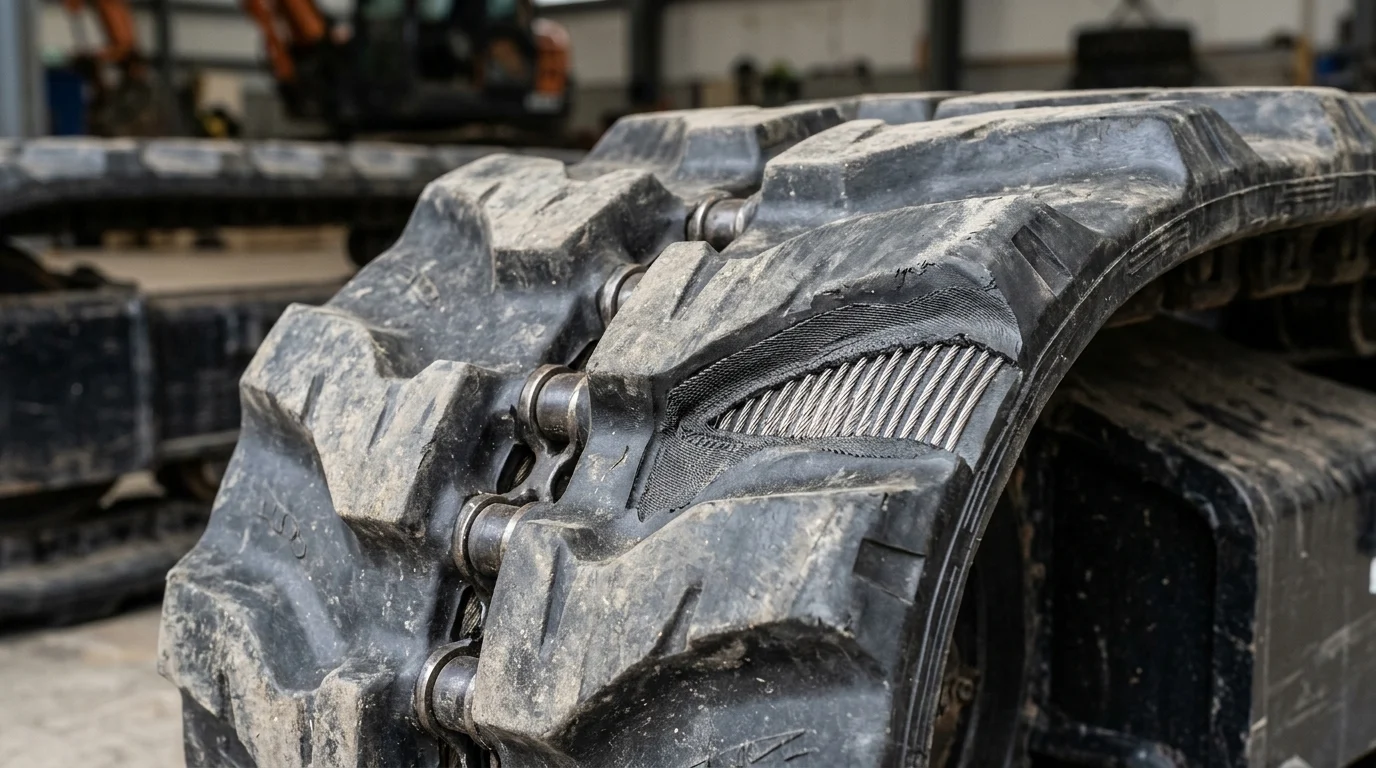
Beyond strategic alignment, distributors must rigorously evaluate the technical specifications and manufacturing quality of excavator rubber tracks. Inferior products not only damage a distributor’s reputation but also incur substantial financial losses through warranty claims, field service deployments, and expedited replacement freight. Evaluating the metallurgical integrity of steel components and the precise polymer composition of rubber tracks is essential for ensuring long-term reliability and securing lucrative fleet contracts.
Key Specifications for Comparison
Comparing track specifications requires a deep dive into the materials and structural engineering of the product. For rubber tracks, continuous steel cord technology is a paramount specification, as it eliminates overlapping joints and increases overall tensile strength by up to 30% compared to traditional overlapping designs. For steel tracks, key metrics include pitch dimensions, link count, and shoe width, which dictate compatibility with specific undercarriage sprockets and idlers.
| Specification / Metric | Premium Rubber Tracks | Heavy-Duty Steel Tracks |
|---|---|---|
| Core Application Environment | Urban, Asphalt, Turf | Mining, Demolition, Rock |
| Average Ground Pressure | 4 – 5 psi | 8 – 12 psi |
| Standard Expected Lifespan | 1,500 – 2,000 hours | 3,000 – 4,000+ hours |
| Primary Wear / Failure Factor | Dry rot, curb cutting, tension loss | Pin and bushing wear, metal fatigue |
| Tensile Reinforcement | Continuous steel cord | Hardened steel alloy links |
Distributors should utilize these baseline metrics to benchmark competing brands, ensuring the selected tracks meet the high operational thresholds demanded by heavy-duty contractors.
Quality Checks and Performance Standards
Quality assurance extends deep into the manufacturing processes and post-production testing phases. For rubber variants, the ratio of natural to synthetic rubber is critical; a premium track typically utilizes a 60/40 blend to maximize both tear resistance and cold-weather flexibility. Vulcanization processes must be strictly controlled under specific temperature and pressure parameters to prevent delamination between the rubber casing and the embedded forged steel lugs. For steel tracks, distributors should look for ultrasonic testing reports that verify the absence of internal micro-fractures in the cast links. It is crucial to mandate that suppliers provide ISO 9001 certification and independent batch testing reports. A stringent quality threshold should target a warranty return rate of less than 0.5%, ensuring the product performs reliably under peak stress.
Sourcing and Supplier Selection
The final phase of securing a reliable supply of excavator tracks involves robust supplier validation and strategic procurement planning. The global nature of heavy machinery parts sourcing requires distributors to build resilient supply chains capable of withstanding macroeconomic fluctuations, raw material shortages, and international logistical bottlenecks. Transitioning from transactional purchasing to strategic supplier partnerships is necessary for long-term scalability.
Supplier Qualification and Validation
Qualifying a track manufacturer requires comprehensive due diligence beyond initial pricing evaluations. Distributors must assess the factory’s production capacity, quality control infrastructure, and financial stability. Requesting detailed audits of their raw material sourcing—such as the origin of their high-carbon steel and natural rubber commodities—provides insight into potential supply chain vulnerabilities. Furthermore, distributors must evaluate historical lead times and On-Time Delivery (OTD) rates. While standard ocean freight lead times typically span 45 to 60 days, manufacturers with erratic production schedules can push delivery windows beyond 90 days. Establishing multi-sourcing strategies can mitigate the geopolitical and logistical risks associated with single-origin dependencies.
Final Selection and Procurement Decisions
Procurement decisions must be anchored in a Total Cost of Ownership (TCO) framework rather than the factory-gate unit cost alone.
Key Takeaways
- The most important conclusions and rationale for Excavator Tracks
- Specs, compliance, and risk checks worth validating before you commit
- Practical next steps and caveats readers can apply immediately
Frequently Asked Questions
How do I choose between rubber and steel digger tracks?
Use rubber tracks for mini or compact excavators on asphalt, turf, or urban sites. Choose steel tracks for demolition, mining, or rocky ground where puncture resistance and longer wear matter most.
What specifications should distributors verify before ordering excavator tracks?
Check track width, pitch, link count, machine model, and operating surface. For rubber tracks, prioritize continuous steel cord construction and tread pattern suited to the customer’s application.
How often do excavator tracks typically need replacement?
Rubber excavator tracks usually last about 1,500 to 2,000 operating hours, depending on terrain, load, and maintenance. Severe conditions or poor tension control can shorten service life.
What excavator track pad options does Gator Track offer?
Gator Track supplies bolt-on, clip-on, and chain-on rubber pads, plus variants like RP, HXP, and DRP. Match the pad style to the excavator undercarriage and the surface protection required.
How can distributors reduce inventory risk when stocking rubber excavator tracks?
Stock sizes based on local fleet demand, rotate inventory with FIFO, and store rubber tracks away from UV and heat. Also align MOQs with realistic turnover to avoid dead stock and cash tie-up.

Post time: May-26-2026