Why Source 700mm Excavator Rubber Pads Wholesale
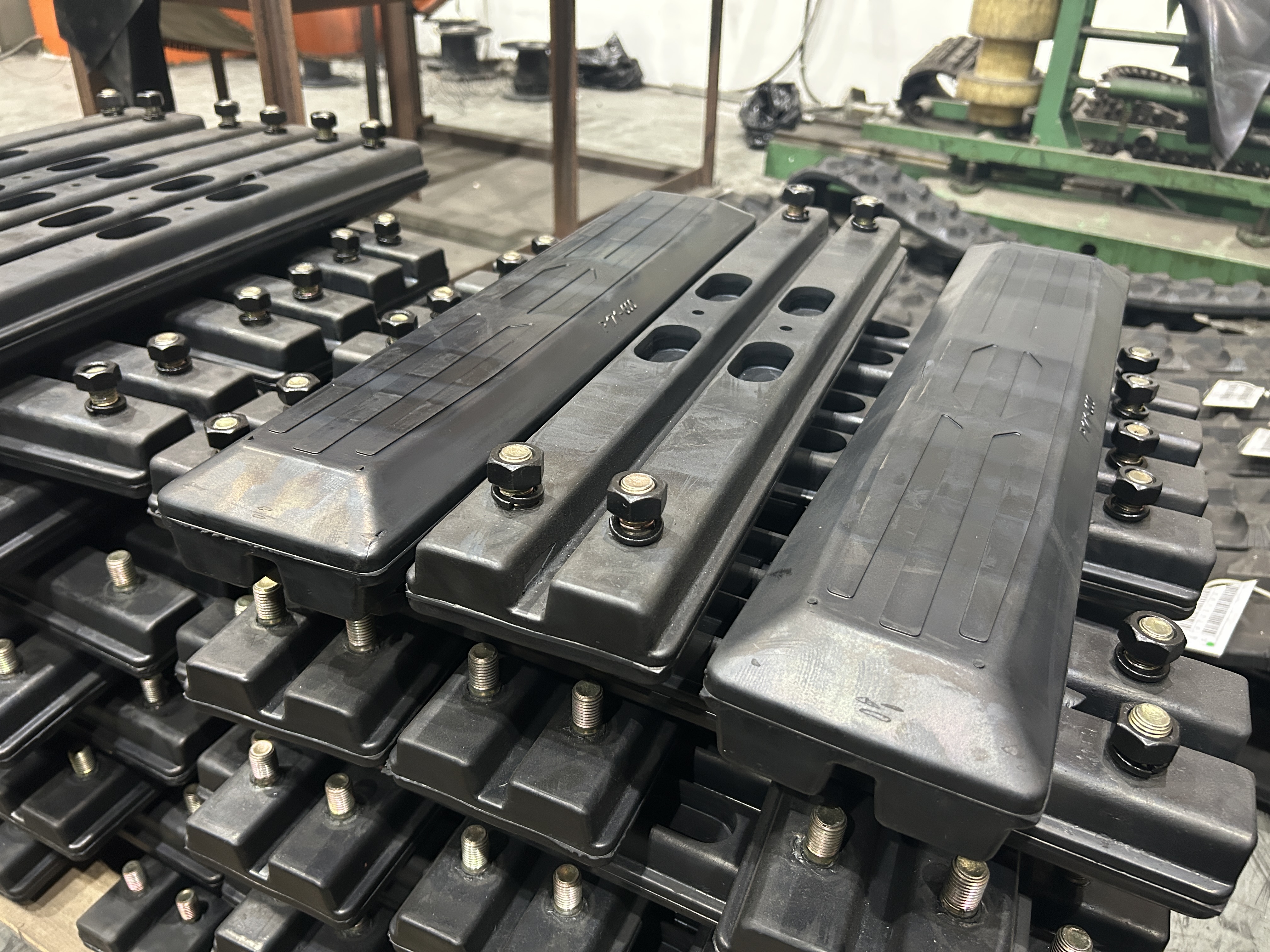
As procurement professionals in the heavy machinery sector, we constantly evaluate undercarriage components that drive consistent aftermarket revenue. Sourcing 700mm excavator rubber pads wholesale presents a highly lucrative opportunity. These specific dimensions cater to mid-to-large excavators typically operating in urban construction zones where bare steel tracks would otherwise destroy asphalt and concrete surfaces.
By purchasing these heavy-duty components directly from manufacturers, we secure significant unit cost reductions. This wholesale approach allows our procurement teams to buffer against supply chain volatility while offering highly competitive pricing to regional equipment dealers, rental houses, and large construction fleets.
Demand, replacement cycles, and fleet applications
The demand for these pads is driven by expanding urban infrastructure and road rehabilitation projects. In our experience, the replacement cycle for high-quality pads ranges from 1,000 to 2,000 operating hours, heavily dependent on terrain abrasiveness. Fleet managers require constant access to these consumables to prevent machine downtime, creating a predictable, recurring revenue stream for distributors who maintain local stock.
Buyer priorities: cost, durability, fit, and margin
When we source these components, our primary focus is balancing upfront acquisition cost with long-term field durability. A pad that fails prematurely damages our brand reputation. Therefore, guaranteeing exact fitment and robust wear life is non-negotiable. Achieving a low landed cost while strictly maintaining these quality metrics directly dictates our gross margin potential in a competitive aftermarket.
Portfolio fit for distributors and importers
Integrating these specific pads into a broader undercarriage portfolio provides a critical anchor product. They pair naturally with sprockets, idlers, rollers, and steel track chains. For importers, offering a comprehensive range that includes heavy-duty 700mm options signals to large-scale contractors that we are a serious, full-service supply partner.
Specifications to Verify Before Purchase
Before issuing a purchase order, we must rigorously validate the technical specifications of the 700mm excavator pads we intend to import. Undercarriage parts operate under extreme dynamic stress, and even a millimeter of deviation in the bolt pattern can render an entire container of product useless.
We typically categorize these pads into three primary mounting styles: bolt-on, clip-on, and chain-on (roadliner). Each style requires precise engineering drawings from the supplier to confirm compatibility with our target machine models and to ensure the installation process is seamless for the end-user.
Dimensions, bolt patterns, and pad design
Validating the pitch, overall width, and exact distance between bolt holes is our first critical step. The pad design must feature adequate chamfering to prevent edge tearing during tight machine rotations. We always request detailed CAD drawings to verify these dimensions against original equipment specifications before moving to sample production.
Rubber compound, bonding quality, and service life
The core of a pad’s service life lies in its rubber formulation. We look for a high ratio of natural to synthetic rubber, optimized specifically for cut-and-chip resistance. Furthermore, the vulcanization process must ensure an unbreakable chemical bond between the rubber and the internal steel core plate to prevent delamination under heavy operational loads.
OEM references, machine compatibility, and tolerances
We map supplier SKUs directly to OEM part numbers for dominant industry brands like Komatsu, Caterpillar, and Hitachi. Enforcing strict dimensional tolerances is mandatory to ensure cross-compatibility across mixed fleets.
| Specification Category | Key Metric to Verify | Acceptable Tolerance |
|---|---|---|
| Dimensional Width | 700mm | +/- 2.0mm |
| Bolt Hole Pitch | Machine Specific (e.g., 171mm) | +/- 0.5mm |
| Rubber Hardness | Shore A Scale | 75 – 80 |
How to Compare Suppliers
Evaluating potential manufacturing partners requires looking beyond just the quoted price. We must assess the supplier’s actual production infrastructure, specifically their vulcanization presses and tooling capabilities, to ensure they can handle high-volume wholesale orders without compromising consistency.
A reliable supplier acts as an extension of our own business. We prioritize factories that demonstrate transparent communication, possess dedicated export teams, and show a willingness to adapt to our specific branding and packaging requirements.
Factory capability, MOQ, lead time, and customization
We evaluate the number of active production lines to gauge true capacity and lead times, which typically range from 25 to 40 days. Minimum Order Quantities (MOQs) must align with our inventory turnover rates, though we often negotiate lower MOQs for custom tooling or proprietary rubber blends during the initial onboarding phase.
Pricing, samples, warranty, and defect history
While competitive FOB pricing is essential, we heavily weight the supplier’s warranty terms—typically targeting a minimum of 12 to 18 months or 1,500 working hours. We always order physical samples for destructive testing and request historical defect rate data to gauge their quality consistency.
Key factory audit checkpoints
During a factory audit, whether conducted by our team or a third party, we focus on ISO 9001 compliance, raw material storage conditions (especially temperature control for unvulcanized rubber), and the calibration records of their testing equipment.
Quality Control and Compliance Requirements
Implementing a stringent Quality Control (QC) framework is vital to mitigate the risks associated with importing heavy machinery parts. We cannot afford to discover bonding failures or incorrect rubber compounds after the goods have arrived at our domestic warehouses.
Our compliance strategy relies on establishing clear, written quality standards embedded directly into our purchasing contracts. This ensures the manufacturer has legal and financial accountability for meeting our defined technical benchmarks.
Material reports, inspection standards, and traceability
We require comprehensive material test reports for every batch, detailing tensile strength, elongation at break, and Shore A hardness. Furthermore, we mandate batch numbers molded into the rubber to ensure full traceability in the event of a field failure.
AQL, pre-shipment inspection, and performance testing
We utilize Acceptable Quality Limit (AQL) standards, typically setting critical defects at 0.0, major defects at 1.5, and minor defects at 4.0. Independent pre-shipment inspections are scheduled to verify these AQLs, alongside random performance tests simulating shear stress and abrasion.
Claims, replacements, and non-conformance terms
Our vendor agreements explicitly define the Return Merchandise Authorization (RMA) process. If non-conformance is identified, the supplier must provide free replacements in the subsequent container shipment and cover the associated domestic freight costs for the defective units.
MOQ, Packaging, and Logistics Planning
When planning the logistics for 700mm rubber pads, we must account for their substantial weight and bulk. Proper packaging is not just about aesthetics; it is a critical requirement to prevent transit damage and ensure safe unloading at our distribution centers.
Freight economics heavily influence our purchasing strategy. Because these items are dense, we optimize our container loads by weight rather than volume, requiring precise coordination with our freight forwarders to maximize container utilization without exceeding road weight limits.
MOQ, pallet setup, labeling, and export packaging
Standard MOQs usually start around 100 to 200 pieces. We strictly require ISPM-15 certified heat-treated wooden pallets, reinforced with steel strapping and shrink wrap. Clear barcode labeling on both the individual pads and the master pallets is required for seamless integration into our WMS (Warehouse Management System).
Container loading, freight terms, and landed cost
We primarily ship via 20-foot standard containers (FCL) because the dense weight of the pads quickly maxes out the payload capacity before filling the cubic volume. We negotiate FOB terms to control the ocean freight routing, allowing us to accurately calculate the final landed cost per pad.
| Container Size | Max Payload Weight | Estimated Pad Capacity (700mm) |
|---|---|---|
| 20ft Standard | ~28,000 kg | 400 – 500 pcs (depending on core weight) |
| LCL Shipment | Variable | Not recommended due to high freight per kg |
Shipment risks, delivery schedules, and buffer stock
Ocean freight volatility and port congestion are constant risks. To mitigate stockouts, we maintain a rolling forecast and keep a 45-day buffer stock locally, factoring in a standard 30-day ocean transit time plus 10 days for customs clearance and drayage.
Sourcing and Negotiation Process
Moving from identifying a potential supplier to signing a long-term supply agreement requires a structured negotiation process. We aim to build strategic partnerships rather than transactional relationships, focusing on mutual growth and supply chain security.
Effective negotiation in this sector requires a deep understanding of raw material indices, particularly natural rubber and steel prices. By tracking these commodities, we can engage in fact-based pricing discussions rather than arbitrary haggling.
RFQ workflow from drawings to sample approval
Our RFQ (Request for Quote) process starts with submitting standardized technical drawings. Once preliminary pricing is approved, we commission a sample run. Full mass production is only authorized after our engineering team signs off on the physical sample’s fitment and material composition.
Price, payment terms, rebates, and exclusivity
We typically negotiate payment terms of a 30% TT deposit with the 70% balance paid against the Bill of Lading copy. As volumes grow, we push for annual volume rebates and regional exclusivity agreements to protect our market share from direct factory competition.
Trial orders, SKU consolidation, and dual sourcing
Initial trial orders are kept small to test the supplier’s logistics and QC execution. We consolidate multiple SKUs (e.g., mixing 400mm, 500mm, and 700mm pads) into single containers to test their production flexibility. Concurrently, we always maintain a qualified secondary supplier to mitigate regional supply shocks.
Channel Strategy and Margin Model
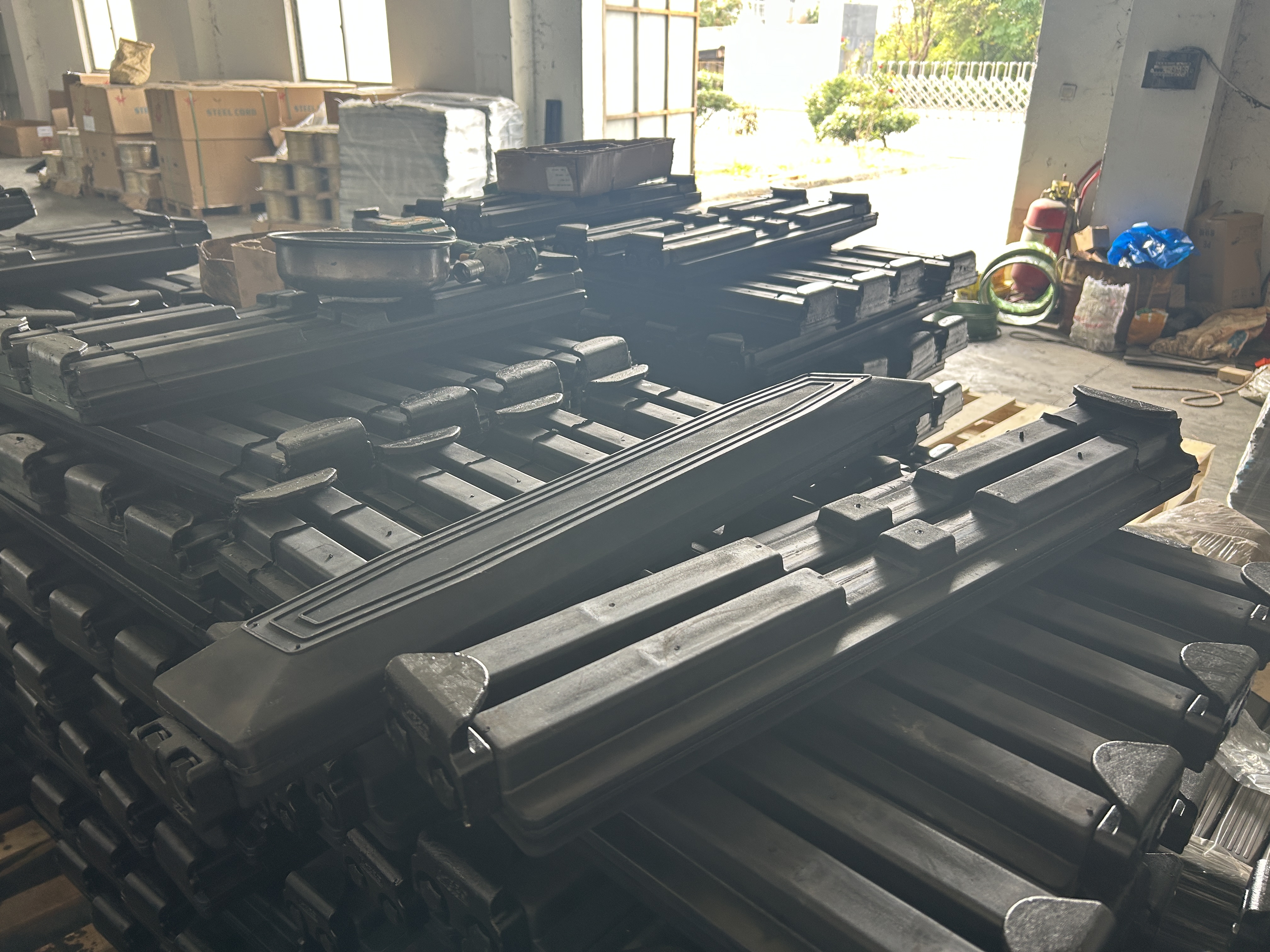
Developing a robust channel strategy for 700mm excavator rubber pads requires a clear understanding of our target end-users. Whether we are selling to regional dealers or directly to massive construction fleets, our positioning dictates our pricing architecture.
We must carefully model our gross margins, factoring in warehouse carrying costs, outbound LTL (Less-Than-Truckload) freight, and the cost of capital. A successful strategy maximizes inventory turnover while maintaining sufficient depth to fulfill emergency breakdown orders immediately.
Distributor, private label, or project wholesale model
We often utilize a private label model, molding our own brand into the rubber to build localized brand equity and prevent price-shopping. Alternatively, acting as a master distributor for a recognized factory brand can lower our marketing costs but reduces our pricing control.
SKU mix, regional demand, and service levels
Regional soil and infrastructure conditions dictate our SKU mix. Urban centers require high volumes of roadliner pads. We maintain a 95% fill rate on these fast-moving 700mm SKUs, utilizing historical sales data to optimize our regional warehouse distribution.
Resale pricing, margin targets, and inventory turnover
Our target gross margin for wholesale undercarriage parts typically ranges from 30% to 45%. We achieve this by setting tiered resale pricing based on customer volume commitments, aiming for an inventory turnover ratio of at least 4.0 annually to ensure healthy cash flow.
Key Takeaways and Buyer FAQ
Successfully importing heavy equipment consumables requires rigorous technical validation, stringent quality control, and optimized logistics. By treating rubber pads as a highly engineered component rather than a simple commodity, procurement teams can secure reliable, high-margin product lines.
We recommend standardizing your procurement checklists and maintaining open, data-driven communication with your manufacturing partners to build a resilient supply chain.
Key wholesale buying decisions
The core decisions revolve around selecting the right rubber compound for your specific market, choosing between private label or factory branding, and negotiating favorable freight terms to control landed costs.
First order quantity planning
For a first order, we advise filling a single 20-foot container with a mix of your highest-demand SKUs. This minimizes freight costs per unit while limiting your total capital exposure during the supplier validation phase.
Required documents, test reports, and warranty terms
Always ensure your shipment is accompanied by a commercial invoice, packing list, Bill of Lading, and a Certificate of Origin. Crucially, demand batch-specific material test reports and a legally binding warranty document guaranteeing a minimum of 1,000 working hours.
Key Takeaways
- Wholesale sourcing and supply-chain implications for 700mm rubber pads for excavator
- Specifications, compliance, and commercial terms buyers should validate
- Actionable recommendations for distributors and procurement teams