Introduction
Urban projects, paved surfaces, and tighter maintenance budgets have pushed tracked equipment owners to look beyond basic wear parts and toward more durable track solutions. Bolt on rubber track pads stand out because their fixed attachment to steel shoes improves stability, reduces pad movement, and helps limit the vibration and loosening that often lead to premature replacement. This article examines how leading manufacturers are refining pad design, fastening methods, and material performance to extend service life and protect finished ground. Readers will come away with a clearer understanding of the engineering choices that reduce maintenance demands, lower downtime risk, and improve overall fleet uptime.
Why Bolt-On Rubber Track Pads Are Becoming Strategic
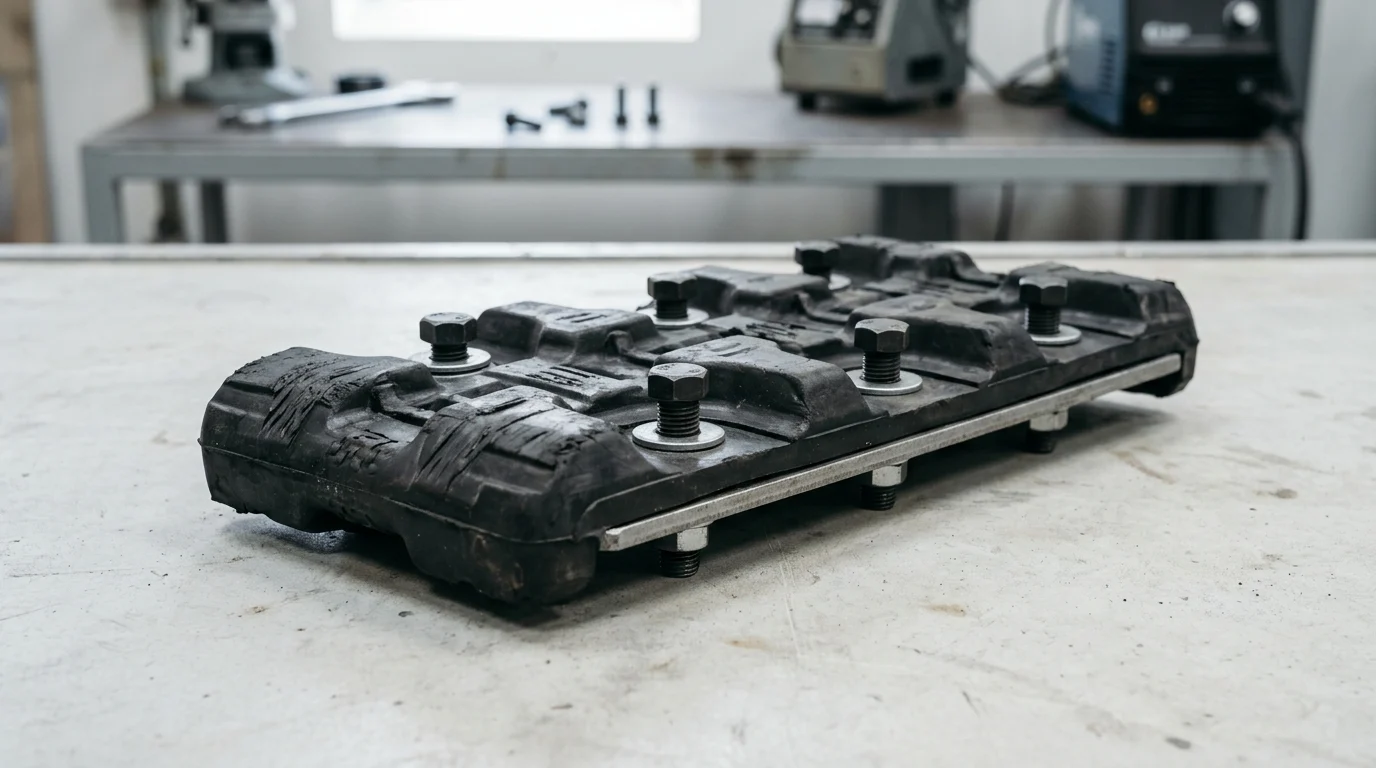
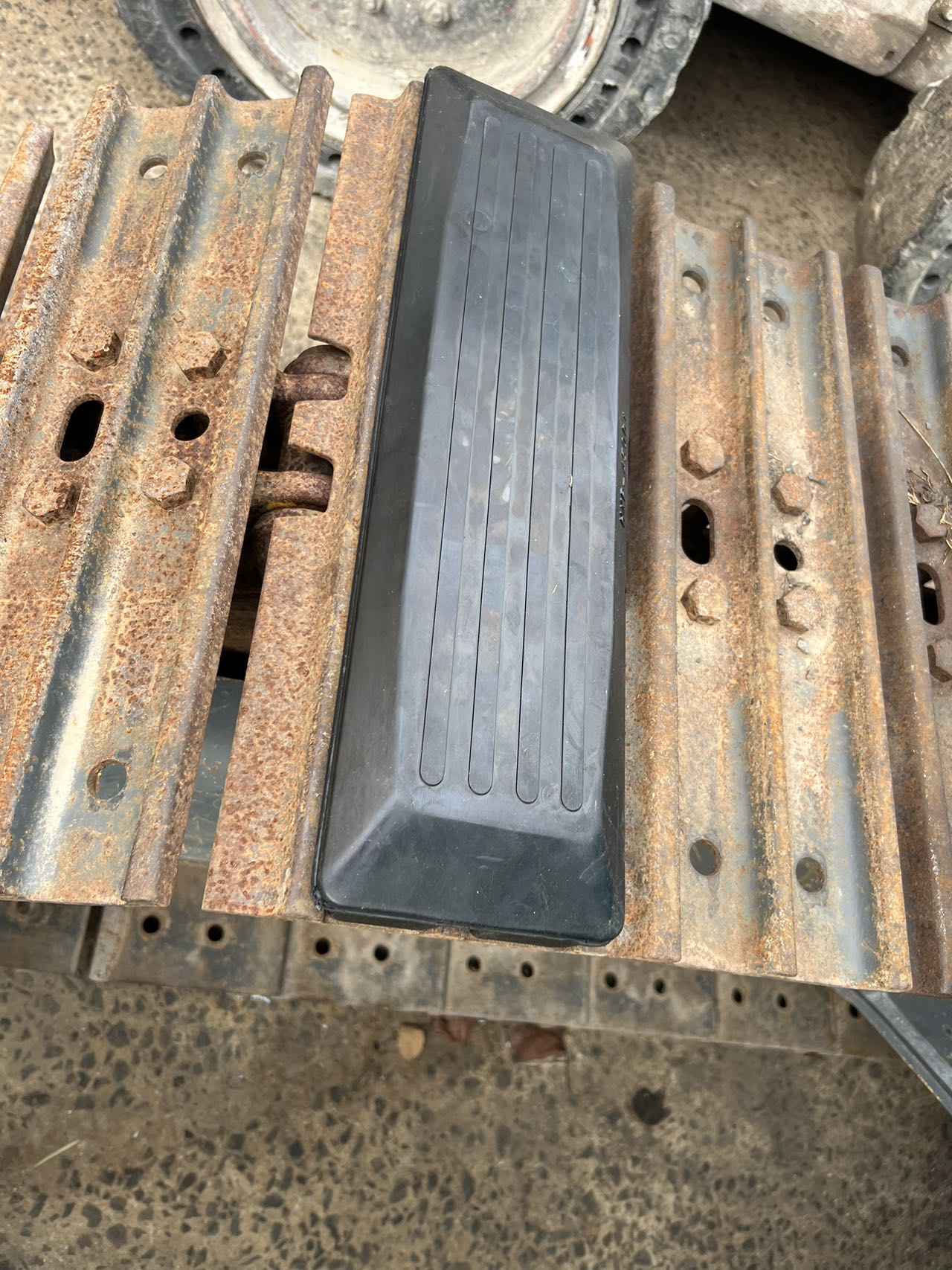
For heavy equipment fleets operating in urban environments and on finished surfaces, the transition from expendable wear parts to highly engineered track components represents a major operational shift. Bolt-on rubber track pads have emerged as a critical upgrade for excavators and tracked machinery, offering distinct advantages over traditional clip-on or direct-to-chain alternatives. By fastening directly to the pre-drilled steel grouser shoe, these pads create a rigid, unified track system.
This configuration minimizes the lateral movement and vibration that typically accelerate component wear. As contractors face increasingly strict environmental regulations and surface protection mandates, the deployment of high-quality bolt-on pads has evolved from a niche preference into a strategic fleet management imperative.
How they reduce maintenance
The primary mechanical advantage of the bolt-on configuration lies in its secure anchoring system, which directly translates to reduced maintenance burdens. Unlike clip-on pads that rely on brackets wrapping around the steel shoe—which frequently loosen under high-torque turning—bolt-on pads utilize heavy-duty threaded studs that pass directly through the grouser plate. When torqued to the manufacturer’s specifications, this setup virtually eliminates the shifting that causes bracket fatigue and eventual pad loss.
From a maintenance scheduling perspective, this modularity is highly efficient. If a single pad sustains severe cut damage from rebar or sharp debris, technicians can replace the individual unit in under 15 minutes using standard pneumatic tools, without breaking the track chain or removing the underlying steel shoe. This targeted replacement strategy reduces track-related downtime by up to 40% compared to maintaining continuous rubber tracks or servicing complex clip-on bracket assemblies.
Fleet pressures driving demand
Macro-level fleet pressures are accelerating the adoption of bolt-on solutions, driven primarily by the high costs associated with surface damage and equipment immobility. Urban infrastructure projects frequently impose stringent penalties for damaging asphalt, concrete, or historical cobblestone. A single incident of deep gouging from exposed steel tracks can result in municipal fines exceeding $5,000, alongside mandatory repair costs.
Furthermore, fleet managers are striving to maximize the versatility of mid-sized to heavy machinery, specifically in the 10- to 30-ton operating weight classes. Bolt-on rubber track pads allow these heavy excavators to seamlessly transition between aggressive dirt excavation and delicate pavement travel. By equipping a fleet with durable bolt-on pads, operators eliminate the need to deploy secondary flatbed transport vehicles merely to cross a paved intersection, thereby streamlining logistics and drastically cutting daily operational overhead.
Product and Manufacturing Innovations in Bolt-On Rubber Track Pads
The performance delta between commodity rubber pads and premium bolt-on solutions is entirely dictated by the underlying manufacturing processes. Recent advancements in polymer chemistry and metallurgy have addressed the historical vulnerabilities of track pads, specifically premature rubber delamination and rapid abrasive wear.
Material, bonding, and steel insert upgrades
Modern manufacturing of premium bolt-on pads relies on highly controlled vulcanization and advanced material blending. Leading producers utilize a proprietary blend of natural rubber, which provides essential elasticity and tear resistance, combined with synthetic polymers like styrene-butadiene rubber (SBR) to enhance weather and ozone resistance. Today’s top-tier pads are engineered with a Shore A hardness rating precisely calibrated between 75 and 80, offering the optimal balance between cut resistance and necessary traction.
Equally critical is the evolution of the steel core and the bonding interface. To prevent the rubber from separating from the internal steel plate under high shear loads, manufacturers employ rigorous surface preparation. The steel inserts undergo aggressive shot-blasting to create a micro-textured surface, followed by the application of specialized bi-layer chemical bonding primers. During the high-pressure vulcanization process, this treatment achieves rubber-to-metal bonding strengths exceeding 15 MPa (megapascals), ensuring the pad wears down naturally rather than shearing off the core.
Key criteria for comparing products
When evaluating product specifications, procurement teams must look beyond the initial unit price and analyze the engineering data that dictates total lifecycle value. The key differentiators lie in the compound durability, the core preparation, and the resulting operational lifespan.
| Specification | Standard Commodity Pad | Premium Bolt-On Pad |
|---|---|---|
| Rubber Hardness | 65-70 Shore A | 75-80 Shore A |
| Bonding Strength | < 8 MPa | > 15 MPa |
| Steel Core Prep | Acid wash, single primer | Shot-blasted, dual-layer primer |
| Hardware Grade | Grade 8.8 bolts | Grade 10.9 high-tensile bolts |
| Expected Lifespan | 600 – 800 hours | 1,200 – 1,500+ hours |
By comparing these metrics, it becomes clear that while premium pads may carry a 20% to 30% higher upfront cost, their extended lifespan and resistance to catastrophic delamination yield a significantly lower cost per hour of operation.
How Buyers Should Evaluate Bolt-On Rubber Track Pad Suppliers
Selecting a manufacturing partner for bolt-on rubber track pads requires rigorous vetting of their quality control infrastructure and supply chain capabilities. Because these components are subjected to extreme dynamic loads, inconsistencies in a single production batch can lead to cascading failures across an entire equipment fleet.
Inspection, fitment, and installation checks
Before committing to a high-volume order, buyers must mandate strict inspection and fitment protocols. The dimensional tolerances of the bolt-on pad must perfectly match the OEM steel grouser shoe. Even minor deviations in bolt-hole spacing or pad pitch can cause installation binding, uneven load distribution, and eventual bolt shearing. Reputable suppliers maintain dimensional tolerances within ±1.5 mm across all axes.
Quality assurance should also extend to non-destructive testing (NDT) at the factory level. Advanced suppliers utilize ultrasonic inspection on a statistical sampling of each batch to detect internal voids or air pockets within the rubber matrix. Additionally, buyers should request physical fitment samples to verify that the supplied nuts, washers, and Grade 10.9 high-tensile bolts thread smoothly and secure the pad flush against the shoe without gaps.
Most important supplier selection criteria
Beyond product specifications, the logistical and commercial terms offered by a supplier determine their viability as a long-term partner.
Key Takeaways
- The most important conclusions and rationale for Bolt On Rubber Track Pads
- Specs, compliance, and risk checks worth validating before you commit
- Practical next steps and caveats readers can apply immediately
Frequently Asked Questions
What makes bolt-on rubber track pads better for maintenance?
Their stud-through mounting reduces shifting, vibration, and bracket fatigue. If one pad is damaged, crews can replace that single unit quickly without removing the track chain.
Which machines are bolt-on rubber track pads best suited for?
They are ideal for excavators and tracked machines that move between dirt work and paved or finished surfaces, especially in the 10- to 30-ton class.
How do bolt-on pads help protect paved surfaces?
The rubber contact surface reduces gouging, scuffing, and noise on asphalt, concrete, and similar finished areas, helping fleets avoid repair costs and site penalties.
What should buyers check when comparing bolt-on pads?
Focus on rubber hardness, rubber-to-steel bonding strength, steel core preparation, and fitment accuracy. These factors affect wear life, pad retention, and uptime more than price alone.
Does Gator Track offer bolt-on pad options for different fitments?
Yes. Gator Track supplies excavator track pads and replacement pad styles, including bolt-on options, across many fitment sizes and model codes for broad machine compatibility.
Post time: May-29-2026