Introduction
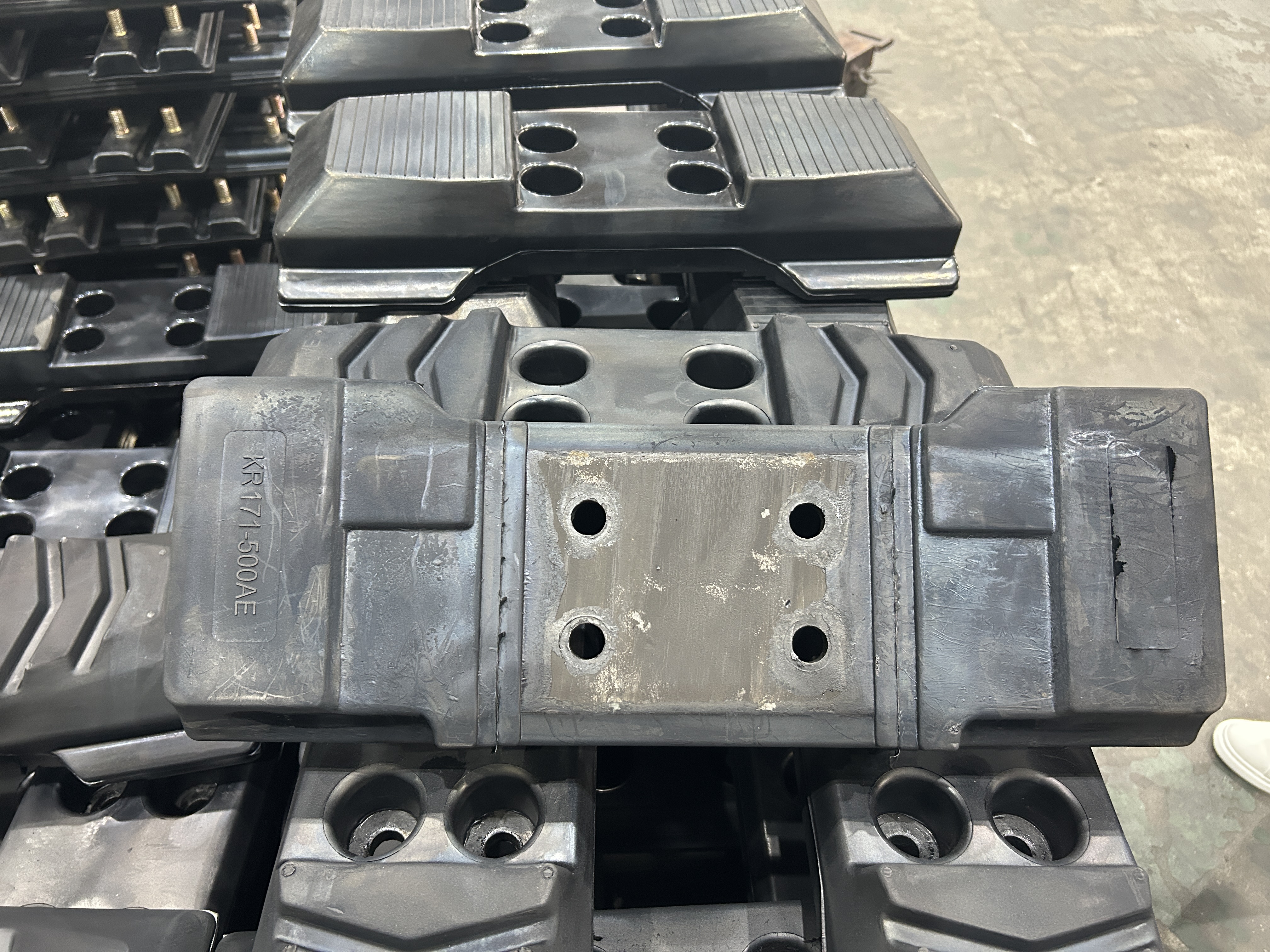
As construction becomes more connected, the excavator track pads market is moving from a low-visibility replacement segment to a strategic part of fleet performance. Rising machine utilization, tighter urban jobsite rules, and broader use of telematics are pushing contractors to pay closer attention to wear, surface protection, noise control, and maintenance timing. These shifts are expected to support strong global growth through 2026, especially as infrastructure programs expand and smart construction practices mature. This article outlines the main demand drivers, material and application trends, and regional factors shaping the market so readers can better understand where growth is coming from and how procurement priorities are changing.
Why Excavator Track Pads Will Grow in 2026
The global market for excavator track pads is poised for substantial expansion as the industry approaches 2026. This trajectory is largely driven by the rapid integration of smart construction methodologies and an overarching global mandate for infrastructure modernization. Fleet managers are increasingly relying on telematics to monitor equipment health in real-time, shifting maintenance paradigms from reactive repairs to predictive replacements. Within this data-driven ecosystem, the durability of undercarriage components has become a paramount focus, as operators seek to maximize machine uptime and optimize operational efficiency across diverse job sites.
Demand Drivers and Project Constraints
The primary catalyst for this market growth is the escalating volume of urban renewal, high-speed transit networks, and underground utility projects. With global infrastructure investments projected to expand by 4.5% year-over-year through 2026, contractor backlogs are stretching into multi-year horizons. Consequently, excavator utilization rates have frequently surpassed the 75% threshold, accelerating the wear cycle of critical undercarriage parts. Project constraints further dictate procurement choices; stringent noise ordinances and strict surface damage regulations in dense metropolitan zones are forcing fleet operators to transition away from standard steel tracks. Instead, they are adopting advanced rubber or polyurethane track pads to minimize collateral infrastructure damage and comply with municipal environmental standards.
End-Use Segments and Regional Trends
Distinct regional and sectoral trends are actively shaping global consumption patterns. The Asia-Pacific sector dominates the demand curve, forecast to capture a commanding 38% market share by 2026. This surge is fueled by aggressive urbanization initiatives and large-scale civil engineering projects in rapidly developing economies. Concurrently, the North American and European markets exhibit a pronounced shift toward heavy-duty utility and demolition segments, where equipment frequently operates in highly abrasive environments. In these specialized, high-stress applications, the replacement frequency for track pads has notably shortened from a historical average of 2,400 operating hours to approximately 1,800 hours, driving a highly robust and lucrative aftermarket replacement cycle for manufacturers.
What Differentiates Excavator Rubber Pads
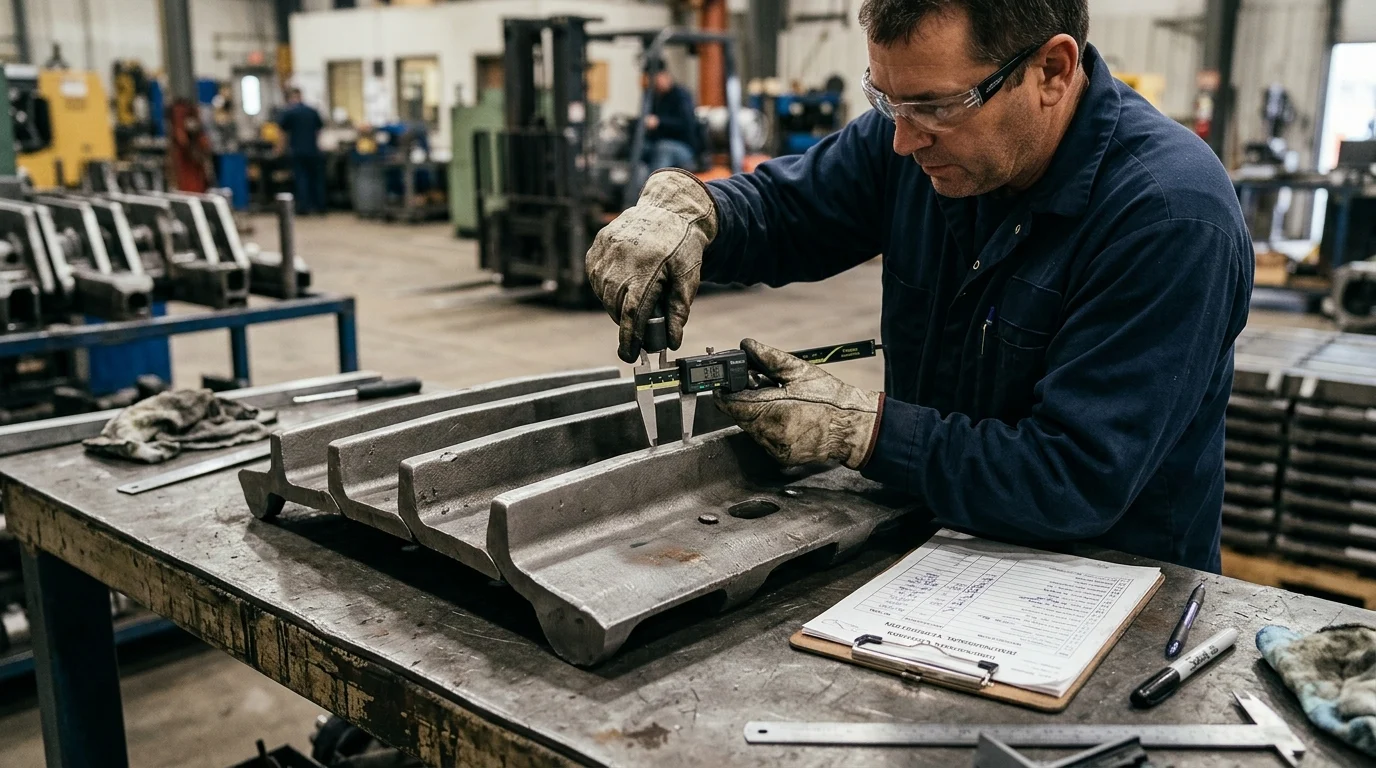
Engineering variances in excavator track pads dictate their performance, longevity, and suitability across diverse terrains and operational stresses. Modern undercarriage components are no longer viewed as simple commoditized rubber blocks; they are highly engineered assets designed to optimize traction, reduce machine vibration, and extend the lifespan of the entire track chain. Because undercarriage maintenance can account for up to 50% of a crawler excavator’s lifetime repair costs, selecting the precise pad specification is a critical financial decision for heavy equipment operators.
Types, Materials, and Specifications
Material science remains the foundational differentiator in track pad specifications and field performance. Standard rubber pads utilize complex natural and synthetic elastomer blends, which are ideal for general urban construction and landscaping tasks. However, high-performance polyurethane pads are increasingly specified for cold milling and heavy-duty asphalt paving applications due to their superior shear and chunking resistance. Premium polyurethane compounds typically exhibit a Shore A hardness rating of 85 to 90, providing optimal load-bearing capacity without sacrificing the flexibility required to navigate curbs and uneven surfaces. Conversely, hardened steel pads offer maximum durability for quarrying but lack the necessary vibration dampening required to protect sensitive smart construction sensors.
| Material Type | Typical Shore Hardness | Average Lifespan (Hours) | Primary Application |
|---|---|---|---|
| Standard Rubber | 70-75 Shore A | 1,200 – 1,800 | Urban Construction, Landscaping |
| Polyurethane | 85-90 Shore A | 2,000 – 2,500 | Cold Milling, Asphalt Paving |
| Hardened Steel | N/A (HRC 45-50) | 3,000+ | Mining, Quarrying, Demolition |
Quality, Compliance, and Cost Factors
Manufacturing tolerances, chemical bonding techniques, and quality control protocols directly influence the total cost of ownership. Tier-1 suppliers maintain rigorous compliance with ISO 9001:2015 standards, ensuring precise dimensional accuracy that prevents premature track chain tensioning issues and uneven link wear. In the current competitive landscape, acceptable defect rates for premium track pads have tightened significantly to below 0.5%. Furthermore, manufacturers are increasingly adhering to environmental compliance frameworks like REACH, ensuring that bonding agents and synthetic polymers meet stringent toxicity limits. While advanced polyurethane variants command a 30% to 45% price premium over standard rubber equivalents, their extended lifecycle and significant reduction in secondary machine vibrations yield a demonstrably lower cost-per-hour metric for high-utilization fleets.
How Buyers and Suppliers Should Act in 2026
Navigating the evolving 2026 market requires industry stakeholders to pivot from reactive, transactional purchasing to proactive, data-driven lifecycle management. The anticipated surge in global demand, coupled with persistent volatility in raw material commodity markets, necessitates highly strategic alignment between fleet procurement managers and undercarriage component manufacturers. Buyers must transition their focus from initial capital expenditure to long-term operational expenditure to maintain profitability in a tightening construction economy.
Procurement, Inventory, and Pricing Strategies
Procurement executives must anticipate fluctuating costs in synthetic rubber, steel core inserts, and polyurethane precursors. To mitigate raw material price volatility, astute buyers are increasingly utilizing forward contracts and establishing vendor-managed inventory systems with key suppliers. Suppliers, conversely, are optimizing their production runs by enforcing stricter Minimum Order Quantities (MOQs), often requiring commitments of 500 to 1,000 units for specialized elastomeric compounds to maintain margin stability. Furthermore, average lead times for custom-engineered excavator track pads are projected to stabilize between 45 and 60 days globally. This extended fulfillment window mandates that fleet operators integrate predictive maintenance data with their enterprise resource planning systems, forecasting their replacement schedules at least two quarters in advance to avoid costly equipment grounding.
Building a Cost-Effective Supply Plan
A resilient and cost-effective supply plan hinges on diversifying sourcing channels while maintaining strict quality parameters.
Key Takeaways
- The most important conclusions and rationale for Excavator Pads
- Specs, compliance, and risk checks worth validating before you commit
- Practical next steps and caveats readers can apply immediately
Frequently Asked Questions
Why are excavator track pads expected to grow strongly in 2026?
Higher infrastructure spending, smart-construction maintenance, and stricter urban surface-protection rules are accelerating replacement demand, especially for rubber and polyurethane pad solutions.
Which excavator track pad type should I choose for city jobs?
For paved streets, utilities, and landscaping, rubber pads are usually best because they reduce noise, protect finished surfaces, and improve ride comfort.
When should rubber pads for excavators typically be replaced?
Replacement often comes around 1,200–1,800 hours for standard rubber pads, but abrasive demolition or utility work can shorten service life. Inspect wear, cracking, and bond damage regularly.
What excavator track pad options does Gator Track offer?
Gator Track supplies bolt-on, clip-on, and chain-on excavator pads, including RP, HXP, DRP, and other replacement styles for broad machine compatibility.
How can I confirm the right Gator Track pad fitment for my excavator?
Check your machine model, chain dimensions, shoe width, and pad style. Matching the exact model code and undercarriage size helps ensure proper fit and service life.
Post time: Jun-04-2026