Why New Track Designs Improve Traction and Stability
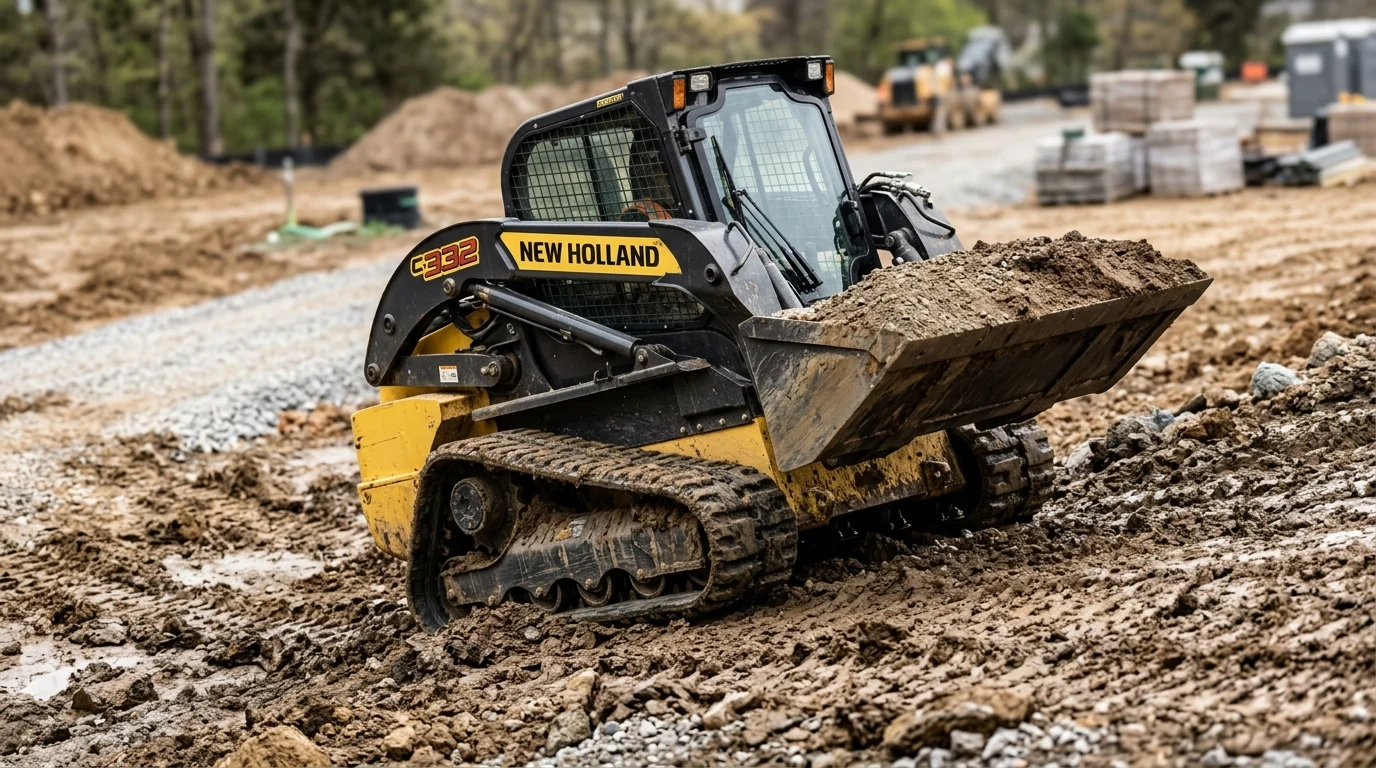
When evaluating the performance of compact track equipment, modern innovations in undercarriage components consistently demonstrate dramatically altered machine capability. Historically, operators had to settle for generic rubber tracks that offered a mediocre compromise across all environments, often resulting in premature wear or unsafe slippage on challenging job sites. Today, specialized engineering has pushed the boundaries of what these machines can achieve.
By implementing new track designs, manufacturers are improving traction by up to 30% in adverse conditions—though this varies based on machine weight and jobsite conditions—while simultaneously extending the operational lifespan of the entire undercarriage system. Integrating advanced composite materials and optimized tread patterns allows operators to navigate steep inclines, deep mud, and abrasive hardscapes without sacrificing machine stability or operator safety.
Key Track Design Terms
To fully grasp how these structural improvements function, it is necessary to define the core measurements used throughout the manufacturing industry. The ‘pitch’ refers to the exact center-to-center distance between the metal links embedded within the track. For many compact loaders, an 86 mm pitch is a standard specification. Precision in the pitch measurement ensures the track aligns perfectly with the drive sprocket, minimizing friction and wear.
Additionally, track width and link count are critical metrics. Standard widths typically fall into the 320 mm (12.5 inches) or 450 mm (17.7 inches) categories. A wider track inherently distributes the machine’s operating weight over a larger surface area, whereas the link count dictates the overall circumference of the track required to fit a specific undercarriage configuration.
Tread Geometry, Rubber Compound, and Carcass Construction
The true driving force behind modern stability lies in the synchronized combination of tread geometry, rubber formulation, and internal carcass construction. The industry now heavily relies on continuous steel cord technology within the carcass. This manufacturing method eliminates the traditional overlapping joints that were historically prone to snapping under heavy torque loads.
For the exterior, modern anti-gouging rubber compounds are synthetically formulated to achieve a tensile strength of 15 to 20 MPa, depending on the specific blend and intended application. This robust material chemistry resists chunking and tearing when the machine operates on jagged demolition debris. Furthermore, specialized tread geometry is engineered to channel mud and water outward, maintaining a clean contact patch that maximizes grip.
How to Compare Skid Steer Track Designs
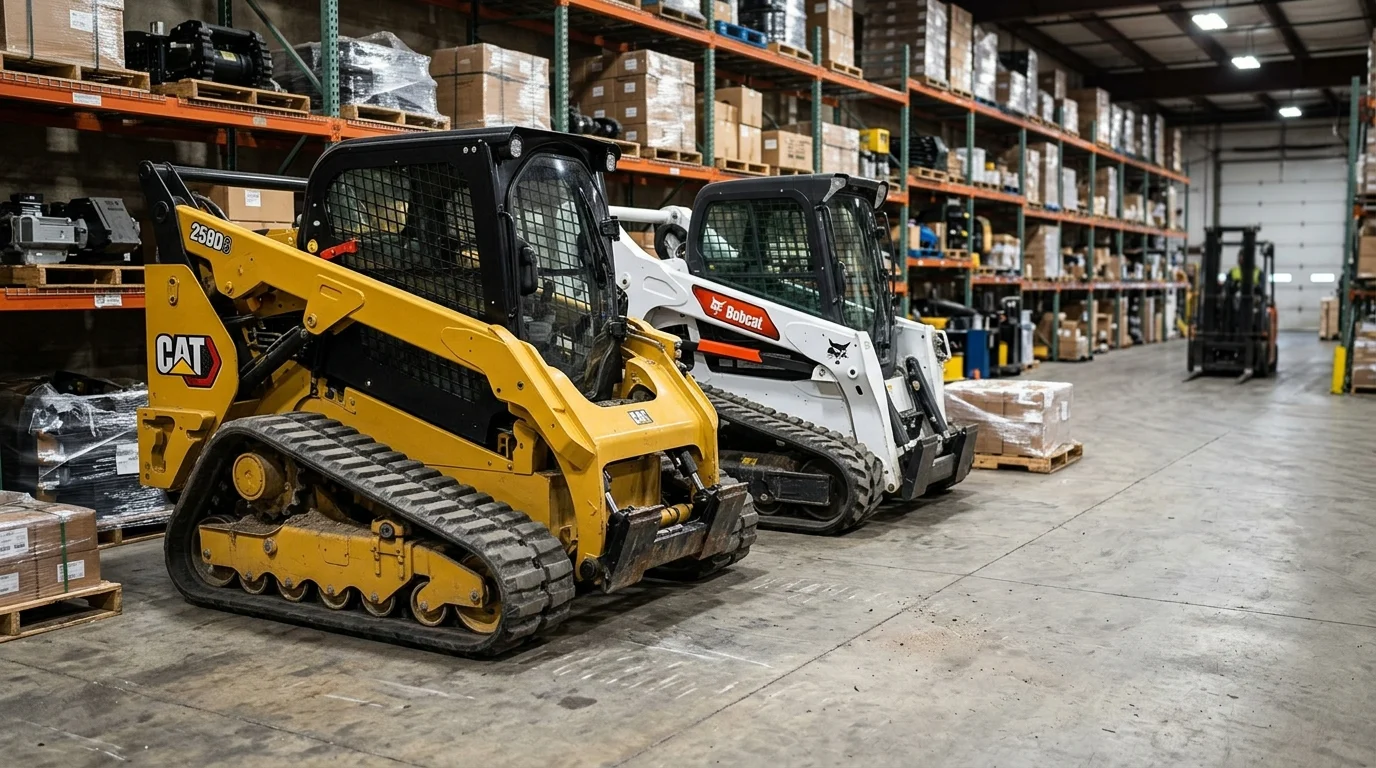
Comparing different track architectures requires a close look at the specific environments where the machines will deploy. A track that performs flawlessly in deep loam will often vibrate violently on asphalt, leading to operator fatigue and accelerated undercarriage degradation. By matching the tread profile to the primary working environment, machine ground pressure can be reduced to an optimal 4 to 5 PSI (contingent on the loader’s operating weight), allowing for exceptional flotation.
Fleet managers are advised to source high-quality options, such as Skid Steer Rubber Tracks, that align with specific operational demands rather than relying on a one-size-fits-all approach. Below is a comparative matrix used to evaluate how different tread patterns perform across common job site terrains.
Terrain and Application Comparison
Different tread geometries are fundamentally designed to conquer specific terrain challenges. A straightforward evaluation matrix helps operators visualize which track pattern will yield the highest productivity for their specific applications.
| Tread Pattern | Ideal Terrain | Flotation Rating | Surface Disturbance | Primary Drawback / Avoid For |
|---|---|---|---|---|
| Block Pattern | Hardscape, Asphalt, Concrete | Moderate | Very Low | Poor grip in deep mud |
| C-Lug Pattern | Dirt, Mud, Mixed Terrain | High | Moderate | Accelerated wear on asphalt |
| Zig-Zag Pattern | Snow, Ice, Deep Mud | Very High | High | High vibration on hard surfaces |
| Multi-Bar (Turf) | Landscaping, Golf Courses | High | Minimal | Low traction on steep, slick inclines |
As the table illustrates, a block pattern is the preferred choice for paving or demolition contractors working on unyielding surfaces, whereas the zig-zag pattern offers the aggressive bite necessary for winter snow removal or forestry applications.
Traction, Stability, Wear, and Comfort Trade-Offs
Every track design carries inherent compromises between traction, stability, wear life, and operator comfort. Aggressive treads, which typically feature a high void ratio of 40% or more, provide unparalleled traction in deep mud because they allow debris to easily escape the tread blocks. However, this same high void ratio causes severe vibration when the machine transitions to a hard concrete floor.
Conversely, tracks designed with a continuous contact tread pattern can reduce in-cab vibration by up to 50% under optimal conditions. This dramatically improves operator comfort during long shifts and extends the lifespan of sensitive electronic components within the loader. The trade-off is that these smooth-riding tracks will quickly lose traction and spin if forced to operate in saturated, muddy conditions.
How to Choose and Maintain the Right Tracks
Choosing the ideal track is only the first step in optimizing a fleet’s undercarriage performance. Total cost of ownership (TCO) is heavily dependent on combining proper initial selection with rigorous, ongoing maintenance protocols. Under normal operating conditions and with proper care, a high-quality set of rubber tracks should deliver a lifespan of 1,000 to 1,500 hours.
It is important to note that ground pressure, hydraulic demand, and overall track lifespan are not determined by tread pattern alone. These factors are highly dependent on the machine’s total weight, the operator’s skill level, and the specific jobsite conditions.
Achieving maximum longevity requires strict adherence to load ratings, OEM specifications, and daily inspection routines. Failing to properly size or maintain the tracks will inevitably result in costly downtime and premature replacement.
Selection Steps for Load, Terrain, and Machine Fit
When selecting a track, the machine’s operating weight and horsepower must first be verified. Upgrading from a 320 mm to a 450 mm width increases flotation, but it also demands more torque from the hydraulic drive motors.
Key Takeaways
- Match skid steer tracks tread design to the primary jobsite terrain to improve grip, reduce vibration, and avoid premature undercarriage wear.
- Modern track designs can increase traction by up to 30% in adverse conditions when properly matched to machine weight and operating environment.
- Use the correct pitch, width, and link count to ensure proper sprocket alignment and prevent unnecessary friction, slippage, and component wear.
- Wider tracks, such as 450 mm options, can lower ground pressure and improve flotation, while narrower tracks may suit tighter or firmer surfaces.
- Continuous steel cord carcass construction improves durability by eliminating overlapping joints that can fail under high torque loads.
- Choose anti-gouging rubber compounds for abrasive jobsites because tensile strengths around 15 to 20 MPa help resist tearing and chunking.
Frequently Asked Questions
How much can modern skid steer track designs improve traction?
Modern track designs can improve traction by up to 30% in adverse conditions, depending on machine weight, terrain, tread pattern, and jobsite conditions.
Why does track width matter for skid steer stability?
Wider skid steer rubber tracks distribute machine weight over a larger surface area, lowering ground pressure and improving flotation on soft terrain such as mud, loam, and wet soil.
What is track pitch and why is it important?
Track pitch is the center-to-center distance between embedded metal links. Accurate pitch, such as a common 86 mm specification, helps the track align with the drive sprocket and reduces wear.
Are wider tracks always the best choice?
Not always. Wider tracks improve flotation, but the best choice depends on terrain, machine weight, undercarriage fit, and whether the loader works mostly on soft ground, slopes, asphalt, or abrasive surfaces.
How do tread patterns affect performance on different terrains?
Tread geometry controls grip, vibration, and self-cleaning. Aggressive patterns help in mud and loose soil, while smoother or balanced designs can reduce vibration and wear on hard surfaces.
Post time: Sep-05-2026