Introduction
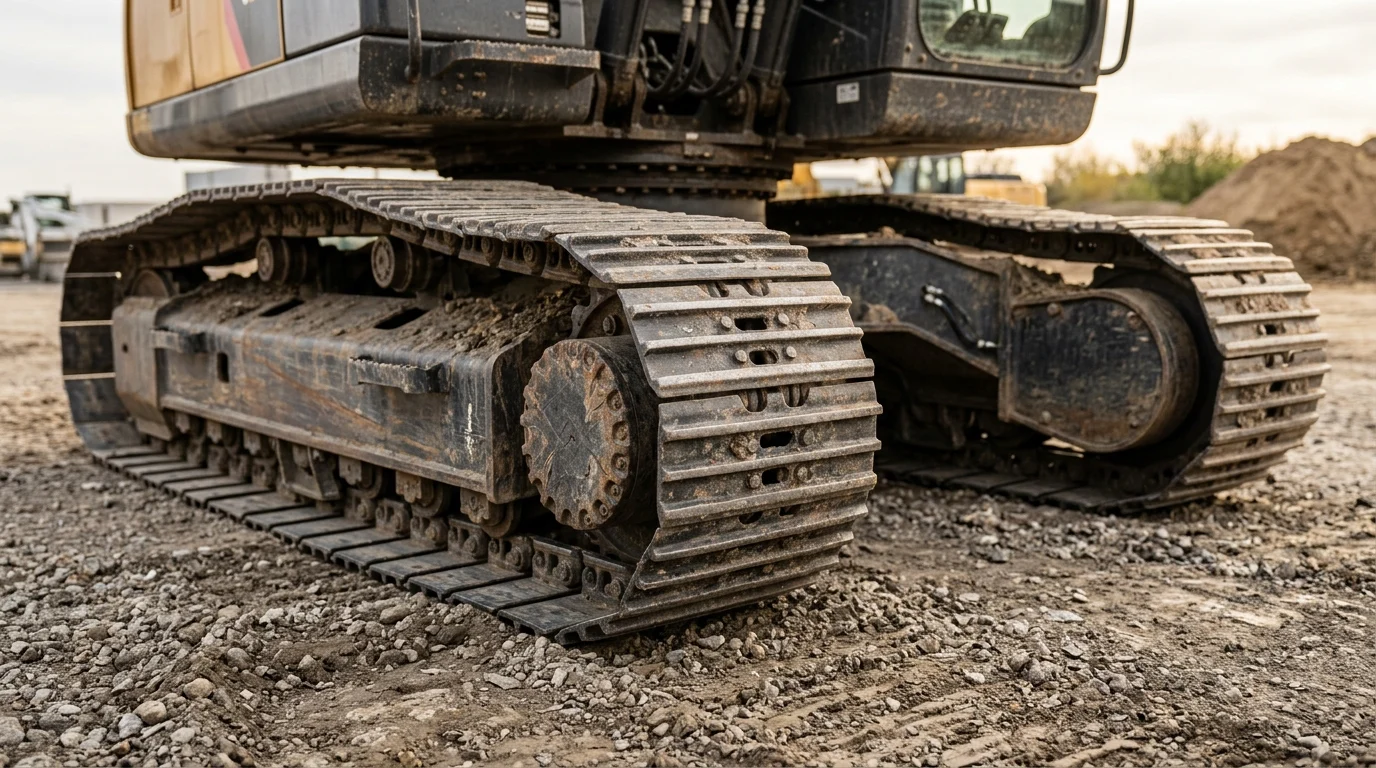
Choosing excavator tracks is a cost, uptime, and performance decision, especially for buyers serving Europe, the Americas, and Russia. OEM-quality tracks help machines maintain traction, stability, and wear resistance across demanding ground conditions while protecting related undercarriage components from premature damage. This article explains what OEM quality actually means, how track quality affects total operating cost, and what to look for in a reliable supplier with international distribution capability. It also sets out the practical criteria that distributors, fleet managers, and equipment dealers can use to compare products, reduce downtime risk, and make more confident purchasing decisions.
Why OEM-Quality Excavator Tracks Matter
Undercarriage components represent a disproportionately large share of heavy machinery operating expenses. For fleet operators and distributors managing earthmoving equipment, securing high-grade excavator tracks is not merely a maintenance routine, but a critical strategic procurement decision.
Procuring components that meet original equipment manufacturer standards ensures that excavators maintain optimal traction, stability, and flotation across diverse, unforgiving terrains. When sourcing tracks for distribution in demanding global markets, understanding the underlying mechanical value of these components is paramount.
Impact on uptime and total cost
The financial implications of undercarriage wear are substantial. Industry data consistently indicates that undercarriage maintenance and replacement account for approximately 50% of an excavator’s total lifecycle maintenance costs over a standard 10,000-hour operating window. Opting for substandard tracks frequently leads to accelerated wear of interlocking components, including sprockets, front idlers, and track rollers.
Premature track failure cascades into severe operational disruptions. In high-output sectors such as mining or large-scale civil engineering, unscheduled downtime can incur penalties and lost productivity valued between $1,500 and $3,000 per day per machine. Consequently, investing in premium excavator tracks significantly lowers the Total Cost of Ownership (TCO) by extending service intervals, reducing labor costs associated with track changes, and maximizing operational uptime.
What OEM quality means
The designation of OEM quality extends far beyond basic dimensional compatibility; it dictates rigorous metallurgical and manufacturing standards. Authentic OEM-grade tracks utilize advanced steel alloys and precise heat-treatment protocols designed to withstand extreme tensile stresses and highly abrasive environments.
A hallmark of this quality is the localized induction hardening process applied to track links and pins. Premium manufacturers ensure a surface hardness of 50 to 55 HRC, with a hardened depth reaching 8mm to 12mm depending on the machine’s tonnage class. This exact hardening profile, followed by specialized tempering, prevents the core from becoming brittle while providing maximum surface wear resistance. This careful balance of core toughness and surface hardness distinguishes true OEM-quality components from inferior aftermarket alternatives prone to sudden snapping under heavy loads.
How to Compare Excavator Tracks
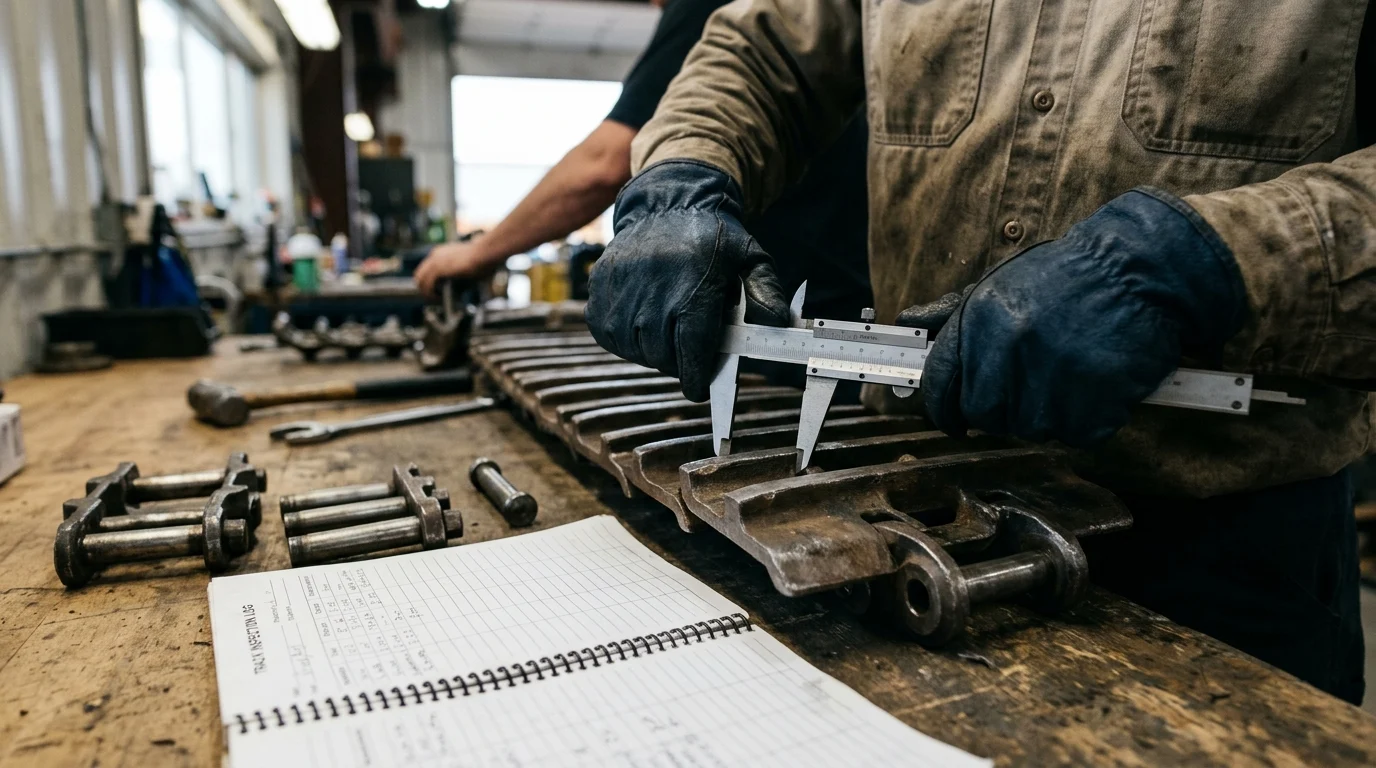
Evaluating excavator tracks requires a methodical approach to component specifications and material science. Procurement teams must scrutinize the technical parameters to ensure the tracks will perform reliably under the specific load dynamics and environmental conditions of their intended deployment.
Key specifications to evaluate
When comparing options, engineers and buyers must focus on precise dimensional and structural specifications. The track pitch, which is the exact distance between pin centers, must be machined to strict tolerances—typically within +/- 0.5mm. A deviation of even 1mm can accelerate sprocket tooth wear and increase mechanical vibration throughout the final drive.
Furthermore, shoe width and profile must match the application perfectly. Standard 600mm triple-grouser shoes offer versatile performance, while wider 800mm to 900mm shoes are necessary for achieving low ground pressure in marshy conditions. Below is a comparative overview of common track shoe configurations:
| Track Shoe Type | Typical Width Range | Ideal Application | Average Hardness (HRC) | Ground Pressure Impact |
|---|---|---|---|---|
| Single Grouser | 500mm – 700mm | Heavy rock, demolition | 48 – 52 | High penetration |
| Double Grouser | 600mm – 800mm | Forestry, general construction | 45 – 50 | Moderate traction |
| Triple Grouser | 600mm – 900mm | Soft soils, standard earthmoving | 45 – 50 | Low ground pressure |
Weight serves as another critical specification. A reduction in the mass of a track assembly often indicates thinner link bodies or inferior shoe casting, which directly correlates to a reduced operational lifespan and lower resistance to bending fatigue under heavy payloads.
Material standards and quality control
The longevity of excavator rubber tracks is fundamentally tied to material selection and rigorous quality control (QC) during manufacturing. High-grade track shoes are typically forged or cast from boron-alloyed steels, such as 35MnB or 40MnB, which offer superior hardenability and toughness compared to standard carbon steels. Pins and bushings require high-carbon chromium alloys, like 40Cr, engineered to yield tensile strengths exceeding 800 MPa to withstand continuous rotational friction.
Top-tier suppliers implement stringent non-destructive testing (NDT) to verify internal structural integrity. Ultrasonic testing (UT) and magnetic particle inspection (MPI) are routinely utilized to identify subsurface micro-cracks or casting voids before assembly. By enforcing these strict protocols, reputable manufacturers maintain defect rates well below 0.05%, ensuring that every track assembly shipped meets international safety and heavy-duty performance standards.
How to Choose a Reliable Supplier
Establishing a resilient supply chain for heavy machinery parts requires partnering with a supplier capable of navigating international trade complexities. For buyers in Europe, the Americas, and Russia, the supplier must demonstrate not only manufacturing excellence but also logistical competence, regulatory compliance, and robust post-sale support.
Sourcing, quotation, and logistics
The procurement cycle for heavy undercarriage parts involves strategic planning around lead times, freight logistics, and customs documentation. Standard production lead times for bulk orders—typically structured around 1 to 3 TEU (Twenty-foot Equivalent Unit) containers—range from 30 to 45 days. Buyers must also factor in ocean transit times, which generally add 25 to 40 days for deliveries to European or North American ports.
Quotation structures usually operate on FOB (Free on Board) or CIF (Cost, Insurance, and Freight) terms. Reliable suppliers provide transparent pricing that accounts for fluctuating raw steel indices and supply comprehensive export documentation, including precise Bills of Lading and Certificates of Origin. Furthermore, international buyers should anticipate Minimum Order Quantity (MOQ) requirements, which generally start at 5 to 10 complete track groups, depending on the tonnage class of the targeted excavators.
Supplier selection criteria
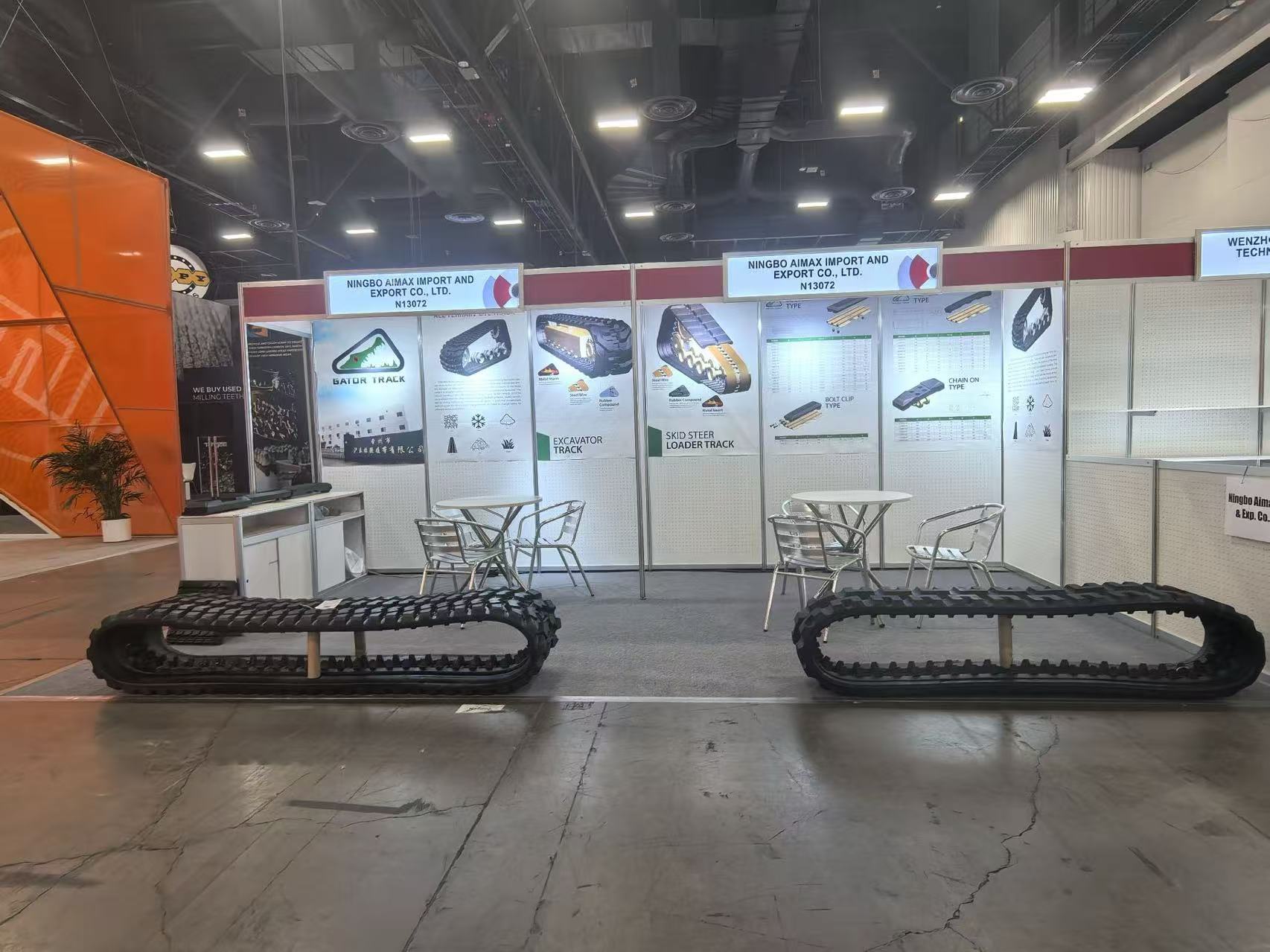 Selecting a premier supplier demands a comprehensive audit of their operational credentials. A fundamental criterion is adherence to recognized quality management systems, evidenced by active ISO 9001:2015 certifications and compliance with CE marking directives for the European market. Additionally, buyers should evaluate the warranty structures offered; industry-leading suppliers confidently provide pro-rated warranties covering 2,000 to 3,000 operating hours.
Key Takeaways
- The most important conclusions and rationale for Excavator Tracks
- Specs, compliance, and risk checks worth validating before you commit
- Practical next steps and caveats readers can apply immediately
Frequently Asked Questions
What makes OEM excavator tracks worth the cost?
They reduce wear on sprockets, idlers, and rollers, helping cut downtime and total undercarriage cost over long operating hours.
How can I compare excavator tracks before buying?
Check pitch accuracy, shoe width, track weight, steel grade, and heat treatment. These directly affect fit, wear life, and machine stability.
Which track shoe type is best for soft ground?
Triple-grouser shoes, often 600mm to 900mm wide, are typically best for soft soils because they lower ground pressure and improve flotation.
Does Gator Track supply only rubber tracks and pads?
No. Gator Track also offers excavator tracks, rubber track pads, skid steer tracks, dumper tracks, and other undercarriage parts in many fitment sizes.
Can Gator Track support distributors in Europe, the Americas, and Russia?
Yes. Gator Track positions itself as a professional one-stop manufacturer and supplier for OEM-quality tracks and pads for global markets.
Post time: May-22-2026