Why Invest $200K in DV Skid Steer Loader Tracks
Our recent $200,000 investment in premium replacement undercarriage components represents a calculated strategic shift. For a company operating a heavy fleet of over 40 compact track loaders, reactive, just-in-time purchasing was eroding our profit margins. This targeted bulk-buying strategy aims to stabilize costs and guarantee parts availability. (Disclosure: This article references our procurement from GatorTrack, which we evaluated and selected as one of our suppliers for this purchase.)
What DV Skid Steer Loader Tracks Are
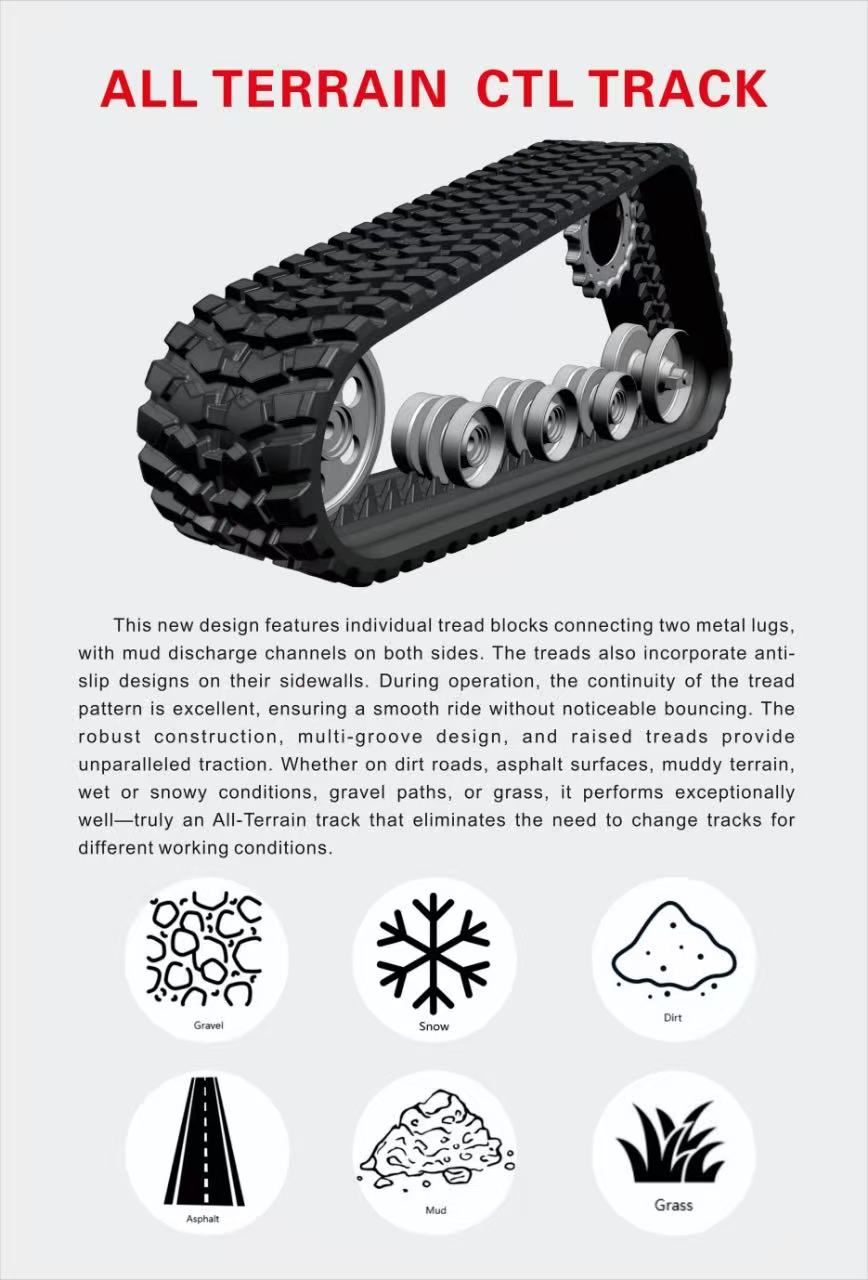
In our high-impact demolition operations, the “DV” designation refers to a manufacturer’s specific product line of heavy-duty Skid Steer Loader Tracks engineered for severe applications. These tracks feature continuous wound steel cords and a specialized natural-synthetic rubber blend designed specifically to resist chunking in high-debris environments. Unlike standard C-lug profiles, the DV series utilizes a staggered block tread pattern. According to manufacturer specifications, this increases ground contact area by an estimated 15 to 20 percent, reducing ground pressure while maximizing drawbar pull. Based on our internal fleet data, upgrading to these specifications extends our undercarriages’ operational lifecycle from a baseline of 800 hours to a target of 1,000 to 1,200 hours in harsh, abrasive demolition applications.
What Stock Depth Gap the Investment Solves
The primary catalyst for this expenditure was the persistent inventory shortage in the heavy equipment aftermarket. Historically, our procurement team faced extended lead times of up to 14 weeks for specialized track sizes during peak construction seasons. By committing $200,000 upfront, we secured an immediate inventory of 40 premium track sets. This equates to a rounded, volume-discounted estimate of roughly $5,000 per machine for our specific fleet, rather than a universal price benchmark. Bypassing volatile spot-market pricing, this deep stock position insulates our operations against supply chain disruptions. It ensures that a blown track results in a brief repair window rather than multi-week machine downtime, justifying the carrying cost of the inventory.
Key Specifications for Skid Steer Loader Tracks
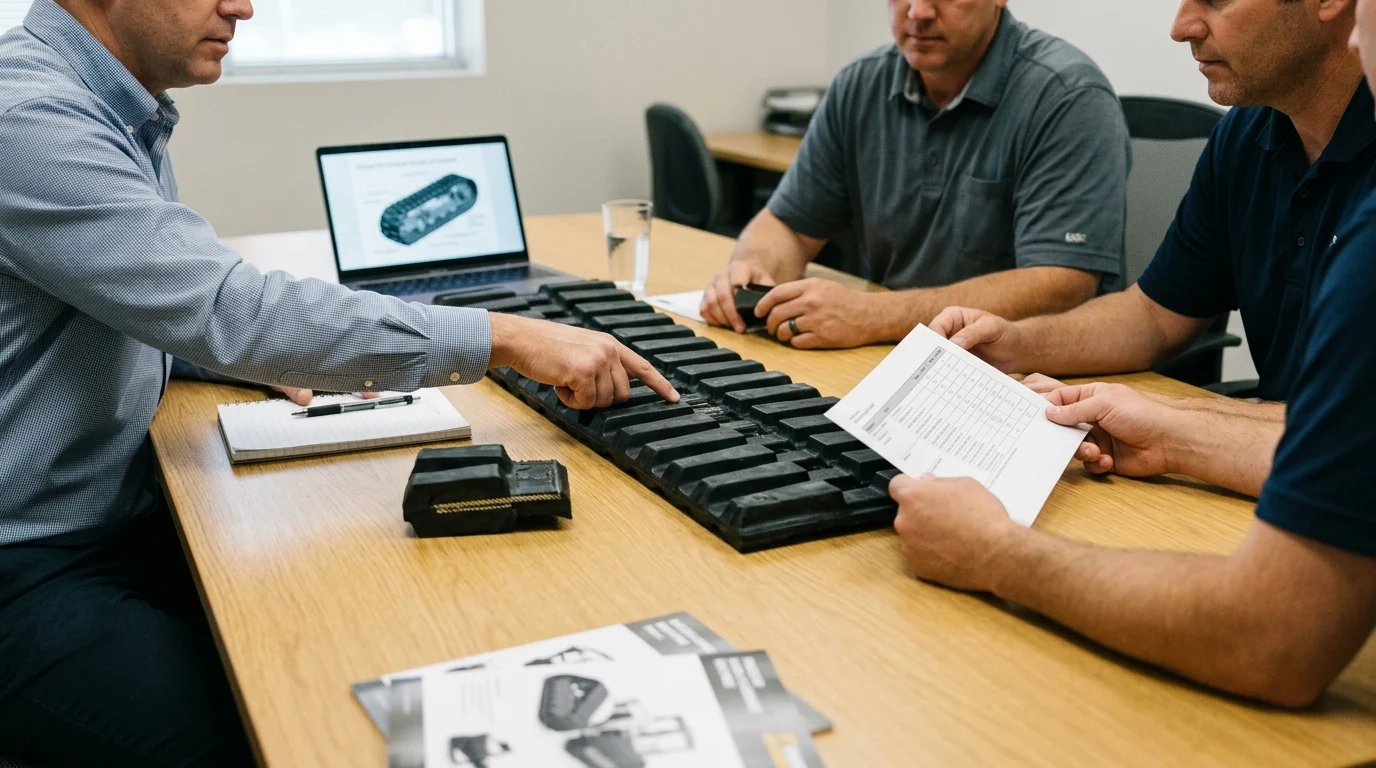
Investing a six-figure sum in wear parts necessitates rigorous technical vetting. Every specification must align with the gross vehicle weight and hydraulic output of our loaders, requiring strict compatibility checks for each specific loader make and model in our fleet.
Technical Comparison Points to Evaluate
When evaluating high-capacity tracks, we prioritized three critical metrics: pitch length, link count, and rubber compound durometer. For our primary heavy-lift machines, a common fitment requirement is a 450mm width with an 86mm pitch and 55 forged steel links. These dimensions must strictly match the specific loader model’s original equipment specifications to ensure correct installation and proper tensioning. The forged steel links must be deeply embedded during vulcanization to prevent tear-outs under peak torque. We mandated a continuous steel cord architecture, eliminating the overlapping joint—a frequent failure point in standard aftermarket tracks. Furthermore, the outer tread must register a Shore A hardness between 65 and 70, balancing tear resistance on jagged concrete with flexibility over uneven terrain.
How to Structure a Standard Comparison Table
To standardize procurement decisions across multiple supplier bids, buyers should build a quantitative matrix that weighs key features against operational impacts. When structuring your own standard comparison table, list the specification metrics in the first column, compare the baseline aftermarket standard against the premium tier in the middle columns, and clearly define the operational impact in the final column. Below is the exact specification comparison framework we built to evaluate premium heavy-duty tiers against common aftermarket alternatives, based on manufacturer-provided data and our operational testing.
| Specification Metric | Common Aftermarket | Tested Premium Tier | Operational Impact |
|---|---|---|---|
| Steel Cord Design | Overlapping Joint | Continuous Wound | Improved tensile strength |
| Tread Depth | 20 mm | 28 mm | Extended wear life in abrasive soil |
| Rubber Compound | Standard Commercial Blend | Natural/Synthetic Blend | Helps prevent edge chunking |
| Warranty Period | 12 Months / 1000 Hrs | 18 Months / 1500 Hrs | Lower annualized replacement cost |
| Defect Tolerance | < 4.0% | < 1.5% | Reduces unexpected field failures |
How to Turn a $200K Track Investment Into ROI
Spending the budget is only the first phase of our procurement strategy. The objective is generating a measurable return on investment (ROI) through reduced hourly operating costs, proper undercarriage maintenance protocols, and maximized machine availability.
Supplier Validation Steps
Before authorizing the transfer of funds, we executed a strict supplier validation protocol. We required the manufacturing facility to demonstrate ISO 9001 compliance and provide laboratory testing data for their rubber vulcanization process. Our team mandated a pilot test on a limited order of 10 units before committing to the full volume. During this pilot phase, we monitored tread wear using ultrasonic thickness gauges at regular intervals, ensuring proper track tensioning and undercarriage maintenance were maintained. Only after verifying that the wear rate remained within acceptable tolerances did we proceed with the bulk acquisition. This validation ensures our inventory will perform predictably.
Final Decision Framework
Our final decision framework centers on the Cost Per Hour (CPH) metric rather than the initial unit purchase price. By investing $200,000 upfront for 40 track sets, we secured a volume discount and a waiver on international freight surcharges. While the upfront cost was higher than budget alternatives, extending the lifespan from 800 to 1,200 hours dropped our projected track CPH from an estimated $5.50 (based on standard $4,400 aftermarket tracks lasting 800 hours) to roughly $4.16. Across a high-utilization fleet running 2,000 hours annually per machine, this CPH differential—combined with the elimination of shipping delays—yields a projected payback period of under 14 months.
However, a true ROI calculation must account for hidden expenses beyond the sticker price. Our model factors in installation labor, removal and disposal fees for old tracks, storage overhead, maintenance downtime, and the opportunity cost of tying up $200,000 in physical inventory.
Because of these variables, this bulk-buy
Key Takeaways
- Bulk-buying 40 premium skid steer loader track sets helped protect a 40-plus-machine fleet from lead times that can reach 14 weeks.
- The $200,000 purchase worked out to about $5,000 per machine for this fleet, but that figure reflects a volume-discounted procurement strategy rather than a universal price.
- DV-style severe-duty tracks were selected for demolition work because continuous steel cords and specialized rubber compounds can reduce common failure points.
- A staggered block tread pattern can increase ground contact area by an estimated 15 to 20 percent, improving traction while reducing ground pressure.
- Track fitment should be verified against loader-specific requirements such as width, pitch, link count, steel-link construction, and proper tensioning specifications.
- For harsh abrasive environments, targeting 1,000 to 1,200 operating hours per track set can materially improve lifecycle planning compared with an 800-hour baseline.
Frequently Asked Questions
Why did the company invest $200,000 in skid steer loader tracks?
The investment was made to reduce downtime, avoid volatile spot-market pricing, and secure enough replacement tracks for a fleet of over 40 compact track loaders.
What makes DV skid steer loader tracks different from standard tracks?
DV tracks are built for severe-duty applications, using continuous steel cords, a specialized rubber blend, and a staggered block tread pattern designed to improve traction and resist chunking.
How many track sets did the bulk purchase secure?
The upfront purchase secured 40 premium track sets, creating a deeper inventory buffer for machines operating in harsh demolition conditions.
What downtime problem does stocking tracks solve?
Keeping tracks in inventory can turn a blown-track event into a short repair window instead of waiting up to 14 weeks for specialized sizes during peak demand.
Which specifications are most important when selecting skid steer rubber tracks?
Key specifications include track width, pitch length, link count, rubber durometer, steel cord design, and compatibility with the loader’s original equipment requirements.
Post time: Jul-13-2026