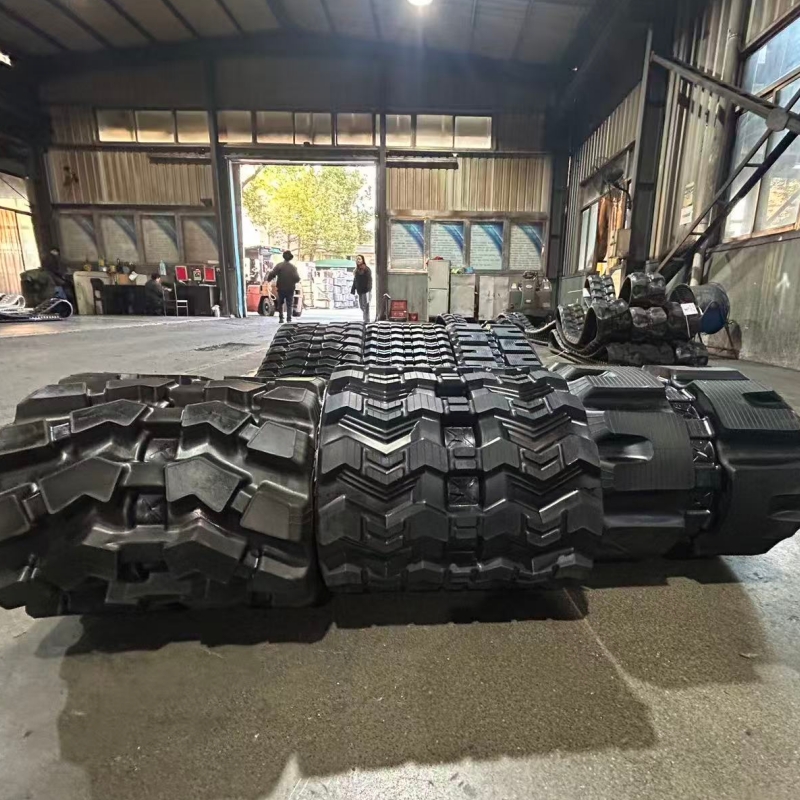
Frame DV450x86 CTL Tracks Around Downtime Reduction
In heavy equipment operations, few issues drain project profitability faster than unexpected undercarriage failures. When operating compact track loaders, the rubber tracks are the primary point of contact with the ground, making them highly susceptible to wear and catastrophic damage. Upgrading to specialized, heavy-duty track constructions—when available in your required size—is often one of the most effective strategies to keep machines running and maintain tight operational schedules.
What DV450x86 CTL Tracks Mean on the Jobsite
The DV450x86 specification represents a specific footprint for compact track loaders. The “450″ denotes a track width of 450 millimeters (roughly 17.7 inches), providing substantial surface area to distribute the machine’s weight, while the “86″ signifies an 86-millimeter pitch between the metal drive links. It is crucial to understand that DV450x86 is strictly a size and pitch specification, not inherently a heavy-duty grade; track quality and construction vary significantly by manufacturer. However, on the jobsite, this wider 450mm stance translates to superior flotation across mud, loose sand, and uneven terrain. This wider footprint does come with trade-offs, such as reduced maneuverability in tight spaces and potential undercarriage clearance issues on certain machine models.
Furthermore, selecting premium CTL tracks in this size class often allows for the inclusion of continuous steel cord technology. Rather than using overlapping steel belts that create inherent weak points, continuous cords form a single, unbroken loop inside the rubber casing. This specific manufacturing feature drastically reduces the likelihood of track snapping under heavy loads or high-torque turns, though buyers must verify its inclusion with their chosen brand.
Which Downtime Costs CTL Tracks Can Reduce
The financial impact of track failure extends far beyond the purchase price of replacement parts. When a compact track loader throws or snaps a track mid-operation, the resulting delay disrupts the entire workflow. Unplanned heavy equipment downtime can cost contractors hundreds or even thousands of dollars per day in lost productivity, idle operator wages, and schedule overruns, depending on the scale of the project.
By equipping machines with heavy-duty tracks in the correct DV450x86 size, operators can directly mitigate these expenses. Enhanced tear resistance and reinforced edges minimize the risk of sudden failures from debris impalement or curb impacts. Ultimately, investing in a robust undercarriage configuration allows contractors to accurately forecast operational costs and avoid the cascading delays associated with track replacement in the field.
Compare Key DV450x86 CTL Track Specifications
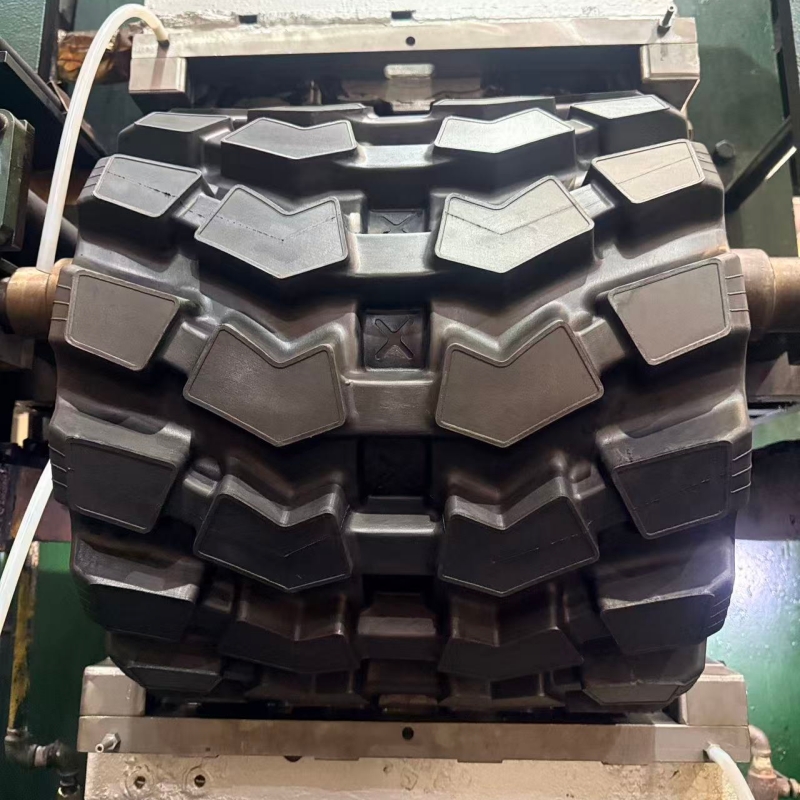
To fully understand how a DV450x86 profile performs in demanding environments, it is helpful to examine the technical specifications that dictate its durability. Not all tracks are manufactured to the same standards, and distinguishing between entry-level and premium options is crucial for maximizing service life and return on investment.
How DV450x86 CTL Tracks Compare With Standard-Duty Tracks
When evaluating replacement options, the differences between standard-duty tracks and heavy-duty configurations become starkly apparent. Standard tracks are often designed for light landscaping or smooth dirt grading, offering cost savings and reduced machine weight for low-impact scenarios. Conversely, heavy-duty variants are engineered for severe applications like demolition and forestry, where the upfront cost trade-off is justified by survival in harsh conditions.
Below is a comparison of typical specifications often encountered in the field:
| Specification | Standard-Duty Tracks | Premium Heavy-Duty Tracks |
|---|---|---|
| Tread Depth | ~15–20mm (Brand-dependent) | ~25–30mm (Brand-dependent) |
| Rubber Composition | Blended/Recycled Rubber | High-percentage Virgin Natural Rubber |
| Steel Cord Architecture | Overlapping Cords | Continuous Steel Cords |
| Typical Lifespan | 800–1,200 hours (Qualitative estimate) | 1,500+ hours (Qualitative estimate) |
Note: The tread-depth and lifespan ranges listed above are rough industry estimates. Actual performance varies widely by brand, rubber compound, operator behavior, and jobsite conditions.
This comparison illustrates why heavier-duty options are recommended for rigorous projects. The increased tread depth, continuous steel cords, and superior rubber compounds provide additional hours of workable traction before the track becomes unserviceable.
Which Traction, Wear, and Fitment Specs Matter Most
Beyond the basic dimensions, traction patterns, wear resistance, and fitment tolerances require close attention. The tread pattern—often available in block, C-lug, or zig-zag designs—determines how well the machine grips specific surfaces while efficiently clearing mud from the undercarriage.
For wear resistance, the quality of the forged iron core links is paramount. High-quality links are treated with anti-rust coatings and bonded securely to the rubber, preventing the dreaded “link pullout” that ruins otherwise healthy tracks. Additionally, the 86mm pitch must align precisely with the machine’s drive sprocket. Selecting tracks with strict manufacturing tolerances guarantees a tight, vibration-reducing fit, which protects the broader undercarriage system from accelerated roller bearing wear and minimizes operator fatigue.
Choose, Source, and Maintain DV450x86 skid steer rubber Tracks
Procuring the correct tracks and maintaining them properly is a continuous process. Even the most durable rubber tracks require careful selection and proactive management to achieve their maximum rated lifespan.
How to Check Fitment Before Buying
Before finalizing any purchase, verifying fitment is an absolute necessity. The DV450x86 designation covers the width and the pitch, but it is also necessary to confirm the total number of drive links. Depending on the specific make and model of the compact track loader, the required link count for an 86mm pitch track typically ranges from 52 to 60 links. For example, one possible fitment is formatted as 450x86x55, but this 55-link count is not a universal standard and must be matched exactly to your specific machine model.
To ensure accuracy, operators should consult the machine’s serial number and the OEM fitment chart. Broad machine compatibility goes beyond just the link count; buyers must also verify the track gauge, undercarriage clearance, and roller path width to ensure the internal iron cores will seat correctly without grinding against the machine’s bottom rollers. Relying solely on a manual count of the existing track or aftermarket modifications may lead to improper fitment and premature wear.
When DV450x86 CTL Tracks Are the Right Choice
Upgrading to a heavy-duty
Key Takeaways
- Confirm that DV450x86 matches your machine because it specifies a 450mm track width and 86mm drive-link pitch, not a universal fit.
- Treat DV450x86 as a size specification only, and verify construction details such as rubber compound, edge reinforcement, and continuous steel cords before purchasing.
- Use 450mm-wide CTL tracks when flotation and stability matter on mud, loose sand, or uneven ground, but check for clearance and maneuverability limits.
- Choose heavy-duty track construction for debris-heavy or high-torque applications to lower the risk of tears, thrown tracks, and field replacements.
- Factor downtime into track selection because a snapped or thrown CTL track can create hundreds or thousands of dollars per day in lost productivity and delays.
Frequently Asked Questions
What does DV450x86 mean for CTL tracks?
DV450x86 identifies the track size: 450 millimeters wide with an 86-millimeter pitch between drive links. It is a fitment specification, not a guarantee of heavy-duty construction.
Are all DV450x86 CTL tracks heavy duty?
No. DV450x86 describes the size and pitch only. Durability depends on the manufacturer, rubber compound, internal reinforcement, edge design, and whether features like continuous steel cords are included.
How can wider 450mm tracks reduce downtime?
A 450mm track spreads machine weight over more ground, improving flotation in mud, sand, and soft terrain. Better stability and traction can reduce stuck machines, excessive wear, and jobsite interruptions.
What downtime costs can better CTL tracks help avoid?
Heavy-duty tracks can reduce costs from thrown or snapped tracks, idle operators, delayed crews, emergency repairs, and schedule overruns. On larger jobs, unplanned equipment downtime can cost hundreds or thousands of dollars per day.
Why are continuous steel cords important in CTL tracks?
Continuous steel cords form an unbroken reinforcement loop inside the track. Compared with overlapping belts, they reduce weak points and help prevent snapping under heavy loads or high-torque turns.
Post time: Jul-15-2026