Strategic Matching of Rubber Tracks and Pads
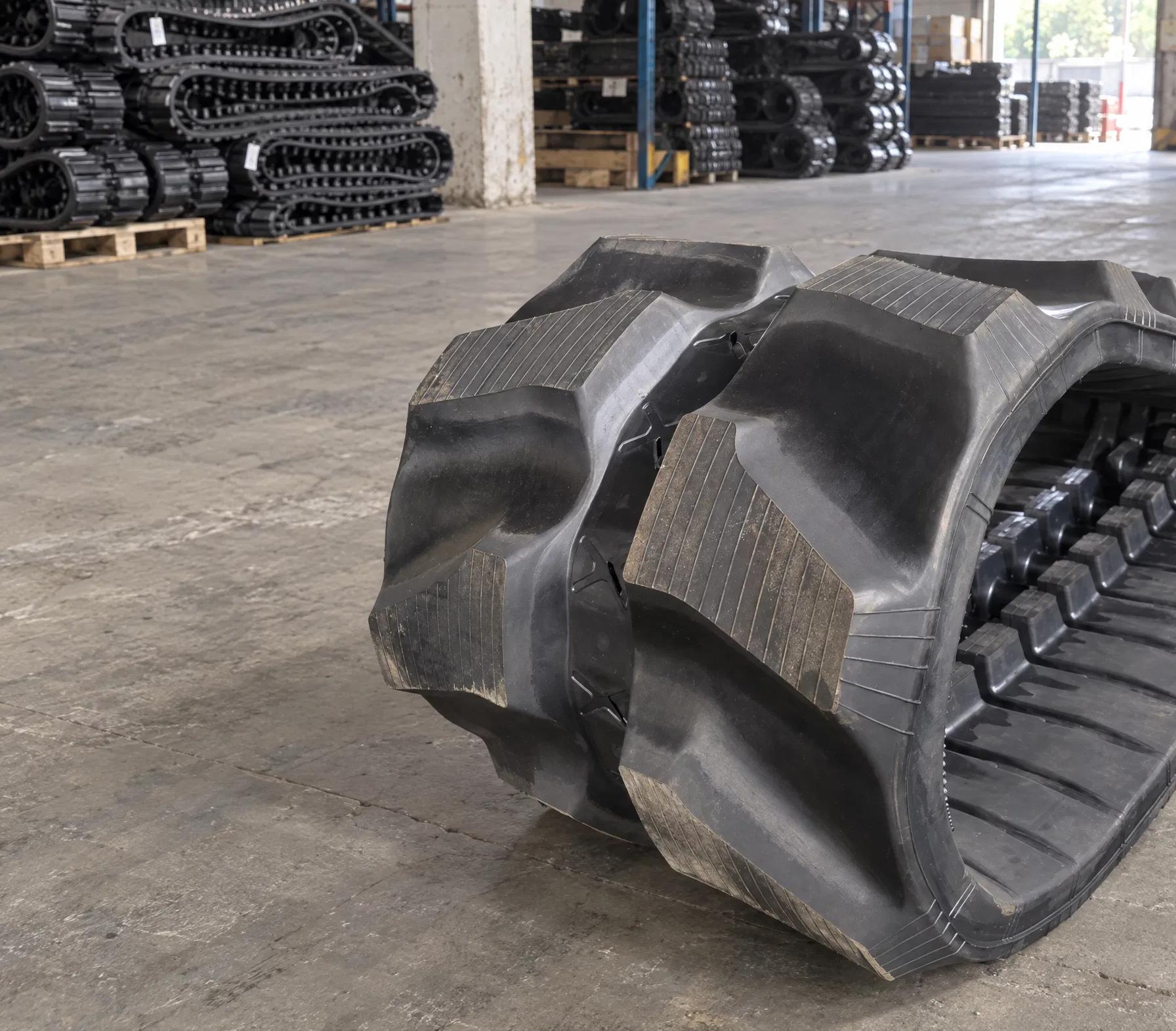
When equipping heavy machinery for varying terrains, selecting the right traction system is a critical decision. The choice between full rubber tracks and rubber pads attached to steel chains fundamentally impacts machine performance and project profitability. Rather than being interchangeable alternatives for the same chassis, these systems are typically purpose-built for different equipment classes. Matching the correct undercarriage type to the machine’s weight and application ensures optimal functionality.
Fit Tracks and Pads to Machine Requirements
To maximize efficiency, rubber tracks and pads must align with the specific operational demands and weight class of the equipment. Compact track loaders and mini excavators (typically in the 1.5 to 5.0 metric ton class) frequently rely on continuous rubber tracks for optimal flotation, agility, and minimal ground disturbance on delicate surfaces. However, it is important to note that full rubber tracks rely on embedded steel cords and cables, making them vulnerable to sidewall cuts and extreme abrasion in harsh environments.
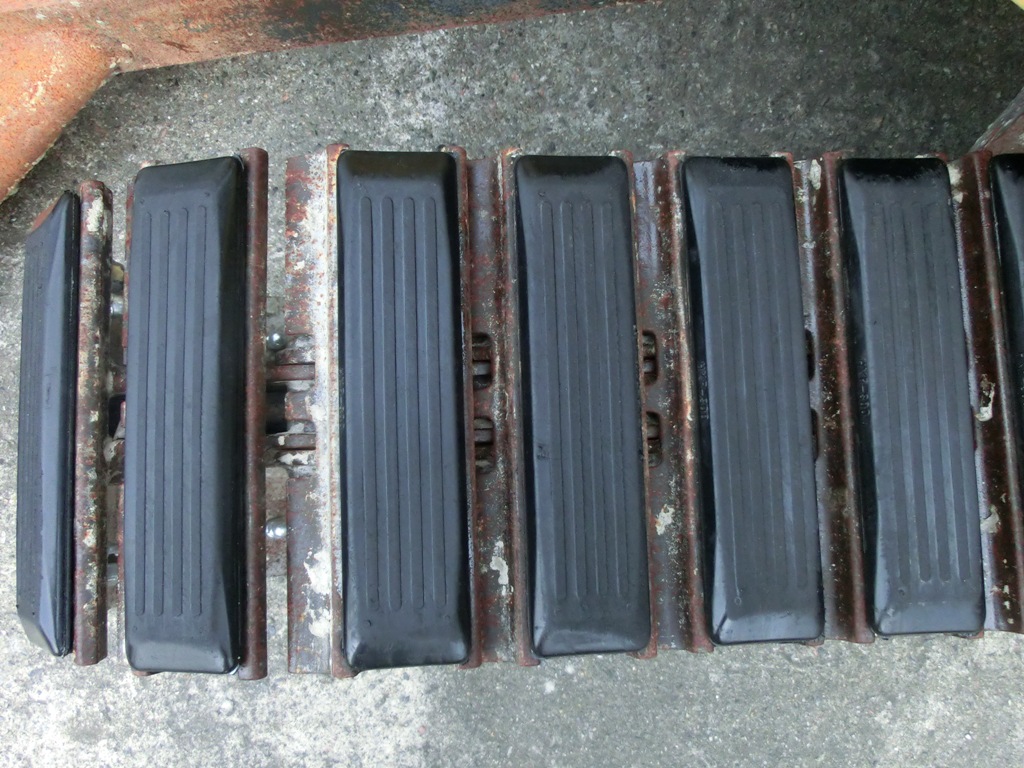
Conversely, mid-to-large excavators (ranging from 7.0 to 30.0+ metric tons) operating in abrasive, high-impact environments often benefit from the rigid backbone of steel chains equipped with rubber pads. These configurations provide modular versatility, allowing operators to adapt a machine to multiple environments. Buyers must understand the practical differences in pad retention: bolt-on pads offer the most secure fit but require more installation time (often 1.5 to 2.0 hours per side), clip-on pads are faster to attach (approximately 45 to 60 minutes per side) but carry a higher risk of slipping in heavy debris, and chain-on pads bolt directly to the chain link for maximum stability. While lifecycle costs can be lower due to modular pad replacement, the significant weight penalty of steel chains with rubber pads (often 20% to 40% heavier compared to full rubber tracks) impacts fuel consumption, transport logistics, and undercarriage load, requiring careful evaluation.
Reduce Operational and Commercial Risks
Selecting the appropriate system directly mitigates operational hazards. Premature undercarriage failure incurs severe downtime costs (frequently ranging from $100 to $300+ per hour depending on the machine size), compounding the expense of emergency replacement parts. To reduce total cost of ownership (TCO), buyers should evaluate product-specific technical criteria rather than simply finding the lowest upfront price.
For continuous tracks, this means verifying the rubber durometer (typically 65 to 75 Shore A) for optimal wear resistance and ensuring robust core-bar designs to prevent detracking. For rubber pads, it involves checking the quality of retention hardware to prevent bolt loosening and pad detachment in rocky terrain. Sourcing from suppliers with documented quality control ensures these components achieve maximum tensile strength (often exceeding 150 to 200 kN for heavy-duty applications), protecting operations from unexpected field failures and translating to a higher return on investment without being distracted by generic procurement filler.
Key Comparison Points for Buyers
To make an informed procurement decision, buyers must thoroughly analyze the distinct mechanical behaviors of each system under load. Evaluating these technical parameters ensures that machinery operates safely, meets site requirements, and maximizes daily output without causing unnecessary strain on the equipment’s drivetrain.
Compare Traction, Ground Pressure, and Vibration
Traction, ground pressure, vibration, and noise reduction are primary metrics used to benchmark undercarriage performance. A continuous rubber belt system excels in weight distribution, lowering ground pressure (often achieving 3.5 to 6.0 PSI) and minimizing operator fatigue by dampening high-frequency vibrations. Additionally, low operating noise is a key regulatory and community-relations benefit of full rubber tracks in urban construction. However, ground pressure is ultimately a function of machine weight divided by contact area; buyers must calculate this based on specific track widths and undercarriage loads rather than assuming all rubber tracks automatically yield low pressure.
In contrast, steel tracks fitted with rubber pads offer superior structural rigidity but naturally transmit more kinetic energy and noise back to the machine’s chassis and surrounding environment. Furthermore, while bare steel grousers provide excellent traction in mud, adding rubber pads covers this grouser bite, which reduces soft-mud traction but allows the machine to traverse paved surfaces safely.
| Specification Metric | Full Rubber Tracks | Steel Tracks with Rubber Pads |
|---|---|---|
| Ground Pressure | Low (Typically 3.5 – 6.0 PSI) | Moderate to High (Typically 6.0 – 9.0+ PSI) |
| Vibration & Noise | High dampening, < 85 dB typical | Moderate dampening, > 90 dB typical |
| Traction on Soft Mud | Good (High flotation) | Reduced (Pads cover steel grouser bite) |
| Typical Machine Class | 1.5 – 5.0 Metric Tons | 7.0 – 30.0+ Metric Tons |
Evaluate Surface Protection and Service Life
Protecting finished surfaces like asphalt, concrete, and landscaped turf is a primary reason for specifying rubberized undercarriages in urban construction. When deploying rubberized undercarriage components, operators gain the ability to traverse paved municipal roads without causing costly structural damage, while retaining the heavy-duty durability of a steel chain base.
Under standard operating conditions, high-quality continuous tracks offer a reliable service life (typically ranging from 1,000 to 1,500 operating hours) that depends heavily on operator behavior, proper tensioning, and terrain abrasiveness. Meanwhile, modular pads present a distinct maintenance advantage: individual pads can be replaced if torn or chunked (usually requiring only 10 to 15 minutes per pad). This modularity extends the functional lifecycle of the system and significantly lowers long-term maintenance overhead compared to replacing an entire continuous track. However, this modular approach only lowers long-term costs if the underlying steel chain is regularly inspected and remains within acceptable wear limits.
Confident Sourcing and Final Selection
Finalizing the procurement process requires rigorous verification of physical specifications and establishing a partnership with a reliable manufacturer. Leading suppliers support highly diverse fleet requirements by offering components tailored to specific machine classes and operational environments.
Verify Dimensions, Quality, and Supplier Support
Before placing an order, buyers must verify the exact dimensions required by the machine’s undercarriage to prevent improper fitment and premature wear.
Key Takeaways
- Match full rubber tracks to compact machines, especially 1.5 to 5.0 metric ton loaders and mini excavators that need flotation, agility, and low surface damage.
- Use steel chains with rubber pads for many 7.0 to 30.0+ metric ton excavators working in abrasive or high-impact environments.
- Compare pad retention systems before buying, because bolt-on pads are secure, clip-on pads install faster, and chain-on pads provide maximum stability at the chain link.
- Account for the 20% to 40% weight increase of steel chains with rubber pads when estimating fuel use, transport requirements, and undercarriage load.
- Reduce failure risk by checking technical specifications such as 65 to 75 Shore A rubber durometer, strong core-bar design, reliable hardware, and documented quality control.
- Evaluate total cost of ownership rather than upfront price alone, since downtime from undercarriage failure can cost $100 to $300+ per hour.
Frequently Asked Questions
When should I choose full rubber tracks instead of rubber pads?
Choose full rubber tracks for compact track loaders and mini excavators, especially in the 1.5 to 5.0 metric ton range, when flotation, agility, and low ground disturbance are priorities.
When are rubber pads on steel chains the better option?
Rubber pads on steel chains are often better for 7.0 to 30.0+ metric ton excavators working in abrasive, high-impact conditions where steel-chain strength and modular pad replacement matter.
What is the main downside of full rubber tracks?
Full rubber tracks use embedded steel cords and cables, which can be vulnerable to sidewall cuts, sharp debris, and extreme abrasion in harsh working environments.
How do bolt-on, clip-on, and chain-on pads differ?
Bolt-on pads offer secure retention but take longer to install. Clip-on pads install faster but may slip in heavy debris. Chain-on pads bolt directly to chain links for maximum stability.
Do rubber pads add weight to the machine?
Yes. Steel chains with rubber pads can be 20% to 40% heavier than full rubber tracks, which may affect fuel use, transport planning, and undercarriage load.
Post time: Oct-23-2026