Define Quality Benchmarks for Aftermarket ASV Tracks
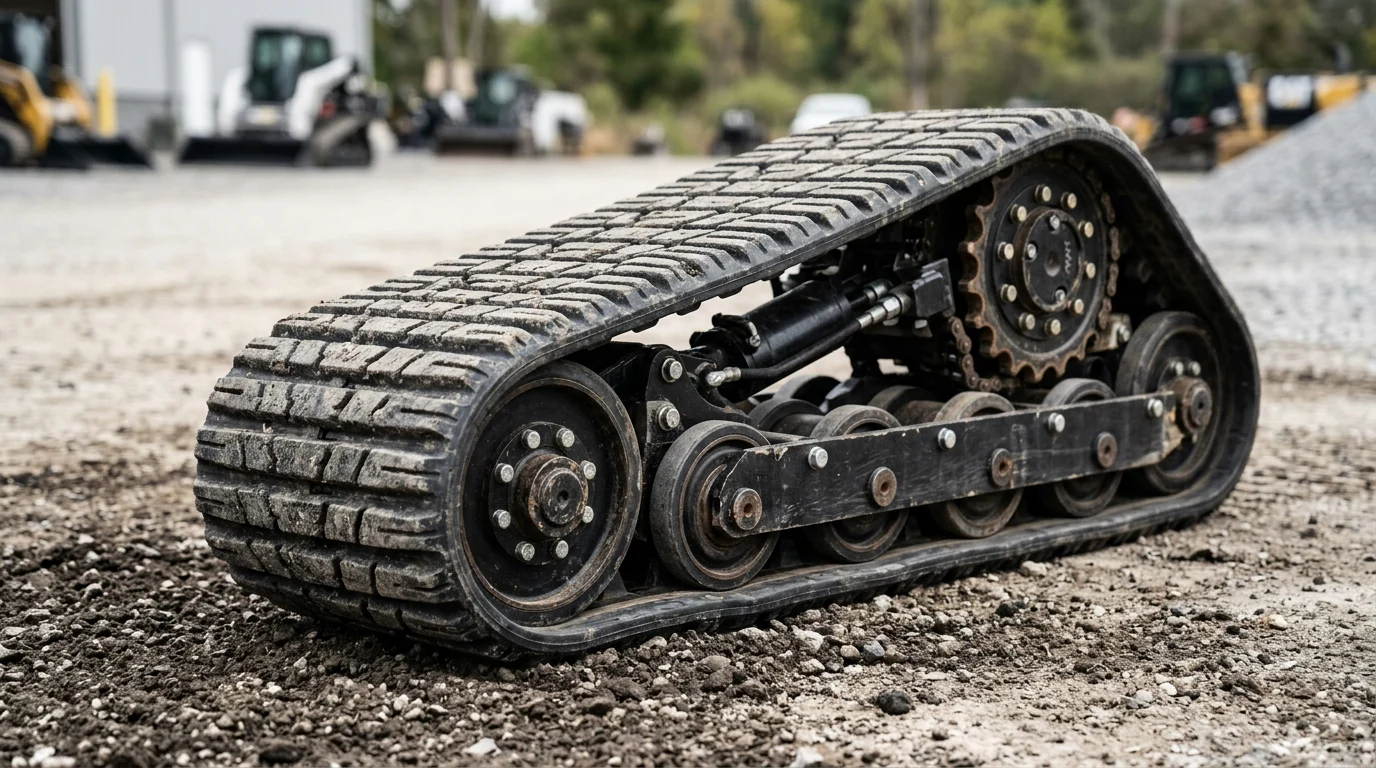
When evaluating the lifecycle costs of compact track loaders, establishing rigorous quality benchmarks for aftermarket tracks is essential. The market is saturated with replacement options, yet failing to standardize procurement criteria exposes fleets to premature failures and unpredictable maintenance intervals. ASV (All-Surface Vehicle) systems utilize a patented friction-drive undercarriage rather than a traditional rigid sprocket design. In this system, rubber wheels turn the track via friction against the inside of the track carcass, rather than interlocking with drive lugs. Because ASV has produced multiple undercarriage designs—including various iterations of the Posi-Track system—buyers must always verify compatibility by specific machine model and serial number. These tracks must be viewed as highly specialized engineered components. This unique drive system demands strict tolerance validation, as any deviation in track flexibility or core integrity directly degrades machine traction and accelerates undercarriage wear.
Why Quality Benchmarks Matter for Fleet Performance
The operational impact of sub-standard tracks extends far beyond the initial purchase price. A track failure in the field carries significant costs in lost productivity, machine downtime, and idle operator wages, which can easily exceed hundreds of dollars per hour depending on the operation. Implementing firm quality benchmarks directly mitigates these financial risks. Without these standards, ASV systems are particularly vulnerable to specific failure modes such as internal lug delamination, synthetic cord exposure, and heat cycling damage caused by excessive friction. By ensuring procurement standards filter out inferior products, fleet managers can help machines reliably achieve their expected lifecycle targets—which vary significantly based on application terrain—without unexpected track derailments or structural failures.
Non-Negotiable ASV Track Specifications
To achieve this reliability, non-negotiable specifications must be enforced during the sourcing process. Unlike conventional steel-embedded tracks used on other loader brands, the ASV friction-drive system requires non-metallic, lightweight reinforcement to function correctly. Procurement teams should verify that the continuous synthetic belting—typically Kevlar or high-tensile polyester—maintains a minimum tensile strength sufficient to prevent catastrophic snapping under heavy torque (often cited in manufacturer specifications around 2,800 lbs per square inch, though this varies by track size). Additionally, the rubber compound should provide an optimal balance between flexibility and chunking resistance over abrasive terrain. When consulting manufacturer documentation for ASV Tracks, buyers should verify that the track stretch tolerance remains strictly under 1.5% over the first 500 hours of operation to maintain proper tension against the friction drive wheels. Keep in mind that aftermarket quality and rubber compound compliance (such as REACH standards) vary dramatically by geographic market and regulatory environment.
Compare Testing Standards and Supplier Claims
Transitioning from theoretical specifications to actionable procurement requires rigorously comparing supplier claims against standardized testing methodologies. Relying solely on polished marketing brochures or superficial sales pitches is insufficient; instead, buyers must demand independent, empirical data that validates the durability and performance of the tracks under severe load. In a market where many manufacturers claim to offer premium quality, utilizing structured testing standards (such as ASTM or ISO) is the most effective way to separate legitimate engineering from unverified claims.
What to Include in an ASV Tracks Comparison Table
To systematically evaluate options, a standardized matrix helps strip away marketing jargon and focuses purely on engineering metrics. A robust comparison table allows buyers to benchmark aftermarket alternatives directly against original equipment specifications. By isolating variables such as compound hardness, stretch resistance, and warranty coverage, it becomes clear which suppliers meet baseline operational requirements.
Note: OEM specifications vary by machine model and track size; buyers must verify metrics against their specific equipment manual.
| Metric | Typical OEM Range* | Premium Aftermarket | Standard Aftermarket | Why This Matters (Operational Impact) |
|---|---|---|---|---|
| Rubber Durometer (Shore A) | 68 – 70 | 67 – 70 | 60 – 65 | Determines wear resistance; too soft causes chunking, too hard reduces traction. |
| Track Stretch Tolerance | < 1.0% | < 1.5% | > 2.5% | High stretch leads to derailments and loss of friction-drive engagement. |
| Lug Tear Strength (kN/m) | ~ 55 | ~ 52 | ~ 38 | Prevents drive lugs from shearing off under heavy torque loads. |
| Warranty (Months/Hours) | 12 / 1,000 | 12 / 1,000 | 6 / 500 | Indicates manufacturer confidence and protects against early failure costs. |
| Reported Functional Defect Rate | < 0.5% | < 1.0% | Varies widely | High defect rates increase the risk of out-of-box failures and downtime. |
How to Verify Premium Aftermarket Track Claims
Verifying the claims made in these comparison matrices requires a deep dive into the manufacturer’s quality assurance documentation. Buyers should request current ISO 9001:2015 certification records and specific destructive testing reports for proprietary rubber compounds. For instance, accelerated wear testing—often conducted via a 1,000-hour continuous drum test in a controlled laboratory environment—provides invaluable data on how the drive lugs will withstand internal friction and heat buildup over time. Furthermore, auditing the supplier’s vulcanization process parameters is highly recommended. The curing temperature must be precisely controlled according to the specific rubber compound’s requirements to ensure the synthetic Kevlar cords bond flawlessly with the rubber matrix. Any deviation in this thermal process drastically increases the likelihood of delamination in the field, making process verification just as critical as final product testing.
Choose the Right Aftermarket ASV Tracks Supplier
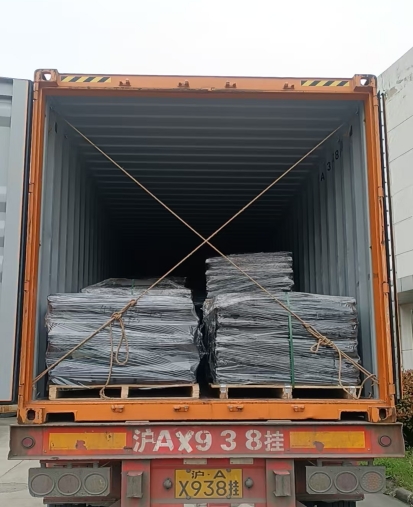
Establishing technical specifications and validating engineering claims only solves half of the procurement equation. To ensure seamless fleet operations and avoid costly equipment bottlenecks, the supplier’s logistical framework, inventory management practices, and overall business reliability must also be scrutinized. A track that looks perfect on a specification sheet is entirely useless if the supplier lacks the infrastructure to deliver it when machines are down.
Sourcing, Logistics, and Inventory Factors
Suppliers must be evaluated based on their inventory depth and supply chain resilience.
Key Takeaways
- Verify aftermarket ASV track compatibility by machine model and serial number because ASV has produced multiple undercarriage and Posi-Track designs.
- Require non-metallic continuous belting, such as Kevlar or high-tensile polyester, because ASV friction-drive systems depend on flexible lightweight reinforcement.
- Use track stretch under 1.5% during the first 500 hours as a practical benchmark for maintaining proper tension and friction-drive performance.
- Evaluate lifecycle cost rather than purchase price alone because field failures can create downtime costs that may exceed hundreds of dollars per hour.
- Demand independent or documented test data for tensile strength, rubber compound durability, heat resistance, and load performance before approving a supplier.
Frequently Asked Questions
Why do ASV tracks need different quality benchmarks than conventional loader tracks?
ASV machines use a friction-drive undercarriage, where rubber wheels drive the track from the inside instead of engaging rigid sprocket lugs. This makes track flexibility, carcass integrity, and stretch control especially important.
How should buyers verify aftermarket ASV track compatibility?
Always confirm the exact machine model and serial number before purchasing. ASV has used multiple Posi-Track and undercarriage designs, so visual matching or size alone may not ensure correct fitment.
What reinforcement should quality ASV tracks use?
Quality ASV tracks typically require non-metallic continuous belting, such as Kevlar or high-tensile polyester. Steel reinforcement can be unsuitable for the lightweight, flexible demands of friction-drive ASV systems.
What track stretch limit should fleet managers look for?
A strong benchmark is track stretch remaining under 1.5% during the first 500 operating hours, though requirements can vary by track size and manufacturer specifications.
What failures are common in low-quality ASV tracks?
Common problems include internal lug delamination, synthetic cord exposure, excessive heat cycling, premature cracking, and structural failure. These issues can increase downtime and accelerate undercarriage wear.
Post time: Jun-29-2026