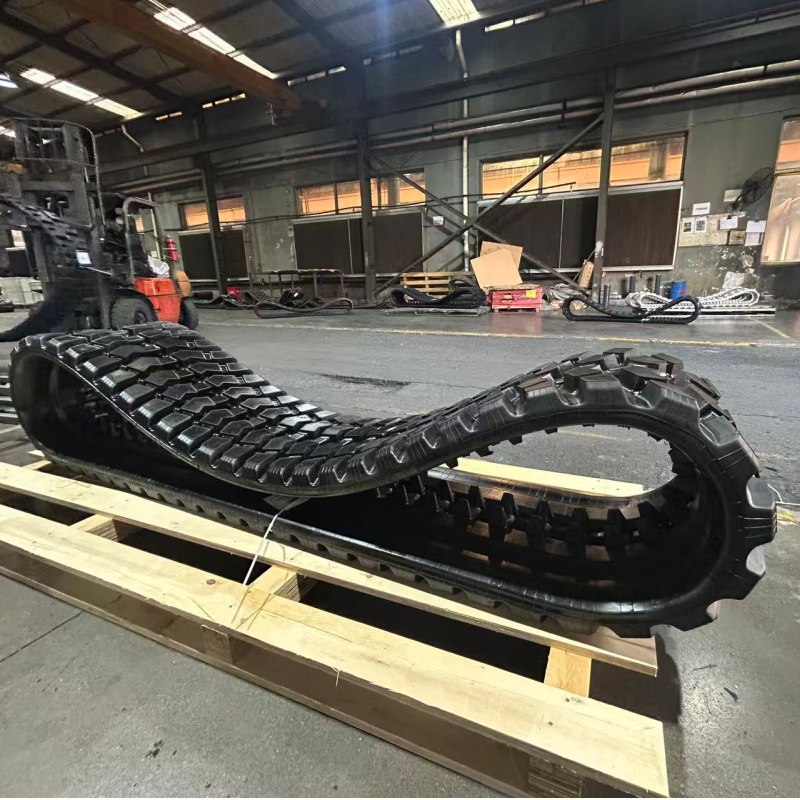
Define Skid Steer Rubber Track Requirements
Defining equipment requirements is the first step in a successful procurement strategy. Sourcing the right undercarriage components extends equipment lifespan and reduces operating costs. A practical procurement checklist includes:
- Distinguishing between over-the-tire (OTT) tracks and dedicated undercarriages.
- Matching precise dimensions and guide-tooth geometry to OEM specifications.
- Selecting tread patterns and rubber compounds based on jobsite conditions.
- Establishing concrete quality thresholds and storage protocols.
Match Tracks to Machine Models and Jobsite Conditions
Track specifications must align directly with the exact make, model, and primary operating environment of the equipment. Buyers must first distinguish between over-the-tire (OTT) tracks used to retrofit wheeled skid steers and dedicated rubber tracks for compact track loaders (CTLs). Operating a 9,000 lb machine on abrasive concrete demands different rubber compounds than running a 7,500 lb loader in deep mud or snow.
For CTLs, identifying the specific track measurements required by the manufacturer’s undercarriage design is critical. These dimensions are typically denoted by Width × Pitch × Links (W × P × L). For instance, a common specification is 320x86x49, indicating a 320mm width, an 86mm pitch, and 49 internal metal links.
Buyers should note that OEM proprietary part numbers often coexist and must be cross-referenced against this standard W × P × L system. However, identical W × P × L dimensions do not guarantee cross-brand compatibility. Variations in guide-tooth geometry and sprocket engagement can cause immediate de-tracking or accelerated wear. Buyers should verify fitment against OEM undercarriage drawings rather than relying solely on dimensional charts to prevent return shipments and client dissatisfaction.
Compare Tread Patterns, Sizes, and Performance Needs
Selecting the appropriate tread pattern dictates traction efficiency, ride quality, and long-term wear rates. Prioritizing modern continuous steel cord technology is highly recommended, as it significantly reduces track breakage rates compared to legacy overlapping joint designs.
| Tread Pattern | Best Application | Wear Resistance (Hard Surfaces) | Traction (Soft Surfaces) | Key B2B Factors |
|---|---|---|---|---|
| C-Lug | Dirt, Mud, General Construction | Moderate wear rate | Aggressive grip | Excellent self-cleaning in mud |
| Block / Multi-Bar | Asphalt, Concrete, Hardpan | Extended lifespan | Surface-level grip | Low vibration, smooth ride |
| Zig-Zag | Snow, Ice, Slippery Slopes | Moderate wear rate | Strong grip | Good lateral stability |
| Turf | Landscaping, Delicate Surfaces | Extended lifespan | Minimal grip | Minimal ground disturbance |
Standardizing inventory based on these tread profiles reduces hourly operating costs while maximizing machine utilization. Procurement teams should always evaluate end-users’ primary jobsite conditions—such as the need for self-cleaning in mud or low vibration on hardpan—before finalizing any track selection. Crucially, while tread patterns guide application suitability, buyers must remember that rubber compound formulation, durometer hardness, and steel-cord construction heavily alter real-world performance within each category.
Source and Qualify Rubber Track Suppliers
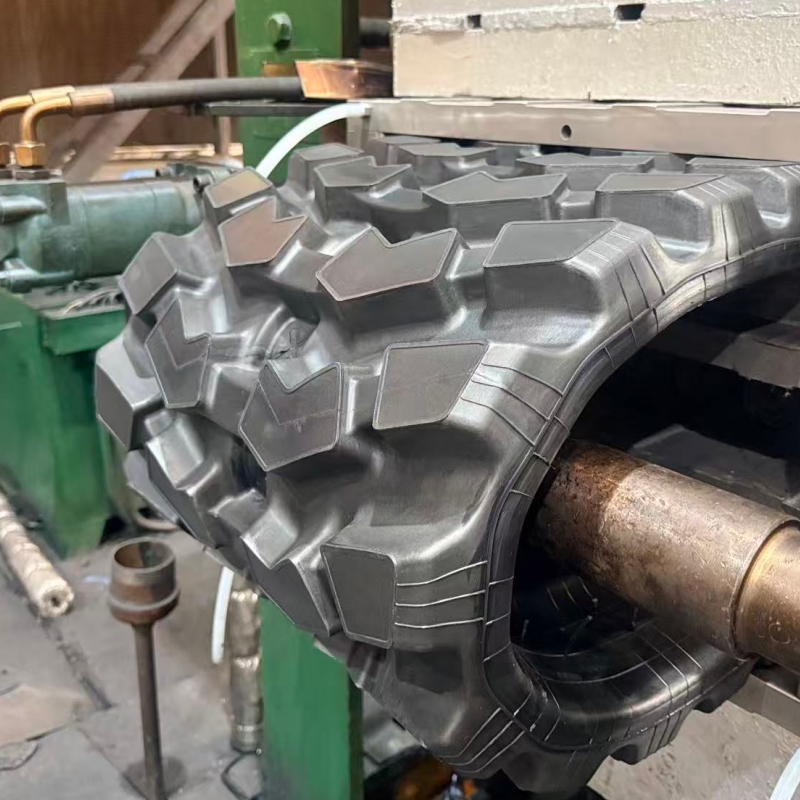
With technical specifications established, the focus shifts to vetting manufacturers. A robust qualification process protects the supply chain from substandard components that could cause premature equipment failures. When evaluating potential manufacturing partners, buyers should look for comprehensive catalogs that demonstrate broad production capabilities—such as the skid steer rubber track solutions offered by various industry suppliers—while maintaining strict, objective qualification protocols.
Review Supplier Audits, Compliance Documents, and Production Controls
Evaluating potential manufacturing partners based on their quality management systems starts with demanding active ISO 9001:2015 certification. Suppliers should demonstrate rigorous production controls; reputable manufacturers maintain comprehensive batch records for vulcanization temperatures and cord tensile testing, which can be reviewed during facility audits. Verifying the rubber compounding process is also essential, as the optimal blend varies by climate, abrasion exposure, and cost targets.
Vendor agreements should stipulate acceptable defect rates, framing them as strict buyer-defined KPIs. Rather than assuming a universal standard, these thresholds should be concrete and measurable. For example, premium tiers may target specific field-failure rates below 500 parts per million (ppm), while standard tiers might allow maximum allowable defect rates per ASTM standards before triggering a mandatory root-cause analysis and financial penalties. Mandating third-party inspection reports for initial shipments helps verify that a manufacturer’s internal quality controls align with stringent procurement standards.
Establishing clear Service Level Agreements (SLAs) with suppliers during this phase is vital. These agreements should detail comprehensive warranty terms, explicitly defining measurable thresholds for coverage rather than relying on fixed industry averages. They must also outline efficient protocols for handling claims on premature snapping or unusual tread delamination. Crucially, SLAs and buyer guidelines must emphasize that proper track tension and correct installation are critical to maintaining warranty validity. Furthermore, installation safety protocols—such as utilizing proper lifting equipment for heavy tracks and requiring certified technicians—must be enforced to prevent injury and ensure correct fitment.
Compare OEM, Aftermarket, and Private-Label Options
A comprehensive sourcing strategy typically involves three primary avenues: Original Equipment Manufacturer (OEM), aftermarket brands, and private-label manufacturing. OEM tracks offer guaranteed fitment and brand recognition but often carry a notable price premium, which can impact overall procurement budgets. Conversely, aftermarket quality spans multiple tiers and certification levels. High-tier aftermarket tracks utilize comparable materials tailored for specific durability needs, providing a cost-effective alternative for wholesale operations, whereas lower-tier options may sacrifice longevity for upfront savings. Buyers should note that under regional warranty-preservation laws (such as the Magnuson-Moss Warranty Act in the U.S.), OEM machine warranties generally cannot be voided solely because aftermarket tracks are installed, provided the parts meet exact specifications.
Private labeling builds brand equity but requires meeting high Minimum Order Quantities (MOQs). Manufacturers often require a full 20-foot container for custom branding, with the exact unit count depending heavily on the track size and weight mix. This capital commitment must be weighed against a thorough break-even volume analysis, specific margin targets, and the negotiation of regional exclusivity terms to ensure long-term profitability and direct control over market positioning.
Buy and Manage Rubber Tracks Efficiently
Securing the right tracks from qualified
Key Takeaways
- Verify skid steer rubber tracks by width, pitch, links, and OEM guide-tooth geometry before placing bulk orders.
- Separate OTT track requirements from dedicated CTL rubber track requirements to avoid costly fitment errors.
- Match tread patterns to operating conditions, such as C-lug for mud, block patterns for concrete, and turf patterns for landscaping.
- Prioritize continuous steel cord construction to reduce breakage risk and improve lifecycle value.
- Standardize track specifications across fleet models where possible to simplify inventory planning and reduce downtime.
Frequently Asked Questions
How do buyers identify the correct skid steer rubber track size?
Use the Width × Pitch × Links format, such as 320x86x49, then verify the guide-tooth geometry and sprocket engagement against OEM undercarriage drawings.
Are OTT tracks the same as dedicated rubber tracks?
No. Over-the-tire tracks retrofit wheeled skid steers, while dedicated rubber tracks are designed for compact track loaders with purpose-built undercarriages.
Why can two tracks with the same dimensions still be incompatible?
Identical width, pitch, and link counts may still have different guide-tooth profiles or sprocket engagement, which can cause de-tracking or premature wear.
Which tread pattern is best for mud and general construction?
C-lug patterns are often preferred for dirt, mud, and general construction because they provide aggressive grip and strong self-cleaning performance.
Which rubber tracks work best on asphalt or concrete?
Block or multi-bar tread patterns typically perform best on hard surfaces because they offer lower vibration, smoother operation, and improved wear resistance.
Yvonne
Post time: Jul-22-2026