Introduction
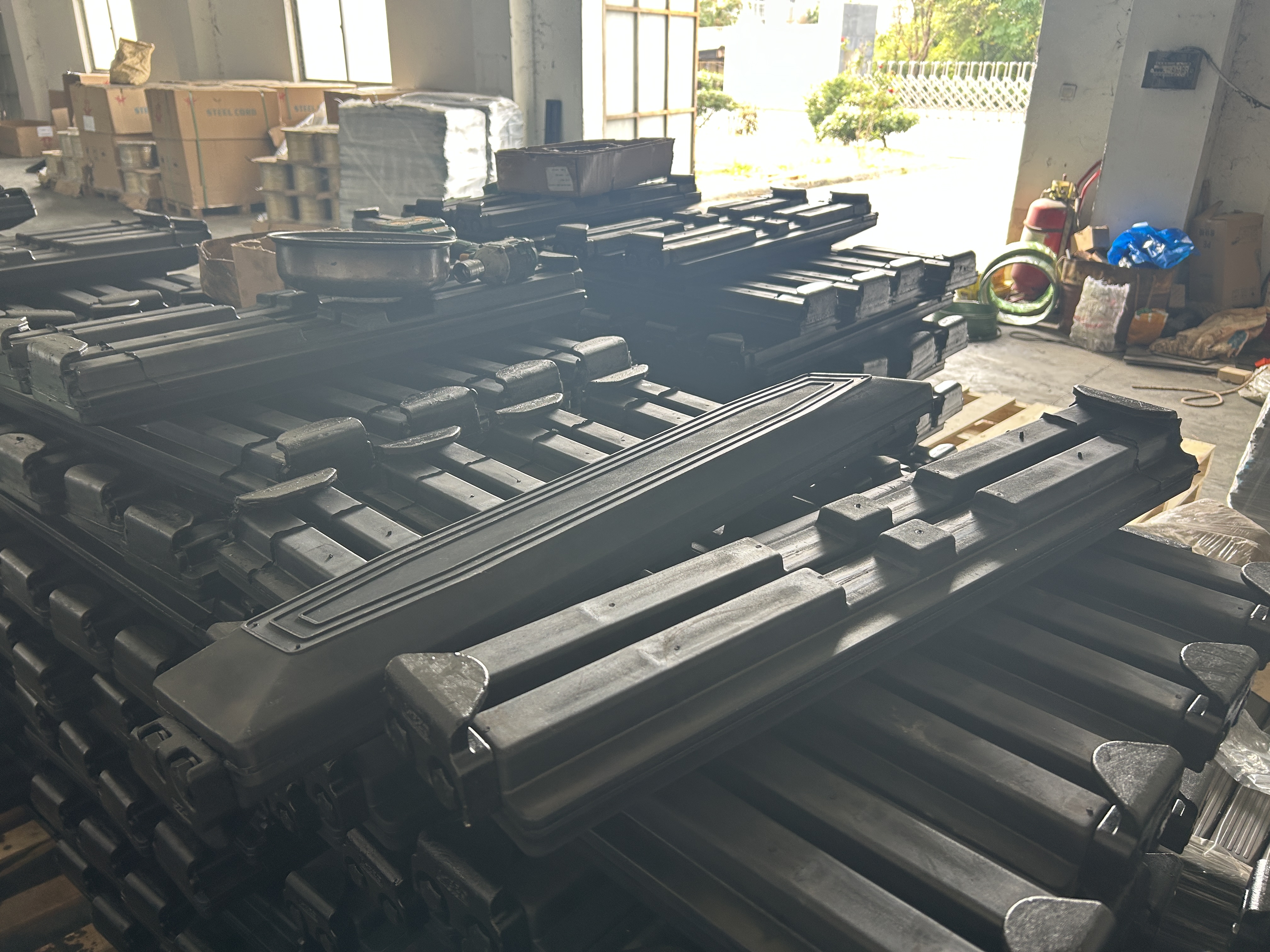
As mining expands into wetlands, forests, and other fragile areas, the undercarriage of heavy equipment has become a practical sustainability concern. Excavator track pads help limit soil compaction, surface scarring, vibration, and noise by spreading machine weight more evenly and adding a protective contact layer between steel tracks and the ground. For operators, that means access to sensitive sites with less damage; for project managers, it supports compliance with stricter environmental standards and ESG targets without sacrificing productivity. This article explains how excavator pads work, where their environmental benefits are most significant, and why they are becoming an essential specification in modern mining operations.
Why Excavator Pads Matter for Sustainable Mining
Modern mining operations increasingly intersect with ecologically sensitive zones, necessitating equipment modifications to mitigate environmental degradation. Standard steel tracks, while optimal for traction and durability, inflict severe damage on topsoil, root structures, and localized hydrology. The integration of specialized excavator pads serves as a critical intervention, transforming heavy tracked machinery into low-impact assets capable of navigating fragile terrains without compromising operational efficiency.
Environmental and operating benefits
The primary ecological advantage of utilizing track pads is the significant reduction of ground bearing pressure. By expanding the footprint and utilizing elastomeric materials, these pads distribute a machine’s weight more evenly, frequently reducing peak ground pressure from over 80 kPa to below 30 kPa. This dispersion prevents severe soil compaction, preserves subterranean moisture channels, and protects delicate root systems in forested or wetland mining concessions. Operationally, the dampening properties of rubber or polyurethane compounds limit vibration transfer to the machine’s undercarriage. This reduces operator fatigue and lowers acoustic emissions by an estimated 5 to 10 decibels—a crucial factor in noise-restricted wildlife habitats.
Adoption drivers in mining
Mining entities are accelerating the adoption of these protective pads largely due to tightening environmental regulations and aggressive internal Environmental, Social, and Governance (ESG) mandates. Regulatory bodies frequently mandate strict site rehabilitation protocols, penalizing operators for irreversible topsoil destruction. Fleet managers recognize that deploying eco-friendly excavator pads proactively mitigates these compliance risks. Furthermore, minimizing ground disturbance translates directly to lower site reclamation expenditures; operations utilizing high-quality track protection report a 15% to 20% reduction in post-mining landscaping and soil remediation costs.
How to Select Eco-Friendly Excavator Pads
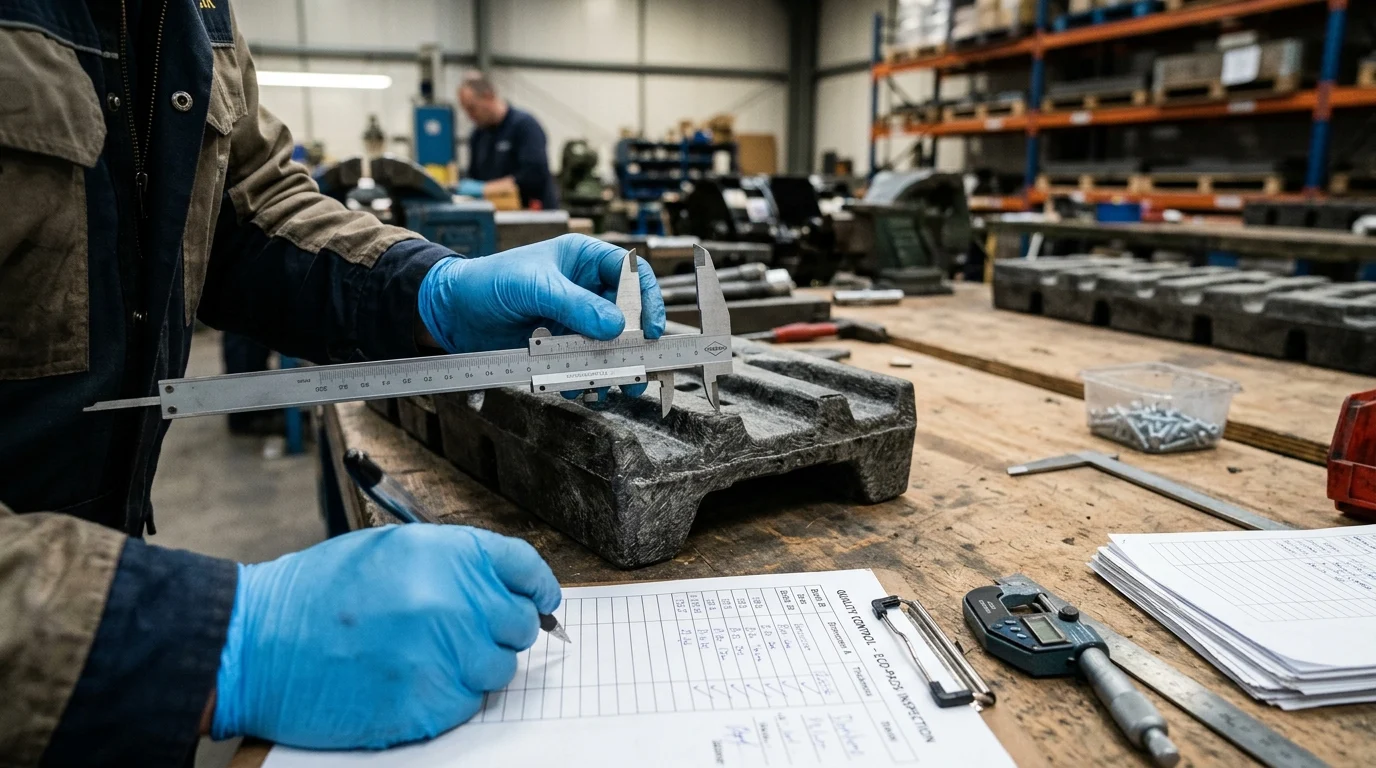
Procuring the appropriate track protection requires balancing ecological requirements with the rigorous mechanical demands of mining environments. The selection process dictates that fleet managers evaluate both the material science behind the pads and the overarching supply chain compliance standards. This ensures the chosen solution aligns with operational thresholds and sustainability targets.
Technical performance factors
Material engineering is the foremost consideration when evaluating technical performance. Excavator pads designed for sensitive sites must exhibit high tensile strength and tear resistance to withstand sharp aggregates while remaining pliable enough to protect the substrate. Premium options typically feature a durometer rating between 70 and 85 Shore A, offering an optimal balance between traction and ground protection. Thermal stability is equally critical; compounds must maintain structural integrity across extreme temperature gradients, generally rated for continuous performance from -40°C in sub-arctic operations to +60°C in equatorial mining zones.
| Material Type | Ground Protection | Wear Resistance | Typical Lifespan (Hours) | Eco-Profile |
|---|---|---|---|---|
| Standard Rubber | High | Moderate | 1,000 – 1,500 | Recyclable at end-of-life |
| Polyurethane | Very High | High | 2,000 – 3,000 | Lower particulate shedding |
| Recycled HDPE | Moderate | Very High | 2,500+ | Utilizes post-consumer waste |
Compliance and procurement criteria
Beyond physical specifications, procurement teams must enforce stringent compliance criteria. Eco-friendly pads should ideally be manufactured in ISO 14001-certified facilities and comply with REACH or RoHS directives to ensure no toxic plasticizers or heavy metals leach into the soil or local watersheds during operation. When vetting suppliers, buyers must also consider logistical parameters such as Minimum Order Quantities (MOQs) and lead times. A standard commercial MOQ for mining-grade pads ranges from 100 to 300 units depending on the machine’s tonnage class, requiring accurate fleet auditing prior to issuing a purchase order.
How to Evaluate and Deploy Excavator Pads
Transitioning a mining fleet to low-impact track systems involves rigorous financial evaluation and systematic deployment protocols. Successful integration relies on proving the long-term value of the investment and establishing strict maintenance routines to maximize the lifespan of the elastomeric components.
Decision criteria and cost justification
Although eco-friendly excavator pads command an initial capital premium—often 20% to 30% higher than standard aftermarket steel grousers—a comprehensive Total Cost of Ownership (TCO) analysis justifies the expenditure. The cost offset is realized through extended undercarriage lifespans, reduced steel track wear, and the aforementioned savings in environmental reclamation. High-grade polyurethane pads, for instance, frequently achieve 2,500 to 3,000 operating hours before requiring replacement. Fleet managers must calculate these extended replacement intervals against the upfront procurement costs, factoring in the avoidance of regulatory fines and the preservation of continuous operating licenses in ecologically restricted zones.
Implementation and monitoring steps
Execution in the field demands precise installation and ongoing condition monitoring. Whether utilizing bolt-on, clip-on, or chain-on configurations, maintenance crews must adhere strictly to manufacturer torque specifications—typically between 250 and 300 Nm for heavy-duty bolt-on pads—to prevent detachment and subsequent track damage. Once deployed, the pads require scheduled inspections every 500 operating hours to identify uneven wear patterns, chunking, or chemical degradation. Implementing a digitized tracking system for pad wear rates allows maintenance teams to forecast replacement cycles accurately, ensuring that the equipment maintains its low-impact profile throughout the duration of the mining project.
Key Takeaways
- The most important conclusions and rationale for Excavator Pads
- Specs, compliance, and risk checks worth validating before you commit
- Practical next steps and caveats readers can apply immediately
Frequently Asked Questions
Why use excavator track pads on sensitive mining sites?
They spread machine weight, cut soil compaction, and reduce damage to roots, wetlands, and finished surfaces while keeping excavators productive.
Which excavator pad types does Gator Track offer for mining fleets?
Gator Track supplies bolt-on, clip-on, and chain-on rubber pads, plus variants like RP, HXP, and DRP for broad excavator fitments.
What material features matter most for eco-friendly excavator rubber pads?
Choose pads with strong tear resistance, 70-85 Shore A hardness, and temperature stability suited to your site to balance wear life and ground protection.
How can track pads help lower mining site reclamation costs?
By reducing rutting and topsoil disturbance during operations, pads can lessen later grading, soil repair, and landscaping work on regulated sites.
What should buyers confirm before ordering replacement excavator pads?
Verify machine model, pad style, fitment size, site conditions, and supplier compliance details such as ISO 14001-related manufacturing practices, lead time, and MOQ.
Post time: Jun-02-2026