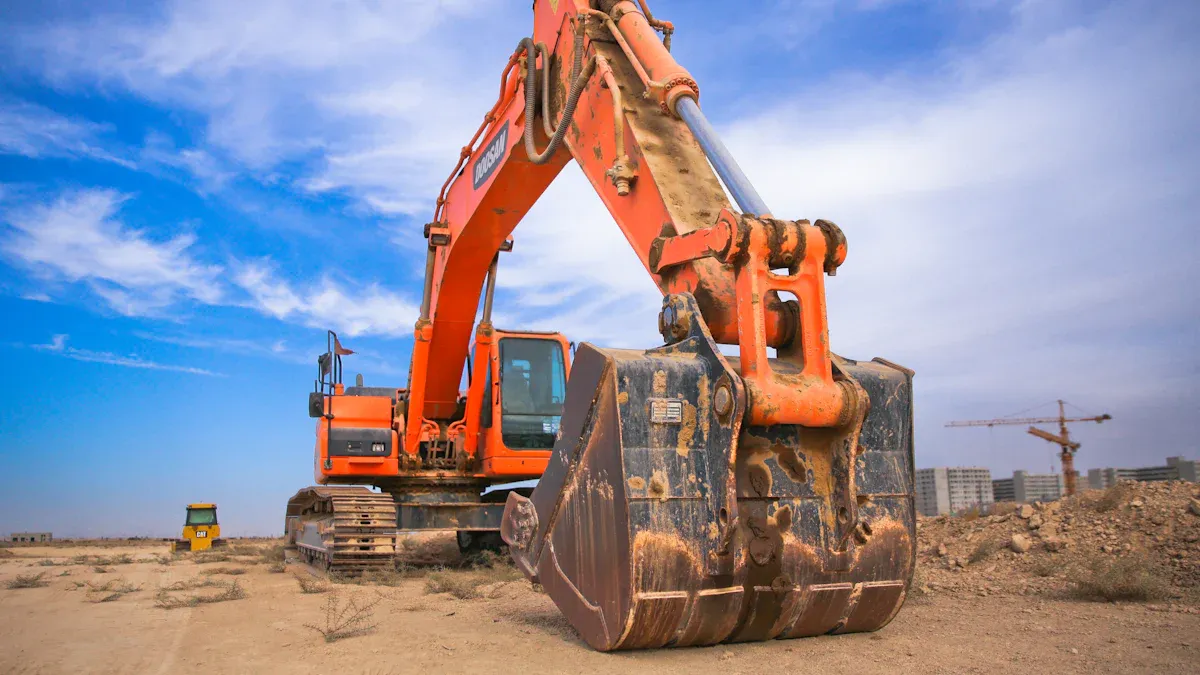
I’ve noticed a significant trend among contractors switching to ASV tracks. Their superior performance on tough job sites stands out. Many contractors appreciate the minimal ground damage, improved traction, and ability to work in tight spaces. These advantages make ASV tracks an appealing choice for enhancing productivity.
Key Takeaways
- ASV tracks provide excellent traction on uneven terrain, enhancing stability and control for contractors working in challenging conditions.
- The unique design of ASV tracks minimizes ground pressure, reducing soil compaction and preventing damage to sensitive job sites.
- Investing in ASV tracks leads to long-term savings through extended track life, improved fuel efficiency, and increased productivity.
ASV Tracks and Enhanced Traction
Improved Grip on Uneven Terrain
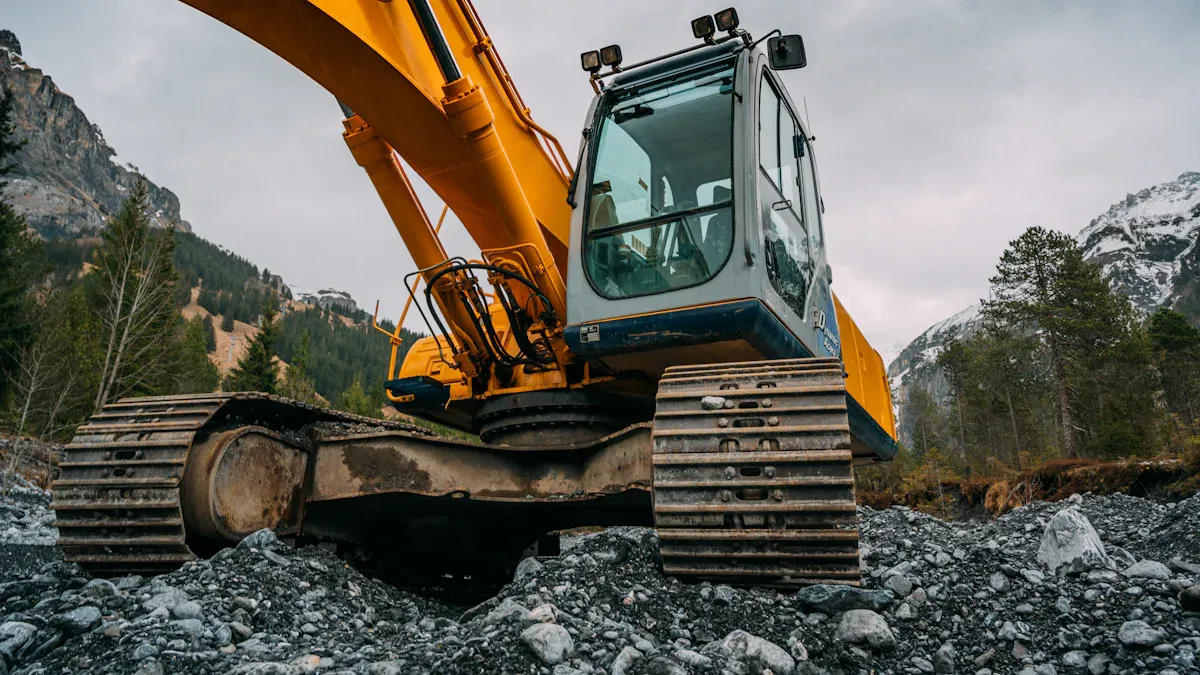
When I first switched to ASV rubber tracks, I immediately noticed their exceptional grip on uneven terrain. The unique tread patterns enhance self-cleaning capabilities, allowing the tracks to expel debris and mud effectively. This feature ensures that the tracks maintain optimal ground contact, which is crucial for stability and control.
Moreover, the optimized weight distribution of ASV tracks spreads the weight evenly across the surface. This design significantly improves traction, especially on slopes. Contractors often report that ASV tracks outperform traditional systems in grip on steep hills and uneven surfaces. The Posi-Track undercarriage system provides multiple ground contact points, enhancing flotation and stability.
Here’s a quick comparison of traction performance between ASV tracks and standard tracks:
| Metric / Factor | ASV Rubber Tracks | Standard Tracks / Tires |
|---|---|---|
| Traction & Stability | Excellent, even on slopes | Lower, less stable |
| Ground Pressure & Soil Impact | Up to 75% less ground pressure | More soil compaction |
Stability in Challenging Conditions
Stability is another area where ASV tracks shine. I’ve worked in various challenging conditions, including wet and icy terrains. The rubber tracks provide superior traction, which is essential for gripping slippery surfaces effectively. This feature allows me to navigate challenging landscapes with confidence.
The unique tread patterns of ASV tracks improve grip, significantly reducing the likelihood of slippage. Additionally, the lower center of gravity contributes to enhanced stability. This design feature is crucial for maintaining balance on uneven terrain. Operators can navigate steep slopes more safely due to the improved stability provided by these tracks. In fact, ASV tracks exhibit a 15% lower rollover rate compared to traditional steel tracks, enhancing safety on uneven ground.
In my experience, the combination of these features makes ASV tracks an invaluable asset for contractors working in tough conditions.
ASV Tracks and Reduced Ground Pressure
Weight Distribution Benefits
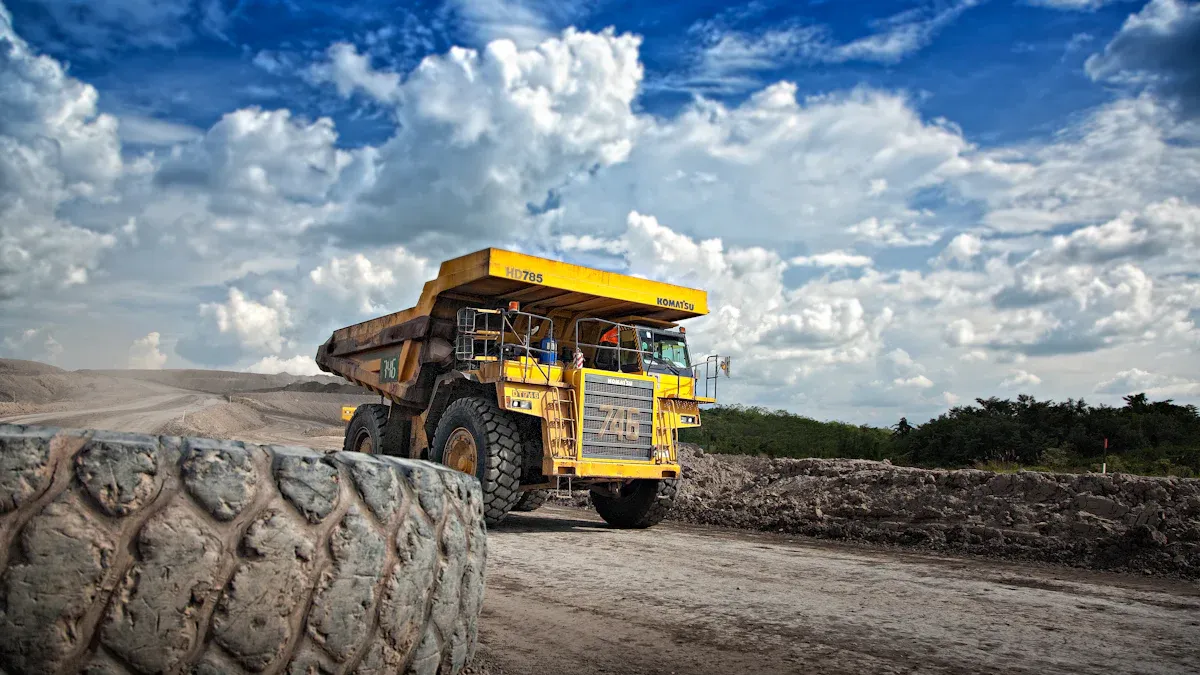
One of the standout features of ASV tracks is their ability to distribute weight evenly across the surface. The Posi-Track system plays a crucial role in this. It reduces ground pressure and enhances flotation, which prevents equipment from sinking into soft ground. I’ve found that this design significantly improves stability, especially when working on challenging terrains. For example, the RT-135F model boasts a low ground pressure of just 4.6 psi. This allows it to float over soft ground while maintaining excellent traction.
Minimizing Ground Damage
Using ASV tracks also minimizes ground damage, which is essential for sensitive job sites. The rubber tracks can reduce ground pressure by up to 50%. This reduction is vital for preventing soil compaction in areas like agriculture and landscaping. I’ve noticed that when I use ASV tracks on mini-excavators, they allow for better movement in soft and muddy terrains. The result is less disturbance to the ground, which is a significant advantage when working in delicate environments.
In my experience, the combination of these benefits makes ASV tracks a smart choice for contractors who prioritize both performance and environmental responsibility.
ASV Tracks and Increased Durability
High-Quality Materials
One of the key reasons I trust ASV tracks is their construction from high-quality materials. These tracks utilize advanced, fiber-reinforced industrial rubber compounds that enhance both durability and flotation. Unlike competitors, ASV tracks do not contain steel cords, which eliminates the risk of rust and corrosion. This design choice significantly extends the lifespan of the tracks. I appreciate that ASV tracks feature a unique all-season bar-style tread pattern and a specially formulated exterior tread. This combination maximizes performance across various conditions, ensuring that I can rely on them in any job site scenario.
Innovative Design Features
ASV tracks also incorporate innovative design features that set them apart from other track systems. For instance, the internal drive system includes replaceable steel rollers, which reduce wear and maintenance needs. The open-design undercarriage allows for self-cleaning, extending the service life of components by up to 50%. Additionally, ASV tracks provide up to four times more ground contact points than competitors, improving flotation and control in diverse conditions.
In my experience, these features contribute to a track life of 1,500 to 2,000 hours, which is about 30% longer than what I’ve seen with other brands. The Posi-Track rubber-track suspension enhances traction and comfort, allowing for longer operational hours without compromising performance.
Overall, the combination of high-quality materials and innovative design makes ASV tracks a durable choice for contractors like me who demand reliability on the job.
ASV Tracks and Versatility
Adaptability to Various Conditions
One of the most impressive aspects of ASV tracks is their adaptability across different job sites. I’ve seen these tracks perform exceptionally well in various conditions, from muddy fields to rocky terrains. For instance, Urban Development Partners reported a track life of over 1,200 hours with 85% fewer repair calls. Similarly, Davidson Family Farms experienced 12 additional working days due to better performance in muddy fields. These case studies highlight how ASV tracks can enhance productivity and reduce downtime.
Here’s a quick overview of some case studies that illustrate the adaptability of ASV tracks:
| Customer / Case Study | Warranty Duration | Key Outcomes |
|---|---|---|
| Urban Development Partners | 6-18 months | Track life up to 1,200+ hours, fewer replacements, 85% fewer repair calls |
| Davidson Family Farms | 6-18 months | 12 more working days, less fuel used, better performance in muddy fields |
| Greenscape Solutions | 6-18 months | Track life up to 1,800+ hours, no failures during jobs, better return on investment |
Compatibility with Different Equipment
ASV tracks are compatible with a wide range of construction equipment, making them a versatile choice for contractors. I’ve used them on compact track loaders, skid steers, and mini excavators. This compatibility allows me to switch tracks between different machines without hassle.
- Compact track loaders
- Skid steers
- Mini excavators
The installation process varies slightly depending on the equipment model. For example, the ASV RC 85 and 100 require specific tools like a hydraulic track install kit and daily inspections. This flexibility in installation and maintenance makes ASV tracks a practical option for contractors who need reliable performance across multiple machines.
| Equipment Model | Installation Tools and Methods | Maintenance Checks |
|---|---|---|
| ASV RC 85, 100, RCV | Hydraulic track install and removal kit, hydraulic cylinder, standard grease gun, pry bars, sledgehammers | Daily inspections, deeper checks every 500-1,000 hours, complete inspection every 1,000-2,000 hours |
In my experience, the versatility of ASV rubber tracks significantly enhances operational efficiency, allowing me to tackle various projects with confidence.
ASV Tracks and Cost-Effectiveness
Long-Term Savings Analysis
Switching to ASV tracks has proven to be a financially savvy decision for my contracting business. The initial investment may seem higher than traditional tracks, but the long-term savings are substantial. I’ve tracked my expenses closely, and here’s what I’ve found:
- Extended Track Life: ASV tracks typically last longer than their competitors. I’ve experienced track lifespans of up to 2,000 hours, which translates to fewer replacements and lower overall costs.
- Fuel Efficiency: The lightweight design of ASV tracks allows my equipment to operate more efficiently. I’ve noticed a reduction in fuel consumption, which directly impacts my bottom line.
- Increased Productivity: The enhanced traction and stability of ASV tracks mean I can complete jobs faster. This efficiency leads to more projects in less time, ultimately boosting my revenue.
In my experience, these factors contribute to a significant return on investment. I’ve calculated that the savings from reduced downtime and increased productivity can offset the initial costs within the first year of use.
Reduced Maintenance Costs
Maintenance costs can quickly add up, especially with traditional track systems. However, ASV tracks have simplified my maintenance routine. Here are some key points I’ve observed:
- Fewer Repairs: The robust construction of ASV tracks minimizes the risk of damage. I’ve encountered fewer issues related to track wear and tear compared to other systems.
- Regular Checks: While I still perform regular maintenance, the requirements are straightforward. I focus on:
- Inspecting the undercarriage for debris to prevent increased wear.
- Checking the rubber tracks for damage to avoid downtime.
- Greasing pivot points frequently due to the higher number of wear surfaces in ASV track loaders.
- Monitoring track tension to prevent damage from improper tightness.
- Common Issues: I’ve learned that some maintenance challenges can arise, such as:
- Track Damage: Driving over sharp materials can lead to cuts and punctures, increasing maintenance costs.
- Debris Accumulation: This can interfere with the undercarriage, causing increased wear and reduced performance.
- Improper Tensioning: Infrequent inspections can lead to premature wear and potential track failure, raising overall costs.
By staying proactive with maintenance, I’ve managed to keep my costs low while ensuring my equipment remains in top condition. Overall, the combination of lower repair costs and simplified maintenance makes ASV tracks a cost-effective choice for contractors like me.
Switching to ASV tracks has transformed my contracting work. Their advantages in traction, reduced ground pressure, and durability stand out. I appreciate the versatility across various job sites and the cost-effectiveness that leads to long-term savings.
Here’s a quick summary of ASV track features:
| Feature | Value |
|---|---|
| Operating Weight | 3755 lbs |
| Rated Operating Capacity @ 50% | 950 lbs |
| Ground Pressure | 3.1 psi |
| Max. Travel Speed | 5.1 mph |
With these benefits, ASV tracks are a smart choice for contractors aiming to enhance productivity and efficiency.
FAQ
What are ASV tracks made of?
ASV tracks use high-quality, fiber-reinforced rubber compounds. This construction enhances durability and prevents rust, ensuring long-lasting performance.
How do ASV tracks improve fuel efficiency?
The lightweight design of ASV tracks allows my equipment to operate more efficiently, leading to reduced fuel consumption on job sites.
Can I use ASV tracks on different types of equipment?
Yes! ASV tracks are compatible with various machines, including compact track loaders, skid steers, and mini excavators, making them versatile for contractors.

Post time: Feb-02-2026