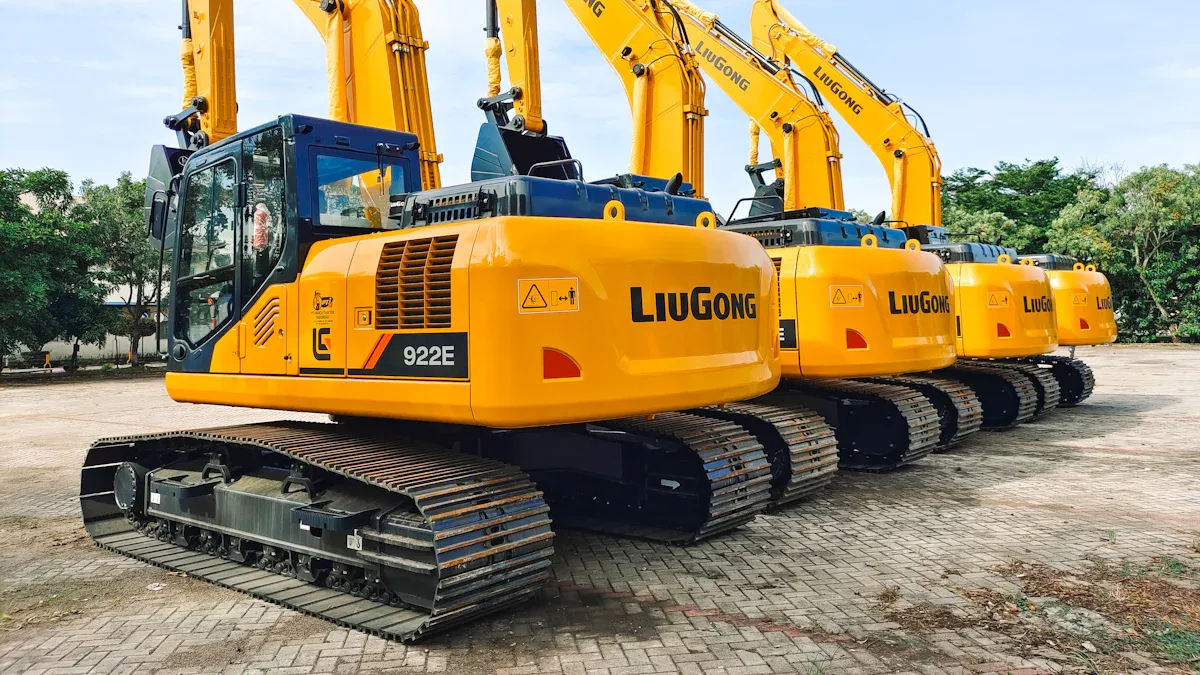
Track design plays a vital role in ensuring the stability and control of ASV TRACKS loaders. The right configuration of ASV TRACKS enhances weight distribution, traction, and maneuverability. For instance, wider ASV TRACKS offer better weight distribution, while narrower ASV TRACKS improve maneuverability in tight spaces. Effective track design leads to superior performance across various operational contexts, from farms to construction sites.
Key Takeaways
- Track design is crucial for ASV loader stability. Wider tracks improve weight distribution, while narrower tracks enhance maneuverability in tight spaces.
- The Posi-Track® technology minimizes ground pressure, allowing ASV loaders to perform well on uneven terrains and reducing the risk of tipping.
- Choosing the right materials for ASV tracks, like natural rubber and quality steel, ensures durability and optimal performance in various conditions.
Mechanics of ASV TRACKS
Weight Distribution
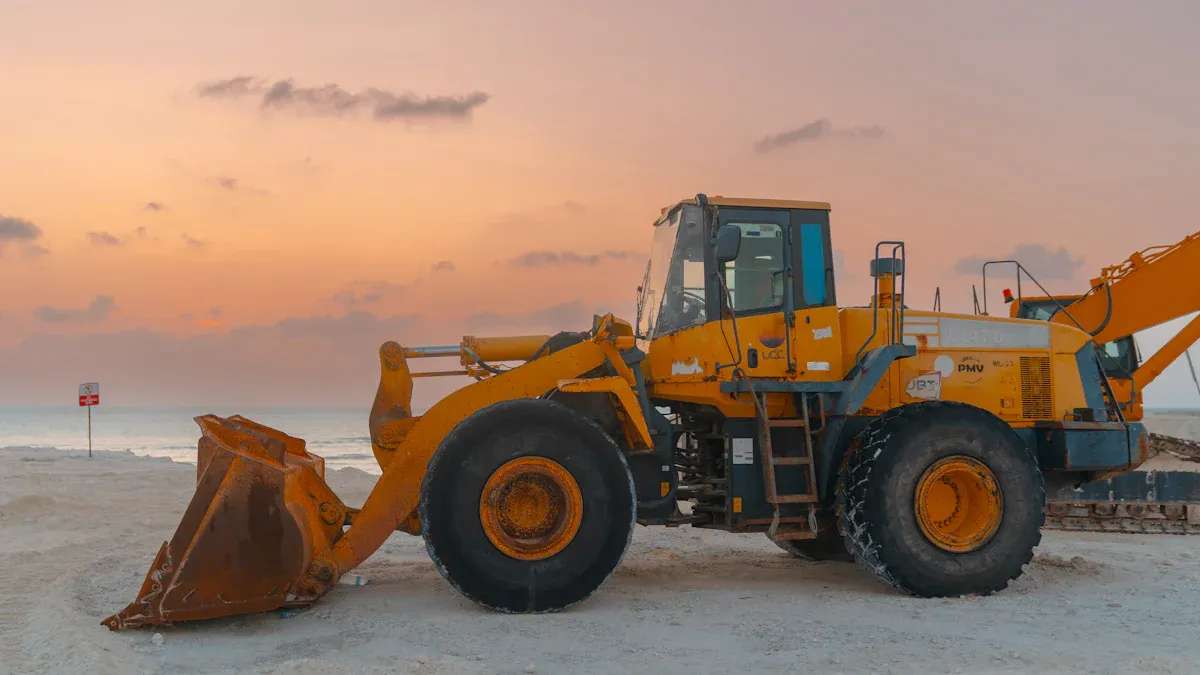
Weight distribution is a critical factor in the design of ASV TRACKS. I have observed that the innovative Posi-Track® technology effectively distributes weight across the tracks. This design minimizes ground pressure, which is essential for stability in uneven environments. When operating under varying loads, this feature reduces the risk of tipping. The multi-bar tread pattern enhances traction and stability, making ASV loaders suitable for challenging terrains.
- The Posi-Track system utilizes a low-ground-pressure rubber track configuration.
- This design improves grip on uneven or slippery surfaces.
- It allows the machine to ‘float’ over soft ground, reducing soil compaction.
Track Width and Length
The dimensions of the tracks significantly influence the control and stability of ASV loaders. I have found that the optimal track width and length measurements maximize performance. For instance, a track width of 20 inches paired with a length of 71 inches on the ground provides an excellent balance between stability and maneuverability.
| Track Width | Length of Track on the Ground |
|---|---|
| 20 in | 71 in |
Wider tracks enhance stability, while longer tracks improve traction. This combination allows for better weight distribution, especially when navigating uneven surfaces.
Material Composition
The materials used in ASV TRACKS play a vital role in their durability and performance. I have learned that different materials contribute unique benefits to the overall functionality of the tracks. Here are some key materials and their characteristics:
- Natural Rubber: Provides flexibility and enhances traction.
- Quality Steel: Ensures strength and structural integrity.
- Aramid String: Adds toughness, similar to materials used in bulletproof vests.
- Polyester String: Enhances overall durability.
Additionally, the construction of the tracks involves several components that must work together effectively:
- Cables: Essential for structural integrity.
- Forgings: Designed to prevent premature wear.
- Rubber Compound: Needs to bond well with other components to avoid failure.
By selecting the right materials, ASV Rubber TRACKS can withstand harsh conditions while maintaining optimal performance.
ASV TRACKS and Stability

Center of Gravity
The center of gravity plays a pivotal role in the stability of ASV loaders. I have observed that a lower center of gravity significantly reduces the risk of tipping, especially when navigating uneven terrain. The design of the Posi-Track system contributes to this stability by lowering the center of gravity through its unique track configuration. This design allows the loader to maintain balance even when carrying heavy loads or operating on slopes.
To illustrate the impact of various factors on tipping risk, I have compiled the following table:
| Factor | Impact on Tipping Risk |
|---|---|
| Bucket/Coupling Geometry | Affects the tilt point and operating range, influencing the rated load and stability. |
| Design of Lifting Path | Different designs maintain varying capacities and stability at different heights. |
| Track or Tire Width | Wider tracks increase stability and tipping load capacity. |
| Attachment Type | Changes the center of gravity, affecting tipping and rated operating load values. |
Load Capacity
Understanding the load capacity of ASV loaders is essential for safe and efficient operation. I have found that different models offer varying maximum load capacities, which directly impacts their performance in the field. For instance, the following table summarizes the maximum load capacities for several ASV loader models:
| Loader Model | Maximum Load Capacity |
|---|---|
| VT-75-1C | 3,500 lbs |
| VT-100 | 3,500 lbs |
| RT-135 | 3,500 lbs |
This consistent load capacity across models highlights the reliability of ASV TRACKS in handling substantial weights. Properly managing load capacity ensures that operators can work confidently without compromising stability.
Terrain Adaptability
ASV TRACKS excel in their adaptability to various terrains. I have experienced firsthand how these tracks perform exceptionally well on soft ground, rocky surfaces, and steep inclines. Their tread design and weight distribution allow for safe and efficient movement, even in challenging conditions.
- On soft ground, ASV TRACKS minimize soil compaction, which is crucial for maintaining the integrity of the landscape.
- When traversing rocky terrain, the robust design of the tracks ensures stability and traction, preventing slips and falls.
- In steep inclines, the low ground pressure of the tracks enhances grip, allowing for confident ascents and descents.
This versatility makes ASV loaders invaluable in diverse operational contexts, from construction sites to agricultural fields.
Control with ASV TRACKS in Various Terrains
Soft Ground Performance
I have found that ASV RUBBER TRACKS excel on soft ground, providing superior control compared to other track types. Their unique undercarriage design enhances flotation, allowing the loader to navigate through mud, snow, and slush effectively. The tracks feature aggressive, deep treads that maximize grip, preventing slippage. Here’s a comparison of ASV TRACKS with other track types:
| Feature | ASV Tracks | Other Track Types |
|---|---|---|
| Flotation | Excellent due to unique undercarriage design | Generally lower flotation |
| Durability | High, with fiber-reinforced rubber compounds | Varies, often less durable |
| Performance on Soft Ground | Superior control on snow, ice, mud, and slush | Less effective in soft conditions |
Steep Inclines
Operating on steep inclines presents challenges, but ASV TRACKS maintain stability and control. The low ground pressure, often under 3 psi, allows the loader to grip the surface effectively. I have noticed that the specialized tread designs, such as chevron patterns, help prevent slippage, ensuring safety during ascents and descents. This design allows me to work confidently on slopes without compromising stability.
Urban Environments
In urban settings, maneuverability is crucial. ASV loaders, with their compact size, navigate tight spaces effortlessly. The Posi-Track system distributes weight evenly, minimizing surface damage on sensitive areas like lawns and asphalt. I appreciate how the deep treads and internal suspension rollers provide excellent traction on uneven surfaces. This versatility makes ASV TRACKS ideal for urban construction sites, where access is often limited.
Track design significantly influences ASV loader performance. I have seen how proper design enhances stability and control, leading to greater operational efficiency. For example, ASV rubber tracks can last over 1,200 hours, reducing maintenance frequency. Investing in the right track design is essential for achieving optimal loader performance.
FAQ
What factors should I consider when choosing ASV tracks?
I recommend considering track width, length, and material composition. These factors directly impact stability, traction, and overall performance.
How do ASV tracks perform on different terrains?
ASV tracks excel on soft ground, steep inclines, and urban environments. Their design ensures stability and control across various surfaces.
How often should I maintain my ASV tracks?
I suggest checking your ASV tracks regularly for wear and tear. Proper maintenance can extend their lifespan and enhance performance.
Post time: Mar-03-2026