Recognizing the signs for replacing skid steer rubber tracks is crucial. Ignoring these signs can lead to costly repairs and increased downtime. Timely replacement not only enhances performance but also saves money. For instance, rubber tracks can cost between $1,500 and $3,500 per set. Regular inspections and proper maintenance can maximize their lifespan, allowing for better operational efficiency.
Key Takeaways
- Look for visible cracks and uneven surfaces on your rubber tracks. These signs indicate wear and can lead to safety issues.
- Monitor traction and maneuverability. Slipping on inclines or difficulty controlling the skid steer means it’s time for a replacement.
- Pay attention to unusual sounds and increased vibrations. These can signal that your rubber tracks are wearing out and need to be replaced.
Excessive Wear on Skid Steer Rubber Tracks
Visible Cracks
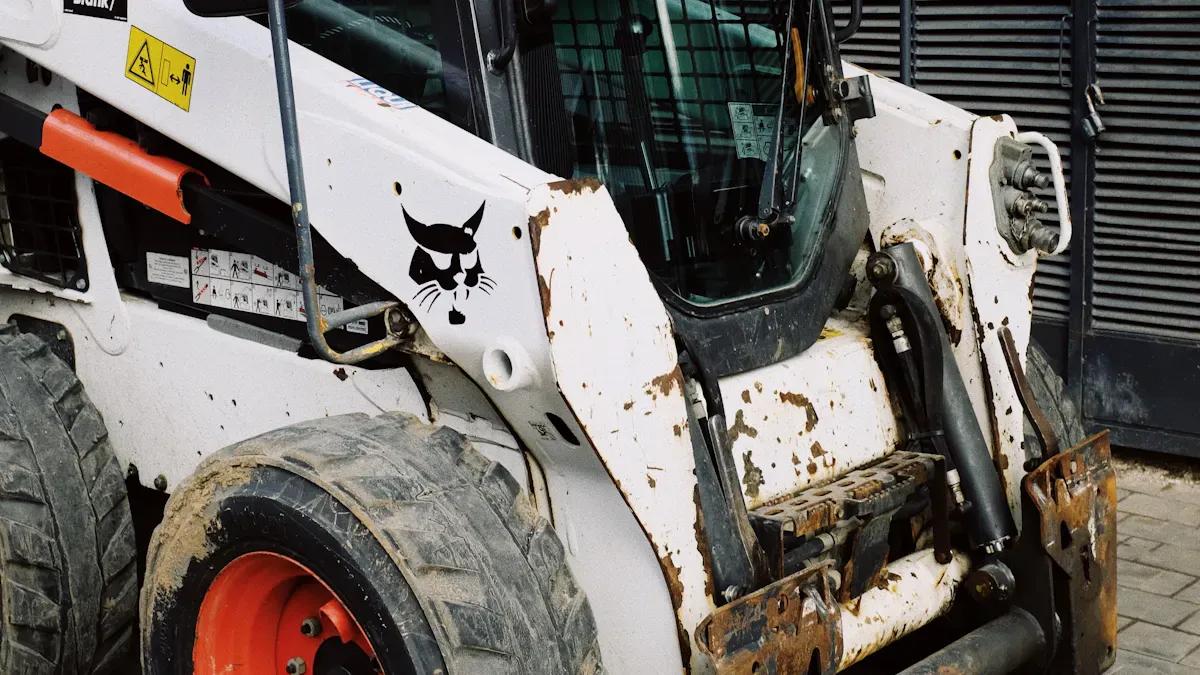
When I inspect skid steer rubber tracks, one of the first signs I look for is visible cracks. These cracks can indicate significant wear and tear. If I notice cracks on the exterior, it often means the rubber is deteriorating. This deterioration can expose the steel cables underneath, leading to rust and eventual track failure. Ignoring these cracks can compromise both safety and efficiency.
Common signs of excessive wear include:
- Cracks on the surface
- Missing lugs
- Exposed cords
Each of these issues can severely affect the performance of the skid steer. I always recommend replacing the tracks before they reach this critical point.
Uneven Surface
Another indicator of excessive wear is an uneven surface on the rubber tracks. When the tread wears down unevenly, it can lead to poor traction. This makes the skid steer harder to control, especially on inclines or uneven terrain. I have seen operators struggle with maneuverability due to this issue.
An uneven surface can also result from insufficient or excessive tension in the tracks. Proper tension is crucial for maintaining optimal performance. If I find that the tread depth is unsafe, I know it’s time for a replacement. Regular inspections help me catch these problems early, ensuring that my equipment remains safe and efficient.
Loss of Traction in Skid Steer Rubber Tracks
Slipping on Inclines
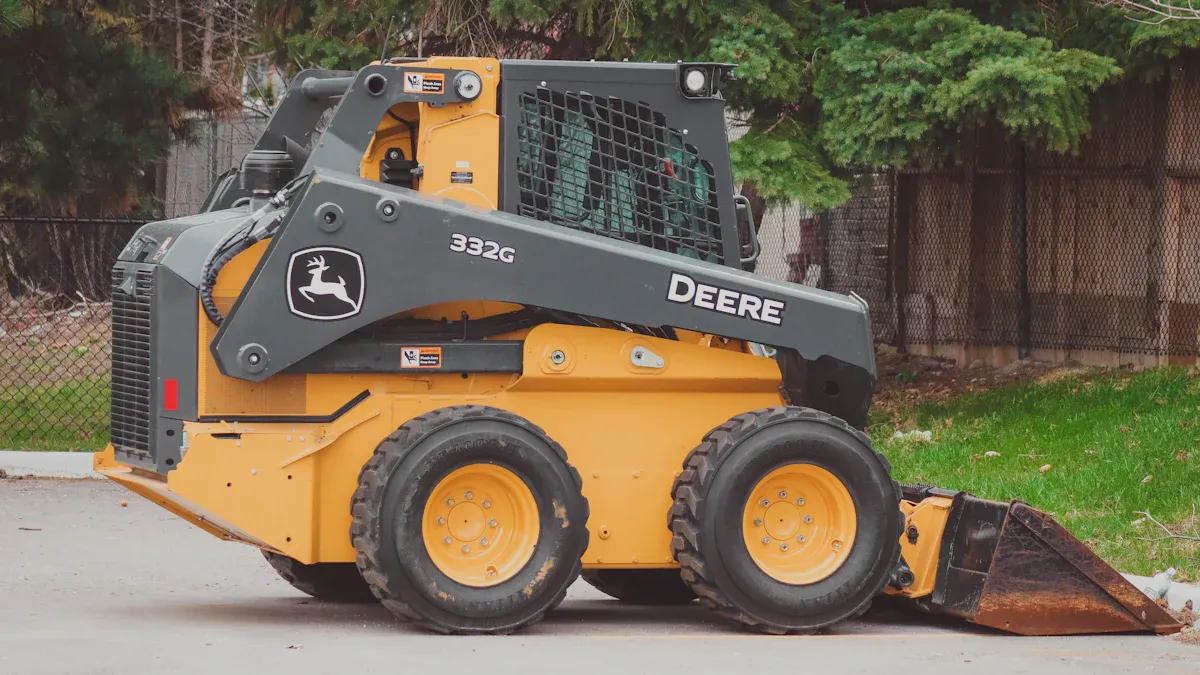
I often notice that slipping on inclines is a clear sign of traction loss in skid steer loader tracks. When I operate on steep surfaces, I expect my machine to grip securely. If I feel the skid steer sliding, it indicates that the tracks may be worn or improperly tensioned. Several factors contribute to this issue:
- Undercarriage Condition: Worn or misaligned components can lead to significant traction loss. Common issues include worn sprockets and debris buildup.
- Track Tension: Incorrect tension can cause early wear. Over-tensioned tracks increase stress, while loose tracks can de-track and wear unevenly.
- Maintenance Practices: Regular inspections and cleaning after use can prolong track life and maintain traction.
Ignoring these signs can slow down my work and reduce overall productivity.
Difficulty in Maneuvering
Another problem I encounter is difficulty in maneuvering. When the skid steer rubber tracks lose traction, I struggle to control the machine effectively. This can lead to frustrating delays, especially in construction and landscaping applications. The right tracks directly influence machine performance. With superior grip, I can move efficiently across various terrains.
Poor tracks lead to slippage, which reduces power transfer and slows down work. I always emphasize the importance of maintaining proper track conditions to avoid these issues.
By staying vigilant and addressing traction problems early, I can ensure my skid steer operates at peak performance.
Noise and Vibration from Skid Steer Tracks
Unusual Sounds During Operation
When I operate my skid steer, I pay close attention to any unusual sounds. If I hear grinding, clunking, or excessive noise, it often signals that the rubber tracks are wearing out. Rubber tracks typically provide superior shock absorption compared to steel tracks. This feature reduces vibrations that reach me, creating a more comfortable working environment. Laboratory tests show that rubber components can decrease vertical acceleration by over 60%. This reduction leads to less operator fatigue and stress.
Rubber track belts have become widely used on small to medium-sized off-road machines to mitigate noise and vibration levels during operation.
Increased Vibration Levels
Increased vibration levels can also indicate that my skid steer rubber tracks need replacement. Excessive vibrations can lead to operator discomfort and affect machine performance. I find that when vibrations increase, my ability to control the skid steer diminishes. This can slow down my work and lead to potential safety hazards.
Industry standards recommend a noise exposure limit of 85 dBA for an 8-hour time-weighted average. If my skid steer exceeds this level, it’s time to assess the condition of the rubber tracks. Manufacturers like John Deere and Bobcat have made strides in reducing noise levels, but I must remain vigilant. Regular inspections help me catch these issues early, ensuring my equipment operates efficiently and safely.
Decreased Performance of Skid Steer Rubber Tracks
Slower Speeds
I often notice that slower speeds are a clear indicator of decreased performance in skid steer rubber tracks. When my machine struggles to reach its usual pace, it can significantly impact my productivity. Several factors contribute to this issue:
- Increased wear on track components
- Inefficiency in machine operation
- Potential for equipment malfunction due to misalignment or improper maintenance
These factors can lead to frustrating delays on the job site. I make it a point to perform daily inspections to check for wear and debris. Maintaining proper track tension is essential to avoid slippage or excessive strain. I also encourage operators to minimize sharp turns and unnecessary travel to prolong track life.
Reduced Load Capacity
Reduced load capacity is another critical sign that my skid steer rubber tracks may need replacement. When the tracks wear down, they cannot support the same weight as before. This reduction can lead to:
| Impact | Consequence |
|---|---|
| Increased downtime | Delays in project completion |
| Unplanned track failures | Job delays, overtime labor, emergency service calls |
| Higher maintenance costs | Penalties for missed deadlines |
I have experienced firsthand how these issues can derail project timelines. By addressing the condition of my skid steer rubber tracks promptly, I can avoid these costly setbacks and ensure smooth operations.
Frequent Repairs for Skid Steer Rubber Tracks
Rising Maintenance Costs
Frequent repairs on my skid steer rubber tracks can lead to rising maintenance costs. Each time I need to fix or replace components, I notice the expenses adding up quickly. I often find that minor issues can escalate into major repairs if I ignore them. Regular inspections help me catch problems early, but when repairs become routine, I know it’s time to consider replacing the tracks.
I keep track of my maintenance expenses and have noticed that:
- Unplanned repairs can disrupt my budget.
- Parts and labor costs increase with each visit to the shop.
- Downtime during repairs can lead to lost revenue.
By addressing these issues promptly, I can avoid the financial strain that comes with frequent repairs.
Increased Downtime
Increased downtime is another significant concern for me. Every minute my skid steer is out of commission results in financial losses and missed revenue opportunities. Equipment failures disrupt my workflow, reducing overall efficiency. Delays in fulfilling customer orders can lead to potential loss of business. I’ve learned that:
- Disrupted schedules can lead to increased costs.
- Strained relationships among stakeholders can affect project success.
- Lost production output reduces throughput, leading to significant revenue losses.
To minimize downtime, I follow a strict inspection schedule. I check the oil level, inspect tracks for debris and damage, and ensure all components are secure. This proactive approach helps me maintain productivity and profitability.
Recognizing the signs for replacing skid loader tracks is vital. Key indicators include:
- Visible cracks and uneven surfaces
- Loss of traction and maneuverability
- Increased noise and vibration
- Decreased performance and frequent repairs
Regular inspections help me catch issues early, ensuring optimal performance. I encourage you to assess your skid steer tracks today to maintain efficiency and safety.
Remember, timely replacement can save you money in the long run!
FAQ
What should I do if I notice cracks in my rubber tracks?
I recommend replacing the tracks immediately. Cracks can lead to further damage and safety issues.
How often should I inspect my skid steer rubber tracks?
I suggest inspecting them at least once a month. Regular checks help catch wear and tear early.
Can I repair my rubber tracks instead of replacing them?
While minor repairs are possible, I find that replacement is often more cost-effective in the long run.

Post time: Mar-17-2026