Introduction
For B2B buyers, sourcing excavator tracks is a high-impact decision that affects uptime, maintenance costs, and customer satisfaction across the equipment lifecycle. This article explains what separates premium rubber tracks and steel undercarriage parts from lower-grade alternatives, with a focus on material quality, wear performance, and fit across demanding jobsite conditions. You will also see which technical and commercial factors matter most when evaluating wholesale suppliers, from compound formulation and steel integrity to consistency, lead times, and total cost of ownership. With that context, the next sections break down how to assess products and sourcing partners more effectively.
Why wholesale excavator tracks and undercarriage sourcing decisions matt
Undercarriage components represent up to 50% of a tracked excavator’s total lifetime maintenance expenditures. As global infrastructure and construction demands escalate, the heavy equipment market faces increasing pressure to maximize machine uptime while controlling operational overhead. For fleet managers and heavy equipment distributors, strategic sourcing of wholesale excavator tracks is a critical lever for optimizing fleet profitability and minimizing unplanned downtime.
Procurement decisions in this sector must move beyond unit pricing. Buyers must account for metallurgical integrity, compound formulations, and long-term wear characteristics to ensure the selected tracks can withstand the rigorous demands of modern construction and mining environments.
Defining premium rubber and steel tracks
Premium rubber tracks are engineered with continuous, jointless steel cords encased in vulcanized rubber, eliminating the weak points inherent in overlapping cord designs. High-tier manufacturers utilize advanced rubber blends, often incorporating up to 70% natural rubber combined with synthetic polymers, to resist chunking, edge cutting, and UV degradation. This composition is vital for maintaining track integrity under heavy dynamic loads.
In contrast, premium steel undercarriages rely on deep-hardened, forged steel links and shoes rather than standard cast alternatives. Top-tier steel tracks typically feature a surface hardness rating of 40 to 45 HRC (Rockwell Hardness Scale). This precise metallurgical specification ensures superior resistance to abrasion and impact stress, preventing premature track stretching and extending the lifecycle of engaging components.
Operating conditions that drive total cost
The total cost of ownership (TCO) for excavator tracks is inextricably linked to the specific operating environment. Highly abrasive terrains containing granite, silica sand, or demolition debris rapidly accelerate track wear. In standard soil conditions, a premium rubber track can deliver an operational lifespan of 2,000 to 2,500 hours, whereas inferior alternatives may fail before the 1,000-hour mark due to delamination or cord snapping.
Steel tracks, while inherently more durable, suffer accelerated pin and bushing wear when operating continuously on side slopes or in highly corrosive acidic soils. Furthermore, operating practices significantly impact TCO. Maintaining optimal track tension is crucial; a track running too loose can easily derail, while operating with excessive tension increases friction and accelerates wear on idlers, rollers, and sprockets by up to 30%.
How B2B buyers should compare excavator tracks
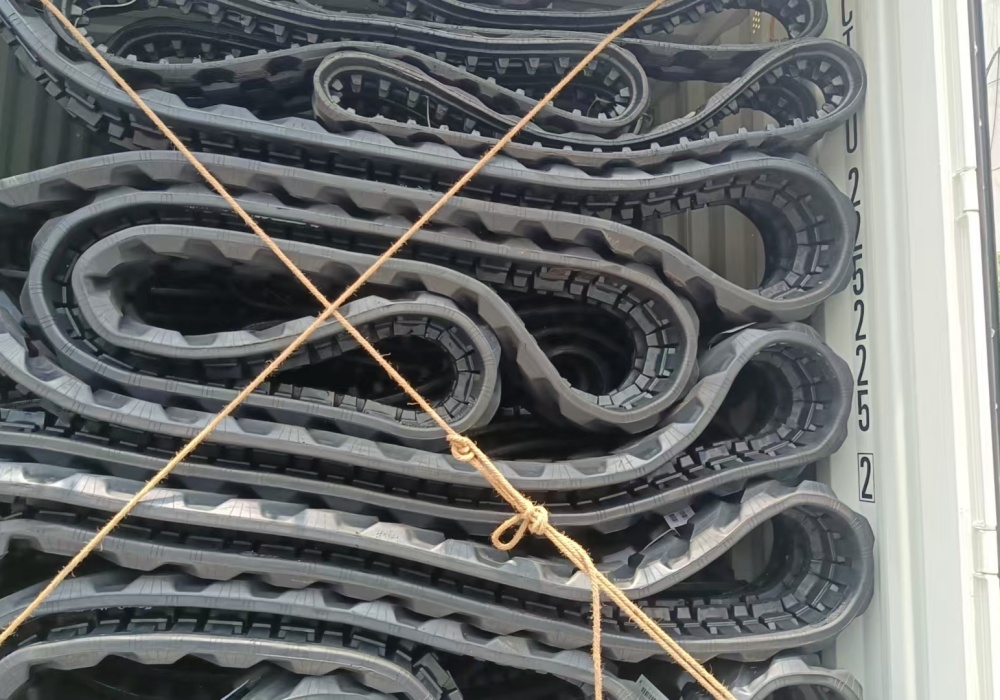
Evaluating wholesale excavator tracks requires a rigorous analysis of technical specifications and an understanding of how component architecture aligns with target applications. Procurement teams must look beyond the initial purchase price to evaluate how dimensional accuracy, material composition, and tread patterns will perform in the field.
B2B buyers must prioritize structural integrity to ensure seamless integration with existing undercarriage systems, preventing the cascading mechanical failures that often accompany mismatched or out-of-spec aftermarket parts.
Technical specifications and wear indicators
Accurate procurement relies on precise measurements of track pitch, link count, and track width. Premium manufacturers maintain strict manufacturing tolerances, typically holding pitch deviations to within +/- 2.0 millimeters. This precision is mandatory to prevent sprocket misalignment, which otherwise leads to aggressive wear patterns and vibration during travel.
Visual and structural wear indicators, such as tread depth and pin-to-bushing clearance, provide critical data for lifecycle tracking. Comparing these specifications upfront allows buyers to establish accurate maintenance intervals and replacement schedules.
| Specification Feature | Premium Rubber Tracks | Premium Steel Tracks |
|---|---|---|
| Typical Lifespan | 1,500 – 2,500 hours | 3,000 – 5,000+ hours |
| Ground Pressure | 4.0 – 6.0 PSI | 7.0 – 10.0 PSI |
| Primary Material | 70% Natural Rubber / Steel Cords | Forged Steel (40-45 HRC) |
| Optimal Environment | Urban, Turf, Asphalt | Mining, Demolition, Abrasive Rock |
Trade-offs between rubber and steel tracks
The decision between rubber and steel tracks hinges on a calculated trade-off between traction, surface disruption, and durability. Rubber tracks distribute machine weight over a larger footprint, reducing ground pressure to approximately 4.0 to 6.0 PSI. This low ground pressure is essential for preserving asphalt, turf, and sensitive urban infrastructure, making rubber the default choice for utility and landscaping contractors.
However, rubber compounds are susceptible to lacerations from sharp debris like rebar or jagged rock. Steel tracks provide unmatched traction and structural integrity for severe-duty environments, easily crushing debris without sustaining structural damage. The trade-off comes in the form of increased machine weight, higher fuel consumption, and severe damage to finished surfaces, restricting steel-tracked excavators to raw earthmoving, quarrying, and demolition sites.
Procurement, quality control, and logistics for secure supply
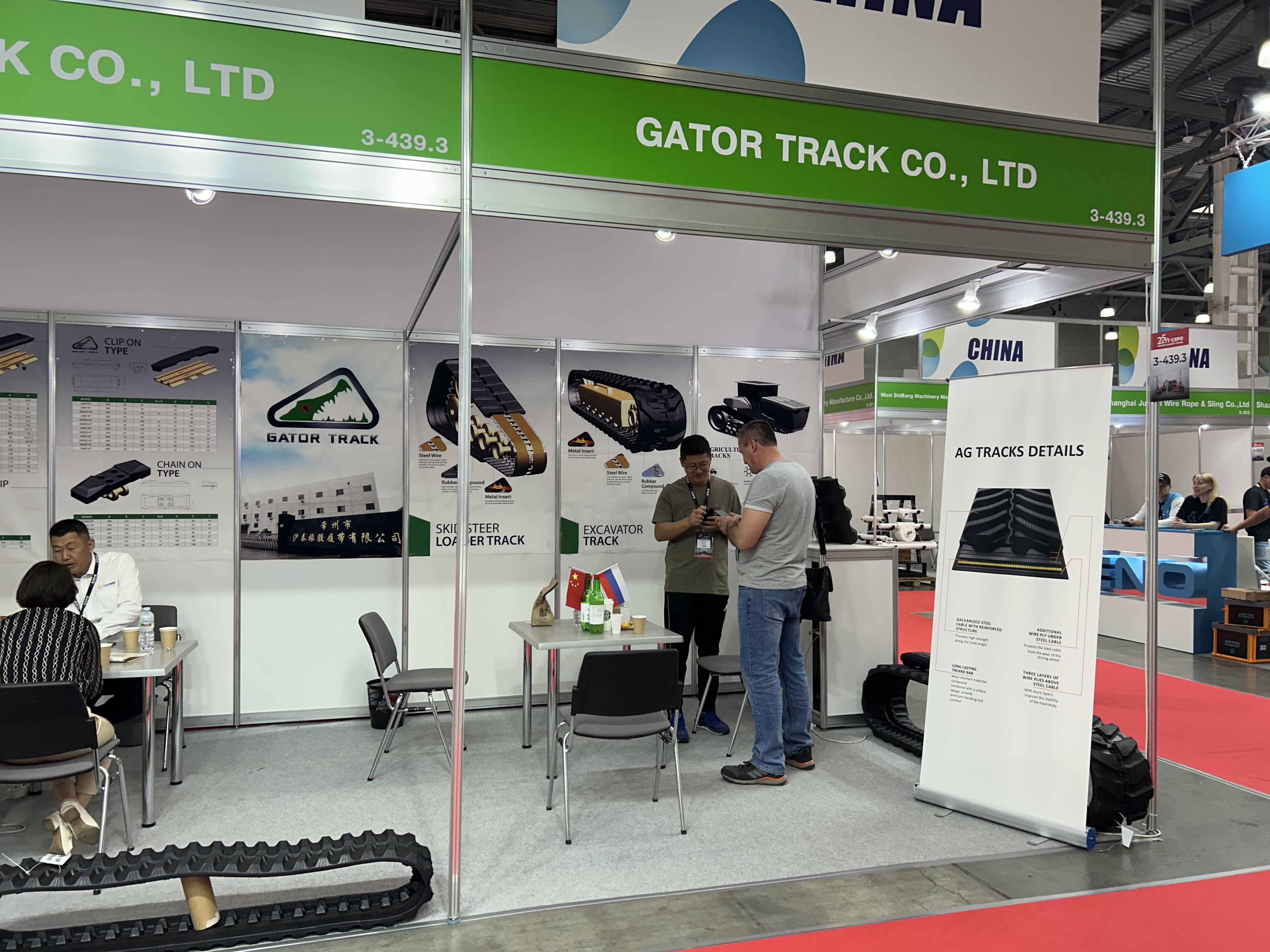
Establishing a resilient supply chain for heavy equipment undercarriage parts requires comprehensive supplier auditing and precise logistical planning. B2B buyers must navigate global manufacturing landscapes to secure favorable wholesale terms without compromising on metallurgical or compound quality.
A secure supply pipeline mitigates the risk of catastrophic fleet downtime, ensuring that replacement tracks are available exactly when maintenance schedules demand them.
Assessing supplier capability and factory quality systems
Rigorous supplier vetting is non-negotiable in the heavy equipment sector. Procurement teams should mandate ISO 9001:2015 certifications and request detailed documentation on factory quality systems. This includes ultrasonic testing protocols for steel castings and tensile strength reports for vulcanized rubber compounds. Top-tier wholesale partners consistently maintain manufacturing defect rates well below 0.5%.
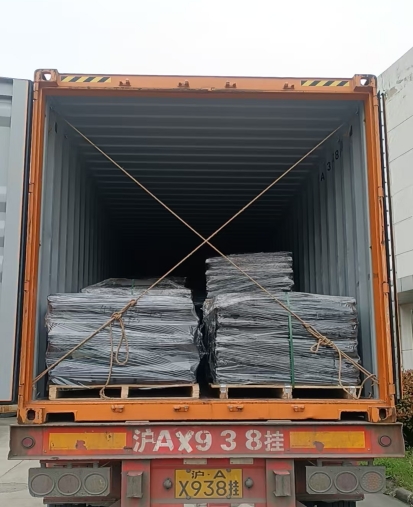
Furthermore, buyers must evaluate production capacity and Minimum Order Quantities (MOQs). A standard wholesale MOQ in the undercarriage industry often starts at a single 20-foot container, which accommodates approximately 10 to 15 metric tons of track assemblies. Buyers must align their purchasing schedules with factory production lead times, which typically range from 30 to 45 days, exclusive of ocean freight transit.
A final decision framework for procurement teams
A robust procurement framework balances upfront acquisition costs with comprehensive warranty coverage and logistical efficiency. Calculating the true landed cost requires factoring in customs duties, inland freight, and inventory holding costs alongside the raw ex-works price.
Buyers should prioritize suppliers offering a minimum 18-month or 1,500-hour warranty on premium tracks, which serves as a reliable proxy for manufacturing confidence.
Key Takeaways
- The most important conclusions and rationale for xcavator Tracks
- Specs, compliance, and risk checks worth validating before you commit
- Practical next steps and caveats readers can apply immediately
Frequently Asked Questions
How do I choose between rubber and steel excavator tracks?
Use rubber for asphalt, turf, and urban jobs where surface protection matters. Choose steel for demolition, mining, or sharp, abrasive ground where maximum durability is the priority.
What specifications should B2B buyers confirm before ordering excavator rubber tracks?
Verify track width, pitch, and link count, then match them to your machine model. Also confirm operating terrain and tread or pad style to avoid fitment issues and premature wear.
What excavator track pad options does Gator Track offer?
Gator Track supplies bolt-on, clip-on, and chain-on rubber pads, plus variants like RP, HXP, and DRP. These options help match traction, surface protection, and machine compatibility.
How long should premium excavator tracks typically last?
Premium rubber tracks often last about 1,500 to 2,500 hours in normal conditions. Premium steel tracks commonly reach 3,000 to 5,000+ hours, depending on terrain, tension, and operator habits.
Why is correct track tension so important?
Loose tracks can derail, while over-tight tracks increase friction and accelerate wear on idlers, rollers, and sprockets. Check and adjust tension regularly to reduce downtime and undercarriage cost.
Post time: May-09-2026