Introduction
Choosing replacement tracks for skid steer loaders is not just a maintenance decision; it directly affects uptime, traction, ground pressure, and total operating cost across compact equipment fleets. For buyers sourcing heavy-duty rubber tracks at wholesale volume, the key questions are durability, fit across multiple machine brands, and the financial advantage of bulk procurement versus reactive replacement. This article explains how wholesale skid steer loader tracks support better inventory planning, reduce downtime risk, and help standardize undercarriage parts for contractors, dealers, and distributors managing demanding jobsite conditions.
Why Wholesale Skid Steer Loader Tracks Are a Strategic Procurement
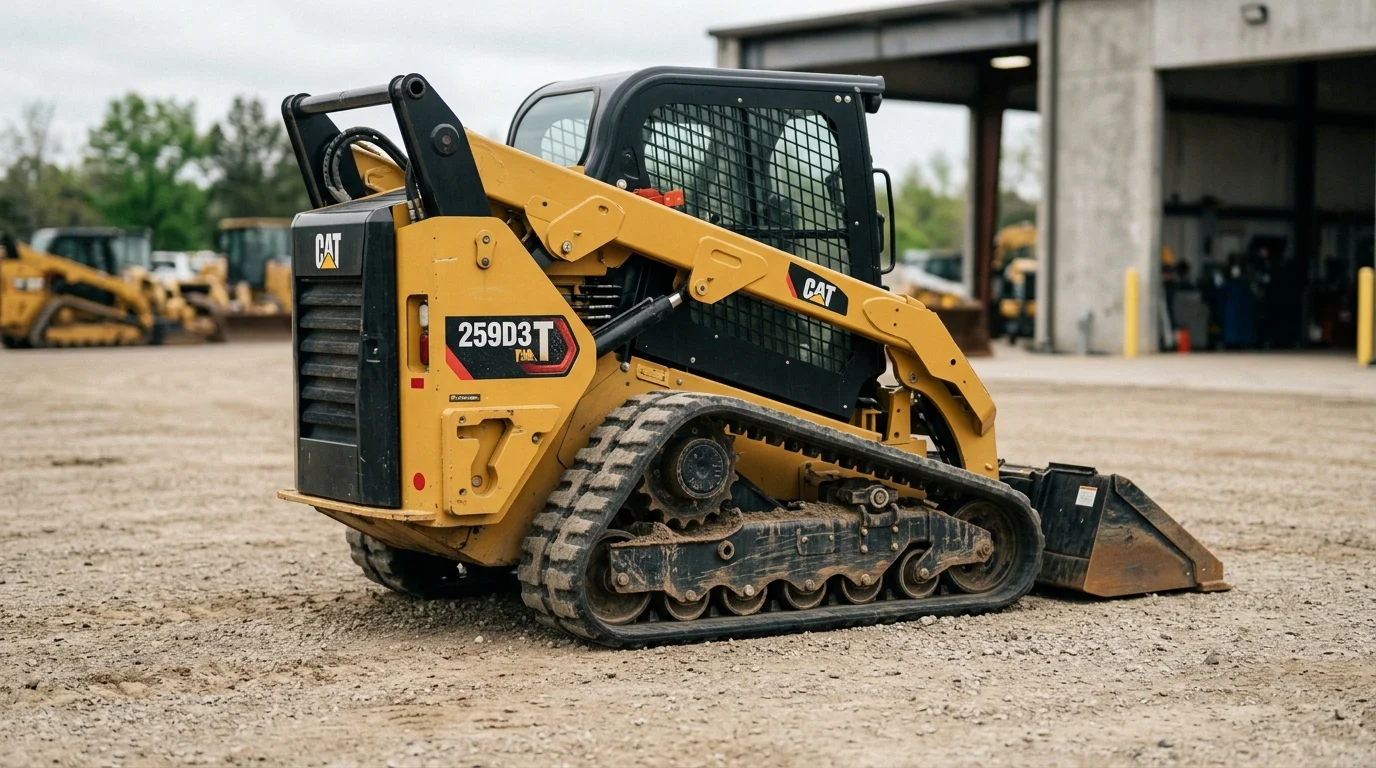
For fleet managers, equipment dealers, and heavy machinery distributors, securing a reliable supply of wholesale skid steer loader tracks is a critical supply chain mandate. Compact track loaders and multi-terrain loaders rely entirely on the integrity of their rubber tracks to deliver the low ground pressure, traction, and stability required on diverse job sites.
Procuring these heavy-duty rubber replacements in bulk shifts the financial model from reactive maintenance to strategic asset management. By engaging directly with wholesale manufacturers, large-scale buyers can insulate their operations against supply chain volatility while standardizing the wear parts across multi-brand equipment fleets.
Impact on uptime and operating costs
The financial implications of track failure extend far beyond the unit cost of the replacement part. Unplanned downtime for a compact track loader can incur opportunity costs exceeding $800 per day in lost productivity, alongside emergency shipping fees for expedited parts. Rubber tracks typically account for 20% to 30% of a compact track loader’s total lifetime undercarriage maintenance costs.
By leveraging wholesale procurement, fleet buyers can achieve volume discounts ranging from 15% to 25% off standard retail pricing. Furthermore, maintaining a localized inventory of replacement tracks ensures that equipment returns to service within hours rather than days, drastically improving overall fleet utilization rates and lowering the total cost of ownership per machine hour.
High-demand applications for replacement tracks
Certain operational environments accelerate track degradation, necessitating a more aggressive replacement schedule and justifying bulk inventory. Standard dirt and loam applications typically allow premium rubber tracks to achieve a lifespan of 1,200 to 1,500 operating hours. However, high-demand sectors drastically reduce this window.
In demolition, asphalt milling, and scrap yard operations, continuous exposure to jagged debris and high-friction surfaces can reduce track viability to between 400 and 600 hours. Forestry and land-clearing applications similarly demand heavy-duty tracks with specialized puncture-resistant compounds to withstand sharp stumps and rocks. Buyers servicing these severe-duty sectors must maintain higher par levels of replacement tracks to support continuous operations without facing frequent stockouts.
Technical and Commercial Factors to Compare
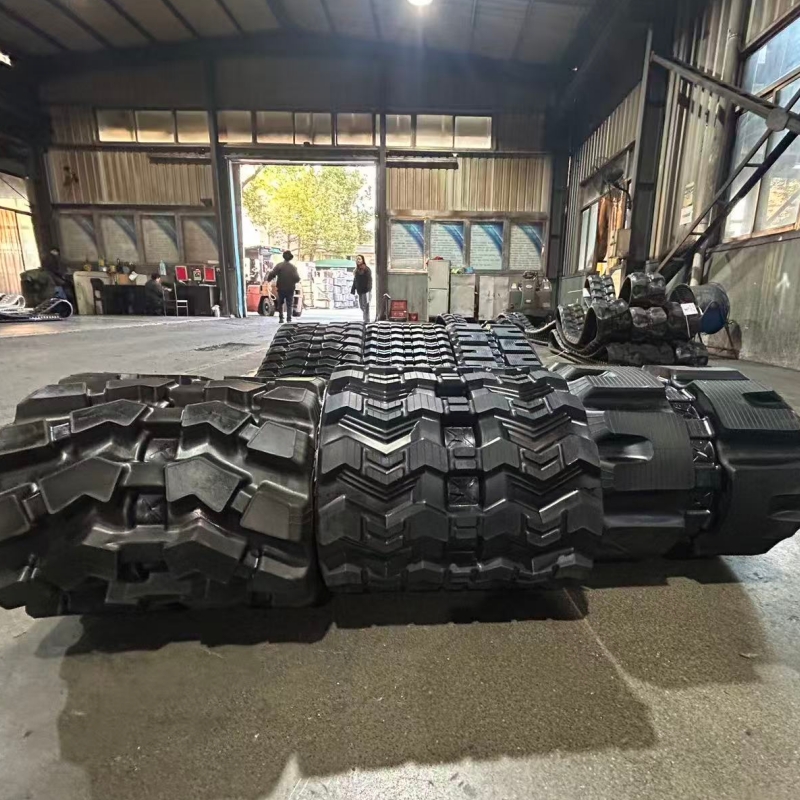
Evaluating skid steer loader tracks requires a rigorous analysis of both material engineering and commercial viability. Not all rubber tracks are manufactured to the same standard, and structural failures—such as snapped cables or de-tracking—can negate any upfront cost savings achieved through bulk purchasing.
Specifications, construction, and wear indicators
Modern heavy-duty rubber tracks rely on a complex internal architecture. The core strength is dictated by continuous steel cord technology, which eliminates overlapping joints that historically served as structural failure points. Premium tracks utilize drop-forged steel embeds and high-tensile continuous cables capable of withstanding tensile loads exceeding 150 kN.
Surface tread patterns also dictate performance and wear rates. The table below outlines standard configurations used by procurement teams to match tracks to specific applications:
| Tread Pattern | Primary Application | Ground Pressure Impact | Average Lifespan (Standard Use) |
|---|---|---|---|
| C-Lug | General dirt, mud, and clay | Moderate | 1,000 – 1,200 hours |
| Block Pattern | Paved surfaces, concrete, turf | Low | 800 – 1,000 hours |
| Zig-Zag | Snow, ice, and slippery slopes | High | 900 – 1,100 hours |
| Multi-Bar | Aggressive off-road, forestry | High | 1,200 – 1,500 hours |
Furthermore, advanced formulations incorporate specialized synthetic rubber compounds designed to resist UV degradation, chunking, and edge cutting. Buyers should also verify the presence of integrated wear indicators, which allow maintenance teams to objectively measure tread depth and schedule replacements before catastrophic failure occurs in the field.
OEM vs aftermarket track options
The debate between Original Equipment Manufacturer (OEM) and aftermarket rubber tracks centers on balancing acquisition costs with lifecycle reliability. OEM tracks guarantee exact fitment and are engineered to the loader manufacturer’s precise specifications, but they carry a significant brand premium.
Conversely, the premium aftermarket sector has matured, offering tracks manufactured in the same facilities as their branded counterparts. High-tier aftermarket options can provide upfront cost savings of 30% to 40% while maintaining equivalent structural integrity. When evaluating aftermarket suppliers, buyers should demand warranty parity; reputable wholesale manufacturers typically offer pro-rated warranties covering 1,000 to 2,000 hours or 12 to 18 months against manufacturing defects.
How Distributors, Dealers, and Fleet Buyers Should Source and Select
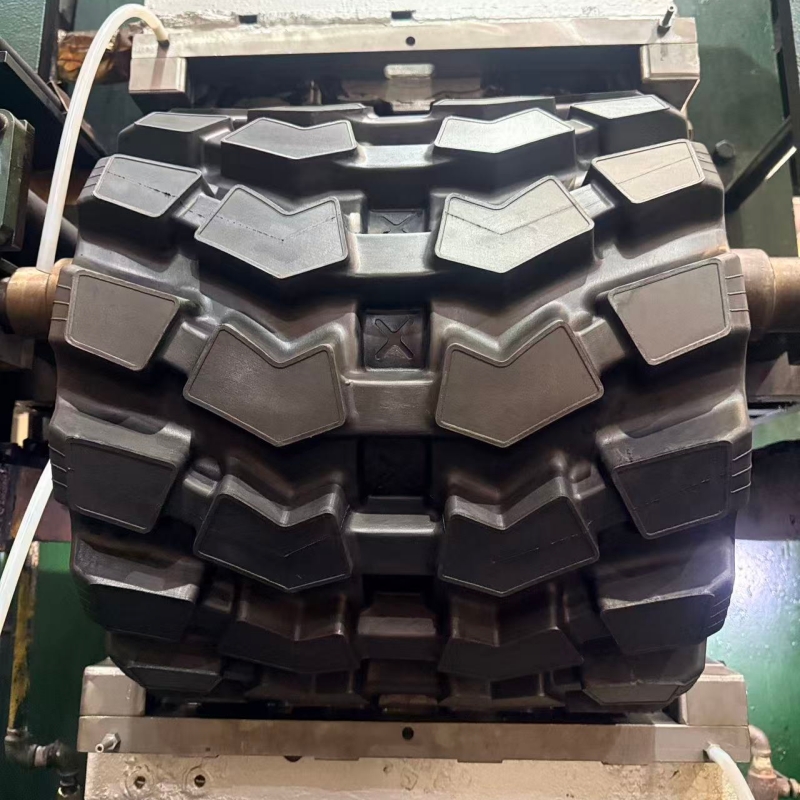
Executing a successful wholesale procurement strategy requires rigorous supplier vetting and sophisticated inventory management. For distributors and large fleet operators, transitioning from transactional purchasing to strategic sourcing demands a clear framework for evaluating factory capabilities and logistics networks.
Supplier qualification, compliance, and logistics checks
Supplier qualification must extend beyond initial pricing negotiations. Procurement teams should mandate ISO 9001 certification for quality management and request independent metallurgical testing reports for the internal steel cords and embeds. Compliance with international manufacturing standards ensures batch-to-batch consistency, which is critical when purchasing by the container load.
Logistical modeling is equally important. Wholesale rubber tracks are heavy, volumetric cargo. A standard 20-foot shipping container typically holds 50 to 70 tracks, depending on the width and pitch specifications. Buyers must account for global shipping lead times, which currently average 45 to 60 days from major Asian manufacturing hubs to North American or European ports. Factoring in customs clearance, drayage, and warehouse offloading is essential to calculate the true landed cost per unit.
Selection and replenishment criteria
Effective replenishment relies on accurate consumption forecasting. Distributors must analyze historical sales data to determine the optimal mix of track sizes and tread patterns. For example, maintaining an inventory ratio where 60% consists of high-turnover C-Lug patterns, while 40% covers specialty block and multi-bar designs, prevents working capital from being tied up in slow-moving stock.
Fleet buyers should implement a safety stock model based on machine utilization rates to ensure continuous operation and minimize costly downtime.
Key Takeaways
- The most important conclusions and rationale for Skid Steer Rubber Tracks
- Specs, compliance, and risk checks worth validating before you commit
- Practical next steps and caveats readers can apply immediately
Frequently Asked Questions
Why buy skid steer loader tracks wholesale?
Wholesale purchasing lowers per-track cost, reduces emergency shipping, and keeps spare inventory ready so loaders return to work faster.
How do I choose the right tread pattern for my skid steer?
Use C-lug for dirt and mud, block for pavement or turf, zig-zag for snow, and multi-bar for aggressive off-road or forestry work.
How long do skid steer rubber tracks usually last?
In standard use, premium tracks often last about 1,200 to 1,500 hours. Demolition, milling, and scrap applications can cut life to roughly 400 to 600 hours.
What should buyers check before ordering replacement tracks from Gator Track?
Confirm machine model, track size, tread pattern, operating surface, and duty level. Gator Track supplies multiple fitment sizes for skid steer applications.
Are aftermarket skid steer tracks a reliable alternative to OEM?
Yes, if they use continuous steel cords, strong steel embeds, and quality rubber compounds. A well-made aftermarket track can deliver dependable fit and service life.

Post time: May-12-2026