
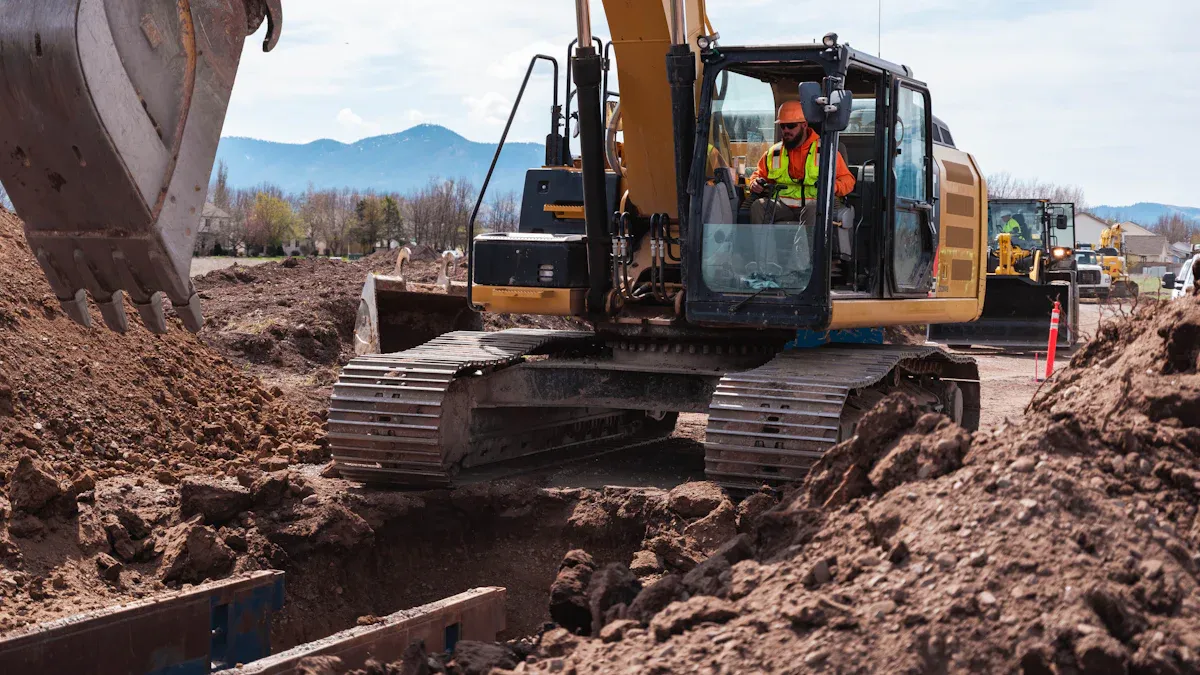
I find that excavator clip-on rubber pads are essential for protecting sensitive surfaces, especially asphalt, during construction projects. Their unique design and functionality make them perfect for urban environments, where maintaining surface integrity is crucial. These excavator clip-on rubber pads help reduce damage and ensure smoother operations on delicate terrains.
Key Takeaways
- Excavator clip-on rubber pads protect sensitive surfaces like asphalt and concrete, preventing damage and ensuring smoother operations.
- These pads are versatile and can be used in various environments, including landscaping and utility projects, making them a valuable asset.
- Using clip-on rubber pads can lead to cost savings by reducing repair expenses and minimizing equipment wear, ultimately benefiting project budgets.
Benefits of Excavator Clip-On Rubber Pads
Surface Protection
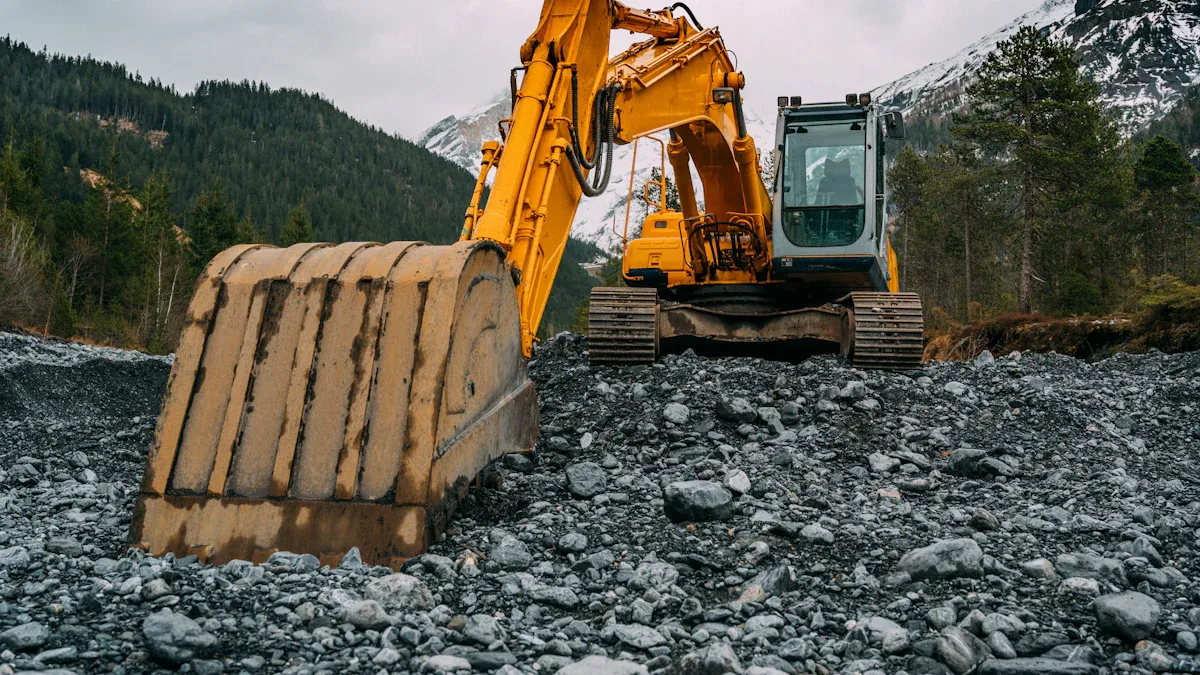
I have seen firsthand how excavator clip-on rubber pads excel in protecting sensitive surfaces like asphalt and concrete. Their tread design offers optimal traction, preventing slippage on wet or uneven terrains. This feature is crucial, especially in urban environments where maintaining surface integrity is paramount. The pads grip surfaces firmly without causing damage, striking a perfect balance between performance and protection.
- Rubber pads are specifically engineered to safeguard delicate surfaces.
- They possess non-marking properties, ensuring no residue is left behind.
- Their quieter operation makes them ideal for residential areas, further minimizing potential surface damage.
In my experience, using these pads significantly reduces scarring and indentations on sensitive surfaces. They absorb impacts effectively, which lowers vibrations and shock loads that could otherwise harm the ground. The flexible nature of rubber allows for even weight distribution, reducing ground pressure compared to rigid steel tracks.
Versatility
Excavator clip-on rubber pads are not just limited to urban construction; they shine in various environments. I have utilized them in landscaping and golf course maintenance, where protecting delicate grounds is essential. These pads provide a smooth, durable surface that withstands heavy foot traffic and harsh weather conditions.
Additionally, they play a vital role in utility infrastructure projects. During excavation, they protect essential urban infrastructure, including gas lines, water pipes, and electrical cables. Their versatility makes them an invaluable asset across multiple applications.
Cost-Effectiveness
Switching to clip-on rubber track pads can lead to significant cost savings. I recall a conversation with Ron Johnson, owner of Riverbend Equipment, who shared his experience with polyurethane CUSHOTRAC® ReDDi™ pads. He noted that these pads had minimal wear after extensive use, while traditional rubber pads showed signs of peeling. This durability translates to reduced maintenance costs and less unexpected downtime in the field.
- Clip-on rubber pads are designed for quick installation and removal, adding to their versatility.
- While they may have a shorter lifespan compared to traditional pads, their ease of use and protective qualities often outweigh this drawback.
- Investing in these pads can ultimately save money by preventing costly damage to sensitive surfaces.
Comparison with Traditional Pads
Weight and Pressure Distribution
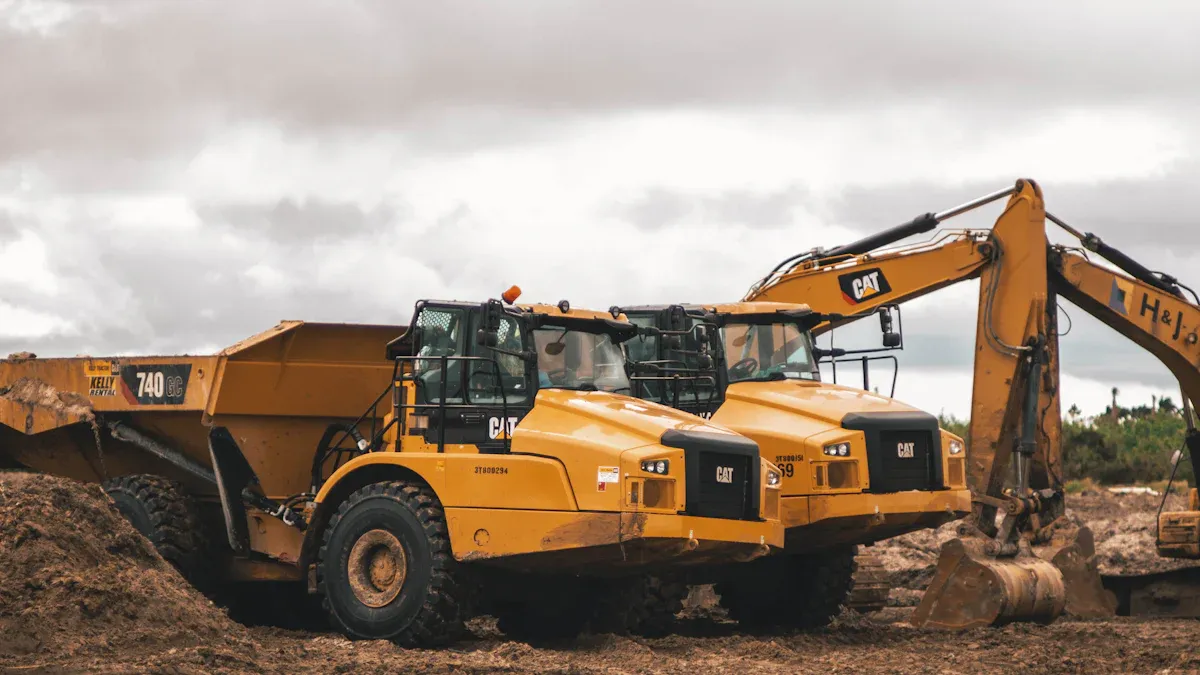
When I compare clip-on rubber track pads to traditional steel tracks, the differences in weight and pressure distribution become clear. The clip-on rubber pads distribute weight more evenly across the surface. This characteristic significantly reduces the risk of damage to sensitive surfaces. I have observed that when using these pads, the impact on the ground is less concentrated, which minimizes degradation.
To illustrate this point, I created a table that highlights the differences in pressure distribution:
| Type of Pad | Pressure Distribution | Surface Impact |
|---|---|---|
| Clip-on Rubber Pads | More even | Less damaging, minimizes risk |
| Traditional Steel Tracks | Concentrated | Higher risk of degradation |
This table shows how the design of excavator clip-on rubber pads allows for a gentler touch on delicate surfaces. I have seen firsthand how this feature can prevent costly repairs and prolong the lifespan of urban infrastructure.
Noise and Vibration Reduction
Another significant advantage of excavator clip-on rubber pads is their ability to reduce noise and vibrations. In my experience, these pads can lower noise levels by 15-20% compared to traditional steel tracks. This reduction is crucial in urban settings where noise pollution can disrupt residents and businesses.
- The quieter operation of rubber pads makes them ideal for projects in populated areas.
- Reduced vibrations lead to less wear and tear on both the equipment and the surfaces being worked on.
I have worked on several projects where noise reduction was a priority. The use of excavator clip-on rubber pads not only satisfied regulatory requirements but also improved relationships with local communities. The feedback I received from residents was overwhelmingly positive, as they appreciated the quieter construction process.
Case Studies of Urban Projects
Successful Urban Projects
I have witnessed several successful urban projects where clip-on excavator rubber pads made a significant difference. One notable example involved a city park renovation. The project required heavy machinery to navigate delicate landscaping and existing pathways. By using these pads, we minimized damage to the asphalt and surrounding greenery. The project not only met its deadlines but also received praise from the community for preserving the park’s aesthetics.
Another project involved utility upgrades in a busy downtown area. The use of excavator clip-on rubber pads allowed us to work efficiently while protecting vital infrastructure. The pads provided the necessary traction without compromising the integrity of the streets. This approach helped us complete the project ahead of schedule, demonstrating the effectiveness of these pads in urban settings.
Feedback from Construction Managers
Construction managers consistently provide positive feedback regarding the performance of excavator clip-on rubber pads. They highlight several key criteria that showcase the durability and efficiency of these pads:
| Criteria | Specification |
|---|---|
| Continuous operation testing | Minimum 500 hours under load |
| UV degradation resistance | Yes |
| Oil resistance | Yes |
| Temperature range | -30°C to +80°C |
| Recommended tensile strength | ≥15 MPa for 20-ton machines |
Managers also appreciate the ease of installation and removal of these pads. Clip-on rubber pads, or clamp-on pads, attach quickly over steel shoes using side brackets and clamps. This design eliminates the need to remove shoe bolts, making them more efficient than traditional bolt-on pads. This feature is particularly beneficial for contractors who frequently switch between pad types, especially in short-term projects where surface protection is essential.
I believe that clip-on rubber track pads offer significant advantages for urban construction. Their protective qualities, adaptability, and cost savings make them the best choice for sensitive surfaces.
- Cost Savings: Reduced repair costs lead to overall savings.
- Noise Reduction: Fewer noise complaints improve community relations.
- Enhanced Efficiency: Quick installation boosts project timelines.
These benefits position clip-on rubber pads as a sustainable option, minimizing environmental impact while ensuring effective operations.
FAQ
What are the main advantages of using clip-on rubber pads?
Clip-on rubber pads protect sensitive surfaces, reduce noise, and distribute weight evenly. I find these features crucial for urban construction projects.
How do I install clip-on rubber pads?
I install clip-on rubber pads by attaching them over steel shoes using side brackets and clamps. This process is quick and efficient.
Can I use these pads on all types of surfaces?
While I primarily use clip-on rubber pads on asphalt and concrete, they also work well on other delicate surfaces. Their versatility is impressive!
Post time: Mar-13-2026