
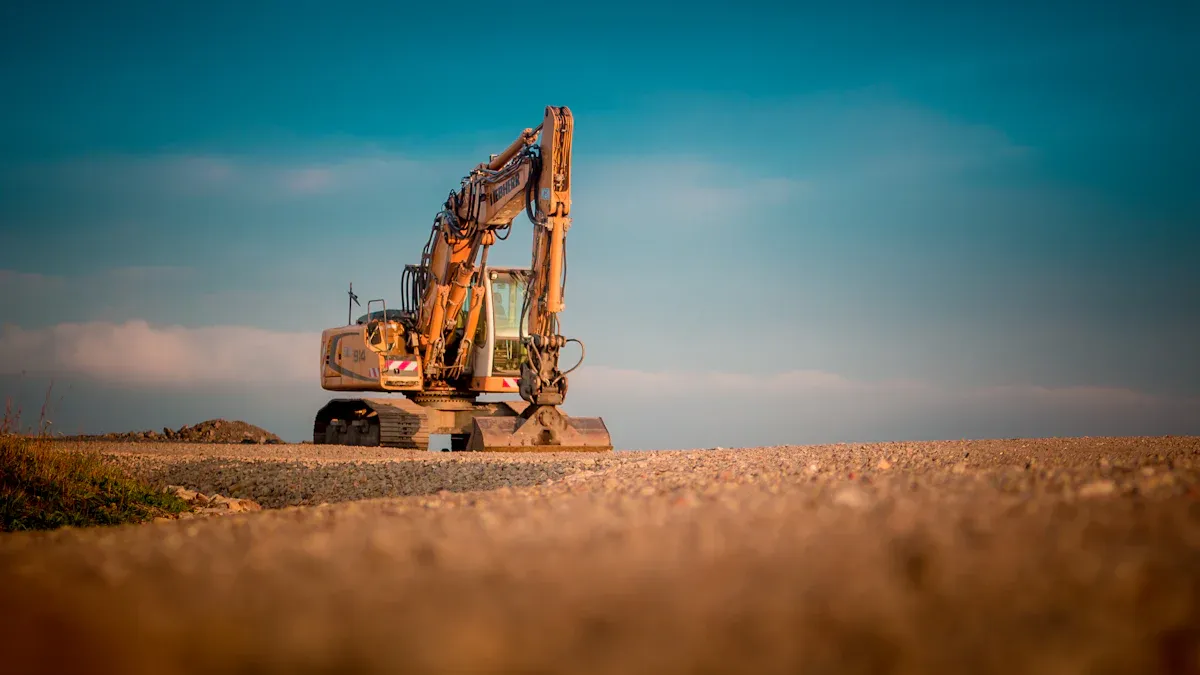
Investing in 700mm excavator rubber pads has proven to significantly lower jobsite expenses. I have found that these pads deliver long-term savings through reduced maintenance and repair costs. They also enhance operational efficiency and safeguard sensitive surfaces, making them an excellent choice for projects in 2026.
Key Takeaways
- Investing in 700mm excavator rubber pads reduces maintenance costs by protecting the undercarriage from wear and tear.
- These pads minimize surface damage, leading to fewer repairs and lower overall project expenses.
- Using rubber pads enhances operational efficiency by providing better traction, reducing noise, and improving comfort for operators.
Cost-Saving Benefits of 700mm Excavator Rubber Pads
Reduced Maintenance Costs
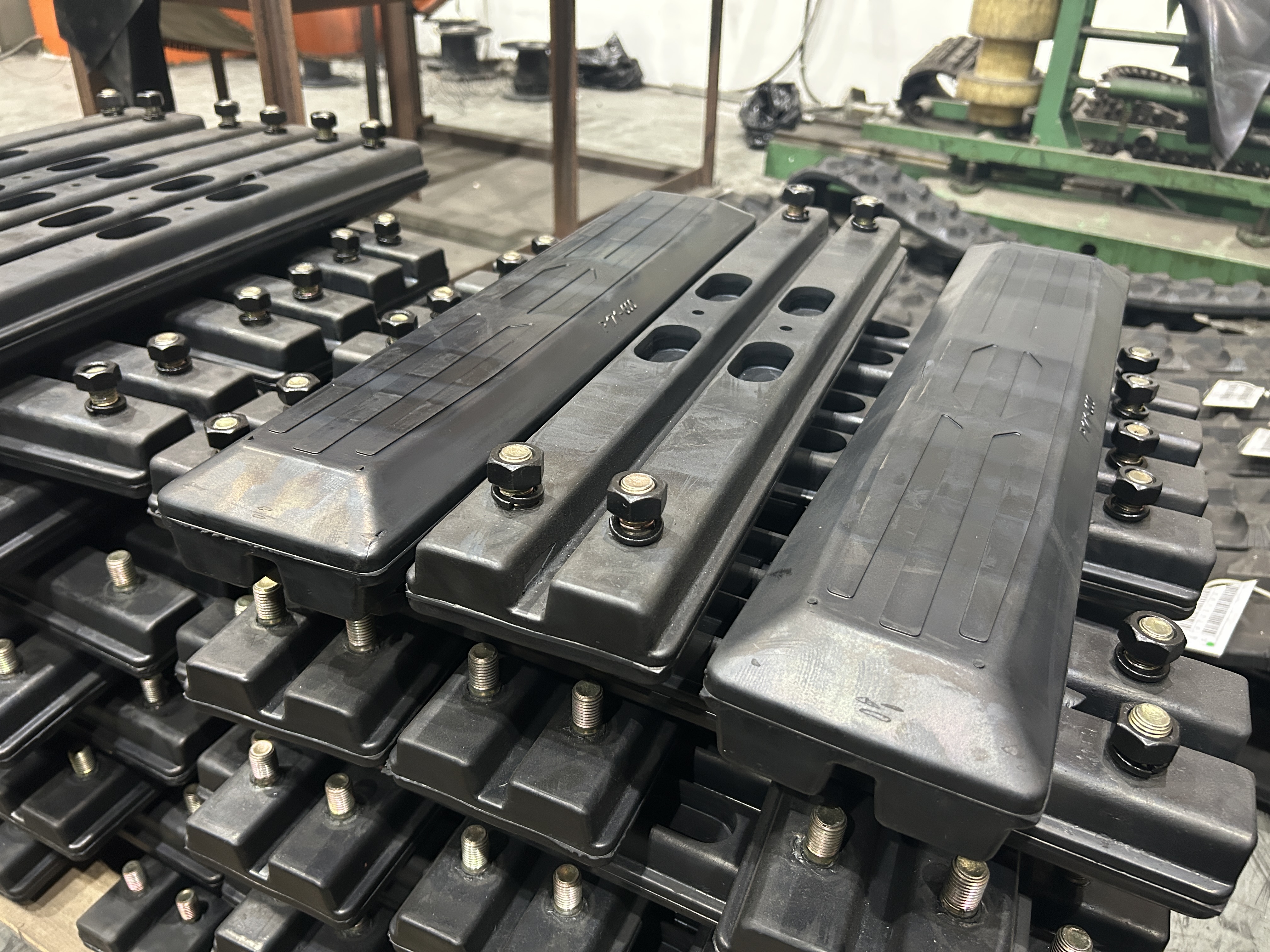
Investing in 700mm excavator rubber pads can lead to significant reductions in maintenance costs. These pads protect the undercarriage of the excavator, which often suffers from wear and tear due to harsh jobsite conditions. By minimizing this wear, I have noticed that operators spend less time and money on repairs.
Here are some key benefits that contribute to lower maintenance costs:
- Eliminate costly surface damage: The rubber pads prevent damage to hard surfaces like asphalt and concrete, which can be expensive to repair.
- Save labor and material costs: Using rubber pads removes the need for additional protective materials, such as rubber matting or plywood, which can add to project expenses.
- Reduce vibration: The pads help to minimize vibrations during operation, increasing the lifespan of the excavator’s undercarriage.
Lower Repair Expenses
Lower repair expenses are another compelling reason to choose 700mm excavator rubber pads. The durability of these pads means that they withstand the rigors of daily use, leading to fewer breakdowns and repairs.
Consider the following advantages:
- Increase profitability: By decreasing liabilities associated with surface damage and operational risks, I have seen projects become more profitable.
- Quieter, smoother ride: The pads enhance operator comfort and reduce noise levels, which can lead to fewer complaints and potential downtime.
- Better traction: Improved grip on hard surfaces reduces the risk of slipping, which can lead to accidents and costly repairs.
The table below summarizes the most significant cost-saving benefits reported by contractors using 700mm excavator rubber pads:
| Benefit | Description |
|---|---|
| Eliminate costly surface damage | Protects hard surfaces like asphalt and concrete from damage caused by steel tracks. |
| Save labor and material costs | Removes the need for additional protective materials like rubber matting or plywood. |
| Reduce vibration | Increases the lifespan of the undercarriage by minimizing vibrations during operation. |
| Increase profitability | Decreases liabilities associated with surface damage and operational risks. |
| Quieter, smoother ride | Enhances operator comfort and reduces noise levels during operation. |
| Better traction | Improves safety by providing better grip on hard surfaces, reducing the risk of slipping. |
In my experience, the investment in 700mm excavator rubber pads pays off quickly through these cost-saving benefits.
Improved Surface Protection with 700mm Excavator Rubber Pads
Minimizing Damage to Sensitive Areas
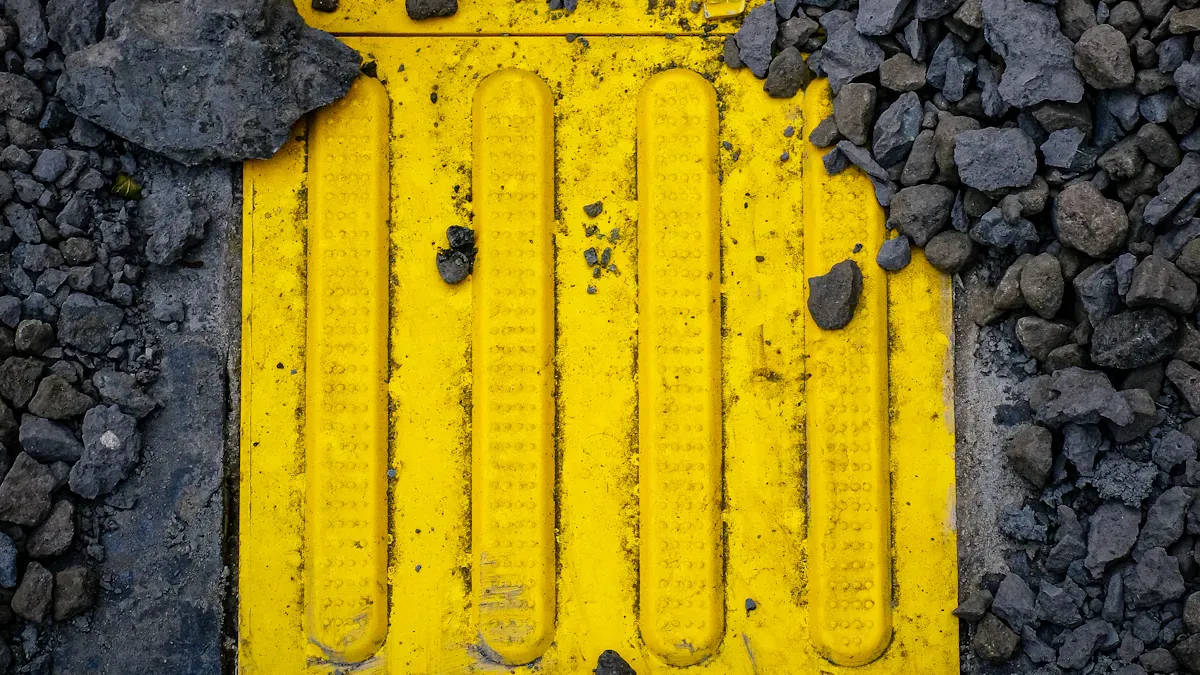
Using 700mm rubber pads has proven essential for minimizing damage to sensitive surfaces like asphalt and concrete. I have observed that these pads excel in urban environments, where maintaining surface integrity is crucial. Their unique design allows for optimal traction, which prevents slippage on wet or uneven terrains.
Here are some key benefits I have noted:
- Reduced Ground Pressure: The wider track system lowers ground pressure, significantly decreasing the chances of surface damage such as rutting or sinking.
- Impact Absorption: The rubber material absorbs impacts effectively, lowering vibrations and shock loads that could harm the ground.
- Even Weight Distribution: The flexible nature of rubber allows for even weight distribution, which is vital for protecting delicate surfaces.
In a recent city park renovation project, I witnessed firsthand how these pads minimized damage to asphalt and surrounding greenery, preserving the park’s aesthetics.
Extending the Life of Jobsite Surfaces
The use of 700mm excavator rubber pads also extends the life of jobsite surfaces. I have found that these pads significantly reduce the frequency of surface repairs required on construction sites. Their design minimizes soil compaction, which is crucial for maintaining the integrity of delicate surfaces.
By using these pads, I have seen fewer repairs needed, leading to cost savings and less downtime. This characteristic is particularly advantageous in sensitive environments, where surface damage can lead to increased repair frequency. Overall, investing in these rubber pads not only protects surfaces but also enhances the longevity of jobsite areas.
Enhanced Operational Efficiency with 700mm Excavator Rubber Pads
Noise Reduction Benefits
One of the most significant advantages I have experienced with 700mm excavator rubber pads is their ability to reduce noise levels on the job site. Unlike traditional steel tracks, which can be quite loud during operation, rubber pads provide a quieter working environment. This reduction in noise not only enhances operator comfort but also minimizes disturbances to nearby workers and residents.
I have found that quieter operations lead to improved focus and productivity. Here’s a comparison of noise levels between steel and rubber tracks:
| Type | Pros | Cons |
|---|---|---|
| Steel Tracks | Heavier, louder during operation | |
| Rubber Tracks | Quiet operation, lightweight | Can damage paved surfaces |
As shown in the table, rubber tracks offer a significant advantage in terms of noise reduction. This feature has proven invaluable in urban settings where noise regulations are strict. I have seen firsthand how using 700mm excavator pads allows for smoother operations without the constant clatter of steel tracks.
Versatility Across Jobsite Conditions
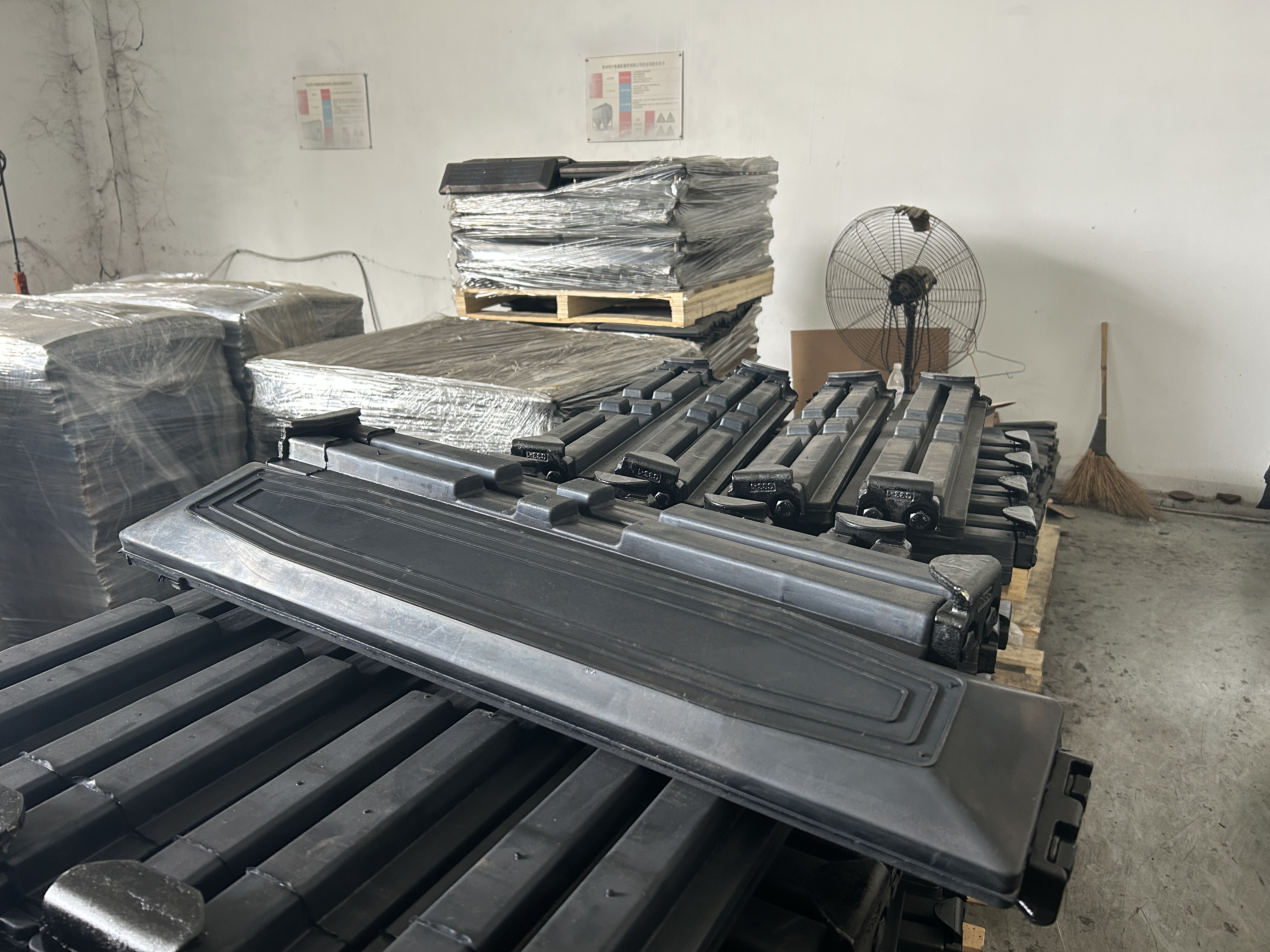
The versatility of 700mm excavator rubber pads is another reason I advocate for their use. These pads perform exceptionally well across various jobsite conditions, from muddy terrains to rocky landscapes. I have operated excavators equipped with rubber pads in diverse environments, and they consistently deliver reliable performance.
Here are some key benefits of their versatility:
- Adaptability: Rubber pads adjust well to uneven surfaces, providing better traction and stability. This adaptability reduces the risk of accidents and enhances safety.
- All-Weather Performance: I have noticed that rubber pads maintain grip in wet conditions, preventing slippage and ensuring smooth operation even during rain.
- Reduced Ground Damage: The softer material of rubber pads minimizes ground disturbance, making them ideal for sensitive areas like parks or residential neighborhoods.
In my experience, the ability of 700mm excavator rubber pads to perform well in various conditions has made them a go-to choice for many projects. Their adaptability not only enhances operational efficiency but also contributes to overall project success.
Comparison of 700mm Excavator Rubber Pads with Traditional Pads
Financial Implications of Rubber vs. Steel
When I compare rubber pads to traditional steel pads, the financial differences become clear quickly. Steel pads often cost less upfront, but they bring higher expenses over time. Steel tracks damage paved surfaces, leading to costly repairs and project delays. I have seen many projects where the repair bills for asphalt or concrete far exceeded the initial savings on steel pads.
Rubber pads, especially the 700mm excavator rubber pads, protect surfaces better. They reduce the need for additional protective measures like mats or plywood. This lowers overall project costs. Also, rubber pads reduce vibration and noise, which can decrease wear on the machine and improve operator comfort. These factors translate into fewer repairs and less downtime, saving money in the long run.
Note: While steel pads may seem cheaper at first, the hidden costs of surface damage and machine wear often make rubber pads the smarter financial choice.
Long-Term Value of Rubber Pads
I have found that investing in 700mm excavator rubber pads delivers excellent long-term value. Their durability and surface protection extend the life of both the equipment and the jobsite surfaces. Over time, this reduces replacement frequency and repair costs.
Rubber pads also improve operational efficiency by providing better traction and reducing noise. These benefits help projects stay on schedule and avoid costly interruptions. The initial investment pays off through lower maintenance, fewer repairs, and less surface damage.
In my experience, the long-term savings and operational advantages make rubber pads a wise investment. They offer a balance of protection, performance, and cost-effectiveness that traditional steel pads cannot match.
Investing in 700mm excavator rubber pads is a financially sound decision. I have seen how their cost savings, efficiency improvements, and surface protection make them invaluable. As equipment costs rise, the demand for sustainable solutions will increase. The market for rubber pads is projected to grow at a CAGR of 12.8% by 2026. This trend highlights the practicality of adopting these pads for budget-conscious projects.
FAQ
What are the main advantages of using 700mm excavator rubber pads?
I find that 700mm excavator rubber pads offer cost savings, improved surface protection, and enhanced operational efficiency, making them a smart investment.
How do rubber pads compare to steel pads in terms of durability?
In my experience, rubber pads last longer than steel pads. They withstand wear better and reduce damage to both the excavator and jobsite surfaces.
Can I use rubber pads on all types of terrain?
Yes, I have successfully used rubber pads on various terrains, including muddy and rocky surfaces. Their versatility ensures reliable performance in diverse conditions.
Post time: Mar-26-2026