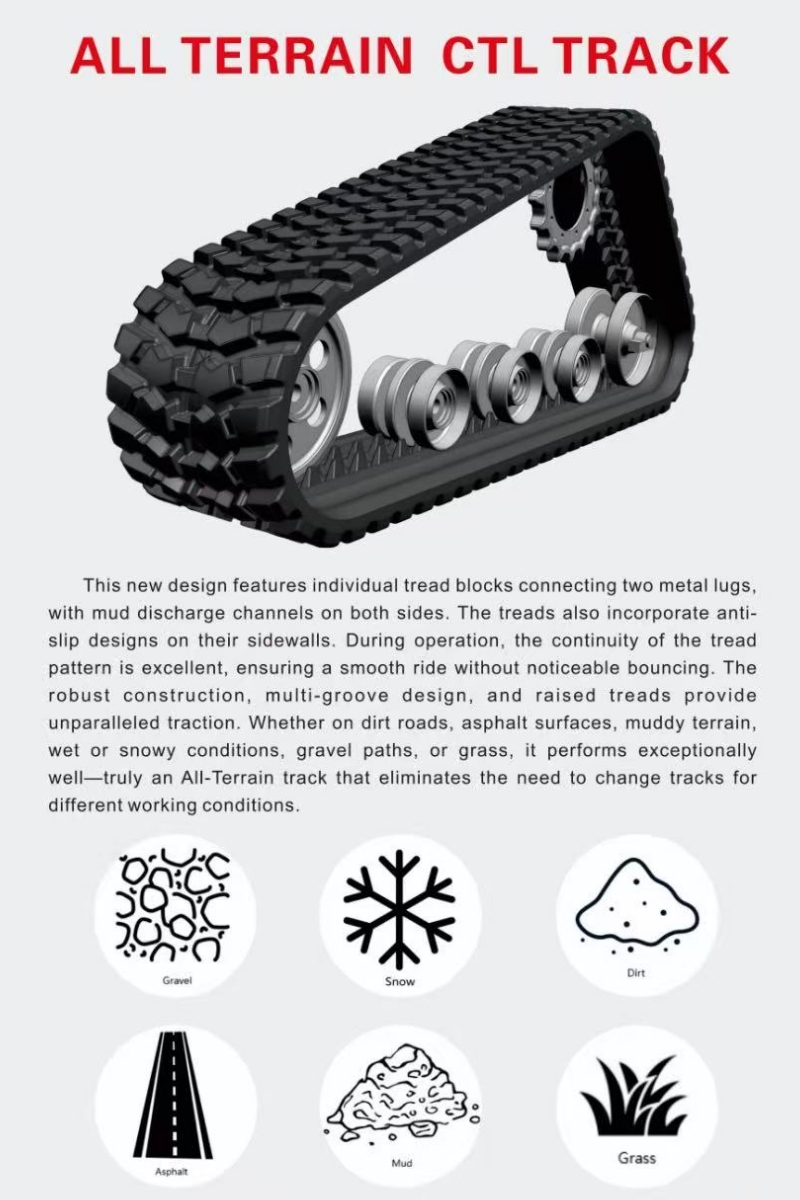
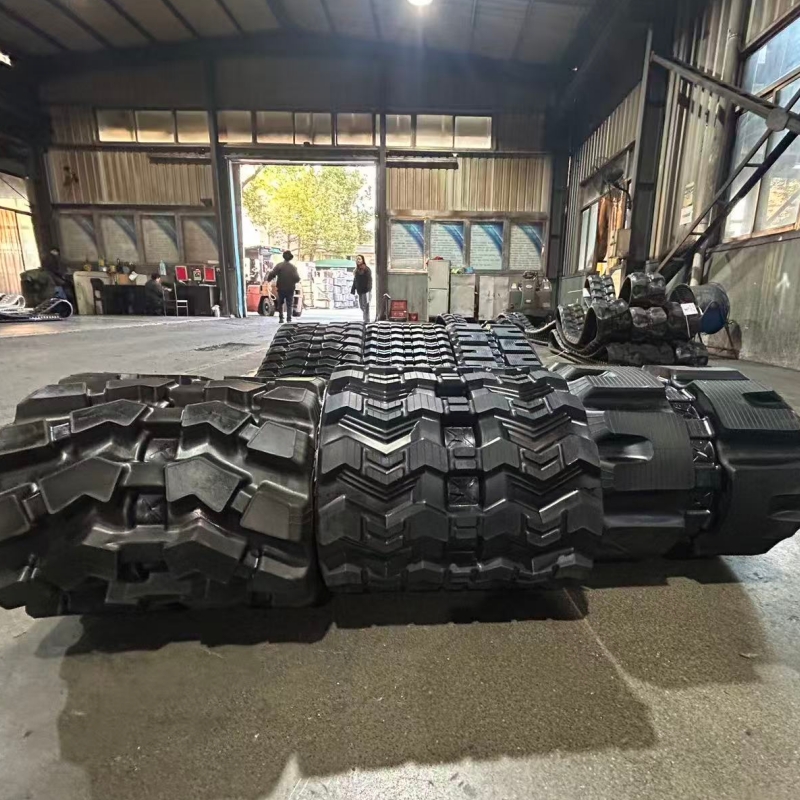
Skid steer loader tracks significantly enhance performance and stability, making them a true game changer. These tracks distribute the machine’s weight evenly, reducing ground pressure. This design prevents sinking in soft soils and increases traction in challenging terrains. I have found that using tracks allows for greater versatility in various applications, especially in muddy or uneven conditions.
Key Takeaways
- Skid steer loader tracks improve traction on muddy and uneven terrain, enhancing grip and reducing the risk of slipping.
- Tracks provide better stability by distributing weight evenly, which lowers ground pressure and increases operator comfort during long hours of work.
- Investing in tracks can lead to long-term savings on maintenance and repairs, making them a cost-effective choice for operators.
Benefits of Skid Steer Loader Tracks
Improved Traction
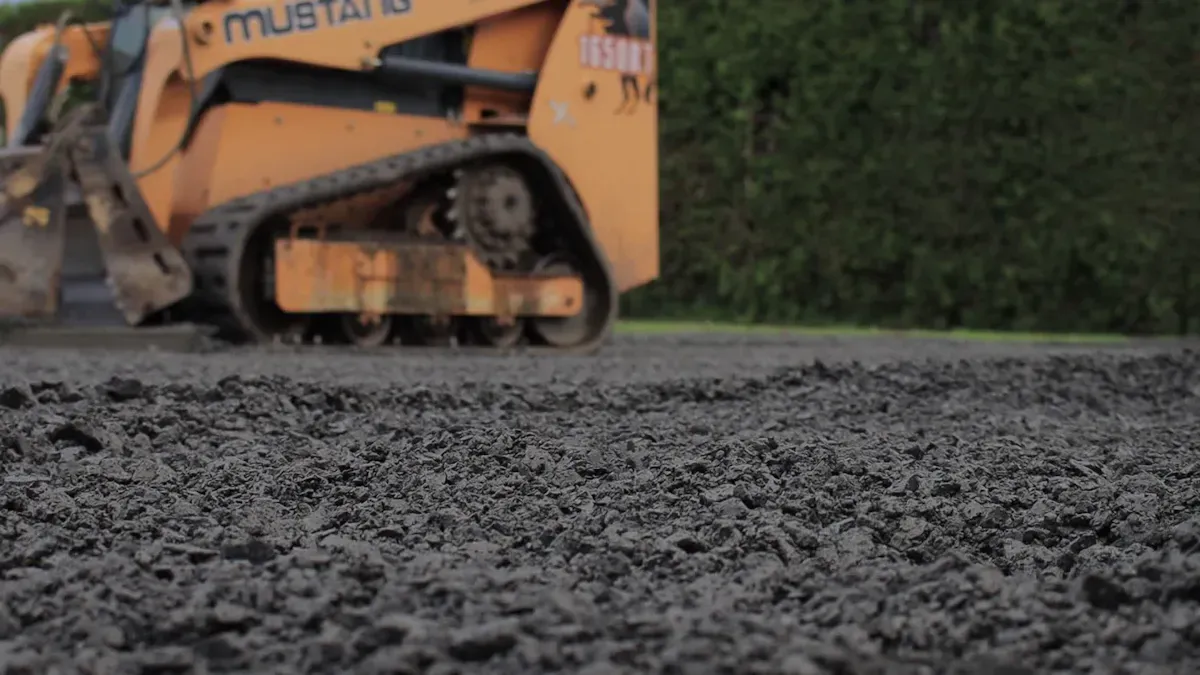
One of the most significant advantages of skid steer loader tracks is their ability to provide improved traction. I have experienced firsthand how rubber tracks excel in muddy or uneven terrain. The broader surface area of the tracks allows for better grip, which is crucial when working in challenging conditions. According to studies, tracks can enhance grip and stability, reducing the risk of slipping.
| Evidence Type | Description |
|---|---|
| Traction Improvement | Rubber tracks provide superior grip and stability on muddy or uneven terrain. |
| Tread Pattern Effectiveness | Lateral tread patterns can boost ice grip by up to 18% and reduce turf damage by up to 40%. |
In my work, I have noticed that operators report fewer breakdowns and less downtime during adverse weather conditions due to the reliability of tracks. This reliability translates into increased productivity on the job site.
Enhanced Stability
Stability is another critical benefit of skid steer rubber tracks. The design of these tracks increases the number of ground contact points, distributing the machine’s weight more evenly. This feature significantly lowers ground pressure, which I have found to be essential when navigating soft or uneven surfaces.
| Engineering Aspect | Explanation |
|---|---|
| Weight Distribution | Tracks distribute the machine’s weight over a larger surface area, reducing ground pressure. |
| Stability Enhancement | Even weight distribution and improved traction lead to better controllability and operator safety. |
When I operate a skid steer with tracks, I feel more secure, especially on slopes or in muddy conditions. The lower center of gravity and increased ground contact enhance stability, allowing for a smoother ride. This stability not only improves operator comfort but also reduces fatigue during long hours of operation.
Versatility in Diverse Terrains
Skid steer loader tracks offer remarkable versatility across various terrains. I have utilized these machines in construction, landscaping, and agricultural applications, and they perform exceptionally well in each scenario.
| Terrain Type | Track Characteristics |
|---|---|
| Soft soil | Wider footprint tracks prevent sinking by distributing weight evenly. |
| Rocky surfaces | Heavy-duty tracks resist wear from sharp rocks, ensuring durability. |
| Snow | All-season bar tracks provide excellent traction and minimal ground disturbance. |
| Hard or uneven surfaces | Zig-zag tracks offer superior grip and control for smooth operation. |
In construction, I have found that tracks excel in site preparation and excavation, particularly in confined areas. In landscaping, they transform labor-intensive tasks, making it easier to clear vegetation and level ground. The adaptability of skid steer loader tracks makes them an invaluable asset in any operator’s toolkit.
Skid Steer Loader Tracks vs. Wheels
Performance in Mud and Snow
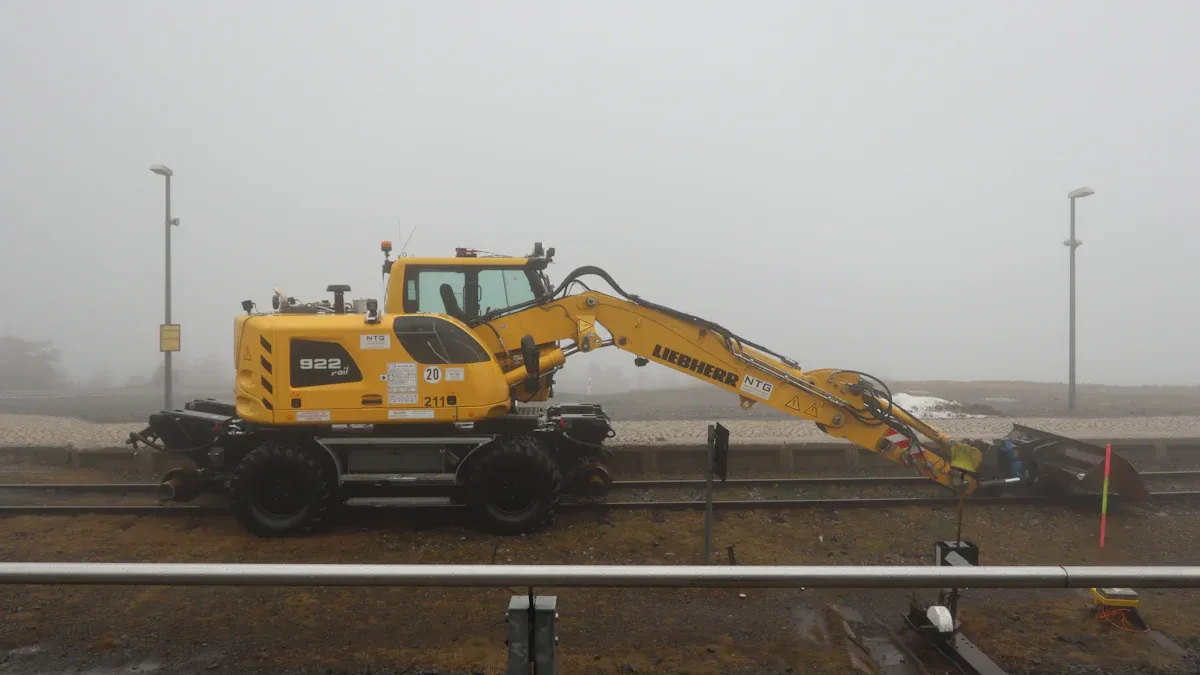
When it comes to performance in muddy or snowy conditions, I have found that skid steer loader tracks outperform wheels significantly. The broader surface area of tracks allows for better grip and stability, which is crucial when navigating slippery terrains. In my experience, tracked skid steers excel in wet, muddy, or loose soil, while wheeled skid steers often struggle.
Here’s a comparison of the two:
| Feature | Tracked Skid Steers | Wheeled Skid Steers |
|---|---|---|
| Performance in Muddy Conditions | Ideal for wet, muddy, or loose soil | Struggles in soft or muddy conditions |
| Stability on Slopes | More stable, reducing risk of tipping | Less stable, higher risk of tipping |
| Ground Pressure | Lower ground pressure, gentler on terrain | Higher ground pressure, can leave ruts |
| Travel Speed | Slower due to increased friction and weight | Faster on hard ground |
From my observations, the stability of tracked skid steers on slopes reduces the risk of tipping, which is a significant concern when operating in challenging environments. The lower ground pressure of tracks also means they are gentler on the terrain, minimizing damage and allowing for more efficient operation.
Weight Distribution
Weight distribution plays a crucial role in the overall performance of skid steer loaders. I have noticed that tracks provide a wider footprint, which enhances stability during heavy lifting operations. This stability is vital for maintaining balance, especially when working on uneven surfaces.
The benefits of improved weight distribution include:
- Stability: Tracks distribute weight evenly, reducing ground pressure and enhancing stability.
- Operator Comfort: A smoother ride results from even weight distribution, which minimizes fatigue during long hours of operation.
- Flotation: More ground contact allows the machine to operate effectively on soft terrains like mud and snow.
In my experience, better weight distribution increases traction, allowing for more effective ground adhesion. This stability supports downforce, improving operational precision in tasks like excavation and crushing. Overall, I believe that the advantages of skid steer loader tracks in terms of weight distribution make them a superior choice for various applications.
Cost-Effectiveness of Skid Steer Loader Tracks
Long-Term Savings on Maintenance
Investing in skid steer loader tracks can lead to significant long-term savings on maintenance. I have found that the maintenance intervals for tracked loaders differ from those for wheeled loaders. For instance, I regularly check track tension every 8-10 hours, while wheeled loaders require tire pressure checks. Here’s a quick comparison of maintenance tasks:
| Maintenance Interval | Task for Tracked Loaders | Task for Wheeled Loaders |
|---|---|---|
| Every 8-10 Hours | Check track tension | Check tire pressure |
| At 50 Hours | Adjust track tension | Inspect tires |
By focusing on these specific tasks, I can ensure that my tracked skid steers operate efficiently. The reduced frequency of repairs and breakdowns translates into lower overall maintenance costs.
Reduced Repair Costs
Using skid steer tracks also results in reduced repair costs. I have noticed that solid skid steer tires can last at least three times longer than pneumatic tires. This durability eliminates the need for frequent air pressure checks and repairs associated with flat tires. Regular flat tires can lead to significant downtime and replacement costs, which I can avoid by opting for solid tracks.
Additionally, the enhanced durability of tracks contributes to a longer lifespan for the equipment. This longevity spreads the initial investment across more projects, making it a financially smart choice. Overall, I believe that the cost-effectiveness of skid steer loader tracks makes them an essential upgrade for any operator looking to maximize efficiency and minimize expenses.
Skid steer loader tracks deliver superior traction, stability, and versatility. I have seen operators report that using over-the-tire tracks in winter enhances grip on snow and ice. Proper track selection is vital for maintaining efficiency and ensuring projects stay on schedule. Upgrading to tracks is essential for any operator seeking improved performance.
FAQ
What are the main advantages of using skid steer loader tracks?
Skid steer loader tracks provide improved traction, enhanced stability, and versatility across various terrains, making them ideal for challenging conditions.
How do tracks compare to wheels in snowy conditions?
I find that tracks outperform wheels in snow, offering better grip and stability, which reduces the risk of getting stuck.
Are CLT tracks cost-effective?
Yes, tracks lead to long-term savings on maintenance and repairs, making them a financially smart choice for operators.

Post time: Apr-02-2026