
Introduction
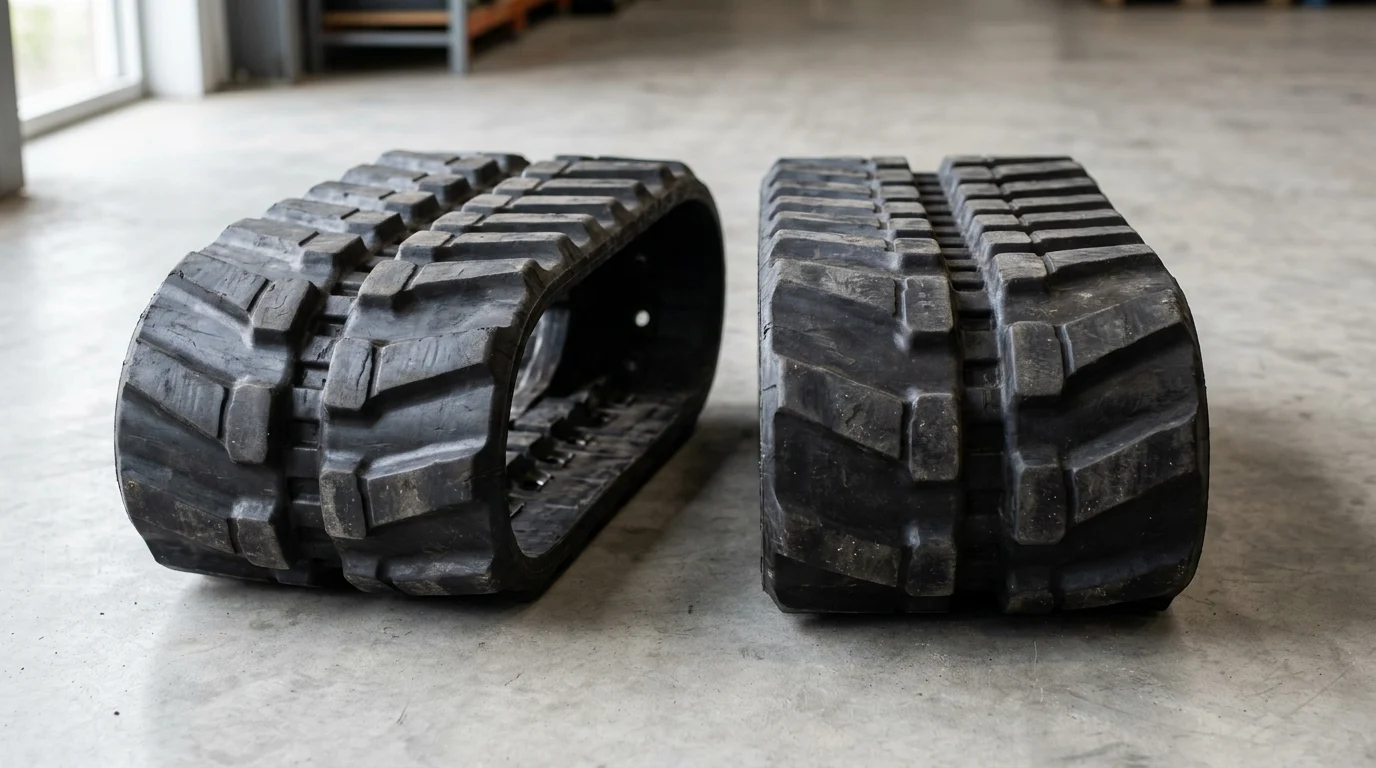
Across the USA and Canada, demand for 700mm excavator rubber pads is rising because they solve a practical problem: how to run steel-tracked excavators on pavement, turf, and other sensitive surfaces without sacrificing stability or machine performance. For fleet owners and contractors, this size offers a useful balance of ground protection, traction, and compatibility with common mid-size excavators, especially in urban, municipal, and residential work. This article explains why 700mm pads have become a preferred specification in North America, including the operational, regulatory, and cost factors that make them a smart choice for both daily use and long-term fleet planning.
Why 700mm Excavator Rubber Pads Are Preferred in North America
The adoption of 700mm excavator rubber pads has accelerated across North American heavy equipment fleets, driven by stringent municipal regulations regarding infrastructure damage and the operational demand for versatile machinery. Designed primarily for 12- to 15-ton class excavators, these pads provide a critical interface between heavy steel tracks and sensitive surfaces. Fleet managers in the USA and Canada increasingly specify the 700mm width to balance robust machine capability with minimal environmental and structural impact.
By retrofitting steel-tracked machines with high-grade rubber pads, operators avoid the substantial capital expenditure of maintaining dedicated rubber-tracked equipment while achieving the necessary compliance for urban and residential deployments.
Ground Protection and Machine Stability
The 700mm width—approximately 27.5 inches—delivers an optimized footprint that significantly enhances machine stability during lateral lifting and heavy excavation cycles. By distributing the excavator’s operating weight over a broader surface area, these pads effectively reduce ground bearing pressure to a range of 4.5 to 5.5 psi, depending on the specific machine class. This reduction is critical for preventing deep rutting on soft turf and avoiding subsurface compaction.
Furthermore, the rubber matrix absorbs high-frequency vibrations generated during transit, reducing operator fatigue and mitigating accelerated wear on the undercarriage components. The enhanced traction coefficient of the rubber compound also prevents dangerous track slippage on wet concrete or asphalt, ensuring stable operation during critical load-handling phases.
Best-Fit Jobsite Conditions in the USA and Canada
Jobsite conditions in the USA and Canada frequently dictate equipment specifications, particularly regarding pavement preservation and seasonal ground shifts. In urban infrastructure projects, municipal codes strictly prohibit bare steel tracks on finished asphalt or concrete. The 700mm rubber pads allow mid-sized excavators to traverse streets, cross curbs, and operate on sidewalks without inflicting gouges that would necessitate costly remediation.
Additionally, Canadian and northern US contractors face stringent seasonal restrictions, such as spring thaw weight limits and frost laws. The flotation provided by the 700mm footprint allows contractors to commence site work earlier in the season on saturated soils without violating ground disturbance regulations. This versatility makes the 700mm pad a requisite specification for pipeline right-of-way maintenance and residential development projects where environmental impact must be aggressively minimized.
How to Evaluate 700mm Excavator Rubber Pads
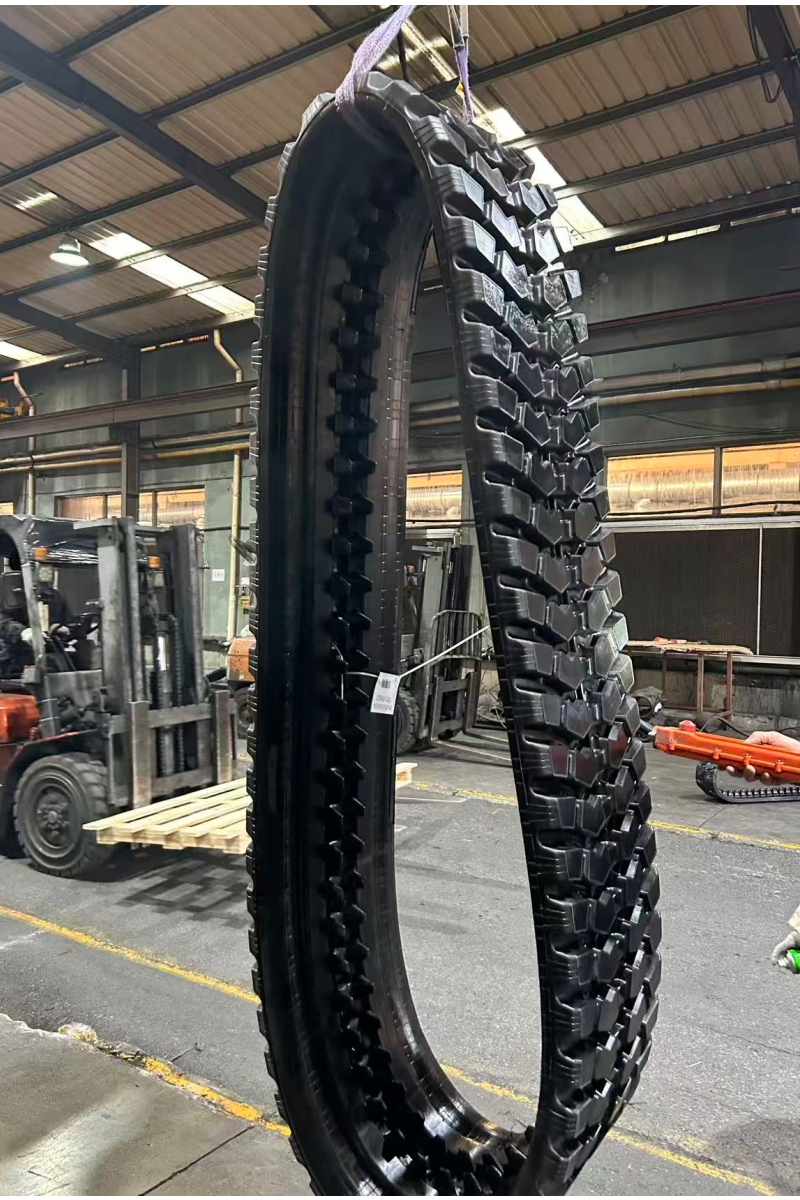
Procuring reliable 700mm excavator rubber pads requires rigorous evaluation of both material science and mechanical design. Because these components endure extreme shear forces and abrasive environments, buyers must look beyond basic dimensional compatibility to assess the underlying engineering.
The evaluation process must scrutinize the rubber compounding formulation, the integrity of the internal steel core, and the specific attachment mechanism—whether bolt-on, clip-on, or chain-on—to ensure alignment with the fleet’s operational profile.
Key Technical and Commercial Selection Factors
Material specifications dictate the operational ceiling of the pad. Expert buyers demand virgin natural rubber blends that achieve a tensile strength exceeding 15 MPa and a durometer hardness of 75 to 80 Shore A. These metrics ensure maximum resistance to chunking and tearing when navigating over demolition debris or sharp aggregates. Furthermore, the bonding process between the rubber and the forged steel core must utilize advanced vulcanization techniques to prevent delamination under high torque.
Commercially, wholesale buyers and distributors must evaluate Minimum Order Quantities (MOQs) and tiered pricing structures. Standard MOQs for custom-compounded 700mm pads typically range from 50 to 100 units, making it essential to align procurement volumes with projected fleet maintenance schedules to optimize unit costs without overcapitalizing inventory.
Comparing Cost, Performance, and Service Life
Performance and lifecycle economics vary significantly based on the chosen attachment style and operating environment. High-quality 700mm pads should deliver a service life of 1,500 to 2,500 operating hours before requiring replacement, provided they are utilized within their engineered parameters.
The following table illustrates the comparative metrics for standard 700mm attachment configurations, assisting procurement teams in calculating the Total Cost of Ownership (TCO):
| Attachment Type | Relative Cost Index | Installation Time (per pad) | Typical Service Life | Best Use Case |
|---|---|---|---|---|
| Bolt-On | Low | 5–7 minutes | 1,500–2,000 hours | Permanent retrofits, heavy excavation |
| Clip-On | Medium | 2–3 minutes | 1,200–1,800 hours | Frequent transitioning between dirt and pavement |
| Chain-On (Roadliner) | High | Direct to chain | 2,000–2,500+ hours | Dedicated urban fleets, maximum durability |
By analyzing these variables, fleet managers can select the configuration that minimizes labor downtime while maximizing the operational lifespan of the undercarriage.
How USA and Canada Buyers Should Source 700mm Excavator Rubber
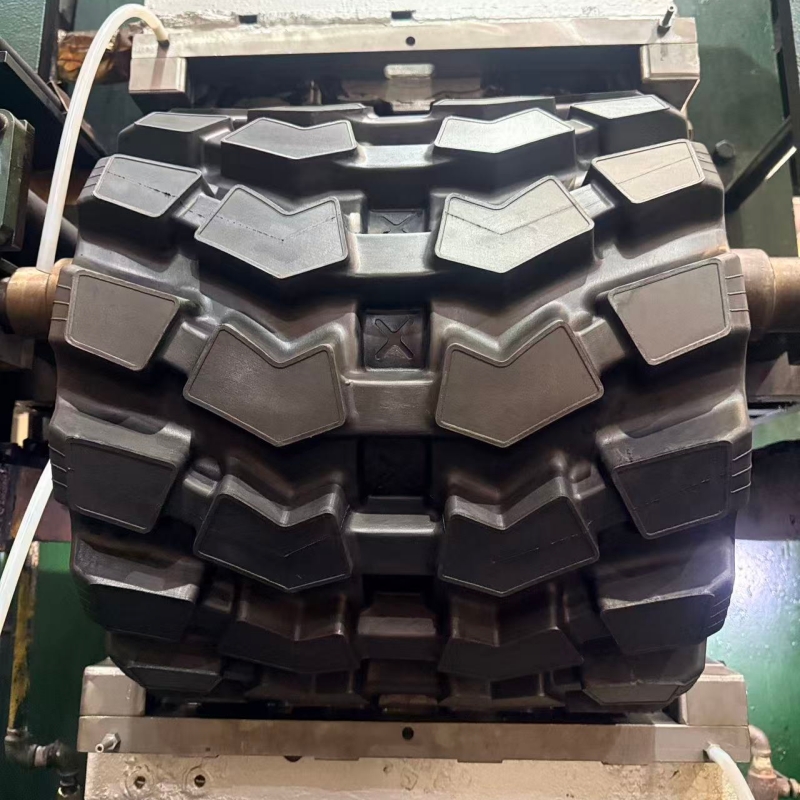
For heavy equipment distributors and large-scale contractors in North America, sourcing 700mm excavator rubber pads demands a strategic approach to supply chain management. The physical weight and bulk of these components necessitate careful logistical planning to maintain profit margins and ensure parts availability.
A robust sourcing strategy mitigates the risks of premature pad failure and supply bottlenecks, ensuring that fleets remain operational during peak construction seasons.
Procurement Steps to Reduce Failure Risk
To mitigate the risk of catastrophic field failure, procurement teams must implement stringent supplier auditing protocols. Buyers should require comprehensive Material Test Reports (MTRs) validating the tensile strength, abrasion resistance, and core bonding integrity of the pads. Leading manufacturers will maintain a historical defect rate of less than 0.5%, a metric that should be verified during the supplier qualification phase.
Additionally, buyers should request cross-sectional samples to inspect the steel core’s thickness and the uniformity of the vulcanized rubber. Establishing clear Quality Assurance (QA) parameters prior to issuing a purchase order ensures that the delivered batch will withstand the rigors of North American jobsites, thereby preventing costly downtime and potential damage to the excavator’s track group.
Lead Times, Regional Support, and Warranty Terms
Logistical realities dictate that sourcing from overseas manufacturers requires precise lead time management, alongside a clear understanding of regional support and warranty terms to fully protect the equipment investment.
Key Takeaways
- The most important conclusions and rationale for 700mm Excavator Rubber Pads
- Specs, compliance, and risk checks worth validating before you commit
- Practical next steps and caveats readers can apply immediately
Frequently Asked Questions
Why do USA and Canada buyers choose 700mm excavator rubber pads?
They balance stability, lower ground pressure, and surface protection, helping mid-size excavators work on asphalt, concrete, turf, and thaw-softened ground with less damage.
What excavator size usually fits 700mm rubber pads?
They are commonly used on 12- to 15-ton class excavators, but exact fit depends on your track chain and pad system. Check model code and pad style before ordering.
Which pad style should I choose: bolt-on, clip-on, or chain-on?
Bolt-on suits longer-term retrofits, clip-on speeds installation, and chain-on works for specific undercarriage setups. Gator Track offers all three to match different machines and jobsites.
How long should quality 700mm excavator rubber pads last?
In normal use, quality pads often last about 1,500 to 2,500 operating hours. Service life drops faster on sharp demolition debris, high-speed travel, or poor installation.
What should buyers check before ordering from Gator Track?
Confirm pad width, attachment type, machine model, chain dimensions, and jobsite conditions. Also ask about rubber compound, steel core bonding, MOQ, and lead time to avoid fitment or supply issues.
Yvonne
Post time: Apr-29-2026