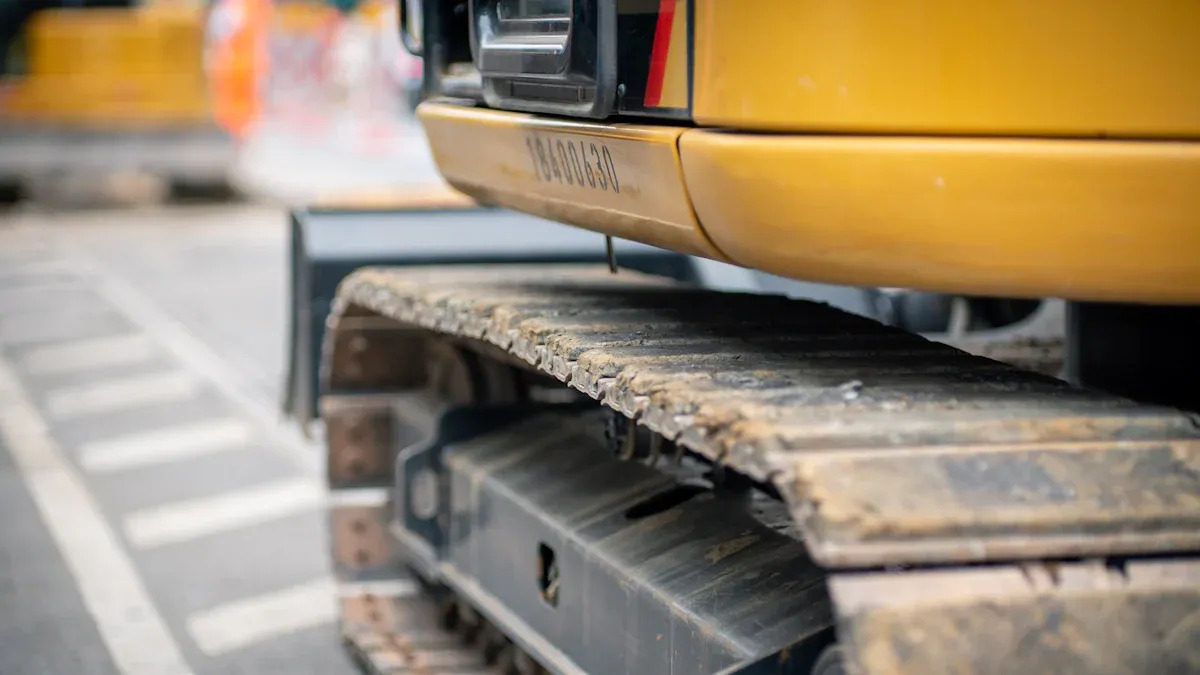
This guide helps you select the ideal Chain On Rubber Track Pads for your excavator. You will learn to match these pads perfectly to your specific operational needs and excavator model. Discover how to choose pads that protect surfaces effectively and maximize your investment.
Key Takeaways
- Chain-on rubber track pads protect surfaces like roads and lawns. They bolt onto your excavator’s steel tracks.
- These pads make your machine quieter and give it better grip. They also reduce vibrations for the operator.
- Always check your excavator’s make, model, and track size. This ensures the pads fit correctly and work well.
What Are Chain On Rubber Track Pads?
Defining Chain On Rubber Track Pads
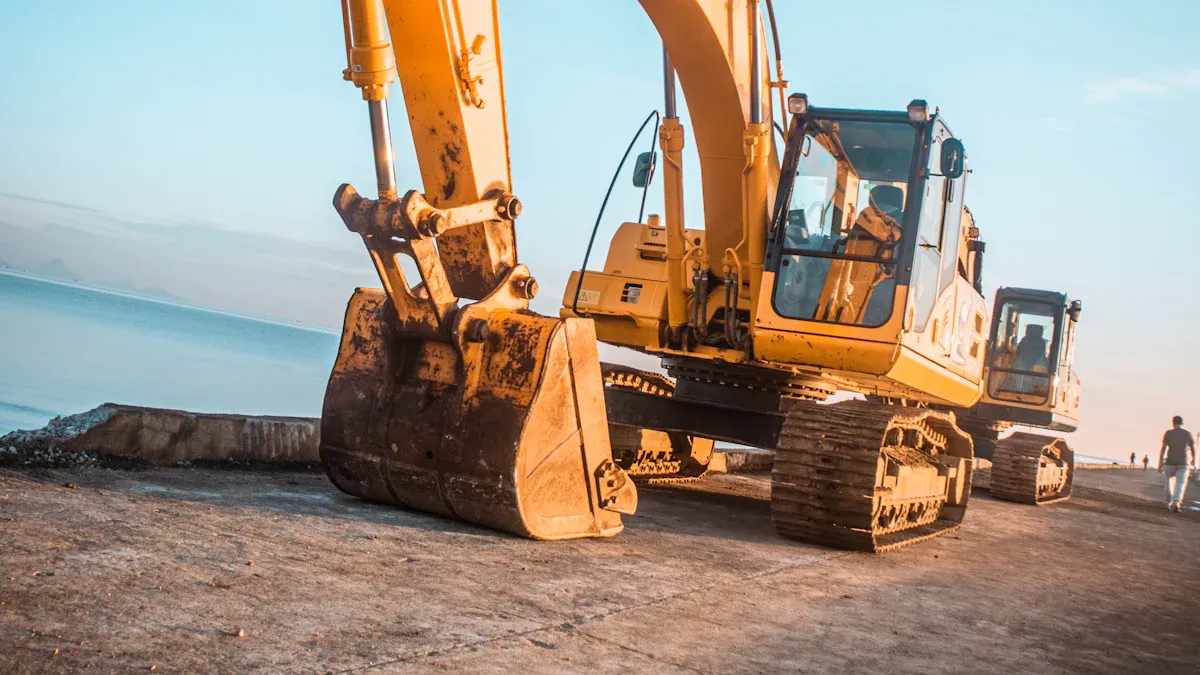
You might wonder what Chain On Rubber Track Pads are. These are specialized rubber segments. They bolt directly onto your excavator’s existing steel track chains. Think of them as protective shoes for your steel tracks. They allow your heavy machinery to work on delicate surfaces. This prevents damage to roads, sidewalks, and finished landscapes. You effectively convert your steel-tracked machine into a surface-friendly one. These pads are essential for many construction and landscaping jobs.
Key Benefits of Using Rubber Track Pads
Using Chain On Rubber Track Pads offers many advantages. First, you protect sensitive surfaces. You can drive your excavator on asphalt, concrete, or lawns without leaving marks. This saves you money on costly surface repairs. Second, you experience less noise. Rubber absorbs sound better than steel. Your work environment becomes quieter for both operators and nearby areas. Third, you get better traction. Rubber grips well on hard surfaces. This improves stability and control for your machine. Fourth, they reduce vibration. This makes the ride smoother for the operator. It also reduces wear and tear on your excavator’s components. Finally, they are a cost-effective solution. You do not need to buy a whole new set of rubber tracks. You simply add these pads to your existing steel tracks. This makes them a smart and practical investment for your equipment.
Ensuring Compatibility for Your Excavator’s Chain On Rubber Track Pads
Ensuring compatibility is the most critical step. You must get this right to avoid costly mistakes. You need to select pads that perfectly fit your machine. This section guides you through the essential checks.
Matching Excavator Make and Model
You must ensure compatibility when selecting new pads. Your excavator’s make and model are the first crucial details. Different manufacturers design their track systems uniquely. A pad made for a Caterpillar might not fit a Komatsu. Always consult your excavator’s owner’s manual. This manual provides specific track specifications. You can also check the manufacturer’s website. They often list compatible pad types. Choosing the correct pad prevents installation problems. It also ensures optimal performance and safety.
Tip: Always cross-reference your excavator’s serial number with the pad manufacturer’s compatibility charts. This provides the most accurate match.
Verifying Track Chain Pitch and Width
Next, you need to measure your track chain’s pitch and width. The pitch is the distance between the centers of two consecutive track pins. You measure this from the center of one pin to the center of the next. The track width is the measurement across the steel track shoe itself. These two measurements are critical. They determine if the rubber pad will sit correctly on the steel shoe. An incorrect pitch means the pad will not align with the chain. An incorrect width means the pad will hang over or be too narrow. Both scenarios lead to poor fit and potential damage. Use a tape measure for accuracy. Double-check your measurements to avoid errors.
Aligning Bolt Hole Patterns
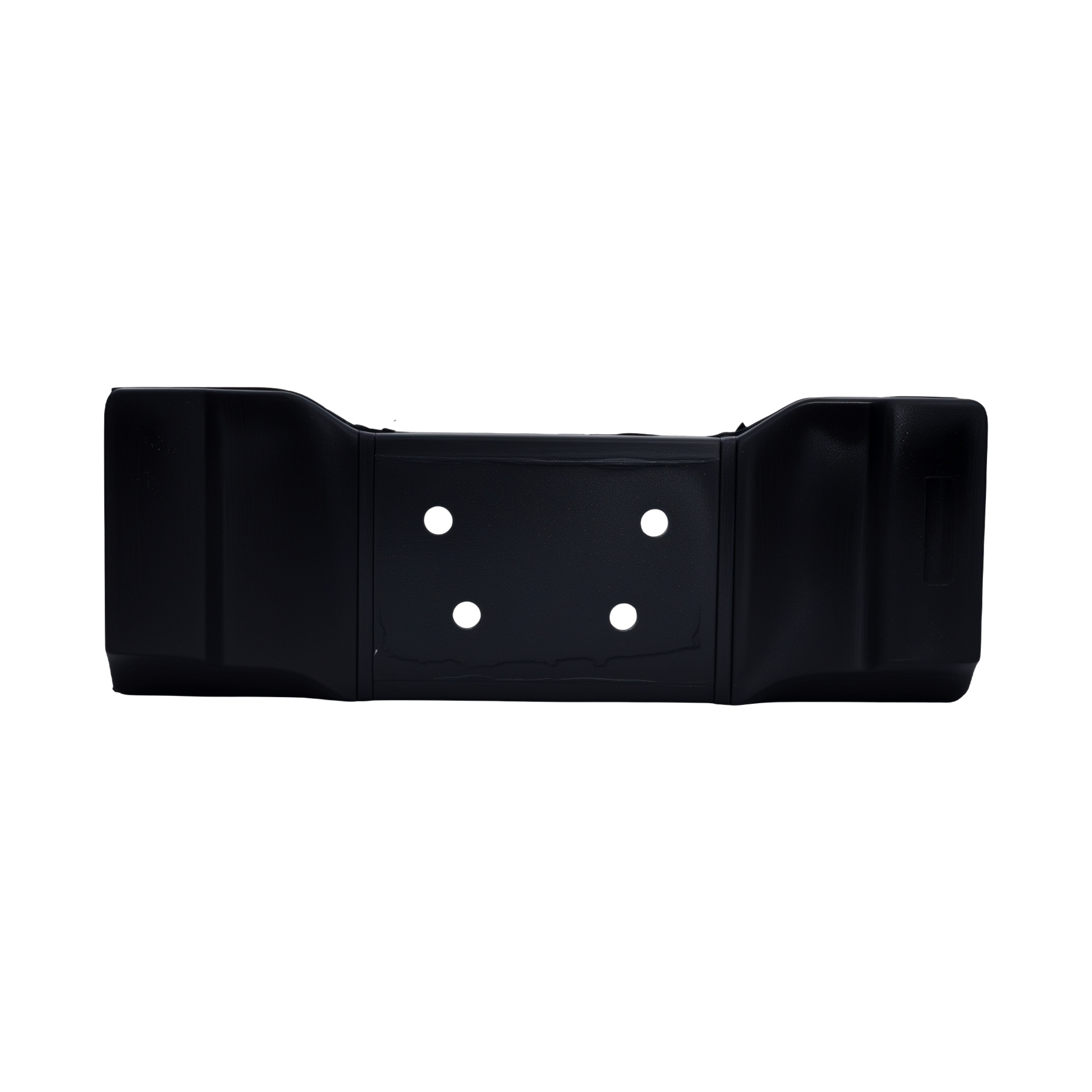
Finally, you must align the bolt hole patterns. Chain On Rubber Track Pads attach to your steel track shoes with bolts. The pattern of these bolt holes varies. You need to count the number of holes on your steel track pads. Then, measure the distance between each hole. Compare these measurements to the specifications of the rubber pads. Many pad suppliers provide detailed diagrams. Some even offer templates. A perfect match ensures secure attachment. Misaligned holes make installation impossible. They also compromise the pad’s stability during operation. Do not force pads onto misaligned holes. This can damage both the pad and your steel track.
Application-Specific Selection of Chain On Rubber Track Pads
You must choose the right Chain On Rubber Track Pads for your specific job. Different work environments demand different pad characteristics. Selecting the correct pad type protects your work surface and maximizes your excavator’s efficiency.
Pads for Paved Surfaces
When you work on paved surfaces, you need pads that prevent damage. Asphalt, concrete, and finished roads require gentle treatment. You should select smooth, non-marking rubber pads. These pads spread your excavator’s weight evenly. They reduce the risk of scuffing, scratching, or cracking the pavement. Using the right pads saves you money on costly surface repairs. You also maintain a professional appearance on your job site.
Tip: Look for pads with a flat, uniform surface. Avoid pads with aggressive treads or sharp edges for paved applications.
Pads for Sensitive Ground
Sensitive ground includes lawns, golf courses, and landscaped areas. Here, you want to minimize ground disturbance. Pads designed for sensitive ground often feature a wider profile. This wider profile distributes weight over a larger area. It reduces ground pressure. You prevent deep ruts and turf damage. Some pads also have specialized tread patterns. These patterns offer grip without tearing up the soil. You protect delicate ecosystems and maintain aesthetic appeal.
Pads for Rough Terrain
Rough terrain presents different challenges. You encounter rocks, debris, and uneven surfaces. For these conditions, you need durable and robust pads. Look for pads made from heavy-duty rubber compounds. These compounds resist cuts, punctures, and abrasions. Pads for rough terrain often feature aggressive tread patterns. These patterns provide superior traction and stability. They help your excavator grip uneven ground. You ensure safety and prevent slippage on challenging sites.
Versatile Options for Mixed Environments
Many jobs involve working on various surfaces. You might move from pavement to dirt, then to gravel. For these mixed environments, you need versatile pads. Hybrid pads offer a good balance of protection and durability. They combine features from different pad types. Some versatile pads have a moderate tread pattern. This pattern provides decent grip on rough ground. It also minimizes damage on paved surfaces. You avoid changing pads frequently. This saves you time and effort on the job.
Material Quality for Chain On Rubber Track Pads
The material quality of your track pads directly impacts their performance and lifespan. Choosing the right material ensures durability and protects your investment. You need to understand the differences between available options.
Standard Rubber Compounds
Standard rubber compounds offer a good balance of performance and cost. Manufacturers make these pads from a basic rubber blend. They provide adequate surface protection for many common tasks. You will find them suitable for light to medium-duty work. These pads prevent damage to paved surfaces and reduce noise. They are a cost-effective choice for general use.
Heavy-Duty Rubber Options
For more demanding jobs, you should consider heavy-duty rubber options. These pads use a tougher rubber blend. This blend resists cuts, tears, and abrasions better than standard compounds. They are ideal for rougher terrains or sites with sharp debris. You get increased durability and a longer lifespan. This means fewer replacements and less downtime for your excavator.
Polyurethane Track Pads
Polyurethane track pads offer superior strength and resilience. This synthetic material is very tough. It resists oil, chemicals, and extreme temperatures. Polyurethane pads are lighter than rubber. They also last longer in harsh conditions. You will find them excellent for specialized applications where rubber might fail. They provide great protection and extended service life.
Hybrid and Specialty Compounds
Hybrid and specialty compounds combine different materials. These pads offer unique benefits for specific needs. Some hybrid pads mix rubber with other polymers for enhanced grip or reduced weight. Others might include internal reinforcements for extra strength. You can find specialty compounds designed for extreme cold or heat. These options give you tailored solutions for very particular job requirements.
Durability and Lifespan of Chain On Rubber Track Pads
You want your excavator pads to last a long time. Understanding what makes them durable helps you choose wisely. Several factors influence how long your pads will perform.
Impact of Rubber Compound Quality
The quality of the rubber compound directly affects pad lifespan. High-quality rubber resists cuts, tears, and abrasions better. It also withstands harsh weather conditions. Inferior compounds wear down quickly. They can crack or chunk off under stress. You get more working hours from pads made with premium rubber. This means fewer replacements and less downtime for your machine.
Importance of Reinforcement Features
Reinforcement features significantly boost durability. Many pads include internal steel plates or fabric layers. These reinforcements prevent stretching and tearing. They also help the pad maintain its shape. Strong reinforcement protects the pad from impact damage. It ensures the pad stays securely attached to your track chain. You gain greater stability and a longer service life.
Tip: Always check for internal reinforcement details when comparing different pad options.
Manufacturer Reputation and Warranty
A manufacturer’s reputation speaks volumes about product quality. Reputable companies use better materials and stricter quality control. They stand behind their products. A good warranty offers you peace of mind. It shows the manufacturer trusts their pads to last. You can expect reliable performance from a trusted brand. Choosing a well-known supplier often means better support and a more durable product.
Installation and Maintenance of Chain On Rubber Track Pads
Proper installation and regular maintenance extend the life of your track pads. You will ensure your excavator performs safely and efficiently. Understanding these steps saves you time and money.
Ease of Installation Methods
Installing your new track pads is a straightforward process. Most pads use a simple bolt-on design. You align the pad with the bolt holes on your steel track shoe. Then, you secure it with bolts and nuts. Some pads feature a quick-attach system. This system allows for even faster changes. You do not need specialized tools for most installations. Always follow the manufacturer’s instructions. This ensures a secure fit.
Tip: Before installation, clean the steel track shoes. This helps the pads sit flush and prevents debris from causing issues.
Essential Maintenance Tips
Regular maintenance keeps your pads in top condition. You should inspect your pads daily. Look for any cuts, tears, or excessive wear. Check all bolts for tightness. Loose bolts can cause pads to detach. Clean your tracks regularly. Remove mud, dirt, and debris. This prevents material buildup. Buildup can accelerate wear. Proper maintenance prevents small problems from becoming big ones.
Determining Replacement Frequency
You need to know when to replace your pads. Look for signs of significant wear. Pads become thin. They may show deep cracks or missing chunks. Reduced traction is another indicator. If your excavator slips more often, your pads might be worn out. Consider your work environment. Harsh conditions require more frequent checks. Replacing pads proactively prevents damage to your steel tracks. It also maintains optimal performance.
Cost Versus Value: Investing in Chain On Rubber Track Pads
You need to consider more than just the sticker price when investing in Chain On Rubber Track Pads. A smart purchase balances initial cost with long-term benefits. You want to maximize your investment.
Comparing Initial Purchase Prices
You will find that initial purchase prices for track pads vary. Different materials and brands affect the cost. Do not just choose the cheapest option. A lower price often means lower quality. Consider the quality of the materials. Better materials usually cost more upfront. You should compare prices from several suppliers. This helps you understand the market value.
Analyzing Long-Term Operating Costs
Cheaper pads wear out quickly. This means you replace them more often. Each replacement costs money for new excavator track pads and labor. Your machine also experiences downtime. High-quality pads last longer. They reduce your overall operating expenses. Some lighter pads can even improve fuel efficiency. You save money over time. Think about the total cost of ownership.
Tip: Calculate the cost per hour of use for different pad options. This reveals true value.
Importance of Supplier Support
Good supplier support is very valuable. A reliable supplier offers expert advice. They help you choose the right pads. They also provide quick access to replacement parts. A strong warranty gives you peace of mind. You avoid long delays. This keeps your excavator working. Choose a supplier who understands your needs. You build a trusted partnership.
You now possess the knowledge to select the ideal Chain On Rubber Track Pads. Make informed decisions for your excavator. This choice optimizes your machine’s performance. It also ensures superior surface protection. You will maximize the return on your investment. Your equipment will operate efficiently and safely.
FAQ
How do I know if my excavator needs chain-on rubber track pads?
You need them if you work on sensitive surfaces. These include asphalt, concrete, or lawns. They prevent surface damage.
Can I install chain-on rubber track pads myself?
Yes, you can. Most pads use a simple bolt-on design. You do not need special tools. Always follow manufacturer instructions.
Do rubber track pads affect my excavator’s speed?
No, they do not significantly affect speed. They improve traction on hard surfaces. This can make your machine more efficient.

Post time: Nov-07-2025