
AI has revolutionized how you approach heavy machinery maintenance. By analyzing wear patterns and environmental factors, AI achieves an impressive 92% accuracy in predicting excavator track wear. This precision stems from integrating real-world data collected from Ukraine’s conflict zones. These high-stress environments provide unique insights into how machinery performs under extreme conditions.
For you, this technology means fewer unexpected breakdowns and reduced maintenance costs. AI Excavator Tracks not only predict wear but also adapt to diverse operational scenarios, ensuring your equipment stays reliable even in the harshest environments.
Key Takeaways
- AI guesses excavator track wear with 92% accuracy. This lowers surprise breakdowns and repair costs.
- Data from Ukraine’s war zones helps the model work in tough conditions.
- Planning repairs early stops expensive delays by spotting problems early.
- AI can help many machines, making mining and building work better.
- Safe data systems are important to get the most from AI tools.
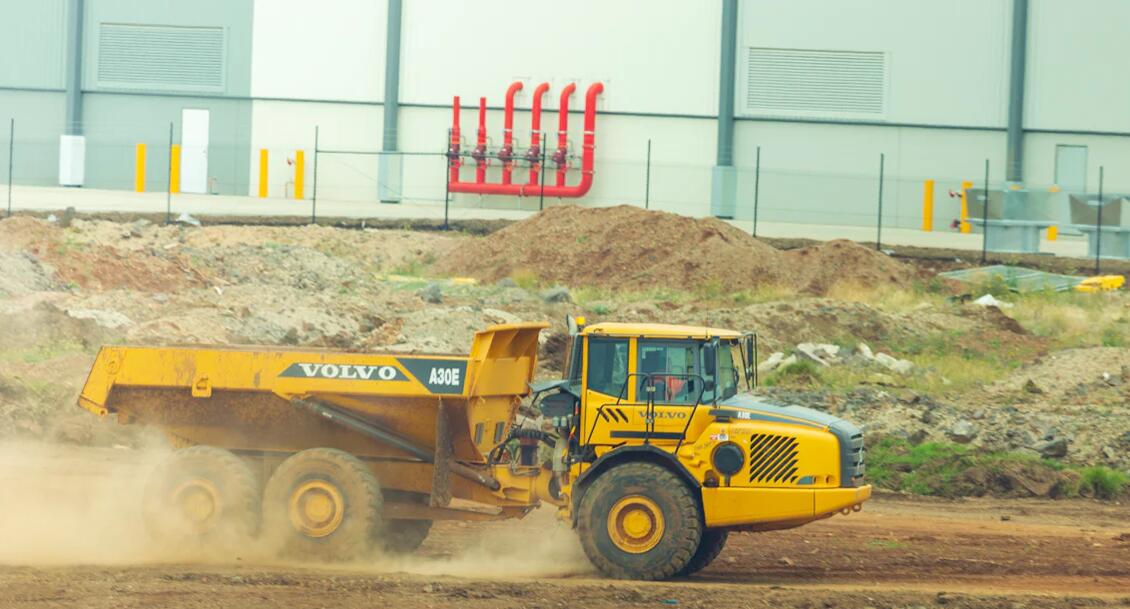
AI Excavator Tracks: Understanding the Model
How the AI Model Works
Data inputs and preprocessing
You might wonder how AI Excavator Tracks achieve such high accuracy. The process begins with collecting diverse data inputs. These include track wear measurements, operational hours, soil types, and environmental conditions like temperature and humidity. Each data point undergoes preprocessing to ensure consistency and eliminate noise. For example, missing values are filled using statistical methods, and outliers are identified to prevent skewed predictions. This step ensures the model receives clean, reliable data for analysis.
Machine learning algorithms used
The core of AI Excavator Tracks lies in its machine learning algorithms. Engineers use supervised learning techniques, where the model learns from labeled datasets. Algorithms like Random Forest and Gradient Boosting are commonly employed due to their ability to handle complex relationships between variables. These algorithms analyze patterns in the data, enabling the model to predict track wear with remarkable precision.
Training and Validation
Training process and iterations
During training, the model processes thousands of data samples to identify patterns and correlations. Each iteration refines its predictions by minimizing errors. You benefit from this iterative process because it ensures the model becomes more accurate with each cycle. Engineers also use techniques like cross-validation to test the model on unseen data, further enhancing its reliability.
Ensuring accuracy through validation
Validation plays a crucial role in maintaining the model’s accuracy. By comparing predictions against real-world outcomes, engineers fine-tune the model to reduce discrepancies. This rigorous validation ensures AI Excavator Tracks deliver dependable results, even in challenging environments.
Key Features of the Model
Predictive capabilities
AI Excavator Tracks excel in predicting track wear before it becomes critical. This capability allows you to schedule maintenance proactively, avoiding costly downtime. The model identifies subtle wear patterns that traditional methods often miss, giving you a significant advantage in machinery upkeep.
Adaptability to diverse environments
One standout feature of AI Excavator Tracks is their adaptability. Whether your equipment operates in arid deserts or muddy conflict zones, the model adjusts its predictions based on environmental factors. This flexibility ensures accurate results across various operational scenarios, making it a valuable tool for global industries.
The Role of Ukraine Conflict Zone Field Data
Data Collection in Conflict Zones
Sources of data
In conflict zones like Ukraine, data collection relies on a combination of on-site monitoring and remote sensing technologies. Field engineers gather wear measurements directly from excavator tracks during maintenance checks. Drones and satellite imagery provide additional environmental data, such as terrain conditions and weather patterns. These diverse sources ensure you receive a comprehensive dataset that reflects real-world challenges.
Types of data collected
The data collected includes detailed wear patterns on rubber excavator tracks, operational hours, and the types of terrain encountered. Environmental factors, such as temperature fluctuations, humidity levels, and soil composition, are also recorded. This holistic approach allows AI Excavator Tracks to analyze how different variables interact and impact track wear.
Challenges in Data Collection
Operating in high-risk areas
Conflict zones present significant risks for data collection. You face challenges like restricted access, unpredictable security threats, and logistical hurdles. Field teams often work under tight time constraints to minimize exposure to danger, which can limit the volume of data collected.
Maintaining data quality and consistency
Ensuring data quality in such environments is another hurdle. Equipment may malfunction due to harsh conditions, leading to incomplete or inaccurate readings. To address this, engineers implement rigorous validation protocols and use redundant systems to cross-check data accuracy.
Unique Contributions of Conflict Zone Data
Insights from harsh environmental conditions
Data from conflict zones provides insights into how excavator tracks perform under extreme conditions. For example, prolonged exposure to abrasive soils or freezing temperatures reveals wear patterns that standard datasets might overlook. These insights enhance the predictive capabilities of AI Excavator Tracks.
High-stress operational scenarios
Conflict zones also simulate high-stress operational scenarios, such as continuous use over extended periods. This data helps the model adapt to demanding environments, ensuring its predictions remain reliable even under intense workloads.
Evaluating Predictive Capabilities of AI Excavator Tracks
Measuring Accuracy
How 92% accuracy was achieved
The 92% accuracy of AI Excavator Tracks stems from its ability to process vast amounts of real-world data. The model analyzes wear patterns, environmental conditions, and operational factors to identify correlations that traditional methods often miss. Engineers use advanced machine learning techniques, such as Random Forest and Gradient Boosting, to refine predictions. These algorithms excel at handling complex datasets, ensuring the model delivers precise results. Rigorous validation processes further enhance accuracy by comparing predictions against actual outcomes. This iterative approach ensures you can rely on the model for dependable maintenance planning.
Comparison with traditional methods
Traditional methods of predicting track wear rely heavily on manual inspections and historical averages. These approaches often fail to account for dynamic factors like sudden environmental changes or unexpected workloads. In contrast, AI Excavator Tracks continuously adapt to new data, providing real-time insights. This adaptability allows you to make proactive decisions, reducing the risk of costly breakdowns. Compared to conventional techniques, the AI model offers a significant improvement in both precision and efficiency.
Real-World Applications
Predictive maintenance for heavy machinery
AI Excavator Tracks revolutionize predictive maintenance by identifying wear issues before they escalate. You can schedule repairs at optimal times, avoiding unplanned downtime. This proactive approach ensures your equipment remains operational, even in demanding environments.
Reducing downtime and repair costs
By predicting wear with high accuracy, the model minimizes unexpected failures. This reduces downtime and lowers repair costs. You save resources by addressing issues early, extending the lifespan of your machinery.
Limitations and Future Directions
Areas for improvement in the model
While AI Digger Tracks achieve impressive accuracy, there is room for improvement. The model could benefit from incorporating more diverse datasets to handle rare wear scenarios. Enhancing its ability to predict long-term wear trends would also add value.
Expanding datasets for better generalization
Expanding the dataset to include more global environments will improve the model’s adaptability. Data from regions with unique conditions, such as extreme heat or high-altitude operations, could help generalize predictions. This expansion ensures the model remains effective across a broader range of industries.
Broader Implications of AI-Driven Maintenance
Cost Savings and Efficiency
Reducing maintenance costs
AI-driven maintenance significantly reduces your operational expenses. By predicting wear and scheduling repairs proactively, you avoid costly emergency breakdowns. This approach minimizes the need for frequent inspections and unnecessary part replacements. For example, instead of replacing tracks prematurely, you can rely on AI to determine the optimal time for maintenance. This precision saves both time and money, allowing you to allocate resources more effectively.
Extending machinery lifespan
When you address wear issues early, your machinery operates more efficiently and lasts longer. AI helps you identify subtle wear patterns that might otherwise go unnoticed. By acting on these insights, you prevent small issues from escalating into major problems. This proactive care extends the lifespan of your equipment, ensuring a higher return on investment. Over time, this translates into fewer replacements and lower capital expenditures.
Applications Beyond Excavators
Use in other heavy machinery
The predictive capabilities of AI are not limited to excavators. You can apply similar models to other heavy machinery, such as bulldozers, cranes, and loaders. These machines face similar wear challenges, making them ideal candidates for AI-driven maintenance. By adopting this technology, you enhance the reliability and efficiency of your entire fleet.
Cross-industry potential (e.g., mining, construction)
AI-driven maintenance offers immense potential across industries. In mining, where equipment operates in harsh conditions, predictive models help you reduce downtime and improve safety. In construction, AI ensures your machinery remains operational during critical projects. These applications demonstrate how AI can revolutionize maintenance practices across diverse sectors.
Ethical and Practical Considerations
Data privacy and security concerns
When you use AI, data privacy becomes a critical concern. Sensitive operational data must be protected from unauthorized access. You need robust encryption and secure storage solutions to safeguard this information. Additionally, compliance with data protection regulations ensures your operations remain ethical and transparent.
Challenges of deploying AI in conflict zones
Deploying AI in conflict zones presents unique challenges. High-risk environments make it difficult to collect consistent data. You also face logistical hurdles, such as limited access to equipment and unstable communication networks. Despite these obstacles, the insights gained from such environments are invaluable for improving AI models.
Tip: To maximize the benefits of AI-driven maintenance, invest in secure data management systems and explore its applications across your entire machinery fleet.
AI’s ability to predict excavator rubber track wear with 92% accuracy transforms how you approach machinery maintenance. This achievement stems from integrating data collected in Ukraine’s conflict zones, where extreme conditions provide unparalleled insights. These datasets allow the model to adapt to high-stress environments, ensuring reliable predictions.
The implications extend beyond excavators. You can apply this technology across industries like mining and construction, improving efficiency and reducing costs. As AI evolves, its role in heavy machinery maintenance will only grow, offering you smarter, more sustainable solutions for equipment management.
Key Takeaway: By leveraging AI and real-world data, you gain a competitive edge in maintaining machinery performance and longevity.
FAQ
What makes AI Excavator Tracks different from traditional methods?
AI Excavator Tracks analyze real-time data and adapt to changing conditions. Traditional methods rely on manual inspections and historical averages, which often miss subtle wear patterns. AI provides precise, proactive maintenance insights, reducing downtime and repair costs.
How reliable is the 92% accuracy rate?
The 92% accuracy rate reflects rigorous training and validation processes. Engineers use advanced algorithms and real-world data to ensure dependable predictions. This reliability helps you plan maintenance effectively, avoiding unexpected breakdowns.
Can AI Excavator Tracks handle extreme environments?
Yes, AI Excavator Tracks adapt to diverse conditions, including harsh environments like conflict zones. The model incorporates environmental factors such as temperature, soil type, and humidity, ensuring accurate predictions regardless of operational challenges.
How does this technology benefit industries beyond construction?
Industries like mining and agriculture face similar machinery wear challenges. AI Excavator Tracks can optimize maintenance for various heavy equipment, improving efficiency and reducing costs across sectors.
What are the limitations of AI Excavator Tracks?
The model requires diverse datasets to handle rare wear scenarios. Expanding data collection to include unique environments, such as extreme heat or high altitudes, will improve its adaptability and accuracy.
Post time: Feb-20-2025