
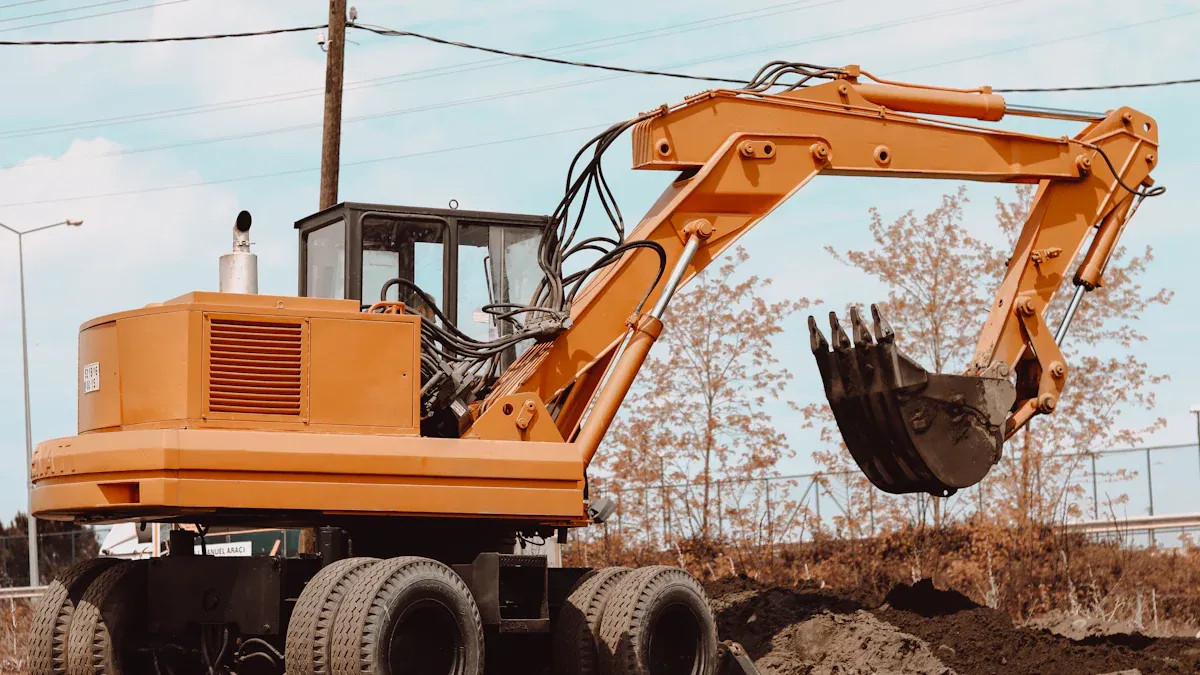
I observe a clear trend in construction. Contractors are increasingly choosing 800mm aftermarket rubber pads for their excavators. These specialized excavator pads are revolutionizing excavation efficiency and minimizing site impact. The widespread adoption of these excavators pads across North America stems from stricter environmental mandates and the critical need for surface protection.
Key Takeaways
- 800mm aftermarket rubber pads protect surfaces and reduce noise. They are better than steel tracks for sensitive areas.
- These rubber pads make excavators work better on many surfaces. They also make equipment last longer and save money.
- Choosing the right rubber pads means checking size and material. Proper care helps them last a long time.
The Strategic Shift to 800mm Aftermarket Rubber Excavator Pads
Defining 800mm Aftermarket Rubber Pads
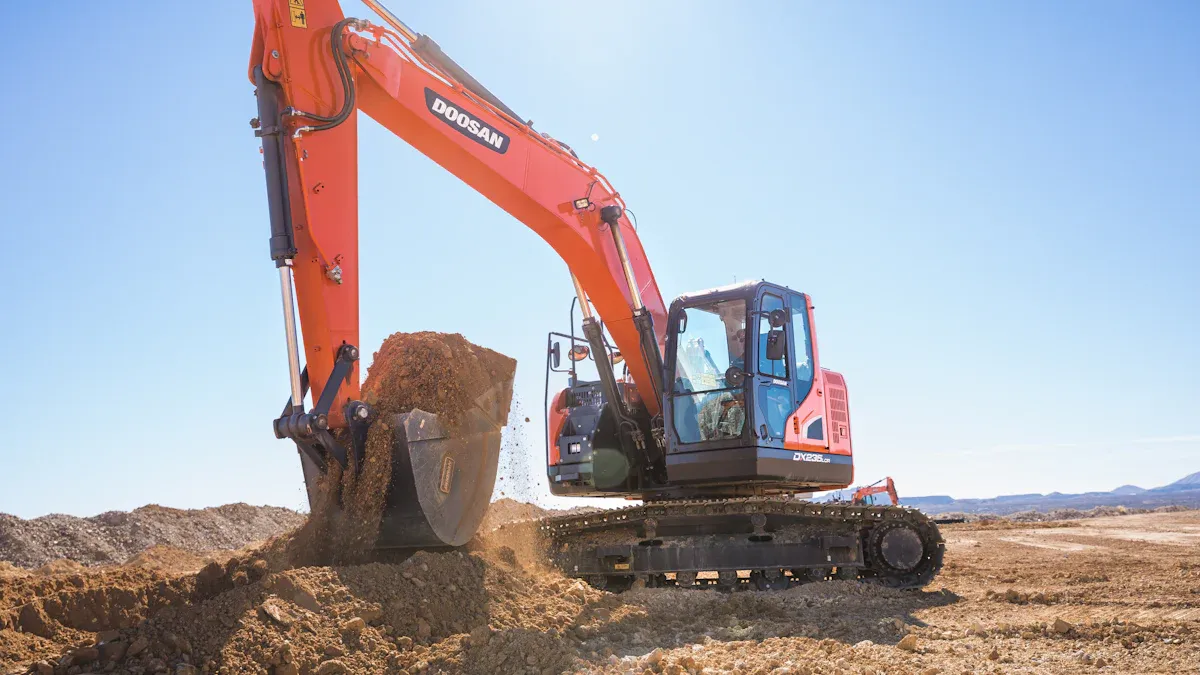
I often get asked about the specifics of these 800mm aftermarket rubber pads. Essentially, these are specialized track pads designed to replace traditional steel tracks on excavators. They are not just generic rubber; manufacturers craft them from premium, durable rubber, often featuring a ribbed surface. This design enhances traction and stability, especially on uneven or slippery terrain. The material itself withstands heavy loads and outdoor abrasion, which is crucial for demanding construction environments.
For those seeking even greater performance, advanced models use a reinforced polymer blend for increased wear resistance. I have seen Pro models that feature carbon-infused rubber. This material doubles wear resistance and offers triple the chemical resistance compared to industry standards. Customization options are also available. I can choose adjustable ribbed patterns and thickness, allowing for tailoring to specific machinery requirements. For example, I might select thicker pads with denser ribs for heavy-duty excavators.
Here is a quick overview of their technical specifications:
| Feature | Specification | Application Scenario |
|---|---|---|
| Material | Reinforced rubber | Withstands heavy loads and outdoor abrasion |
| Size Range | 300mm to 800mm | Fits excavators of varying wheelbase sizes |
| Surface Design | Ribbed pattern | Reduces slippage on uneven or wet terrain |
| Load Capacity (Pro Model) | 7 tons | For heavy-duty applications |
| Wear Resistance (Pro Model) | Carbon-infused rubber | Doubles wear resistance |
| Temperature Range (Pro Model) | -30°C to 80°C | For extreme conditions |
Core Advantages Over Traditional Steel Tracks
When I compare these rubber excavator pads to traditional steel tracks, the differences become clear. Rubber tracks offer superior ground protection. They also provide reduced vibration and quieter operation. This makes them ideal for sensitive terrains and urban environments where noise pollution is a concern. Steel tracks, in contrast, offer greater durability and traction, especially on rough or rocky terrain. However, they cause more ground disturbance.
I find that rubber track pads are quieter. They cause less damage to driving surfaces. They also offer a smoother ride with reduced vibration for the operator. This can be a more cost-effective option in the long run. Steel track shoes are highly durable. They perform well in various weather conditions, including warm and cold. Their heavier weight contributes to greater traction. This makes them an excellent choice for rugged and complex terrains where superior grip is essential. However, for most of my projects, the benefits of rubber outweigh those of steel.
Revolutionizing Surface Protection and Site Integrity
The shift to 800mm rubber pads truly revolutionizes surface protection and site integrity. I no longer worry about damaging asphalt, concrete, or delicate landscaping. These pads distribute the excavator’s weight more evenly. This significantly reduces the risk of cracks, indentations, or scrapes on finished surfaces. This is a huge advantage, especially when working on urban projects or near existing infrastructure.
Furthermore, the reduced ground disturbance means less cleanup and repair work after the excavation is complete. This saves both time and money. The quieter operation also contributes to better site integrity. It minimizes disruption to surrounding communities. This helps maintain positive public relations. I have found that using these pads allows me to work in more sensitive areas without causing undue impact. This commitment to site integrity is a major reason I advocate for their use.
Unpacking the Benefits: Why Contractors Prefer Rubber Excavator Pads
Enhanced Versatility and Traction Across Terrains
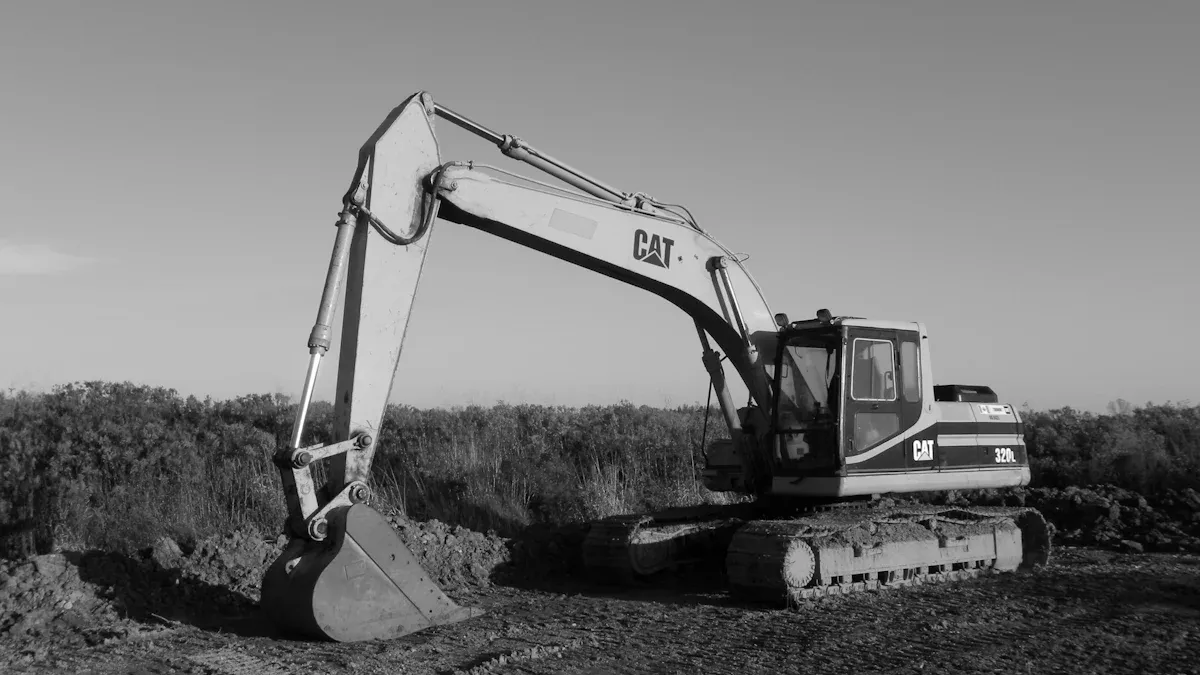
I find the versatility of 800mm aftermarket rubber pads truly impressive. They allow my excavators to operate effectively on a wide range of surfaces. This adaptability is crucial for modern construction projects. I can confidently move equipment across:
- Hard, abrasive surfaces
- Asphalt
- Concrete
- Turf (minimizing damage)
- Rocky terrain
- Grassy surfaces
- Muddy areas
This broad capability means I do not need to switch equipment or worry about damaging the ground. The specialized rubber compound provides excellent grip. It ensures stability even on challenging or slippery conditions. This enhanced traction improves safety for my operators. It also boosts overall project efficiency.
Significant Reduction in Noise and Vibration
One major benefit I notice immediately is the significant reduction in noise and vibration. Traditional steel tracks create a lot of noise. They also transmit considerable vibration through the machine. Rubber pads absorb much of this impact. This makes the work environment much quieter. It also reduces operator fatigue. I have found this particularly valuable when working in urban areas. Noise complaints can delay projects. Quieter operation helps me maintain good community relations. The reduced vibration also protects sensitive underground utilities. It prevents structural damage to nearby buildings.
Extending Equipment Lifespan and Reducing Wear
I always look for ways to extend the life of my machinery. Using 800mm excavator pads significantly helps with this goal. The rubber’s dampening effect reduces stress on the excavator’s undercarriage components. This is a critical factor. Consequently, wear and tear on rollers, idlers, and sprockets are minimized. This leads to fewer repairs and less downtime for maintenance. Ultimately, it improves the return on my equipment investment. I see less frequent need for costly part replacements. This keeps my machines running longer and more reliably.
Cost-Effectiveness and Operational Savings
The initial investment in 800mm excavator rubber pads pays off quickly. I experience substantial cost-effectiveness and operational savings. Reduced ground damage means fewer expenses for site repair. Lower fuel consumption is another benefit. Rubber tracks are lighter than steel. This reduces the load on the engine. The extended lifespan of undercarriage components also cuts maintenance costs. My crews spend less time on repairs. They spend more time on productive work. These combined savings make a strong case for choosing rubber over steel.
Practical Considerations for Adopting 800mm Rubber Excavator Pads
Choosing the Right Aftermarket Pads for Your Excavator
I need to consider several factors when selecting 800mm aftermarket rubber pads. First, I ensure a precise match to my excavator’s track chain and model. This includes the pad’s width, length, bolt pattern, and clip type. I also verify compatibility with the track pitch. I look for pads meeting industry standards like ISO for material quality and dimensional accuracy.
Material quality is paramount. I prioritize pads with high abrasion resistance, tear strength, and resistance to oil, fuel, and ozone. I consider the hardness (Shore A) to balance grip and surface protection. I also look for benchmarks on expected lifespan under typical operating conditions.
I always calculate the total cost of ownership, looking beyond the initial unit price. This includes lifespan, potential downtime costs from premature failure, and replacement labor. I know bulk purchasing often offers significant discounts.
I choose suppliers offering clear warranties and inquire about their quality control processes. This includes material testing, bonding strength, and dimensional checks. I assess supplier reputation and review scores. I ensure the pad design integrates seamlessly with my specific track chain without modification for safety and performance. I also assess the supplier’s responsiveness, technical support, warranty process, and logistics reliability. This minimizes machine downtime. I verify compliance with regional environmental or safety regulations, especially concerning material composition and recyclability.
Installation, Maintenance, and Durability
Installing these rubber pads is straightforward. My team finds the process efficient. Regular cleaning and inspection are key maintenance steps. I check for cuts or excessive wear. The durability of these excavator pads is impressive. They withstand harsh conditions, extending the life of my undercarriage components.
Environmental Compliance and Urban Project Suitability
These pads help me meet environmental regulations. They reduce ground disturbance and noise pollution. This makes them ideal for urban projects. I can work in sensitive areas without causing significant impact. This suitability is a major advantage for my business.
I see 800mm aftermarket rubber pads truly transforming excavation. They offer contractors in the US and Canada superior surface protection, reduced noise, and significant cost savings. I believe advanced rubber pad technology will continue to shape the future of construction, making sites more efficient and environmentally friendly.
FAQ
How do I ensure 800mm rubber pads fit my excavator?
I always verify the pad’s width, bolt pattern, and clip type. I match these to my excavator’s track chain and model. This ensures a perfect fit and optimal performance.
Are these rubber pads truly better for the environment?
Yes, I find they are. They reduce ground disturbance and noise pollution. This helps me meet environmental regulations. They also minimize site impact.
What is the typical lifespan of these aftermarket rubber pads?
I have seen them last a long time. Their lifespan depends on usage and maintenance. Regular cleaning and inspection extend their durability significantly.

Post time: Jan-08-2026