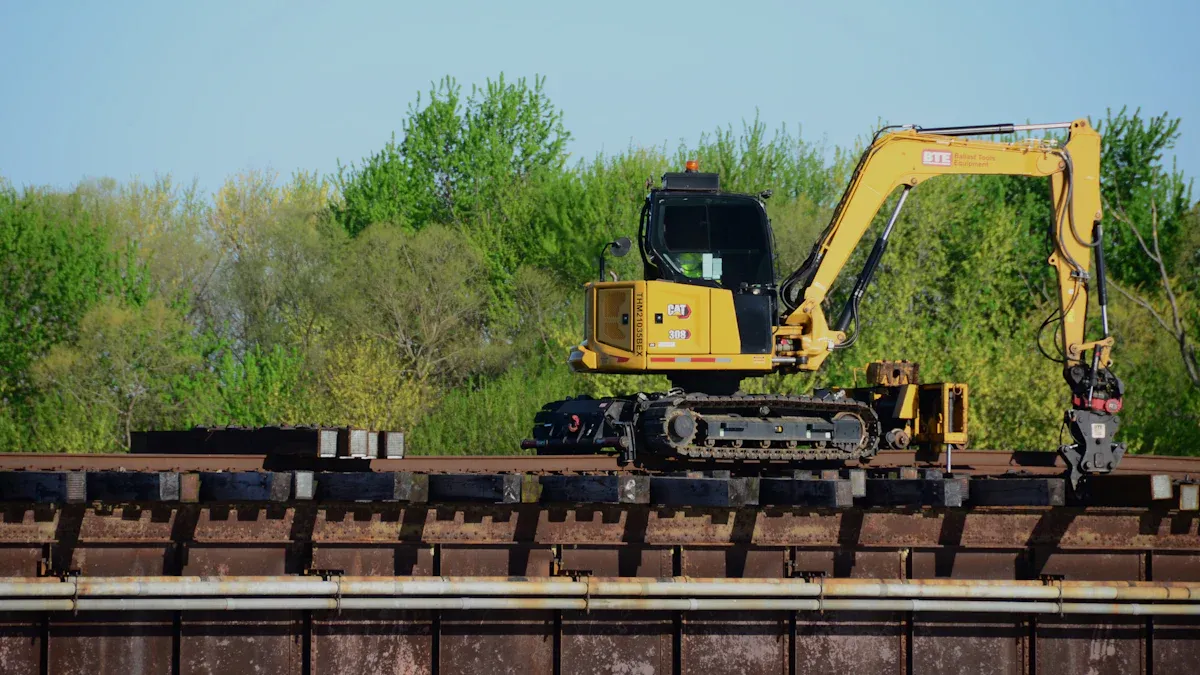
Chain-on rubber track pads are essential components for heavy machinery. They provide traction and stability on various surfaces, enhancing performance during operations. The rubber track pads market was valued at USD 1.2 billion in 2024 and is projected to reach USD 2.5 billion by 2033, reflecting their growing significance in the industry.
Key Takeaways
- Invest in high-quality chain-on rubber track pads to enhance machinery performance and longevity. They provide superior traction and stability, reducing the risk of tipping on uneven surfaces.
- Consider the specific needs of your machinery and work environment when selecting track pads. Compatibility and terrain type are crucial for optimal performance.
- Prioritize suppliers with strong reputations and reliable support. Quality materials and certifications ensure durability and reduce long-term maintenance costs.
Understanding Chain-On Rubber Track Pads
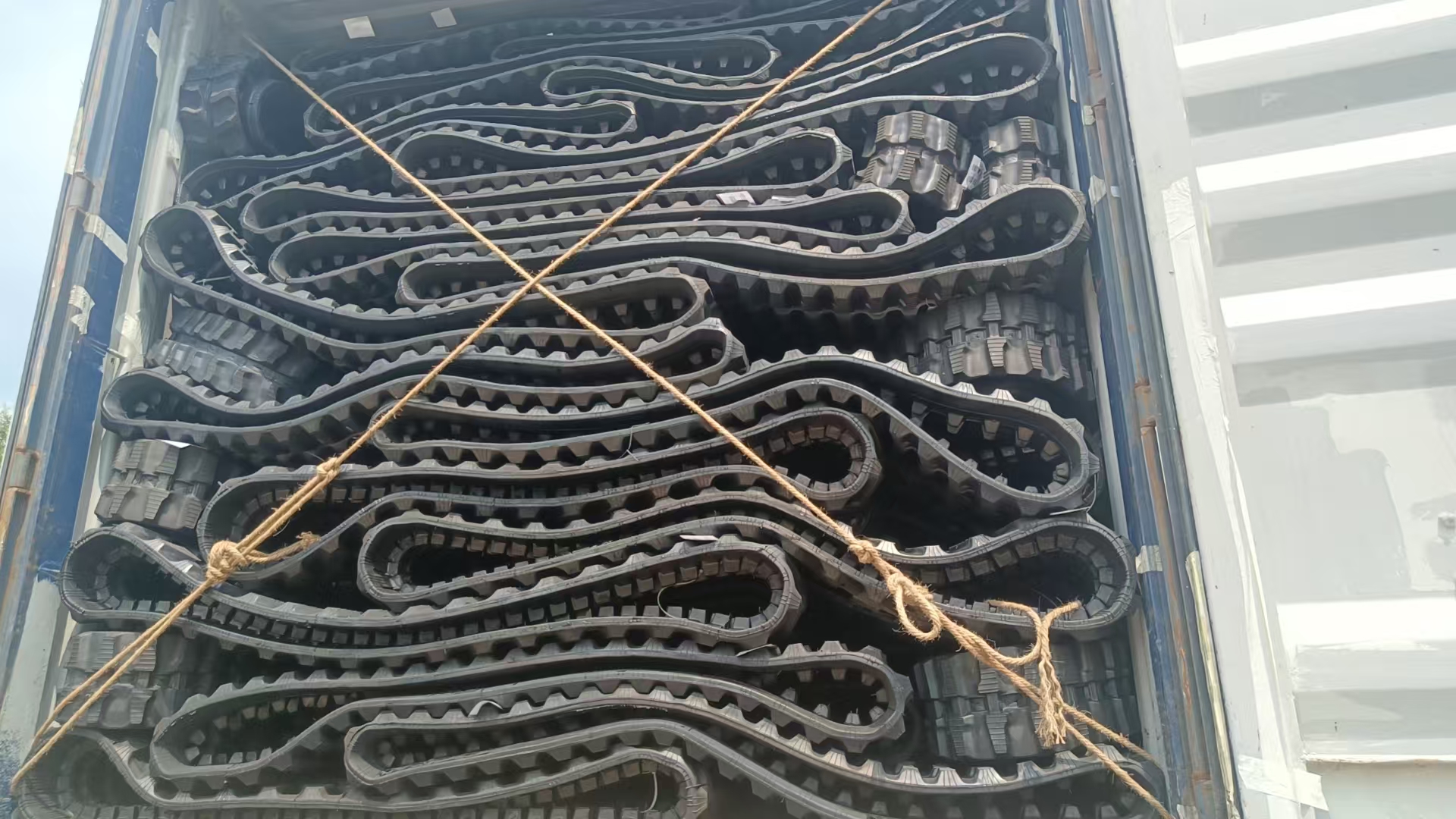
Chain-on rubber track pads play a crucial role in the performance of heavy machinery. These pads consist primarily of vulcanized rubber, which securely bonds to a robust internal metal core. This construction method ensures durability and excellent traction, essential for heavy machinery operations. The internal steel core undergoes special treatment during the vulcanization process, enhancing the bond with the rubber. It is fully encased in rubber to protect surfaces from damage. The rubber used is designed to be abrasion-resistant and anti-chunking, providing long-lasting performance even under harsh conditions.
When comparing chain-on rubber track pads to other types, such as bolt-on and clip-on pads, the differences become clear. Here’s a quick overview:
| Type | Design Description | Application Characteristics |
|---|---|---|
| Chain-on | Mounted directly onto the steel track chain; rubber molded with steel plate. | Provides a robust and stable solution, ideal for heavy-duty applications. |
| Bolt-on | Attached by screws into pre-drilled holes on the steel track shoe. | Easier to install but may lack the stability of chain-on pads. |
| Clip-on | Clamped around the steel track shoes. | Allows for quick installation but can be less stable compared to chain-on pads. |
I find that chain-on pads provide superior traction on various surfaces. Their robust design enhances safety and productivity on job sites. Additionally, they reduce the risk of tipping and improve control during operation. For anyone involved in heavy machinery, understanding these features is vital for making informed decisions.
Key Features of Chain-On Rubber Track Pads
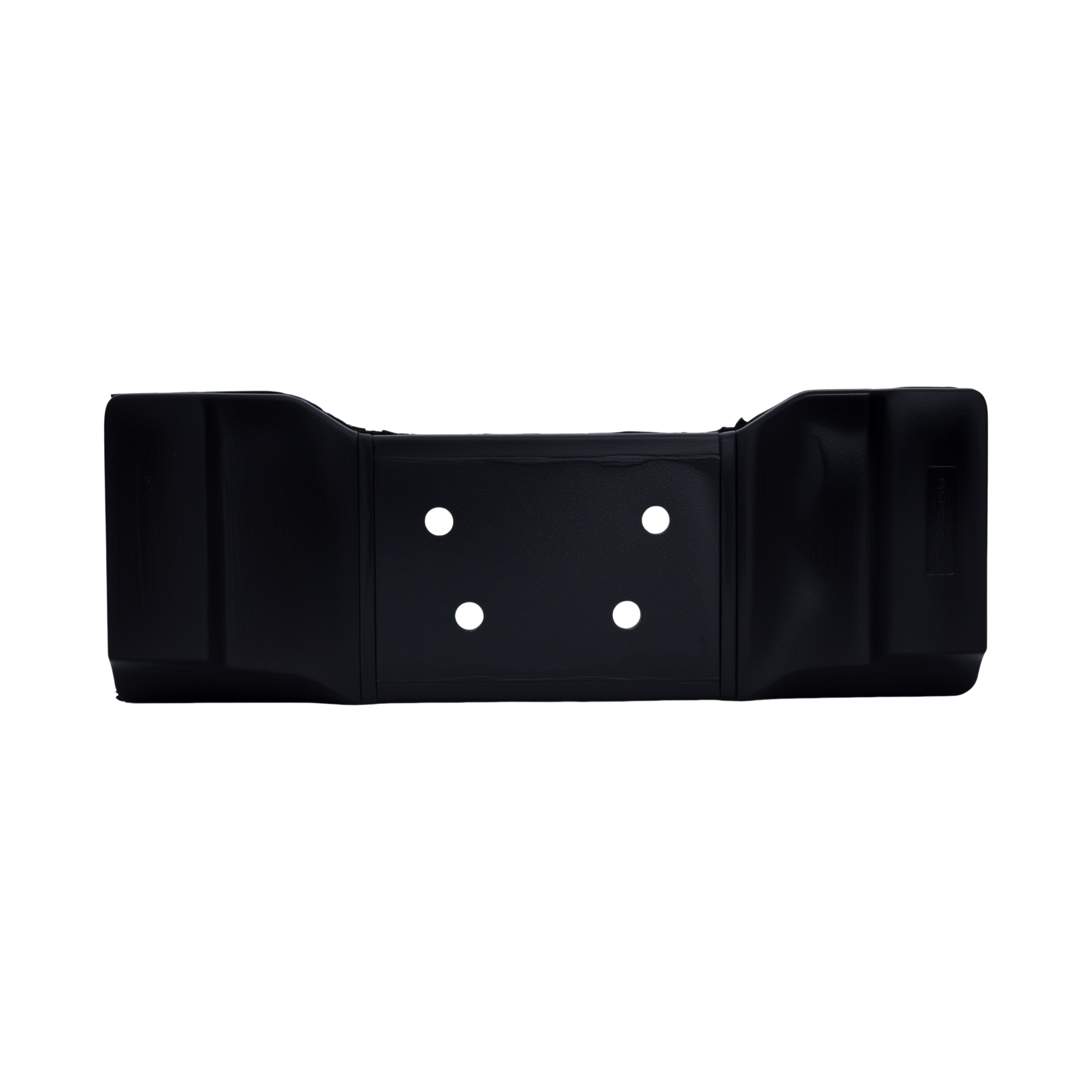
When I consider the key features of chain-on rubber track pads, several aspects stand out that significantly enhance their performance and longevity. Understanding these features can help you make informed decisions when purchasing.
- Durability: The durability of chain-on rubber track pads is paramount. They often utilize high-quality materials that withstand harsh conditions. For instance, the following materials contribute to their robustness:
Material Type Properties Natural Rubber Excellent elasticity, resilience, and resistance to tearing; ideal for constant flexing. Synthetic Rubber (SBR, EPDM) Enhanced resistance to UV, ozone, oil, and extreme temperatures; suitable for harsh conditions. Steel Reinforcement Provides strength, prevents elongation, and maintains dimensional stability under load. Thermoplastic Elastomer (TPE) Superior elasticity and processability; recyclable and withstands repeated flexing. Cord and Fabric Layers High-strength materials like nylon and Kevlar enhance durability and tear resistance. Higher tensile strength in rubber compounds leads to improved resistance against wear, cracking, and deformation under load. The use of materials like steel reinforcement and high-strength fabrics enhances the durability and performance of track pads.
- Specialized Rubber Compounds: Different rubber compounds cater to specific applications. For example, the E15 rubber compound is designed for asphalt pavers, offering heat and oil resistance that minimizes surface deterioration. The E22 compound, used for excavators, features cut and tear resistance to withstand rugged surfaces. Lastly, the E30 compound, tailored for heavy machinery like cold planers, provides exceptional durability with low heat generation, significantly prolonging service life.
- Anti-Vibration Features: One of the standout features of chain-on rubber pads is their anti-vibration capabilities. These features absorb vibrations, enhancing operator comfort. They also reduce mechanical stress on machinery, contributing to longevity. This results in decreased wear on undercarriage components, suspension systems, and hydraulic assemblies.
- Traction and Stability: The design of chain-on rubber track pads ensures superior traction on various surfaces. Their robust construction enhances safety and productivity on job sites. I have noticed that they significantly reduce the risk of tipping and improve control during operation, making them ideal for heavy-duty applications.
Benefits of High-Quality Chain-On Rubber Track Pads
Investing in high-quality chain-on rubber track pads brings numerous advantages that can significantly enhance the performance of heavy machinery. From improved traction to reduced maintenance costs, these pads offer a range of benefits that I have personally experienced in the field.
Enhanced Traction and Stability
One of the most notable benefits of excavator chain-on rubber pads is their ability to provide enhanced traction. I have found that these pads grip various surfaces effectively, minimizing slippage during operation. This feature is particularly beneficial when working on uneven or slippery terrains. The design ensures a secure fit, which reduces the risk of tipping. Here’s a summary of the operational benefits:
| Benefit | Description |
|---|---|
| Enhanced Traction | Chain-on rubber track pads provide superior grip on various surfaces, minimizing slippage. |
| Improved Stability | Their design ensures a secure fit, reducing the risk of tipping on uneven terrains. |
| Operational Efficiency | By maintaining uniform ground contact, they enhance handling and reduce wear on components. |
| Durability | These pads contribute to long-term savings by extending equipment lifespan and minimizing repairs. |
Reduced Maintenance Costs
High-quality chain-on rubber track pads also play a crucial role in reducing overall maintenance costs for heavy machinery. I have noticed that these pads absorb impacts and vibrations, which minimizes undercarriage friction. This leads to less frequent replacements and lower maintenance needs. Here are some key points regarding maintenance savings:
- Rubber track pads provide a softer contact with hard surfaces, absorbing impacts and vibrations.
- This absorption minimizes undercarriage friction and reduces track slippage.
- The result is less frequent replacements and lower maintenance needs.
Minimizing Ground Damage
Another significant advantage of using chain-on rubber track pads is their ability to minimize ground damage at construction sites. I have seen firsthand how these pads prevent metal tracks from digging into the ground, helping to avoid the creation of ruts and trenches. This reduction in ground disruption enhances safety for workers and protects delicate surfaces. Here’s how they contribute to ground protection:
- Rubber pads prevent metal tracks from digging into the ground.
- They help avoid the creation of ruts and trenches.
- This reduction in ground disruption enhances safety for workers.
Improved Fuel Efficiency
Lastly, high-quality chain-on rubber track pads can positively impact fuel efficiency in tracked machinery. I have observed that these pads lower rolling resistance, which leads to improved fuel efficiency. This reduction in fuel consumption not only lowers operational costs but also decreases emissions. Here are the key points:
- High-quality chain-on rubber track pads lower rolling resistance.
- This reduction in rolling resistance leads to improved fuel efficiency.
- Lower fuel consumption results in reduced operational costs and emissions.
How to Choose the Right Chain-On Rubber Track Pads
Choosing the right chain-on rubber track pads can significantly impact your machinery’s performance. I have learned that several key factors should guide your decision-making process:
- Equipment Compatibility: Assess the weight and type of your machinery. Ensure the track pads meet specific requirements for optimal performance.
- Work Environment: Consider the terrain and conditions where you will operate. Chain-on pads excel on rough surfaces, while bolt-on pads are better suited for stable ground.
- Budget Constraints: Evaluate your costs and prioritize features. While chain-on pads may have higher upfront costs, they often provide better adaptability and longevity.
I have also noticed common mistakes that buyers make when selecting these pads. Avoiding these pitfalls can save you time and money:
- Selecting low-quality rubber tracks can lead to premature wear and reduced equipment lifespan.
- Mismatching the track shoe type with your application can cause excessive wear and damage.
- Using inappropriate shoe widths for the ground type can increase wear on the undercarriage.
When purchasing, look for certifications and quality standards to ensure you make a sound investment. Here are some essential certifications to consider:
- ISO 9001: This certification indicates adherence to quality management standards.
- Request material test reports and review production process documentation.
- Conduct a factory audit to verify the manufacturer’s quality control systems.
By keeping these factors in mind, you can make an informed decision that enhances your machinery’s efficiency and durability.
Where to Buy Chain-On Rubber Track Pads
When it comes to purchasing chain-on rubber track pads, I have found several reliable options. Buyers can choose between online marketplaces and local dealers, each offering unique advantages.
Online Marketplaces
Online platforms often provide a wider variety of products. For instance, I have seen that sites like BLS Enterprises and Gator Track offer extensive selections of rubber track pads. These platforms emphasize durability and cost-effectiveness, which can lead to better pricing. The rubber crawler track market has shown significant growth, with sales increasing from $5 million in 2019 to $25 million by 2023. This trend indicates that online marketplaces may be better positioned to meet rising demand.
| Online Marketplace | Product Variety |
|---|---|
| BLS Enterprises | Wide range of rubber track pads, various types and brands |
| Gator Track | Extensive selection of rubber crawler tracks and mini tracks |
Local Dealers
While local dealers may not offer the same range of products, they can provide personalized service. I appreciate the ability to discuss my specific needs with knowledgeable staff. However, I have noticed that local dealers may not always be as competitively priced as online options.
Leading Suppliers
Here are some leading suppliers and manufacturers of chain-on rubber track pads globally:
| Company Name | Description |
|---|---|
| Camso | A leading global player in the rubber tracks market with strong OEM partnerships and a significant dealer network. |
| McLaren Industries | Focuses on high-durability, application-specific track systems and has a strong aftermarket distribution network. |
| Bridgestone Corporation | A key leader in the rubber tracks market, known for innovative product launches. |
| Global Track Warehouse | A prominent supplier in the rubber tracks market. |
| Grizzly Rubber Tracks | Another significant player in the rubber tracks market. |
| Yachoo Rubber Track | Leads the global market with innovations in material science and engineering. |
| Ocean Rubber Factory | Manufacturer of rubber track pads for military applications with over 25 years of experience. |
| VEJEETRACK | Known for quality rubber tracks with over 20 years of industry expertise. |
When purchasing, I recommend checking warranty and after-sales support options. Look for sellers that offer clear warranty support, responsive help with returns, and fitment assistance. This ensures a smooth buying experience and long-term satisfaction.
Pricing Considerations for Chain-On Rubber Track Pads
When I evaluate the pricing of chain-on rubber track pads, I consider several key factors that can significantly impact my investment. First, the quality of materials plays a crucial role in determining the price. High-quality rubber compounds, such as reinforced or hybrid materials, enhance durability and performance. These compounds resist cutting, tearing, and wear, ensuring long-lasting performance. Here are some aspects to keep in mind:
- Durability: Cheaper rubber tracks may lead to higher long-term expenses due to increased maintenance and more frequent replacements.
- Performance: Users often face unexpected repair costs from mechanical failures caused by low-quality tracks.
- Reputation: A strong brand reputation reflects consistent quality and customer satisfaction. Brands with high ratings are often more reliable.
I have found that investing in high-quality chain-on rubber track pads can extend equipment lifespan by up to 20%. This extension leads to significant operational cost savings. Additionally, these pads help comply with environmental regulations by reducing soil compaction and lowering noise pollution levels.
While the initial cost may seem higher, the long-term savings can outweigh the upfront investment. I recommend considering the total cost of ownership rather than just the purchase price. This approach helps avoid operational inefficiencies that arise from frequent repairs and lost revenue due to downtime.
Remember, investing in quality now can save you money in the future!
Choosing high-quality chain-on rubber track pads is crucial for maximizing machinery performance. I recommend considering these key factors:
- Supplier reliability ensures ongoing support.
- Product quality impacts durability and performance.
- Understand the reason for replacement.
- Compare track weights for quality assurance.
- Review warranty terms carefully.
Make informed decisions based on your specific needs.
FAQ
What maintenance do chain-on rubber track pads require?
I recommend regular cleaning and inspection for wear or damage. Replace pads showing cracks or excessive wear to maintain optimal performance and safety.
How long do chain-on rubber track pads typically last?
With proper use and maintenance, these pads last between 1,200 to 2,000 operating hours, depending on terrain and workload intensity.
Can I install chain-on rubber track pads myself?
Installation requires specialized tools and knowledge. I advise professional installation to ensure secure fitment and avoid damage to the track system.

Post time: Apr-07-2026