Selecting the right ASV Loader Tracks makes every job site more productive. Operators see better traction, durability, and cost savings when tracks match the ground conditions. The right track width andground contact area help reduce soil compaction and boost performance.
| Specification | Value | Benefit |
|---|---|---|
| Ground Pressure | 3.3 psi | Reduces soil damage on soft terrain |
| Track Width | 11 in | Improves stability and grip |
| Length of Track on Ground | 55 in | Increases traction on uneven surfaces |
| Ground Contact Area | 1210 in² | Lowers pressure for sensitive environments |
Key Takeaways
- Choose ASV loader tracks that match your terrain to improve traction, reduce soil damage, and boost machine performance.
- ASV loader tracks use advanced materials and designs that increase durability, prevent derailment, and lower maintenance needs.
- Regular inspection, proper track tension, and timely replacement keep your loader safe, extend track life, and save money.
Understanding ASV Loader Tracks
ASV Loader Tracks and Their Role
ASV loader tracks play a vital role in helping operators tackle tough jobs with confidence. These tracks support machines as they move across mud, snow, gravel, and uneven ground. Operators rely on the patented Posi-Track® undercarriage, which uses dual-level suspension to glide smoothly over rough terrain. Flexible Polycord tracks hug the ground, giving each machine superior traction and durability. The no-derailment track guarantee keeps operators safe by preventing unexpected failures. Best-in-class ground clearance lets machines handle obstacles with ease. Operators also benefit from a pressurized cab system that keeps dust and debris outside, making every job safer and more comfortable.
Tip: A smaller machine footprint allows work in tight spaces, increasing versatility for landscaping, construction, and agriculture.
Unique Features of ASV Loader Tracks
ASV loader tracks stand out from traditional tracks because of their advanced design and materials. Flexible rubber with internal positive drive sprockets reduces friction and extends track life. The Posi-Track undercarriage offers up to four times more ground contact points, lowering ground pressure and reducing soil compaction. Guide lugs on bogie wheels nearly eliminate derailment risks, even on steep slopes. Advanced rubber compounds resist cuts, tears, heat, and wear. Reinforced internal steel links and drop-forged inserts add strength and durability. The open-rail undercarriage design lets debris fall away, cutting down on maintenance. Specialized tread patterns help machines grip mud, snow, and slopes with ease. Operators enjoy smoother rides, less vibration, and longer service life—often reaching 1,500+ hours. Maintenance costs and downtime drop, while a comprehensive warranty gives owners peace of mind.
Key Considerations for ASV Loader Tracks Selection
Terrain Types and Track Requirements
Every job site brings its own challenges. Some locations have soft, muddy ground. Others have hard-packed dirt, gravel, or even snow. Operators must match their ASV Tracks to the terrain for the best results. Wide tracks with low ground pressure work well in swampy or sandy areas. These tracks help machines float instead of sinking. Narrower tracks suit firm ground and tight spaces.
Note: Operators who choose the right track for the terrain see less wear and better performance.
Track Material and Tread Patterns
The material and tread pattern of a track shape how a loader moves and grips the ground. ASV Loader Tracks use a special rubber-on-rubber design. This feature improves ride quality and reduces wear on both the machine and the track. High-strength polyester wires run along the length of each track. These wires help prevent stretching and derailment, even on rough ground.
Different tread patterns offer unique benefits:
- Multi-bar patterns give strong forward traction in soft, loose terrain. They clean themselves by pushing out mud and dirt.
- C-lug patterns provide grip in many directions and reduce vibration. Their design keeps material from packing in, so traction stays strong.
- Block patterns spread out the machine’s weight. They work well on hard surfaces and give a smooth ride.
Operators can also choose tracks with wider spacing for mud, staggered patterns for snow, or closer spacing for hard surfaces. Each pattern helps the loader perform its best in different conditions.
Durability and Wear Resistance
Durability means more time working and less time fixing. ASV rubber Tracks use advanced rubber compounds that resist cuts, tears, and heat. The rubber structure, reinforced with flexible ropes, lets the track bend without cracking. Unlike steel, this material will not rust or break from repeated use. Owners see longer track life and fewer replacements.
A completely suspended frame and special tire-to-track contact areas also help reduce wear. These features protect both the loader and the track, even during long hours on tough terrain.
Traction, Stability, and Flotation
Traction keeps the loader moving forward. Stability keeps it upright and safe. Flotation lets it glide over soft ground without sinking. ASV Loader Tracks deliver all three. The adaptable ropes inside the track let it follow the shape of the ground. This design increases grip and helps the loader stay stable on slopes or uneven surfaces.
Operators who check track tension often see better results. Here are some tips for maximizing flotation and stability:
- Check track tension more often in mud, snow, or sand. Buildup can change tension and affect how the loader moves.
- Choose wide, low-pressure tracks for soft ground. These tracks help the loader float and stay stable.
- Keep tracks aligned and well-maintained. This reduces wear and keeps tension just right.
- Plan work based on ground conditions. Pick tracks that balance flotation and traction.
- Use careful driving techniques. Avoid sharp turns and high speeds to keep tracks in good shape.
- Limit travel on slopes and rough ground. This helps tracks last longer and keeps tension steady.
Maintenance and Replacement Costs
Smart owners know that regular care saves money. ASV Tracks need less maintenance because of their advanced design. The open-rail undercarriage lets debris fall away, so less cleaning is needed. The rubber-on-rubber contact reduces friction and wear. Operators should inspect tracks often for signs of damage or stretching. Replacing tracks at the right time prevents bigger problems and keeps the loader working at its best.
Tip: Investing in quality tracks and regular maintenance leads to fewer breakdowns, lower costs, and more time on the job.
Matching ASV Loader Tracks to Your Application
Common Use Cases and Industry Applications
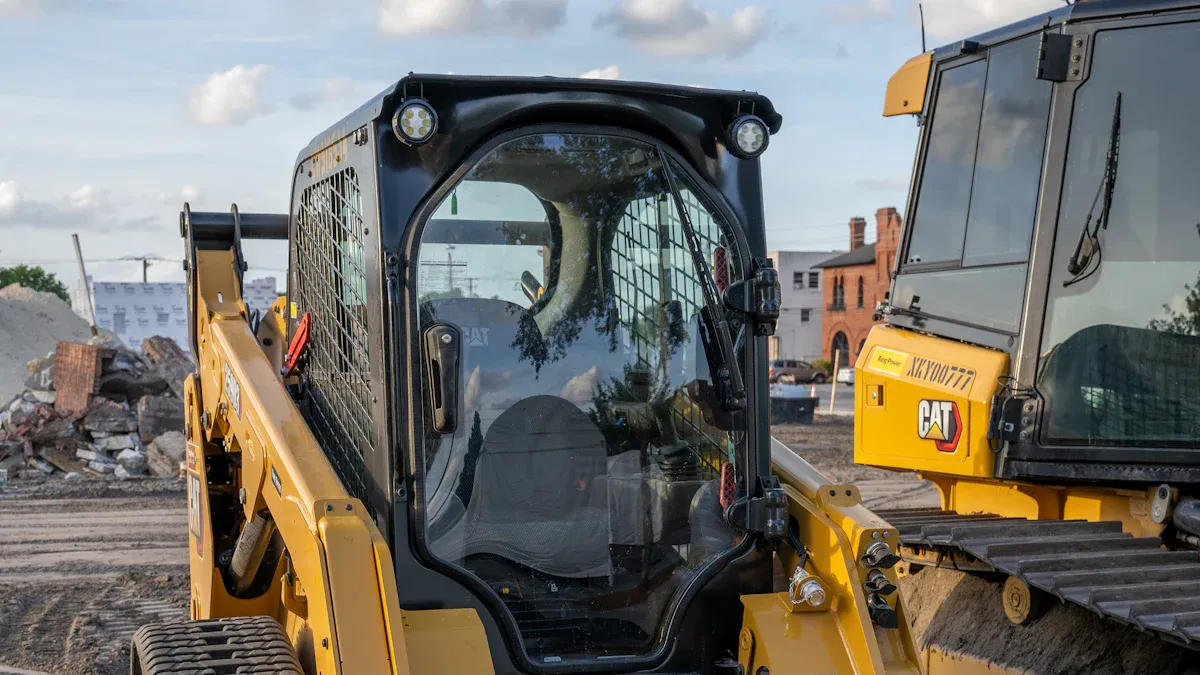
Every job site brings its own set of challenges. Operators in different industries rely on the right loader tracks to get the job done. Construction crews often choose compact track loaders for dirt work and demolition. These machines handle rough ground and heavy loads with ease. Landscapers prefer tracks that protect delicate lawns and gardens. They need flotation and low ground disturbance to keep grass and soil healthy.
Many companies in agriculture use loaders to move feed, clear land, or haul materials. Tracks with strong traction help them work in muddy fields or on uneven ground. In snow removal, operators need tracks that grip icy surfaces and keep the machine stable. Mining and forestry teams look for durability and resistance to sharp rocks or debris.
Manufacturers like Caterpillar and Bobcat see a growing demand for tracked loaders in jobs that need better flotation and less ground impact. Operator control technologies, such as digital interfaces and low-effort hydraulic controls, make it easier to match the loader to each task. Telematics systems help track machine functions, schedule maintenance, and improve security. These features support operators in every sector.
Success Story: A landscaping company switched to ASV Loader Tracks for their soft-surface projects. They saw less turf damage, smoother rides, and faster job completion. Their clients noticed the difference and gave glowing reviews.
Industry Applications at a Glance
- Construction: Dirt work, demolition, grading, and site prep
- Landscaping: Lawn installation, garden work, and soft-surface projects
- Agriculture: Field work, feed handling, and land clearing
- Snow Removal: Clearing lots, driveways, and icy surfaces
- Mining/Forestry: Hauling, debris removal, and rough terrain
Environmental and Weather Factors
Weather and ground conditions change every day. Operators must choose loader tracks that perform well in all environments. Wet, muddy ground calls for tracks with wide treads and strong flotation. These tracks help machines glide over soft surfaces without sinking. Dry, hard-packed soil needs tracks with tighter tread patterns for smooth rides and less vibration.
Snow and ice present their own challenges. Tracks with staggered or block patterns grip slippery surfaces and keep the loader stable. In hot weather, advanced rubber compounds resist heat and wear. Operators in rocky areas benefit from tracks that flex without cracking and resist sharp objects.
ASV Loader Tracks feature a completely suspended frame and special rubber-on-rubber contact areas. These design elements improve ride quality and reduce wear, even in tough conditions. High-strength polyester wires inside the tracks prevent stretching and derailment. Operators can keep working in any season, knowing their equipment will perform.
Tip: Always check the weather forecast before starting a job. Choose the right tracks for the day’s conditions to boost productivity and protect your machine.
Maximizing ASV Loader Tracks Performance
Proper Installation and Track Tension
Proper installation sets the stage for success. When operators install tracks with care, they help the loader perform at its best. Track tension matters. If tracks are too loose, they can slip or derail. If too tight, they wear out faster. Operators should follow the manufacturer’s guidelines for tension. They can use a tension gauge or check for the right amount of sag. A well-tensioned track hugs the ground and gives the loader more grip. This simple step helps prevent costly repairs and keeps the machine running smoothly.
Regular Inspection and Maintenance
Routine care brings out the best in every loader. Operators who check their ASV Loader Tracks daily spot problems before they grow. Cleaning tracks and the undercarriage removes mud and debris that can cause damage. Lubricating key parts keeps everything moving freely. Digital tools help track wear and predict when service is needed. With the right schedule, track life can jump from 500 hours to over 1,200 hours. Owners see fewer breakdowns and lower costs. Here are some top maintenance habits:
- Inspect tracks daily for damage or wear.
- Clean tracks and undercarriage every day.
- Check and adjust track tension often.
- Lubricate rollers, sprockets, and pivot points.
- Perform deep inspections every 500 to 1,000 hours.
- Use digital monitoring tools for predictive care.
When to Replace ASV Loader Tracks
Every track has a lifespan. Operators should watch for signs like deep cracks, missing lugs, or loss of traction. If the loader starts to slip or feels unstable, it may be time for new tracks. Replacing tracks at the right moment keeps the loader safe and productive. Owners who act early avoid bigger repairs and keep their teams moving forward. With regular care, ASV Loader Tracks deliver long-lasting performance and help every operator reach new goals.
Success begins with understanding the terrain and job needs. Operators who evaluate material, tread pattern, and durability make smart choices. Regular care extends track life. Wise buyers assess their requirements before purchasing. Every step leads to better performance and lasting value.
FAQ
How often should operators inspect ASV loader tracks?
Operators should inspect tracks daily. Early detection of wear or damage keeps machines running smoothly and extends track life.
What makes ASV loader tracks suitable for all terrains?
ASV loader tracks use advanced rubber, high-strength polyester wires, and all-terrain tread. These features deliver traction, durability, and performance in any environment.
Can operators install ASV loader tracks themselves?
- Yes, operators can install tracks by following the manufacturer’s instructions.
- Proper installation ensures safety, stability, and optimal performance.

Post time: Jul-03-2025