
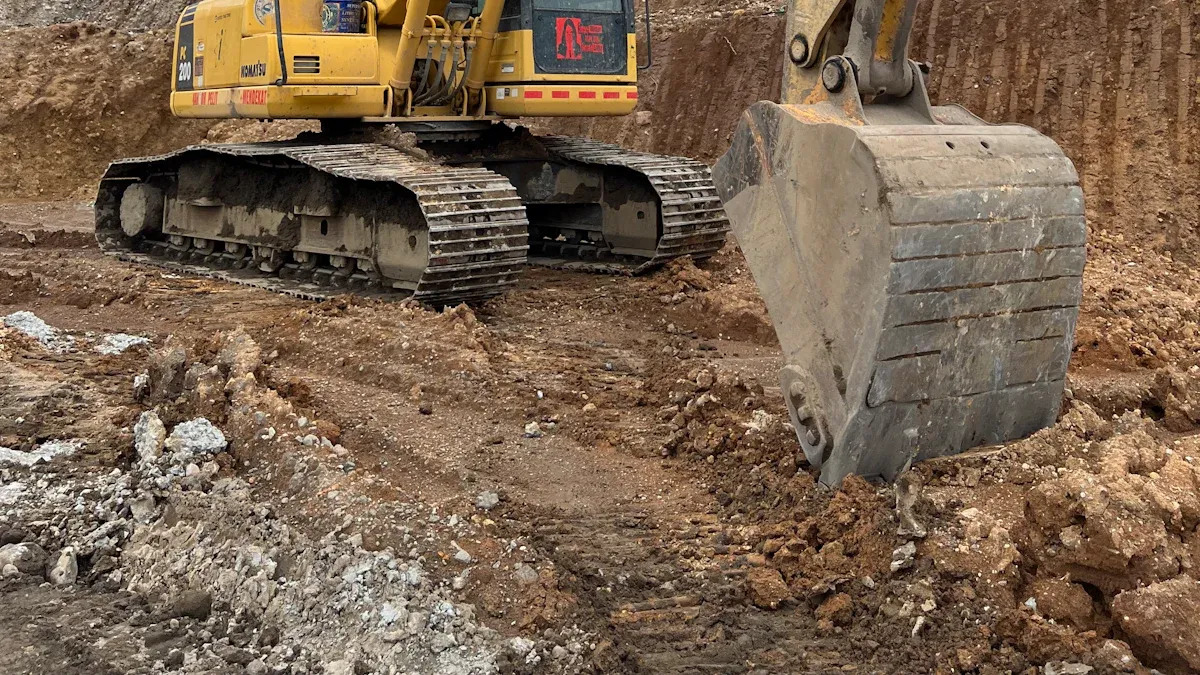
Excavator track pads are specialized components. They attach to the track chains of heavy excavators. These pads provide the crucial interface between the machine and the ground. Their primary function involves distributing the excavator’s substantial weight. This action protects underlying surfaces from damage. The pads also ensure the machine maintains optimal traction across diverse terrains.
Key Takeaways
- Excavator track pads protect the ground from damage. They spread the machine’s heavy weight. This stops cracks in surfaces like asphalt.
- Track pads make excavator parts last longer. They absorb bumps and shocks. This means fewer repairs for the machine’s undercarriage.
- Different jobs need different track pads. Rubber pads protect soft ground. Steel pads work best on rough ground.
The Core Function of Excavator Track Pads

How Excavator Track Pads Protect Surfaces
Excavator track pads perform a critical role in surface protection. They distribute the heavy weight of the excavator over a larger area. This action significantly reduces ground pressure. Without these pads, the sharp edges of steel tracks would dig into and damage various surfaces. For example, they prevent cracks in asphalt or concrete. They also protect delicate landscapes like lawns or golf courses. Choosing the correct type of excavator track pads ensures minimal impact on the work site. This preserves the integrity of finished surfaces.
Reducing Undercarriage Wear with Excavator Track Pads
The undercarriage of an excavator includes many vital parts. Rollers, idlers, sprockets, and track chains are among them. These components experience constant stress during operation. Track pads act as a protective layer. They absorb shocks and impacts from uneven terrain. This cushioning effect reduces direct wear on the metal undercarriage parts. Less friction and impact mean these expensive components last longer. Operators save money on repairs and replacements. This extends the overall service life of the excavator’s undercarriage.
Noise Reduction and Cushioning Benefits
Operating heavy machinery often creates significant noise and vibration. Excavator pads, especially those made from rubber or polyurethane, offer excellent noise reduction. They dampen the vibrations that travel through the machine. This makes the work environment quieter. Reduced noise benefits both the operator and nearby communities. Furthermore, these pads provide a cushioning effect. They absorb bumps and jolts from rough ground. This results in a smoother ride for the operator. A more comfortable operator experiences less fatigue. This can lead to increased productivity and safety on the job site.
Types of Excavator Track Pads and Their Applications
Excavators work in many different environments. Therefore, various types of excavator track pads exist. Each type offers specific benefits for different jobs and ground conditions. Understanding these types helps operators choose the best option.
Rubber Excavator Track Pads
Rubber excavator track pads are a popular choice. Manufacturers make them from durable rubber compounds. These pads excel at protecting sensitive surfaces. They prevent damage to asphalt, concrete, and finished landscapes. Rubber pads also reduce noise and vibration. This makes them ideal for urban construction sites or residential areas. They offer good traction on hard surfaces without causing harm.
Polyurethane Excavator Track Pads
Polyurethane excavator track pads provide a tougher alternative to rubber. Polyurethane is a highly durable plastic material. These pads resist cuts and tears better than rubber. They also offer excellent surface protection and noise reduction. Polyurethane pads often last longer than rubber pads. Operators choose them for jobs requiring more durability but still needing surface care. They work well on mixed terrains.
Steel Track Pads with Inserts
Steel track pads with inserts combine the strength of steel with the protection of softer materials. These pads feature a steel base. Manufacturers embed rubber or polyurethane inserts into this base. The steel provides robust support and traction on rough ground. The inserts protect surfaces and reduce impact. This hybrid design offers versatility. It suits jobs that require both heavy-duty performance and some level of ground preservation.
Clamp-On Mounting for Excavator Track Pads
Clamp-on mounting is a simple way to attach excavator rubber pads. These pads use clamps to secure themselves directly onto existing steel grousers. Operators do not need to drill holes into the track shoes. This method allows for quick installation and removal. It is perfect for temporary jobs or when operators frequently switch between steel tracks and protective pads. Clamp-on pads offer flexibility.
Bolt-to-Shoe Mounting for Excavator Track Pads
Bolt-to-shoe mounting provides a very secure connection. With this method, operators bolt the track pads directly to the steel track shoes. This creates a strong and permanent attachment. It ensures the pads stay firmly in place during heavy operation. This mounting style is common for long-term applications. It is suitable when the protective pads will remain on the excavator for extended periods.
Bolt-to-Link/Chain Mounting for Excavator Track Pads
Bolt-to-link/chain mounting is another secure attachment method. Here, the pads bolt directly to the track chain links. This design integrates the pad closely with the track system. It offers excellent stability and durability. Manufacturers often use this method for original equipment. It is also common for specialized track designs where a very robust connection is necessary.
Mold-On Excavator Track Pads
Mold-on excavator track pads represent a premium option. Manufacturers mold the rubber or polyurethane material directly onto a steel core. This process creates an extremely strong bond between the protective material and the steel. It prevents separation, which can be an issue with other designs. Mold-on pads offer a low profile and exceptional durability. They are ideal for high-performance applications and long-lasting use.
Benefits and Future of Excavator Track Pads in 2025
Enhanced Traction and Stability
Excavator track pads significantly improve machine performance. They provide superior grip on diverse surfaces. Operators experience better control on slopes and uneven ground. This enhanced traction reduces slippage. It also increases safety for the operator and crew. Stable excavators work more efficiently.
Reduced Maintenance and Extended Equipment Life
Proper track pads protect the excavator’s undercarriage. They absorb impacts and reduce friction. This minimizes wear on rollers, sprockets, and chains. Less wear means fewer costly repairs. Equipment components last longer. This extends the overall service life of the excavator.
Operational Efficiency and Cost Savings
Efficient track pads contribute to faster project completion. Machines move smoothly and maintain productivity. Reduced downtime for maintenance saves money. Operators avoid expensive component replacements. These savings improve a project’s bottom line. They make operations more profitable.
Innovations and Trends for Excavator Track Pads in 2025
The future of excavator track pads looks promising. Manufacturers develop new, more durable materials. Expect lighter, stronger compounds. Smart pads with embedded sensors may monitor wear in real-time. This allows for predictive maintenance. Sustainable, recyclable materials will also become more common. These innovations will further enhance performance and environmental responsibility.
Excavator track pads play an indispensable role. They boost operational efficiency and preserve surfaces. These components ensure smooth machine movement and protect the ground. Future innovations will bring more durable and smarter track pad technology. This will further enhance performance and sustainability in construction.
FAQ
What is the main purpose of excavator track pads?
Excavator track pads distribute the machine’s weight. They protect surfaces and improve traction. Pads also reduce wear on the undercarriage.

Post time: Oct-31-2025