
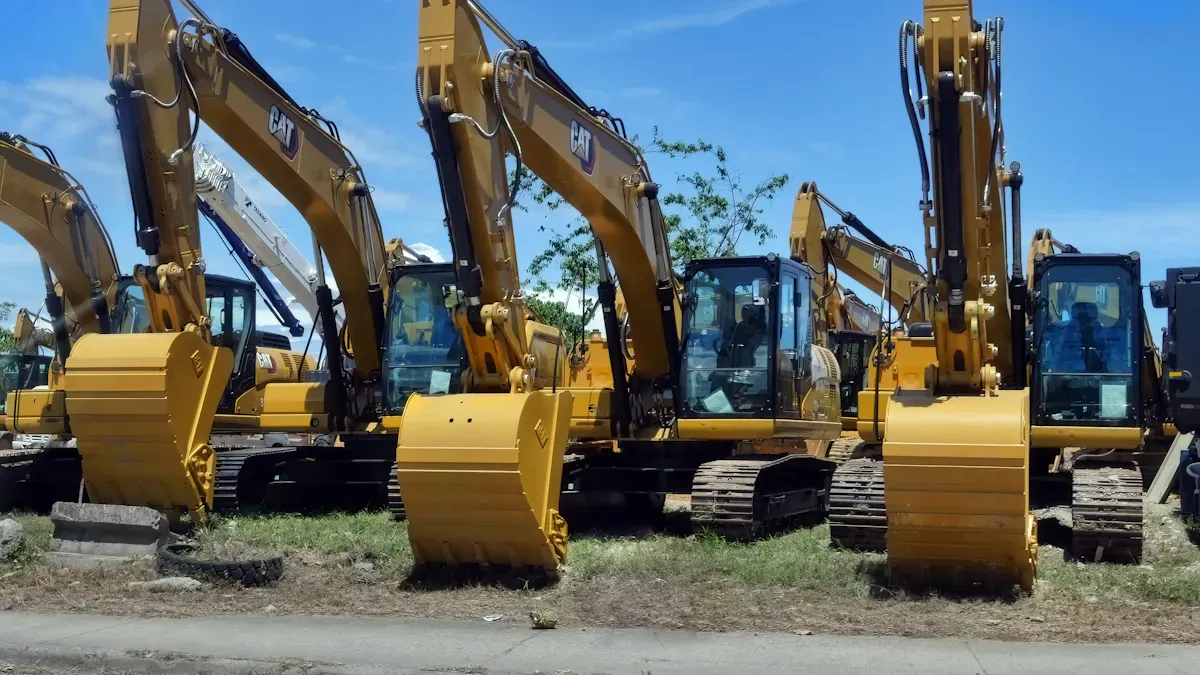
I have found that Chain-On rubber track pads offer remarkable performance and durability compared to Clip-On rubber track pads. Their design enhances traction and stability, making them ideal for demanding tasks. I believe that choosing chain on rubber track pads can significantly improve equipment efficiency and extend its lifespan.
Key Takeaways
- Chain-On rubber track pads provide superior traction on various surfaces, enhancing safety and productivity on job sites.
- Their robust design ensures stability, reducing the risk of tipping and improving control during operation.
- Investing in Chain-On rubber track pads can lead to significant long-term savings by minimizing repair costs and extending equipment lifespan.
Performance Comparison of Chain-On Rubber Track Pads

Traction
I have observed that Chain-On rubber track pads excel in providing traction across various surfaces. Their design ensures a secure fit around the track shoe, which enhances grip and stability. Here are some key points regarding their performance:
- Chain-On rubber track pads perform exceptionally well on asphalt, concrete, and dirt.
- They minimize slippage, making them suitable for challenging terrains.
- The chain system design allows for flexibility, which is particularly beneficial on uneven surfaces.
This superior traction not only improves safety but also enhances productivity on the job site.
Stability
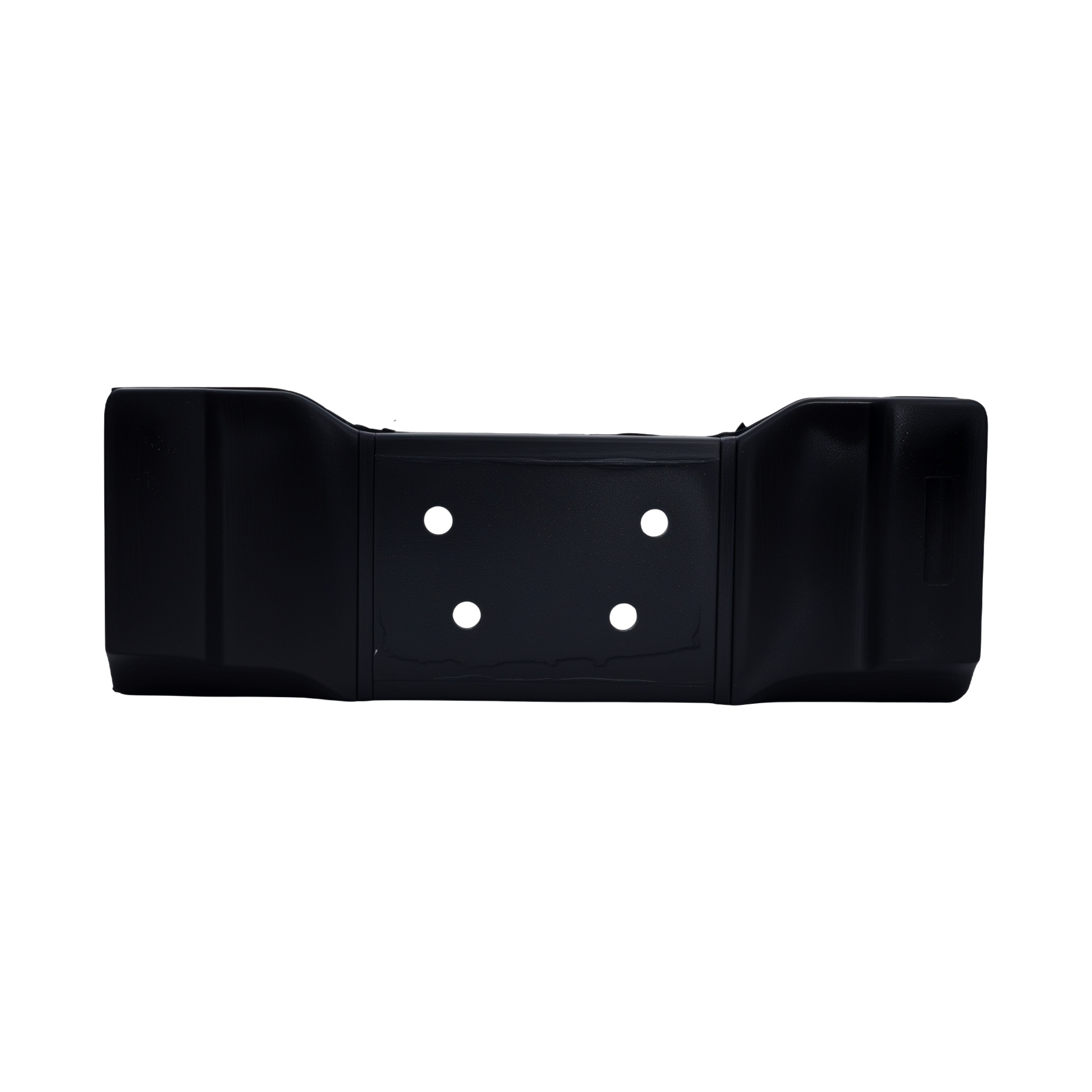
Stability is another critical factor where Chain-On rubber track pads shine. I have found that their robust construction contributes to a more stable operation, especially when navigating rough or uneven ground. The following aspects highlight their stability:
- The tight grip provided by the chain system reduces the risk of the machine tipping over.
- These pads maintain consistent contact with the ground, which helps in distributing weight evenly.
- They are designed to handle heavy loads without compromising stability.
This stability translates into better control and precision during operation, which is essential for tasks that require accuracy.
Operational Efficiency
When it comes to operational efficiency, Chain-On excavator pads offer several advantages. While they may add some weight to compact or mid-sized machines, the benefits often outweigh the drawbacks. Here’s what I have experienced:
- The additional weight can lead to higher fuel consumption in diesel-powered equipment. However, the increased traction and stability often result in fewer repairs and replacements, ultimately lowering maintenance costs.
- In electric equipment, the added weight affects energy efficiency, but the overall productivity gains can lead to higher output over time.
- Switching to Chain-On rubber track pads can enhance efficiency and productivity, which is crucial for maximizing performance on the job site.
Durability Analysis of Chain-On Rubber Track Pads
Wear Resistance
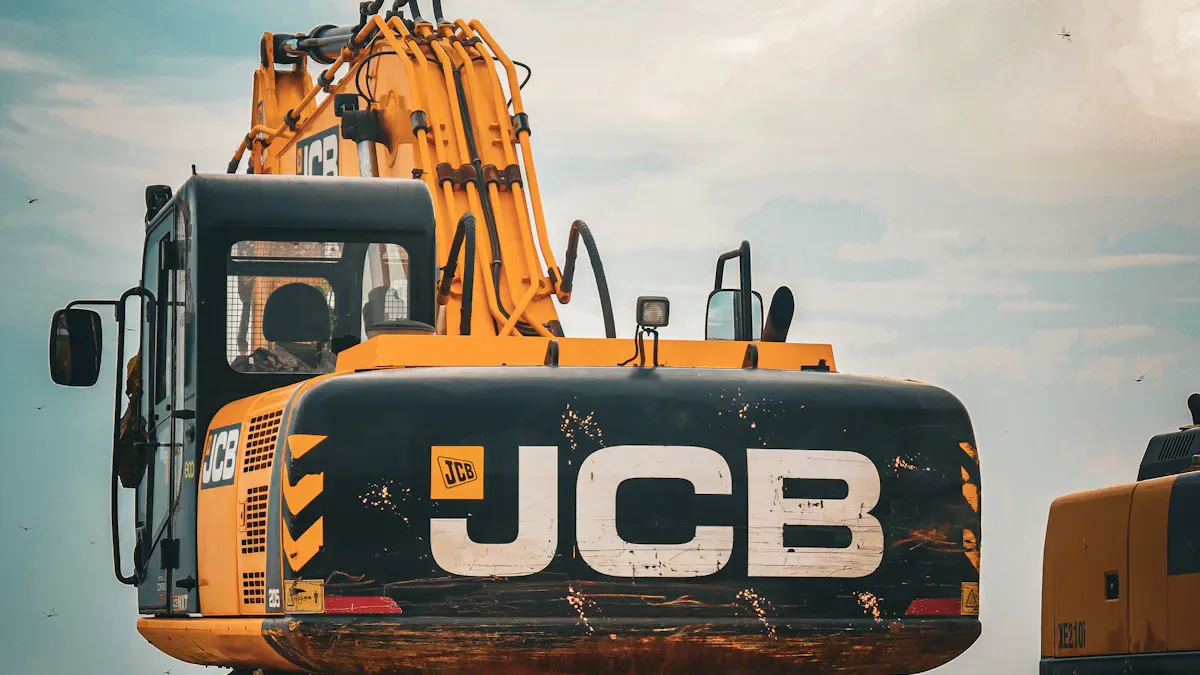
In my experience, wear resistance is a crucial factor when evaluating the durability of Chain-On rubber track pads. These pads are constructed from a variety of materials that enhance their ability to withstand harsh conditions. Here’s a breakdown of the materials and their properties:
| Material Type | Properties |
|---|---|
| Natural Rubber | Excellent elasticity, resilience, and resistance to tearing; ideal for constant flexing. |
| Synthetic Rubber (SBR, EPDM) | Enhanced resistance to UV, ozone, oil, and extreme temperatures; suitable for harsh conditions. |
| Steel Reinforcement | Provides strength, prevents elongation, and maintains dimensional stability under load. |
| Thermoplastic Elastomer (TPE) | Superior elasticity and processability; recyclable and withstands repeated flexing. |
| Cord and Fabric Layers | High-strength materials like nylon and Kevlar enhance durability and tear resistance. |
I have noticed that higher tensile strength in rubber compounds leads to improved resistance against wear, cracking, and deformation under load. The combination of materials like steel reinforcement and high-strength fabrics significantly enhances the durability and performance of these track pads. Additionally, thermoplastic elastomers provide superior abrasion resistance, making them ideal for continuous-duty cycles.
Lifespan
The lifespan of Chain-On rubber track pads is another area where I have seen significant advantages. These pads are designed to endure various environmental conditions, including moisture and temperature changes. Such factors can greatly influence their performance and longevity. I have found that careful material selection is essential to ensure durability in diverse settings.
For instance, the rubber compounds used in these pads are specifically engineered to withstand the rigors of different climates. This means they can perform reliably in both hot and cold environments, as well as in wet conditions. As a result, I have observed that Chain-On rubber track pads often outlast their Clip-On counterparts, providing a better return on investment over time.
Installation Process for Chain-On Rubber Track Pads
Ease of Installation
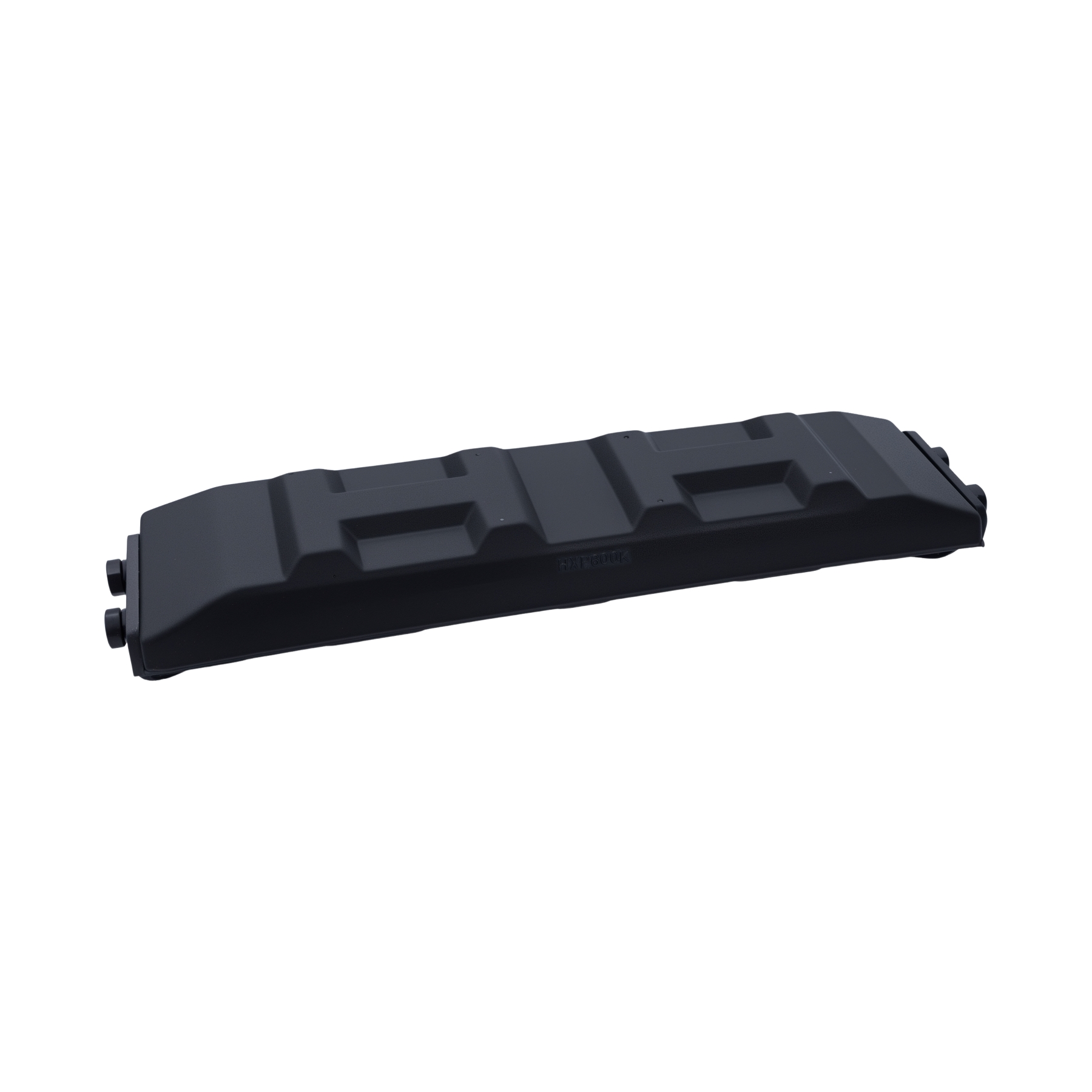
I have found that installing Chain-On rubber track pads requires a more complex process compared to Clip-On rubber track pads. The installation is suitable for larger machines that need adaptability on rough terrain. Here’s a comparison of the installation methods:
| Type | Installation Method | Characteristics |
|---|---|---|
| Chain-On | Requires a more complex installation process, suitable for larger machines. | Provides adaptability on rough terrain, ideal for forestry and mining equipment. |
| Clip-On | Installs easily using a clipping mechanism that attaches to the sides of the track. | Quick to install and remove, ideal for varied projects, but may have a shorter lifespan. |
To install Chain-On rubber track pads, I typically use the following tools:
| Tool/Equipment | Purpose |
|---|---|
| Wrenches and socket sets | To tighten or loosen bolts during installation. |
| Torque wrench | Ensures correct force is applied when tightening bolts. |
| Rubber mallet | Helps adjust the position of the pads without causing damage. |
| Screwdrivers | Essential for handling smaller fasteners or clips. |
| Fasteners or clips | Secure the pads to the track shoes, using provided ones for compatibility. |
Maintenance Requirements
To maximize the lifespan of Chain-On rubber track pads, I recommend following these maintenance practices:
- Conduct daily inspections for cuts, cracks, or debris.
- Check and adjust track tension every 10-20 hours of operation.
- Inspect drive wheels and guide wheels for wear.
- Lubricate moving parts regularly to reduce friction.
- Rinse tracks and undercarriage with a pressure washer to remove dirt.
- Store tracks in a cool, dry place away from direct sunlight.
- Rotate tracks periodically for even wear.
By adhering to these practices, I have seen significant improvements in the longevity and performance of my equipment.
Cost Considerations for Chain-On Rubber Track Pads
Initial Costs
When considering the initial investment in Chain-On rubber track pads, I have found that prices can vary based on the model and specifications. Here’s a breakdown of some common options:
| Model Description | Price Range (USD) |
|---|---|
| 450mm Chain on Rubber Pad for Komatsu Excavators | $28 – $33 |
| EX120-5 171-500 Chain on Rubber Pad | $10 |
| Excavator Track Rubber Pad 450mm for EX110 EX120 EX130 EX135 | $8 – $11 |
While these prices may seem reasonable, I always weigh them against the potential long-term benefits.
Long-Term Value
Investing in Chain-On rubber track pads can lead to significant long-term savings. Here are some key points I have observed:
- High-quality pads minimize replacement and repair costs, reducing overall expenses.
- Cheaper alternatives often require more frequent replacements, leading to higher costs over time.
- Chain-On rubber track pads typically last over 1200 hours, while standard tracks last only 500 to 800 hours. This means fewer replacements per year.
- With a lifespan that allows for replacement only once a year, I save both time and money compared to cheaper options that may need replacing two to three times a year.
- Recent studies indicate that these pads can extend equipment lifespan by 20%, resulting in substantial operational cost savings.
Additionally, many manufacturers offer robust warranties, which reflect their confidence in the product. This assurance minimizes financial risks for buyers like me. However, I remain aware that fluctuations in raw material prices can impact costs. Natural and synthetic rubber prices are key factors that influence the pricing of these pads.
By investing in Chain-On rubber track pads, I not only enhance my equipment’s performance but also secure a better return on investment over time.
In summary, Chain-On rubber track pads offer numerous advantages that enhance performance and durability. They are highly durable, provide superior traction, and minimize ground damage. Their reinforced design ensures longevity, making them ideal for challenging environments. I encourage you to consider Chain-On rubber track pads for your excavators to improve efficiency and extend equipment life.
FAQ
What are the main benefits of Chain-On rubber track pads?
Chain-On rubber track pads offer superior traction, stability, and durability, enhancing overall equipment performance and extending lifespan.
How often should I replace Chain-On rubber track pads?
I recommend replacing them every 1200 hours of use, depending on wear and operating conditions.
Can I install Chain-On rubber track pads myself?
Yes, I can install them with basic tools, but I suggest consulting a professional for optimal results.
Post time: Mar-31-2026