
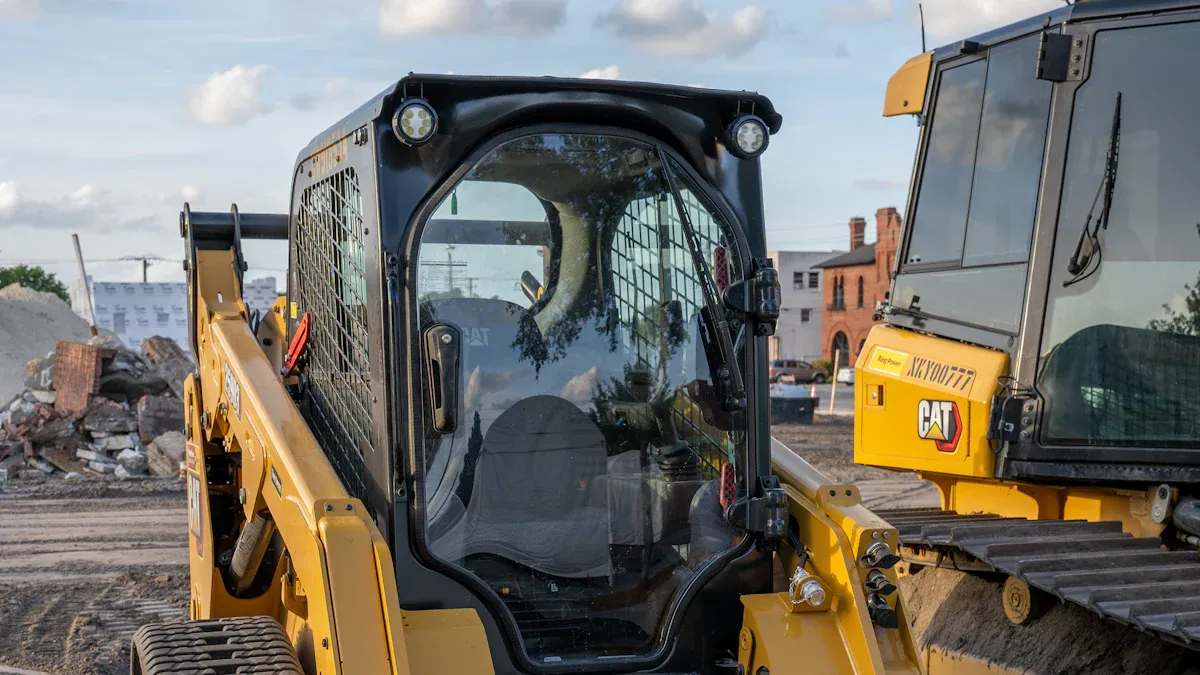
Dumper Rubber Tracks win over steel tracks for most users. They offer better traction, smoother rides, and greater versatility. Market data shows strong growth in rubber track use, thanks to improved durability and lower maintenance costs. People often choose them for their value, long life, and ability to handle many job sites.
Key Takeaways
- Dumper rubber tracks offer better traction, smoother rides, and protect surfaces, making them ideal for most construction and urban jobs.
- Rubber tracks last longer and need less maintenance than steel tracks, saving time and money over their lifespan.
- Steel tracks work best on rocky or demolition sites, but rubber tracks provide more comfort, less noise, and greater versatility overall.
Dumper Rubber Tracks vs Steel: Quick Comparison
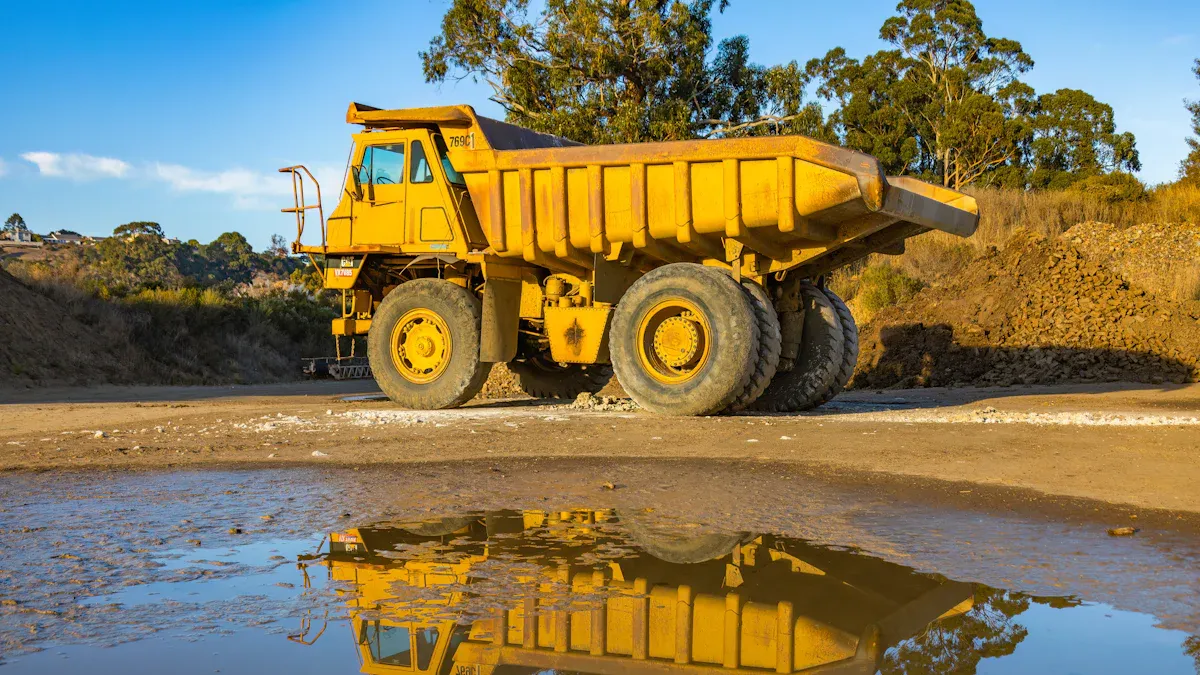
Key Differences at a Glance
Choosing between dumper rubber tracks and steel tracks can feel tricky. Each type has its own strengths. Here’s a quick look at how they stack up:
| Feature | Dumper Rubber Tracks | Steel Tracks |
|---|---|---|
| Surface Protection | Gentle on roads and lawns | Can damage hard surfaces |
| Traction | Excellent on soft, muddy, or rough ground | Strong on rocky or uneven terrain |
| Ride Comfort | Smooth and quiet | Noisy and bumpy |
| Maintenance | Less frequent, easier to replace | More frequent, takes longer |
| Weight | Lighter, easier on machines | Heavier, adds to machine weight |
| Cost | Lower upfront and long-term costs | Higher initial and repair costs |
| Application Range | Versatile, fits many dumpers | Best for heavy-duty, harsh sites |
Tip: Dumper rubber tracks often use advanced materials. For example, some tracks have steel cords wrapped inside and vulcanized steel bands. This design boosts durability and helps the tracks last longer, even in tough conditions.
Here are some quick facts that help highlight the differences:
- Rubber tracks often have a wide surface area, like 750 mm, which spreads out the weight. This keeps ground pressure low—sometimes less than 7 PSI—so they don’t sink into soft soil.
- Modern rubber tracks use a special rubber compound with more Carbon Black. This makes them tougher against cuts and heat.
- Composite rubber tracks can last up to 5,000 km before needing a change. They also save over 415 man-hours in maintenance during their life compared to steel tracks.
- Rubber tracks work well in extreme temperatures, from -25°C to 80°C.
- Many dumpers, like the Bergmann C912s, offer both track types. Operators often pick rubber for better grip and less soil damage.
Dumper rubber tracks stand out for their easy maintenance and smooth ride. Their sturdy build, with heavy-duty steel links inside, gives them great traction and stability. Steel tracks still have a place on rocky or demolition sites, but most users find rubber tracks more versatile and cost-effective.
Dumper Rubber Tracks Performance
Traction and Stability
Dumper Rubber Tracks help machines move easily over soft, muddy, or uneven ground. Their wide surface area spreads the weight, so the tracks do not sink into the soil. Many modern dumpers use a special undercarriage system that keeps the tracks in contact with the ground at all times. This design absorbs bumps and helps the machine stay steady, even on rough terrain. Operators notice that their machines do not slip as much, and they can work in places where regular wheels or steel tracks might get stuck. The steady grip also means less damage to the ground, which is important for jobs on lawns or finished surfaces.
Ride Comfort and Noise
Operators often spend long hours in their machines. Dumper Rubber Tracks make the ride much smoother. The rubber absorbs shocks from rocks and bumps, so the driver feels less vibration. This comfort helps reduce tiredness during long shifts. Rubber tracks also make less noise than steel tracks. People working in cities or near homes appreciate the quieter operation. The lower noise level makes it easier to talk and hear signals on the job site. Many users say that switching to rubber tracks makes their workday more pleasant and less stressful.
Dumper Rubber Tracks Durability and Maintenance
Lifespan and Wear
Dumper Rubber Tracks stand out for their long-lasting design. Many users notice that these tracks can handle tough jobs day after day. The special rubber compound helps them resist cuts and scrapes. This means they do not wear out quickly, even on rocky or uneven ground. Some tracks last for thousands of hours before needing a replacement. The sturdy construction also keeps the tracks from stretching or breaking. Operators often find that their machines stay on the job longer with fewer problems. A longer lifespan means less downtime and more work done.
Tip: Choosing tracks with a unique rubber blend, like the ones from our company, can make a big difference. These tracks last longer and need fewer replacements, which saves money over time.
Maintenance Needs
Taking care of Dumper Rubber Track is simple. Most operators check the tracks for stones or debris after each use. Cleaning the tracks helps prevent damage and keeps them running smoothly. Regular inspections can catch small issues before they turn into big problems. Many people like that these tracks do not need oiling or greasing like steel tracks. Replacing a worn track is quick and easy, so machines get back to work fast. Simple maintenance routines help keep costs low and boost machine uptime.
- Check for debris after every job
- Clean tracks to avoid buildup
- Inspect for signs of wear or damage
- Replace tracks when the tread gets low
Dumper Rubber Tracks Cost and Value
Upfront Cost
When someone looks at the price tag for Dumper Rubber Tracks, they might notice it is higher than steel tracks or regular tires. For example, a large tractor with tires costs about $342,502. If the owner chooses rubber tracks instead, the price jumps to around $380,363. This shows that rubber tracks require a bigger investment at the start. Some people may feel surprised by this difference. The higher cost comes from the advanced materials and special construction used in these tracks. Many buyers see this as paying for better performance and longer life.
Long-term Value
Even though Dumper Rubber Tracks cost more upfront, they often save money over time. These tracks last longer and need fewer repairs. Operators spend less time fixing or replacing them, which means machines can work more. The tracks also protect surfaces, so there is less damage to roads or lawns. This can help avoid extra repair bills. Some owners find that maintenance costs for rubber tracks can reach up to $13,165 each year, but they still choose them because of the value they bring. The tracks help machines move smoothly on many types of ground, making them a smart choice for many jobs. Over the years, the benefits often outweigh the initial price.
Note: Choosing high-quality rubber tracks, like those with a unique rubber compound, can make a big difference in durability and savings.
Dumper Rubber Tracks Application Suitability
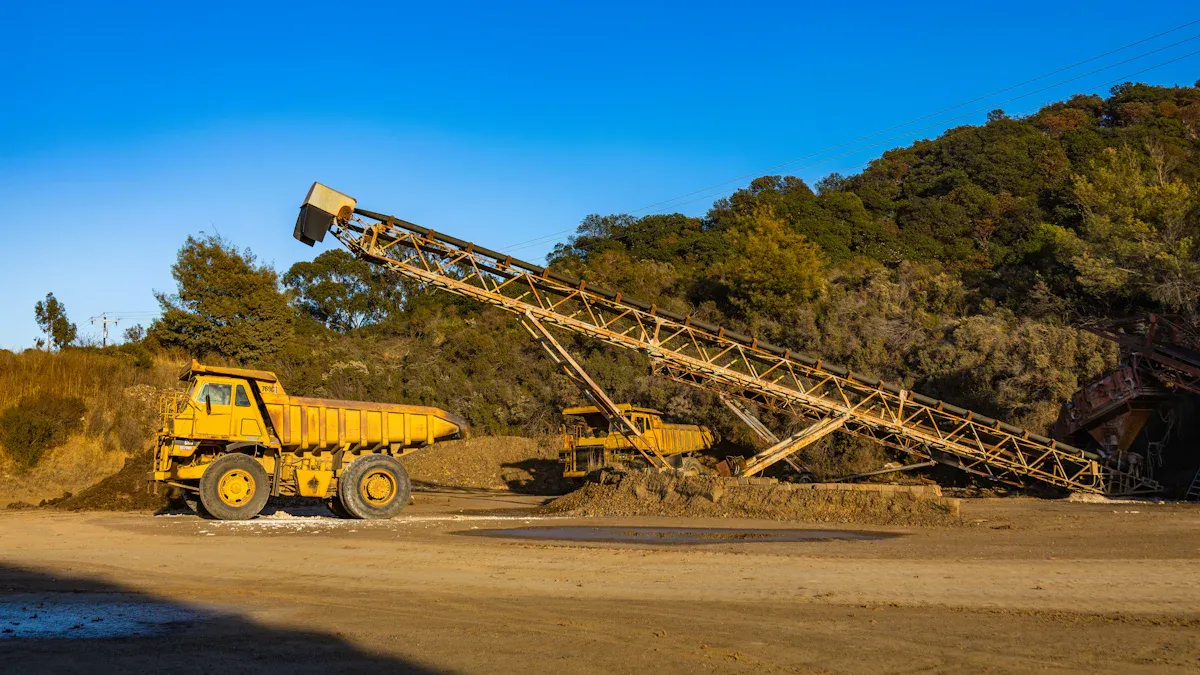
Best for Construction Sites
Construction sites can be tough on equipment. Machines face mud, rocks, and uneven ground every day. Dumper Rubber Tracks handle these challenges with ease. They have high tensile strength and a joint-free structure. This design gives them extreme durability. Manufacturers use strict quality control to make sure each track performs well.
- These tracks give machines strong traction, even on soft or rough terrain.
- The rubber compound resists wear and lasts longer under heavy loads.
- Operators notice less slippage, which means safer and more efficient work.
- The tracks also lower noise by up to 20%. This helps meet noise rules and keeps the site quieter.
- Some tracks even have smart technology to monitor wear, so crews can plan maintenance before problems start.
Dumper Rubber Tracks spread the machine’s weight evenly. This protects paved areas and reduces costly repairs. Teams get more work done with less downtime.
Best for Urban and Delicate Surfaces
Urban job sites and delicate surfaces need special care. Heavy equipment can damage roads, lawns, or finished landscapes. Dumper Rubber Tracks offer a gentle touch. Their wide, rubberized design protects surfaces from scratches and dents.
- The tracks keep ground pressure low, so machines do not sink or leave deep marks.
- They run quietly, making them a good choice for work near homes or businesses.
- Landscapers and city crews like how these tracks move smoothly over grass, bricks, or pavement.
Choosing Dumper Rubber Tracks helps keep urban and sensitive areas looking good, while still getting the job done.
Dumper Rubber Tracks Product Features
Unique Rubber Compound and Construction
Dumper Rubber Tracks stand out because of their advanced materials and smart design. Manufacturers use high-quality, non-recycled rubber mixed with strong steel cables. This combination gives each track extra strength and flexibility. Precision molding shapes the rubber, making it tough enough for rough jobs but still able to bend over bumps and rocks.
Here’s a quick look at what makes these tracks special:
| Feature Category | Description |
|---|---|
| Material Composition | High-quality, non-recycled rubber with steel cable reinforcement for durability and strength. |
| Manufacturing Process | Precision molding boosts strength, flexibility, and overall quality. |
| Testing Procedures | Tracks go through tough tests for wear, traction, and load capacity. |
| Performance Metrics | Tread design improves wet braking by 5-8% and keeps shape over time. |
| Embedded Technology | Sensors track wear and tension in real time for better maintenance. |
These tracks resist cuts and scrapes, even in harsh weather. The rubber stays flexible, so it does not crack when the ground gets rough. Sensors inside the track help operators know when to check or replace them, which keeps machines running longer.
Compatibility and Sizing Options
Dumper Rubber Tracks fit many types of dump trucks. They come in different sizes and shapes to match various models. The most popular size is 750 mm wide, with a 150 mm pitch and 66 links. This size works well for most construction and landscaping jobs.
- Tracks fit a wide range of dumpers on the market.
- Easy installation means less downtime.
- Multiple sizing options ensure a perfect fit for each machine.
- Sturdy build handles heavy loads and tough terrain.
Operators can choose the right track for their needs, knowing they will get a strong, reliable product every time.
Pros and Cons Summary
Dumper Rubber Tracks: Advantages and Disadvantages
Dumper Rubber Tracks bring a lot of benefits to the table. Many operators like how these tracks protect surfaces. They do not tear up grass or pavement. Machines with rubber tracks move quietly, which helps in city areas. The ride feels smoother, so drivers stay comfortable during long shifts. These tracks also fit many dumpers and come in different sizes. They last a long time because of their strong rubber compound.
Here are the main advantages:
- Gentle on roads, lawns, and finished surfaces
- Quieter operation for urban or residential work
- Smooth ride for less driver fatigue
- Easy to install and replace
- Long lifespan with less frequent maintenance
Some disadvantages exist. Rubber tracks can cost more upfront. They may not handle sharp rocks or demolition sites as well as steel tracks. Heavy-duty jobs sometimes need extra care to avoid damage.
Tip: For most construction, landscaping, or urban jobs, Dumper Rubber Tracks offer the best mix of value and performance.
Steel Tracks: Advantages and Disadvantages
Steel tracks have their own strengths. They work well on rocky, rough, or demolition sites. These tracks give machines strong grip on hard ground. Steel tracks last a long time in harsh conditions. They handle heavy loads without bending or breaking.
Main advantages include:
- Excellent traction on rocky or uneven terrain
- Strong and durable for tough jobs
- Good for demolition or forestry work
However, steel tracks can damage roads and lawns. They make more noise and give a rougher ride. Maintenance takes more time, and replacement costs can add up. Steel tracks also add extra weight to the machine.
Dumper Rubber Tracks win for most users because they offer great value, comfort, and versatility. For rocky or demolition sites, steel tracks work best. Readers should match their choice to the job site. Need help? Contact sales@gatortrack.com, WeChat: 15657852500, or LinkedIn for advice.
FAQ
How long do dumper rubber tracks usually last?
Most dumper rubber tracks last between 1,200 and 2,000 hours. Their lifespan depends on the job site, track quality, and regular maintenance.
Can dumper rubber tracks handle rocky or muddy ground?
Yes, dumper rubber tracks work well on rocky, muddy, or uneven surfaces. Their wide design gives strong grip and keeps machines stable in tough conditions.
Are dumper rubber tracks easy to install on different dumpers?
Operators find dumper rubber tracks easy to install. They fit many dump truck models and come in several sizes for a perfect match every time.
Post time: Jun-14-2025