Understanding DV450x86 Skid Steer Loader Tracks
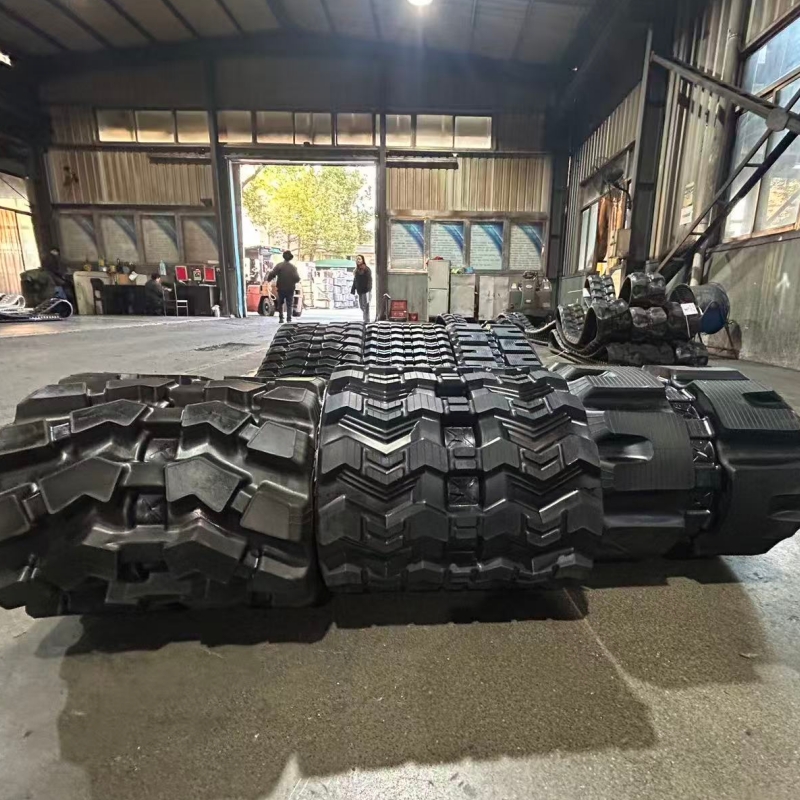
When evaluating heavy machinery efficiency, selecting the right rubber tracks plays a foundational role in overall productivity. While the industry often uses “skid steer tracks” as a catch-all marketing term, configurations like the DV450x86 are typically designed for dedicated Compact Track Loaders (CTLs) rather than over-the-tire (OTT) skid steer applications. Because these machines operate in demanding environments, understanding their precise specifications and ideal use cases is the first step toward maximizing uptime and minimizing total cost of ownership.
What DV450x86 means
To fully grasp the value of these components, it helps to break down the nomenclature. The “450×86″ is a dimensional specification: “450″ designates a track width of 450 millimeters, providing a wide footprint that minimizes ground pressure, while “86″ refers to the pitch—the 86-millimeter distance between the centers of adjacent metal cores. The “DV” designation refers to a proprietary or supplier-specific tread pattern, rather than an industry-generic classification like block or C-lug. This pattern utilizes deep, V-shaped rubber lugs designed for aggressive earthmoving. Depending on the specific loader model and track frame length—not solely the 450×86 size—these tracks typically feature between 52 and 60 forged steel links. When sourcing replacement Skid Steer Loader Tracks, these dimensions dictate compatibility and performance in the field.
When DV tread works best
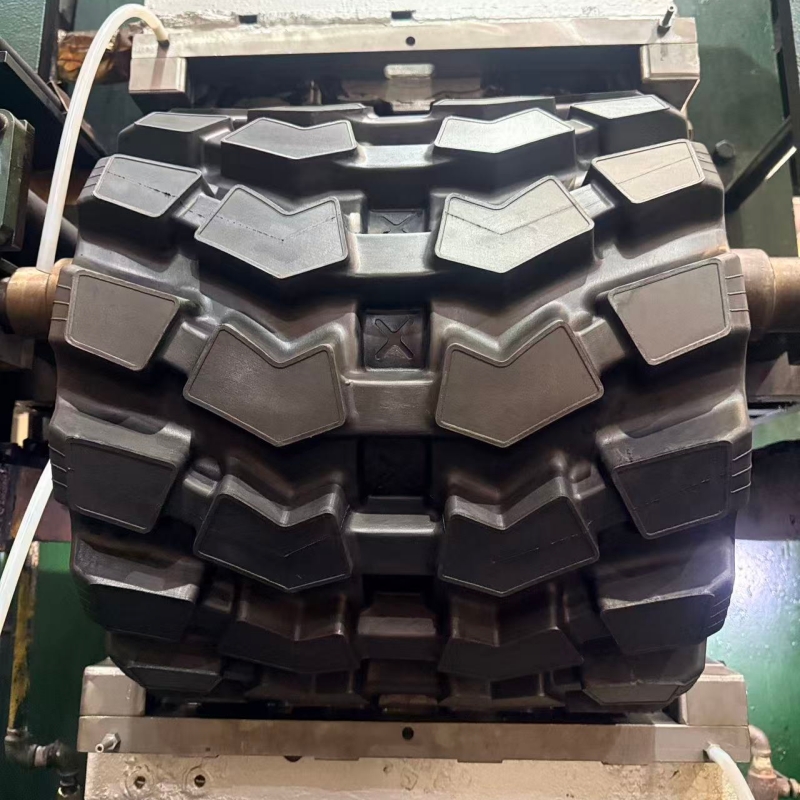
The DV Tread excels most in challenging, low-traction environments such as deep mud, wet clay, and loose snow. The V-shaped lugs are engineered for self-cleaning; as the track flexes around the sprockets and idlers, the geometry naturally ejects packed debris. In field applications, utilizing a DV pattern in muddy conditions yields a noticeable traction increase compared to standard C-lug or block tread designs.
However, many operators transition daily between soft dirt and hard surfaces. While the DV tread provides superior bite in mud, it comes with practical drawbacks on firm ground. Frequent travel over abrasive surfaces like cured concrete or asphalt accelerates lug wear and causes a rougher ride, leading to increased operator vibration fatigue. Additionally, the aggressive lugs can cause severe turf damage on finished landscapes and may alter slope stability on hard-packed inclines. Balancing these mixed-terrain realities is essential for maximizing track longevity.
Comparing DV Tread Track Options
Accurately calculating the return on investment (ROI) of the DV450x86 configuration requires comparing it directly against other prevalent tread patterns. Financial models for heavy equipment maintenance should weigh initial procurement costs against projected lifecycle hours, factoring in the specific terrain where the machines are deployed. Real-world ROI relies on a comprehensive total-cost-of-ownership (TCO) framework. Beyond the purchase price, operators must account for undercarriage wear, labor costs during track changeouts, fuel efficiency differences, and productivity gains or losses resulting from traction slippage.
DV tread vs block tread
Comparing the DV tread to standard block tread or versatile C-lug patterns makes the differences in application and wear life starkly apparent. Block patterns feature staggered, closely spaced rubber pads that provide a smooth ride on hard surfaces and excel in landscaping or asphalt work, while C-lugs offer an all-terrain middle ground. However, in soft dirt, block treads lack the necessary bite, leading to slippage, lost productivity, and increased fuel consumption. Conversely, the DV pattern digs deep into yielding surfaces. Running a block tread on abrasive concrete provides excellent durability, but if a DV tread is misused on that same surface, its wear life drops significantly due to lug tearing. Yet, when kept primarily in its intended muddy or loose-dirt environment, the DV pattern maximizes its operational hours and overall value.
Key ROI and performance metrics
Evaluating the financial impact requires looking at the total cost per hour of operation. While specialized tracks often carry a premium, the extended lifespan in optimal conditions shifts the ROI in the operator’s favor. Below is a comparative breakdown presented as an illustrative hypothetical scenario for 450×86 tracks operating primarily in loose dirt and mud. It is critical to recognize that mixed-terrain or abrasive-surface use would significantly erode the DV tread’s projected cost-per-hour advantage and lifespan. Note: The 1,500-hour lifespan assumes predominantly soft conditions; this figure drops sharply on abrasive surfaces and should not be treated as a universal benchmark.
| Track Configuration | Estimated Initial Cost | Avg. Lifespan (Soft Terrain) | Estimated Cost per Hour |
|---|---|---|---|
| DV450x86 (V-Tread) | $1,400 | 1,500 hours | $0.93 |
| Standard Block 450×86 | $1,250 | 1,100 hours | $1.13 |
Although the DV450x86 requires a higher initial capital outlay, it ultimately delivers a lower cost per hour in the right conditions. Over a standard machine ownership cycle, selecting the correct tread pattern saves roughly $300 per track over 1,500 hours, scaling to over $600 per pair in replacement costs alone. When factoring in the reduced labor for fewer changeouts, less undercarriage strain, and the productivity gained from minimized slippage, the TCO advantage becomes even more pronounced.
Choosing the Right DV450x86 Tracks
Securing the financial and operational benefits of the DV450x86 requires rigorous procurement practices. Rather than simply ordering a track based on general size, operators should implement strict fitment checks and vet suppliers to ensure the rubber compound and internal construction meet heavy-duty standards.
Fitment and inspection checklist
Before finalizing any purchase, conduct a comprehensive fitment and undercarriage inspection. This definitive checklist ensures proper installation and maximizes track life:
- Verify OEM Specifications: Consult your machine’s manual to confirm the 450mm width, 86mm pitch, and the exact link count. Installing a track with even one missing or extra link leads to an increased de-tracking risk.
- Inspect Undercarriage Components: Always measure the wear on the machine’s drive sprockets and front idlers before installation.
- Replace Worn Sprockets: Installing a brand-new DV450x86 track over sprockets that have worn past OEM tolerances significantly reduces the new track’s lifespan. The sharp edges of a worn sprocket cause accelerated internal link wear, diminishing ROI within the first few hundred hours.
Supplier and purchase criteria
Finally, evaluating suppliers based
Key Takeaways
- Confirm the 450 mm width, 86 mm pitch, and correct link count before purchasing DV450x86 replacement tracks.
- Use DV tread primarily in mud, wet clay, soft soil, or loose snow where its V-shaped lugs can improve traction and self-cleaning.
- Avoid frequent operation on asphalt or cured concrete because aggressive DV lugs can wear faster and create a rougher ride.
- Compare ROI using total cost of ownership, including track price, service life, changeout labor, downtime, fuel use, and undercarriage wear.
- Choose a less aggressive tread pattern for finished turf, landscaping, or mixed hard-surface work to reduce damage and extend track life.
Frequently Asked Questions
What does 450×86 mean on a rubber track?
The 450 indicates a 450 mm track width, while 86 refers to the 86 mm pitch between adjacent metal core centers. These dimensions help determine whether the track fits a specific compact track loader undercarriage.
Is DV450x86 typically used on skid steers or compact track loaders?
Although often marketed under skid steer track terminology, DV450x86 tracks are typically intended for dedicated compact track loaders rather than over-the-tire skid steer applications. Always confirm fitment by machine model, pitch, width, and link count.
Where does DV tread perform best?
DV tread performs best in low-traction conditions such as mud, wet clay, soft soil, and loose snow. Its deep V-shaped lugs help bite into loose material and shed debris as the track moves around the undercarriage.
What are the drawbacks of DV tread on hard surfaces?
On asphalt, concrete, and other abrasive surfaces, DV tread can wear faster, ride rougher, and increase operator vibration. Its aggressive lugs may also damage turf or finished landscaping.
How many links do DV450x86 tracks usually have?
DV450x86 tracks commonly range from about 52 to 60 forged steel links, depending on the loader model and track frame length. Link count must be verified before ordering replacement tracks.
Yvonne
Post time: Aug-07-2026