How Excavator Rubber Track Pads Improve Urban Mobility
As infrastructure projects increasingly take place in densely populated urban environments, protecting existing surfaces has become a primary operational priority. Heavy machinery equipped with standard steel tracks can cause severe damage to asphalt, concrete, and historical cobblestone streets, leading to costly municipal fines and repair delays.
To mitigate these risks, contractors rely on specialized attachments that bridge the gap between heavy-duty traction and surface preservation. Integrating surface-friendly rubber solutions into equipment fleets safeguards city streets and significantly reduces operational noise. This allows operators to comply with stringent urban decibel limits and minimize disruption to local communities.
What Excavator Rubber Track Pads Are
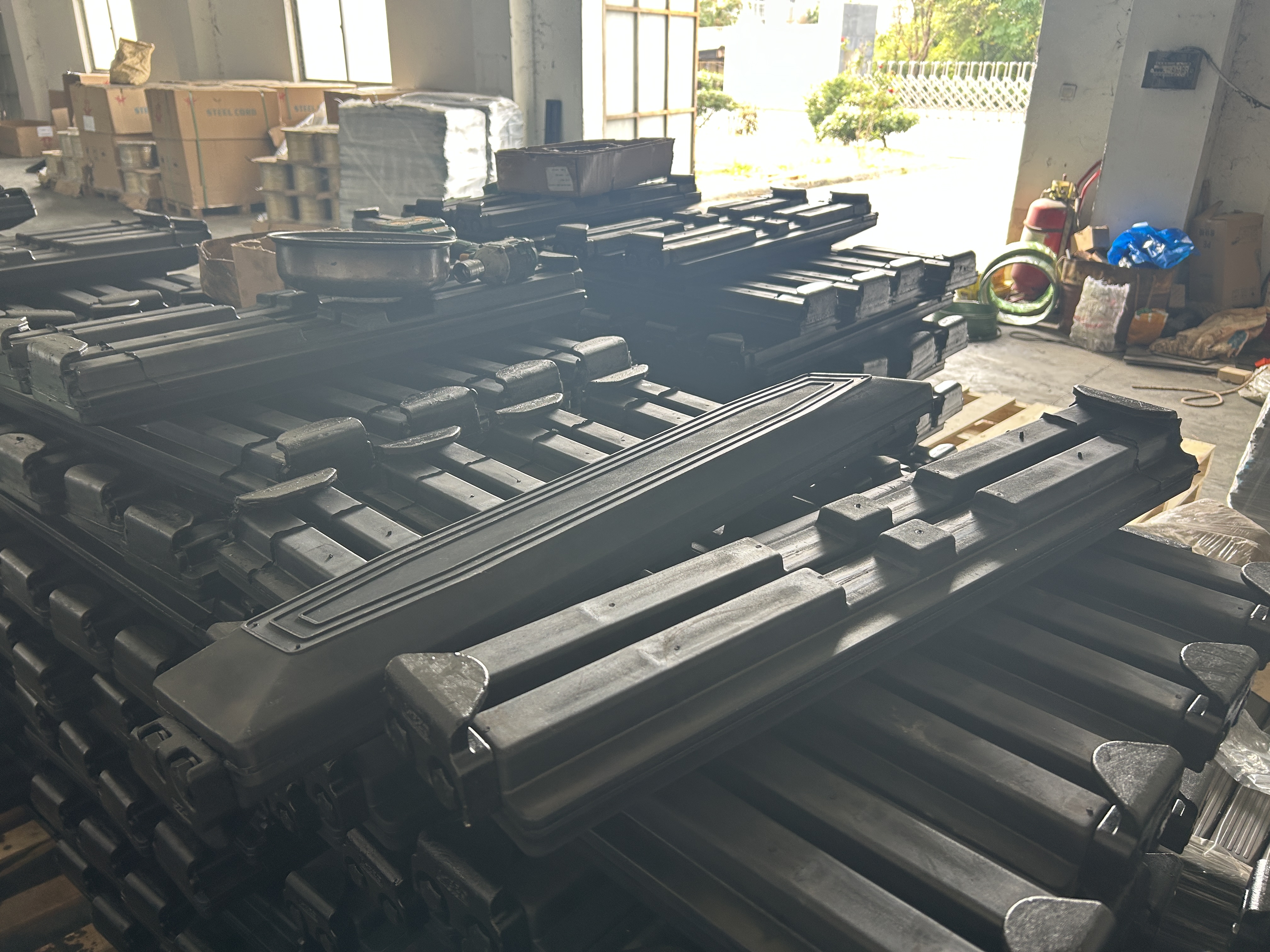
At their core, Excavator rubber track pads are heavy-duty, molded rubber blocks engineered to attach directly to the steel track shoes of heavy machinery. They provide a protective buffer between aggressive steel grousers and the delicate ground surface below.
These pads are typically manufactured for machines ranging from 5-ton compact excavators to 25-ton mid-sized earthmovers. By distributing the machine’s weight across a durable rubber footprint, they maintain the necessary friction to safely navigate slight inclines and wet urban surfaces. However, operators should note important trade-offs: rubber pads can reduce traction in muddy or steep conditions, may wear faster in highly abrasive environments, and can sometimes alter ground pressure dynamics compared to continuous rubber tracks.
Where Bolt-On, Clip-On, and Chain-On Pads Work Best
Selecting the right attachment method depends heavily on project duration and machine utilization. Bolt-on pads are fastened directly through pre-drilled holes in the steel shoe, offering the most secure fit for long-term urban projects where high torque and lateral stress are expected.
Conversely, clip-on pads attach to the sides of the steel shoe using a specialized bracket. These are ideal for mixed-use fleets, as manufacturers claim clip-on configurations can reduce installation and removal time by up to 40% compared to standard bolt-on setups. Chain-on pads, or roadliners, replace the steel shoe entirely and bolt directly to the track chain, offering an excellent permanent solution for machines dedicated exclusively to paved environments.
Key Specifications for Eco-Friendly Rubber Track Pads
Modern track pads often market themselves as eco-friendly by going beyond simple surface protection. Buyers typically look for products manufactured using sustainable practices, such as incorporating recycled rubber crumb from discarded commercial tires and utilizing low-VOC (volatile organic compound) adhesives during the bonding process.
While these manufacturing choices aim to reduce the overall carbon footprint of replacement parts, their primary practical benefit remains delivering the rugged, reliable performance operators demand in challenging urban work zones.
Rubber Compound, Pad Thickness, and Tread Design
Underlying specifications dictate how well a pad will perform under heavy loads. A specialized rubber compound must balance flexibility with extreme cut resistance; industry specifications often target a material hardness rating between 75 and 85 Shore A.
Pad thickness is another critical variable. Premium urban pads generally feature a rubber thickness ranging from 40mm to 80mm above the steel plate to ensure adequate shock absorption. Furthermore, the tread design should feature chamfered edges and optimized lug patterns to help prevent chunking or tearing when the excavator pivots sharply on abrasive surfaces like milled asphalt.
Comparison Criteria for Choosing Rubber Track Pads
When evaluating different pad configurations, equipment managers must carefully weigh installation efficiency against long-term stability. The table below outlines the primary comparison criteria used to select the appropriate rubber track pads for urban operations.
| Pad Style | Est. Installation (per pad) | Typical Machine Class | Relative Vibration Dampening | Ideal Application |
|---|---|---|---|---|
| Bolt-On | 3 – 5 minutes | 8 to 25 tons | High | Long-term urban utility work |
| Clip-On | 1 – 2 minutes | 5 to 15 tons | Moderate | Short-term residential projects |
| Chain-On | 4 – 6 minutes | 10 to 25+ tons | Very High | Dedicated highway maintenance |
(Note: Vibration dampening levels are relative estimates based on pad thickness and mounting style; actual reduction varies by machine and surface type.)
By analyzing these metrics, fleets can precisely match the pad type to the specific demands of upcoming contracts, ensuring both operational efficiency and surface protection.
How to Source, Install, and Evaluate Rubber Track Pads
Successfully integrating rubber track pads into an equipment roster requires a meticulous approach to procurement and maintenance. Unexpected downtime caused by ill-fitting attachments or premature material failure can derail a project.
Therefore, establishing rigorous sourcing protocols and standardized installation procedures is essential for maximizing return on investment and maintaining fast-paced project schedules.
Confirming Machine Fit and Supplier Quality
The first step in sourcing is guaranteeing exact machine compatibility. Buyers must meticulously verify track pitch measurements—most commonly 135mm, 154mm, or 171mm—and shoe widths before placing an order to avoid costly fitment issues.
When vetting suppliers, it is advisable to prioritize manufacturers who demonstrate strict quality control; some top-tier suppliers claim a defect rate of less than 0.5% across their production lines. For large fleet upgrades, minimum order quantities (MOQs) often range from 100 to 300 pieces. This requires accurately forecasting wear-and-tear cycles and consolidating purchasing to secure favorable unit pricing and manageable lead times of four to six weeks.
Making the Final Selection Decision
The final selection ultimately rests on the total cost of ownership rather than the initial purchase price alone. Once the right pads are selected, proper installation and ongoing evaluation become critical. During installation, mechanics must ensure that all mounting hardware is tightened to the manufacturer’s specified torque—generally recommended between 120 and 150 Nm—to prevent lateral shifting and hardware shearing during operation.
High-quality pads typically advertise a functional lifespan of 1,500 to 2,000 working hours under standard urban conditions, though this varies based on operator behavior and surface abrasiveness.
Key Takeaways
- Use excavator rubber track pads on urban jobs to protect asphalt, concrete, and cobblestone from damage caused by steel grousers.
- Match pad type to the project: choose bolt-on pads for secure long-term use, clip-on pads for frequent swaps, and chain-on pads for machines dedicated to paved surfaces.
- Consider clip-on rubber pads for mixed-use fleets because they can reduce installation and removal time by up to 40% compared with standard bolt-on pads.
- Check machine compatibility carefully, as many excavator rubber pads are designed for compact and mid-sized machines ranging from about 5 to 25 tons.
- Look for rubber compounds in the 75 to 85 Shore A hardness range when balancing flexibility, wear resistance, and surface protection.
- Evaluate eco-friendly options that incorporate recycled rubber crumb and low-VOC adhesives while still meeting durability requirements for urban work zones.
Frequently Asked Questions
What are excavator rubber track pads used for?
They attach to steel track shoes to create a rubber buffer between the excavator and the ground, helping protect asphalt, concrete, cobblestone, and other urban surfaces from steel grouser damage.
Which machines can typically use rubber track pads?
Rubber track pads are commonly designed for compact and mid-sized excavators, typically ranging from about 5-ton machines to 25-ton earthmovers used in urban construction, utility, and roadwork projects.
Are rubber track pads better than steel tracks in cities?
For paved urban areas, rubber pads are usually better because they reduce surface damage and noise. Steel tracks still offer stronger performance in muddy, steep, or highly abrasive off-road conditions.
What is the difference between bolt-on, clip-on, and chain-on pads?
Bolt-on pads provide the most secure fit for longer projects, clip-on pads are faster to install and remove, and chain-on pads replace the steel shoe for machines dedicated mainly to paved surfaces.
How much installation time can clip-on pads save?
Manufacturers often claim clip-on configurations can reduce installation and removal time by up to 40% compared with standard bolt-on setups, making them useful for mixed-use fleets.

Post time: Sep-29-2026