

I recognize urban construction presents unique challenges. Excavator rubber pads become indispensable tools in these environments. These specialized pads attach directly to an excavator’s metal tracks. They offer a vital protective barrier between the machine and city surfaces. I find them crucial for maintaining site integrity.
Key Takeaways
- Rubber pads protect city surfaces like asphalt and concrete from damage caused by excavator tracks.
- Rubber pads make excavators quieter, which helps reduce noise in busy city areas.
- Rubber pads improve how excavators work by giving them better grip and making them more stable.
Protecting Urban Surfaces with Excavator Rubber Pads

Preventing Damage to Asphalt and Concrete
I know urban construction sites often feature hard surfaces like asphalt and concrete. Steel tracks on excavators pose a significant threat to these materials. I have seen how steel tracks damage hard terrain. Their sharp edges can also harm less firm surfaces. This damage includes:
- Chipping concrete
- Creating deep grooves in soft soil
- Surface indentation or compaction due to increased ground pressure
I find Excavator Rubber Pads essential for preventing this. They create a protective layer between the metal tracks and the ground. This barrier absorbs impact and distributes the machine’s weight more evenly. I see this as a direct way to avoid costly repairs to city infrastructure. It also maintains the aesthetic appeal of urban areas.
Minimizing Noise Pollution in Cities
City environments demand careful consideration of noise levels. Traditional steel tracks generate considerable noise. The clanking and grinding sounds can disrupt residents and businesses. I believe minimizing noise pollution is a critical aspect of responsible urban development. Rubber pads significantly reduce this noise. They absorb much of the sound produced by track movement. This creates a quieter work environment. It also lessens the impact on surrounding communities. I find this benefit particularly valuable in densely populated areas.
Enhancing Environmental Compliance
Environmental regulations are strict in urban settings. Reducing ground disturbance and soil compaction is often a key requirement. I understand excavator rubber pads play a crucial role here. They reduce ground disturbance by preventing the metal tracks from digging into the surface. This action avoids ruts and trenches.
Modern track pads use advanced materials and unique tread patterns. These designs distribute weight more evenly across various terrains. The Equipment Manufacturers Association confirms this design effectively reduces soil compaction and increases stability. A comparative analysis by Equipment Today highlights that track pad designs distribute weight more evenly than traditional excavators. Traditional excavators often struggle with slippage. This even weight distribution lowers ground pressure. It leads to decreased ground disturbance and soil compaction. This is especially important for environmentally sensitive projects.
Tip: Rubber track pads are particularly beneficial on soft soils like wetlands. They enhance flotation and minimize soil compaction. This is crucial for site stability. For instance, in pipeline installations in marshlands, equipment with rubber pads achieved a 15% reduction in ground disturbance. This led to improved environmental compliance.
I see these pads as a vital tool for meeting environmental standards. They help construction companies operate responsibly.
Operational Advantages of Excavator Rubber Pads
Improving Traction and Stability
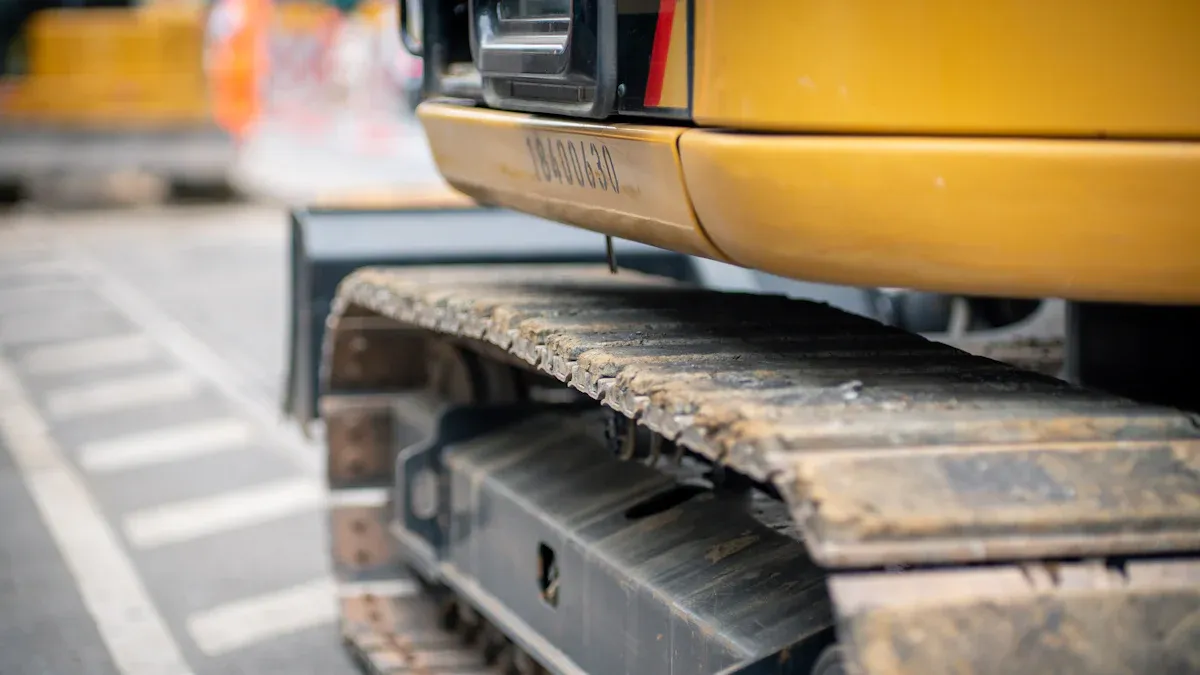
I find that Excavator Rubber Pads offer significant operational benefits, especially when it comes to traction and stability. On challenging job sites, superior grip is essential. Rubber tracks provide excellent traction on slippery surfaces. This enhances grip and reduces slippage, giving me better control in difficult conditions. I have observed that the lower center of gravity with rubber tracks significantly enhances stability. This design reduces the risk of tipping, particularly when I traverse slopes or uneven surfaces. It allows for better weight distribution, improving handling and maneuverability. This minimizes the likelihood of accidents. Rubber tracks also offer excellent resistance to tipping because of their enhanced traction and shock absorption. This dampens vibrations and contributes to a smoother ride.
When I work on wet surfaces, the material composition of the pads makes a big difference. I rely on soft yet durable rubber compounds. This material grips the ground more effectively than steel tracks. It enhances control and stability on various surfaces, including wet ones. High-quality pads also feature abrasion-resistant and anti-chunking compounds. These are designed to resist cutting, tearing, and wear. This ensures consistent performance and durability even in harsh conditions. This indirectly helps maintain effective traction over time. I also appreciate how rubber pads prevent slippage on sensitive surfaces like pavers or tiles. Their inherently high coefficient of friction allows rubber to maintain excellent traction, even when wet. Textured surfaces often further enhance this property. This superior grip makes rubber a more effective material for slip resistance compared to concrete or wood.
Extending Equipment Lifespan
I always look for ways to maximize my equipment’s lifespan. Rubber pads play a crucial role in this. They protect the undercarriage components of my excavator. By reducing direct contact between the metal tracks and abrasive surfaces, they absorb shock. This minimizes tread degradation. This protective action contributes to a longer lifespan for the entire undercarriage system.
Using the right pads can extend track life by 10–20%.
I have seen how bolt-on and clip-on rubber track pads are particularly effective. They shield the underlying track from wear and tear. This means fewer replacements and less downtime for maintenance. This directly translates to cost savings and increased productivity over the life of the machine.
Boosting Operator Comfort and Safety
Operator comfort and safety are paramount on any job site. I notice a significant difference when using rubber pads. They absorb much of the vibration that steel tracks transmit. This reduction in vibration leads to a smoother ride for the operator. A study investigating the effects of different vibration amplitudes on driver drowsiness found that drowsiness decreased with decreasing vibration amplitude. This indicates a direct relationship where reduced vibration leads to reduced fatigue. This is evidenced by driving performance, reaction time evaluations, and subjective reports from participants in simulated driving sessions.
Less vibration means less operator fatigue. This allows me to stay focused and productive for longer periods. A more comfortable operator is a safer operator. Reduced fatigue lowers the risk of errors and accidents on the job site. The enhanced stability and traction provided by rubber pads also contribute to a safer working environment. I feel more secure operating the machine on uneven or slippery ground. This confidence allows me to perform tasks more efficiently and safely.
Practical Considerations for Excavator Rubber Track Pads
Choosing the Right Pads
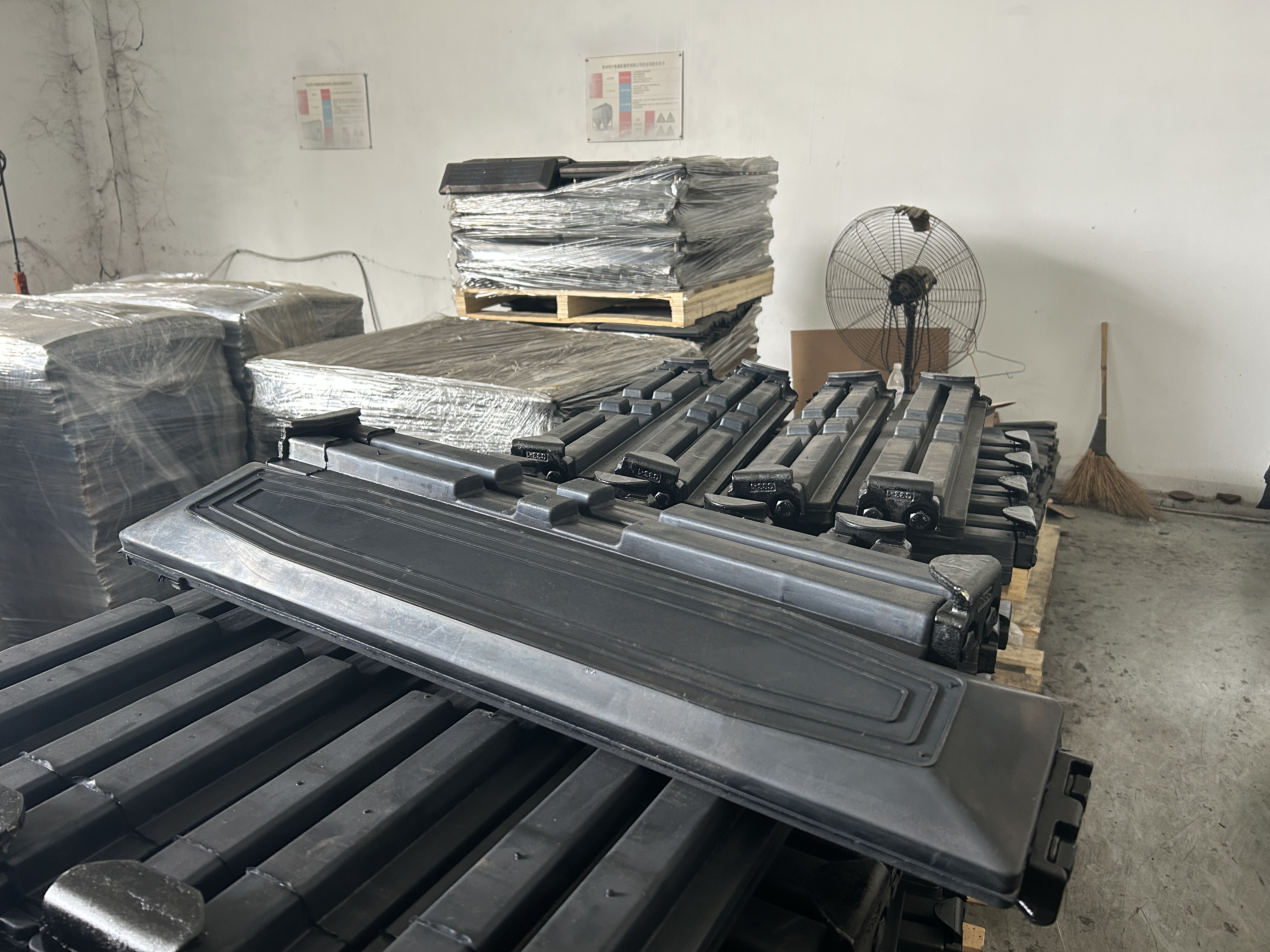
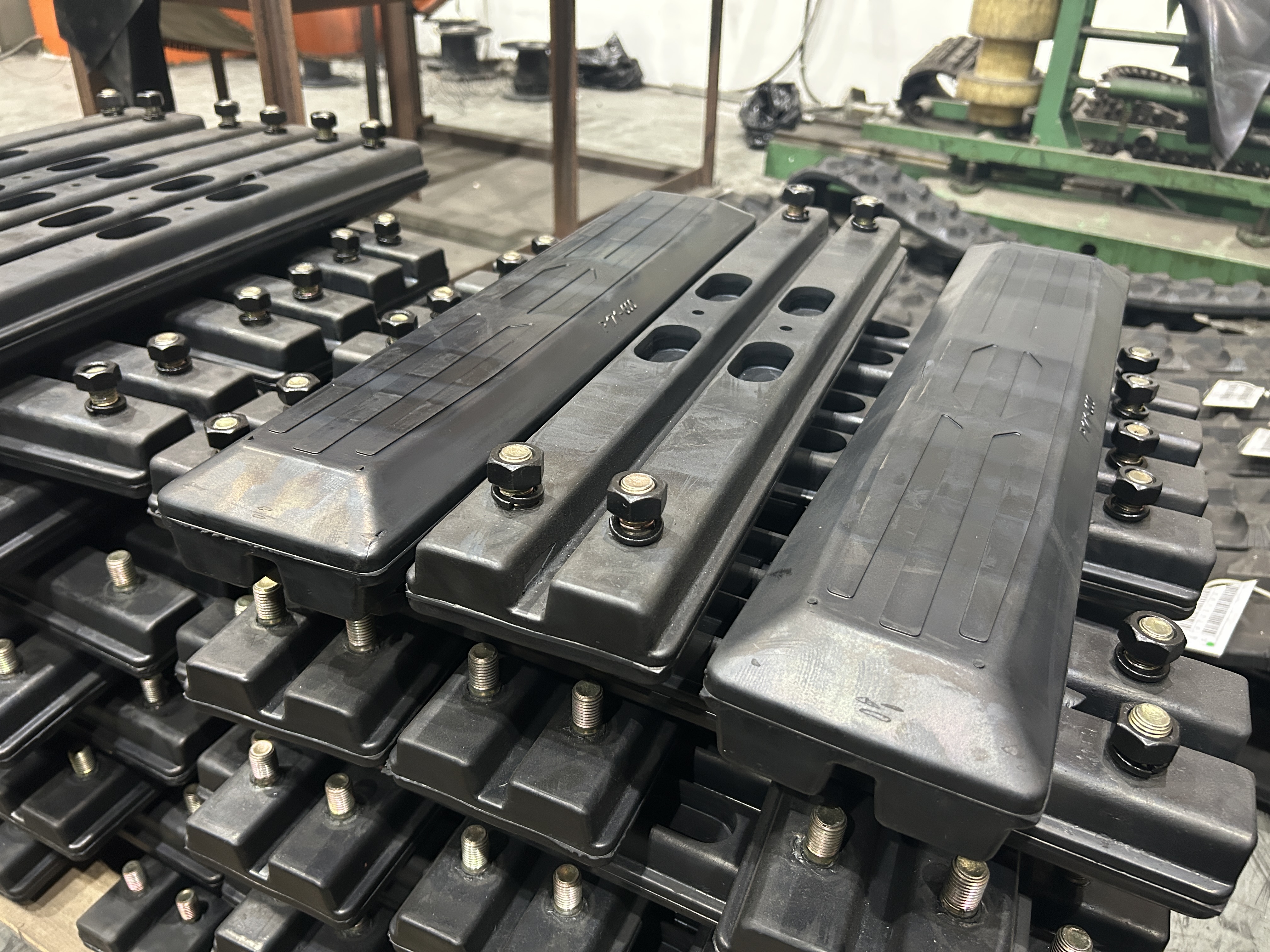
I know selecting the correct rubber pads is crucial for optimal performance. Several types of Excavator Rubber Pads are available. I consider the specific job requirements when choosing. Side-Mount pads, also known as Clip-On, fit triple grouser steel tracks. I install them from the side. They offer a longer service life due to more rubber and steel. Bolt-On rubber track pads work well when my existing grouser shoes have pre-drilled holes. They bond to metal plates between steel grousers. Chain-Mount pads, or Road Liner pads, bolt directly to the steel chain. They fully enclose the steel tracks with rubber. This offers comprehensive protection.
When I select pads, I always look at several factors. Durability and material quality are paramount. I choose high-quality materials like reinforced rubber. These resist cracking and wear. Ease of installation and compatibility are also important. The pads must fit my excavator model seamlessly. I also consider pricing and overall value. Investing in durable pads saves money long-term. Finally, I check customer reviews and brand reputation. Real-world performance insights help me make informed decisions.
Installation and Maintenance Tips
Proper installation and regular maintenance extend the life of my rubber pads. I always ensure correct fitment during installation. This prevents premature wear. Regular inspections are also vital. I perform daily walk-arounds. I check for cuts, cracks, or exposed wires on the tracks. I also rinse the undercarriage to remove debris.
Tip: A quick daily visual check can prevent major issues.
Weekly, I conduct a more in-depth inspection. I check tread wear and examine undercarriage components like rollers and sprockets. Monthly, I perform a total inspection. This includes a deep clean with a pressure washer. I also check and adjust track tension. Proper tension prevents uneven wear. I lubricate drive components regularly. This minimizes friction and ensures smooth operation.
I find Excavator Rubber Pads are truly indispensable for urban construction. They protect city surfaces, significantly reduce noise pollution, and enhance environmental compliance. These pads also improve operational efficiency and boost operator safety. I believe their value for responsible and effective city projects is undeniable.
FAQ
What types of excavators can use rubber pads?
I find rubber pads compatible with most mini, compact, and mid-sized excavators. They also fit larger machines with specific track configurations. Always check your machine’s specifications.
How often should I replace my rubber pads for excavator ?
I recommend replacing pads based on wear, not just time. Inspect them regularly for cracks or excessive wear. This ensures optimal performance and safety.

Post time: Nov-24-2025